.png.c363cdf5c3fb7955cd92a55eb6dbbae0.png)


Rob R
-
Posts
274 -
Joined
-
Last visited
-
Days Won
3
2 Followers


Rob R's Achievements






-
I have had this in the past. Look closely in the slicer. Is the supported cad definitely down onto the build plate before you slice it? The slicer probably has a drop to bed (or similar) function. Even a one layer gap is enough to mess it up. Also try increasing the first layer time by 5 or 10 seconds to give it more stick. Lile Moogie said, my build plate is scratched and pock marked all over and the prints stick like stuff to a wet blanket. Keep going, it is very frustrating at times but once you hit the sweet spot it is very rewarding.
-
An earlier view. Croagh Patrick And here Ballisodare
-
Hmmmm. I have 2 more here, in the same resin, that have just been sat around on the shelf (ok, dumped on top of the printer) for a few weeks and they haven't moved at all. If you still have trouble with it, I'll send you another.
-
Sara, Excellent print. Would it really matter if you increased the sides to 1mm thick? Printability would improve considerably. Rob
-
Sorry, hadn't realized that the ng coaches had rounded top panels....
-
Grounded CB&PR body/bodies from the IRRS Flickr site:- https://www.flickr.com/photos/irishrailwayarchive/53511461548/in/album-72177720314972259 https://www.flickr.com/photos/irishrailwayarchive/53511731255/in/album-72177720314972259
-
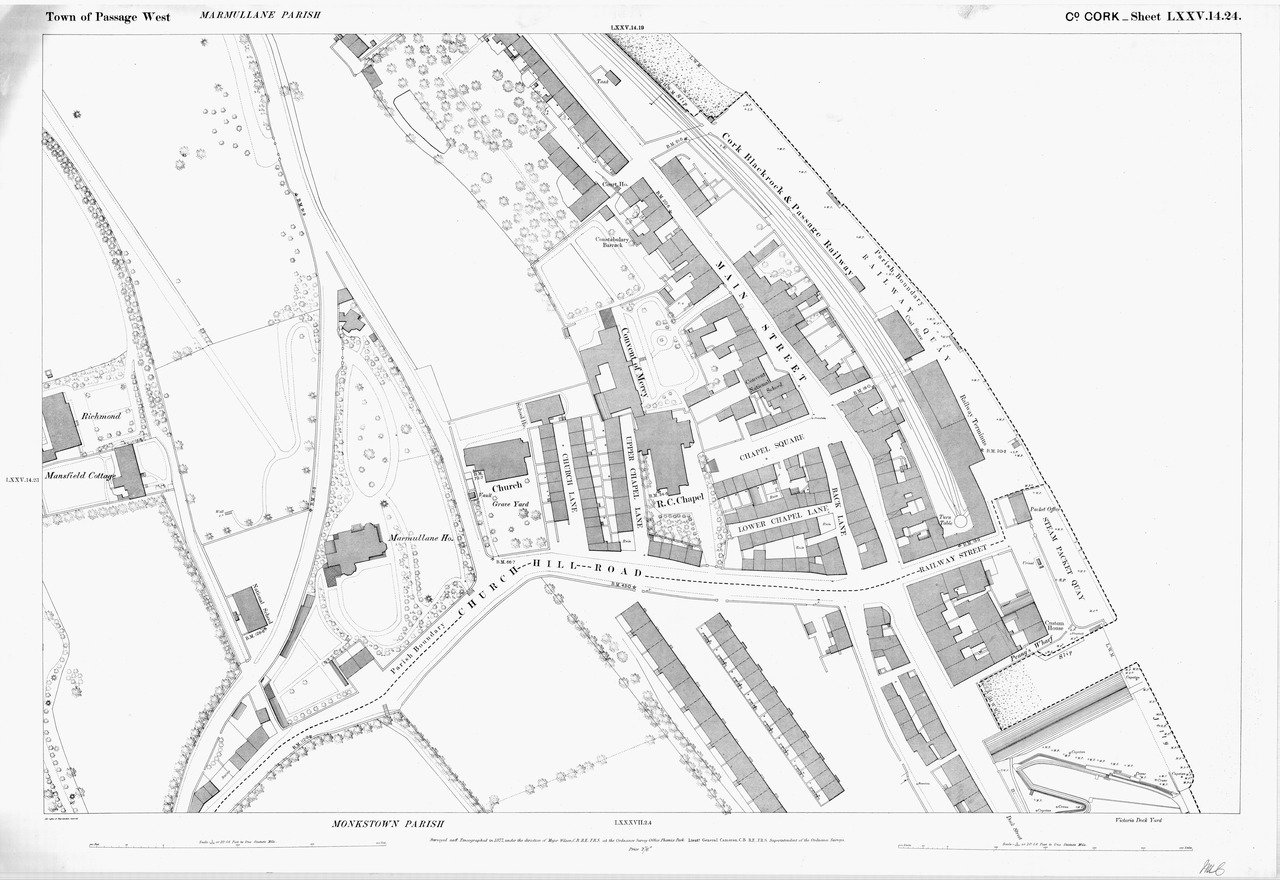
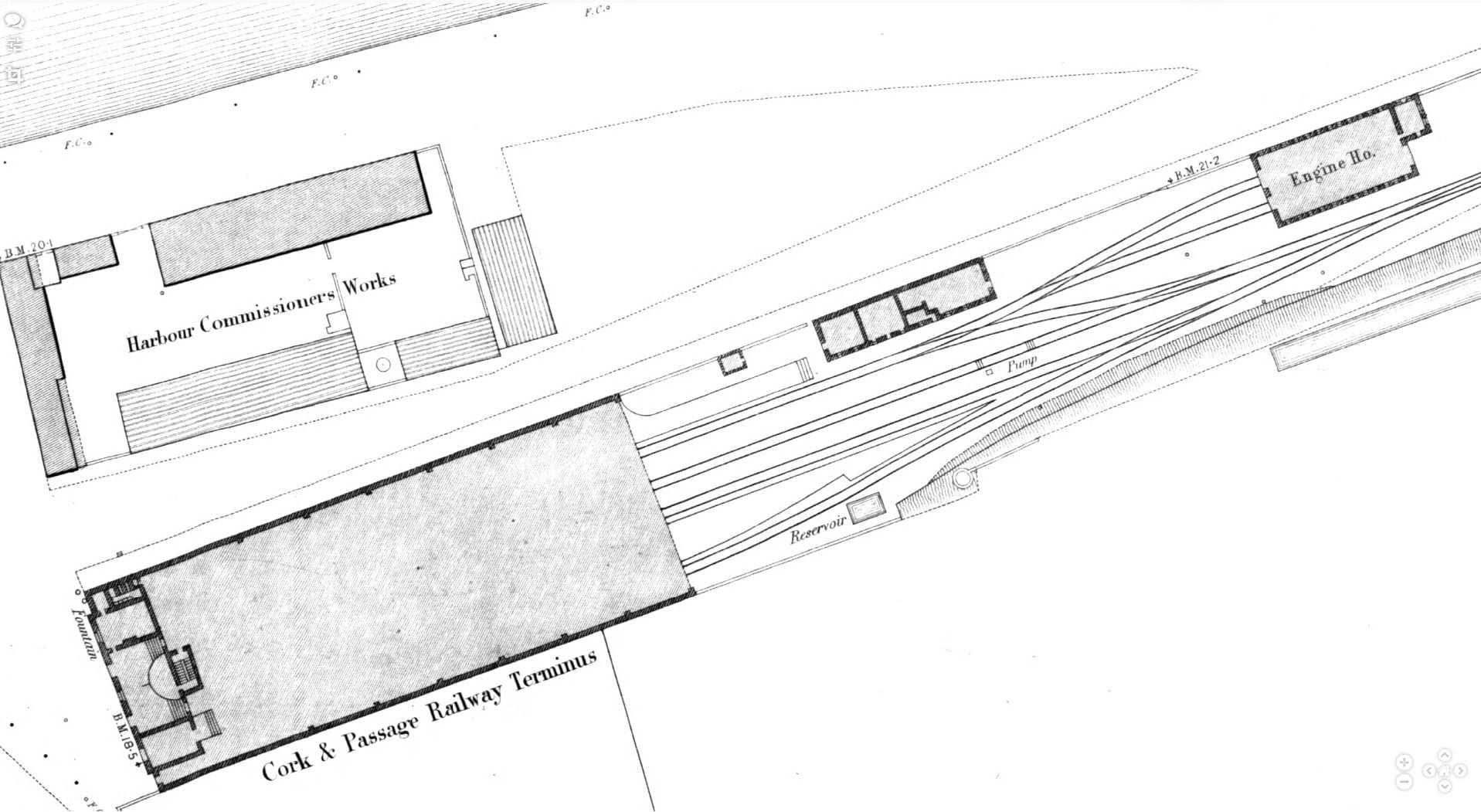
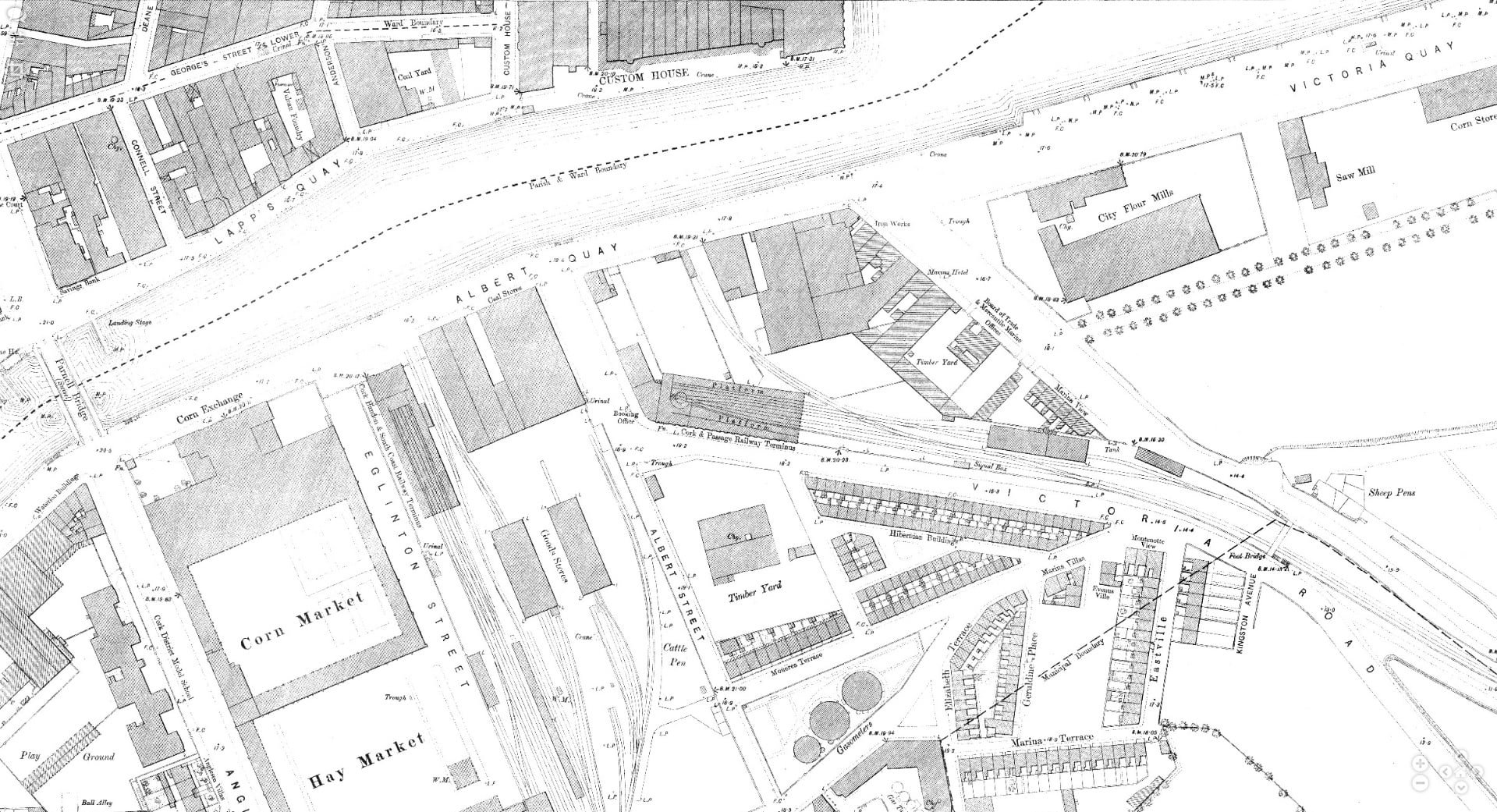
The Grifiths Valuation maps are quite useful for early lines, although the tracks are not shown other useful features are such as buildings, turntables and sometimes signals. Griffiths Valuation Maps
-
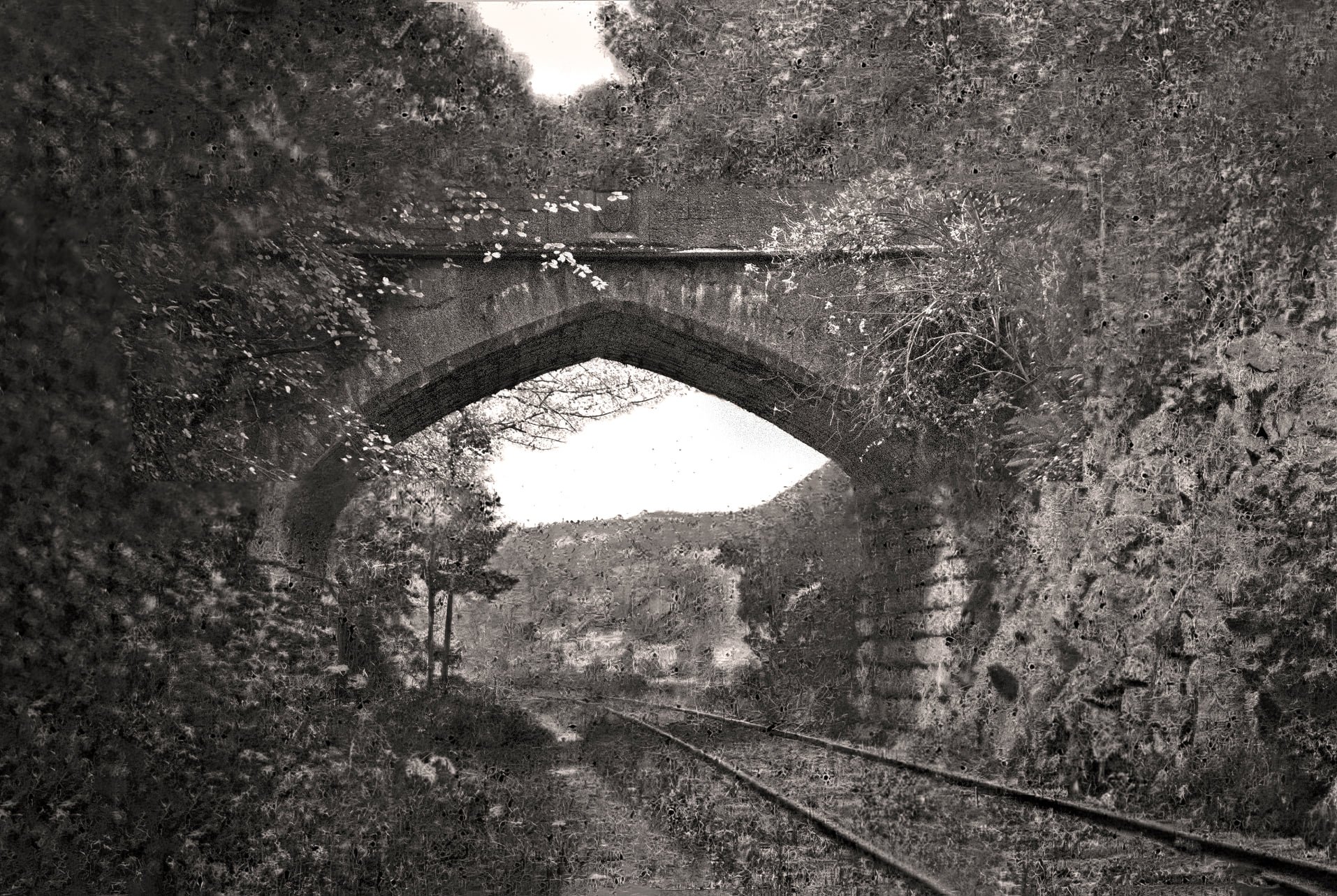
Bridge photo posted earlier - better version. HMRS 35344: 2-2-2WT - 5ft 6ins Diameter Wheels HMRS CBPR loco This drawing doesn't have a thumbnail on the HMRS website yet but the digital scan is available, just message them. I won't post it here for copyright reasons but it is a good readable GA drawing

-
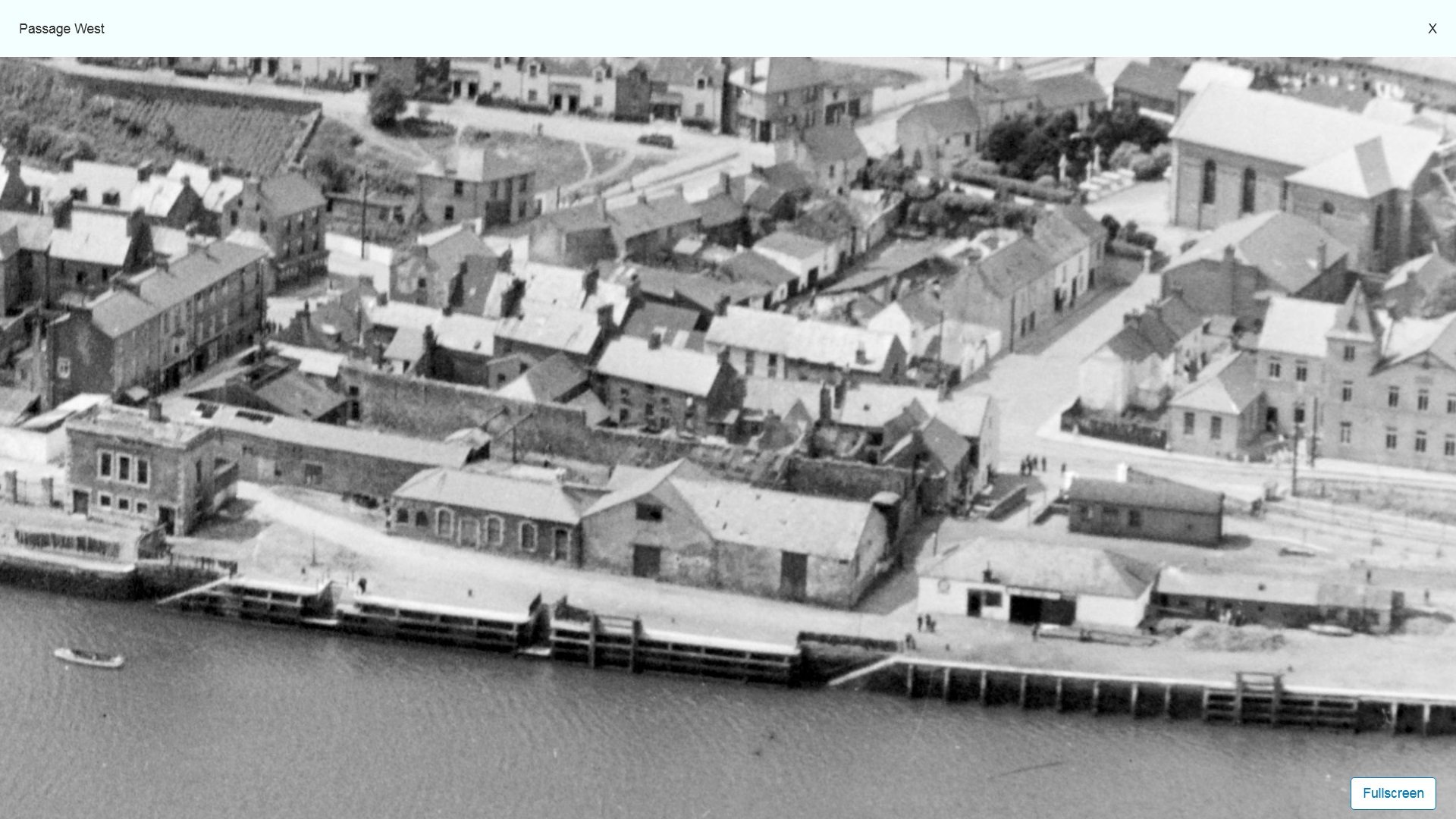
Passage.
-
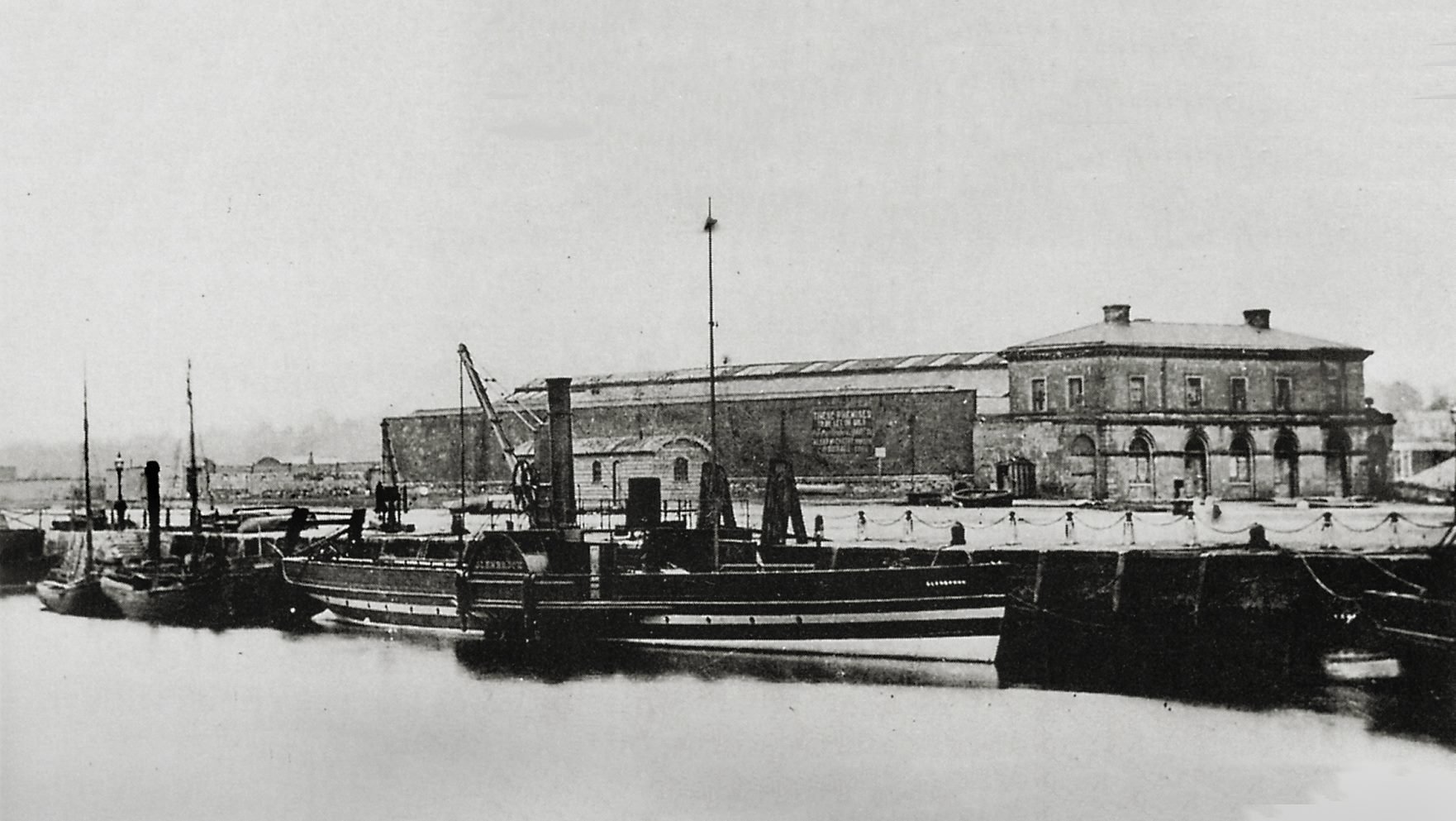
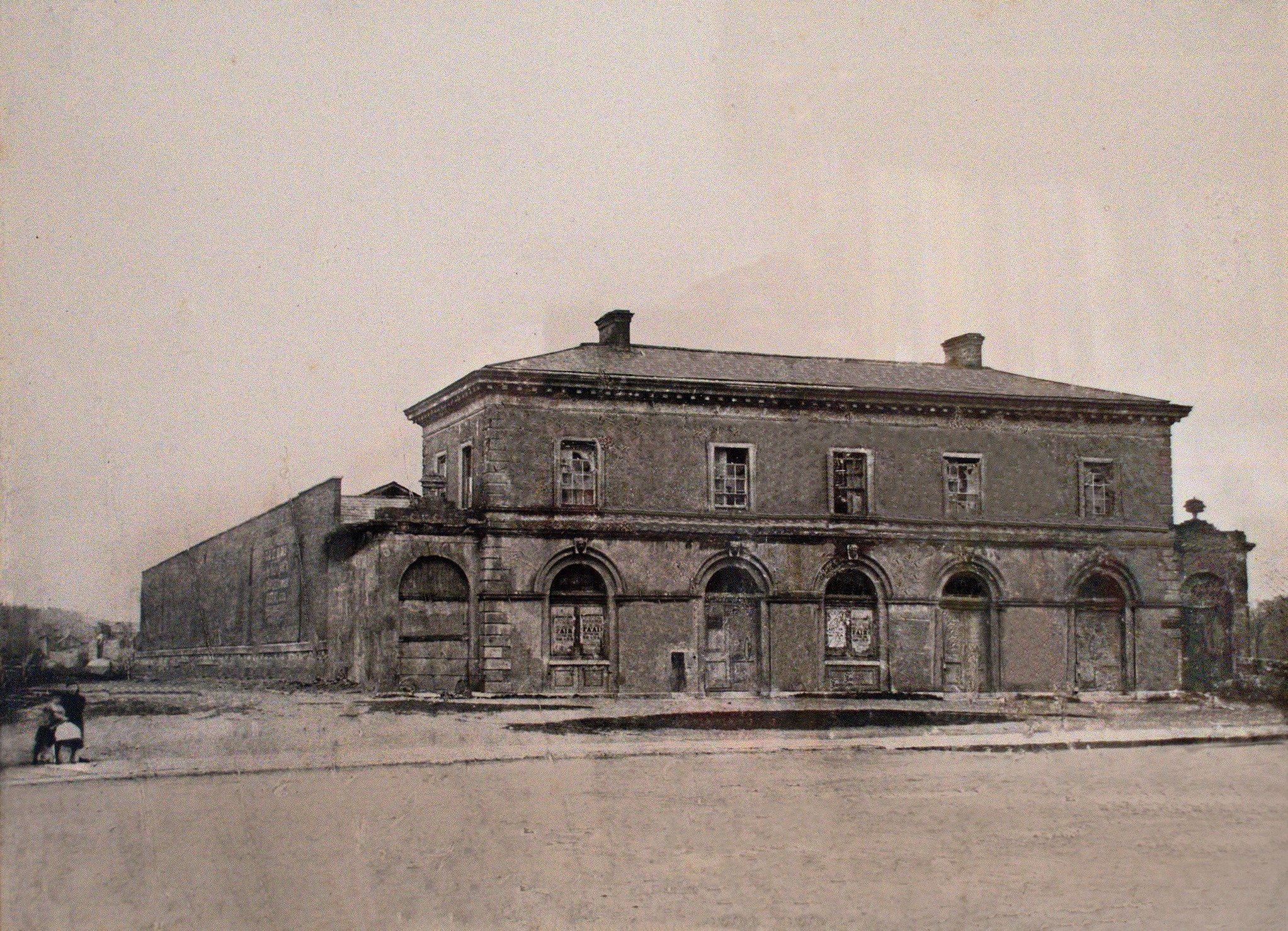
Publish and be damned time. I haven't saved any of the links for this stuff but it has all been gleaned off the interweb somewhere. Cork first station. Second Cork Station.
-
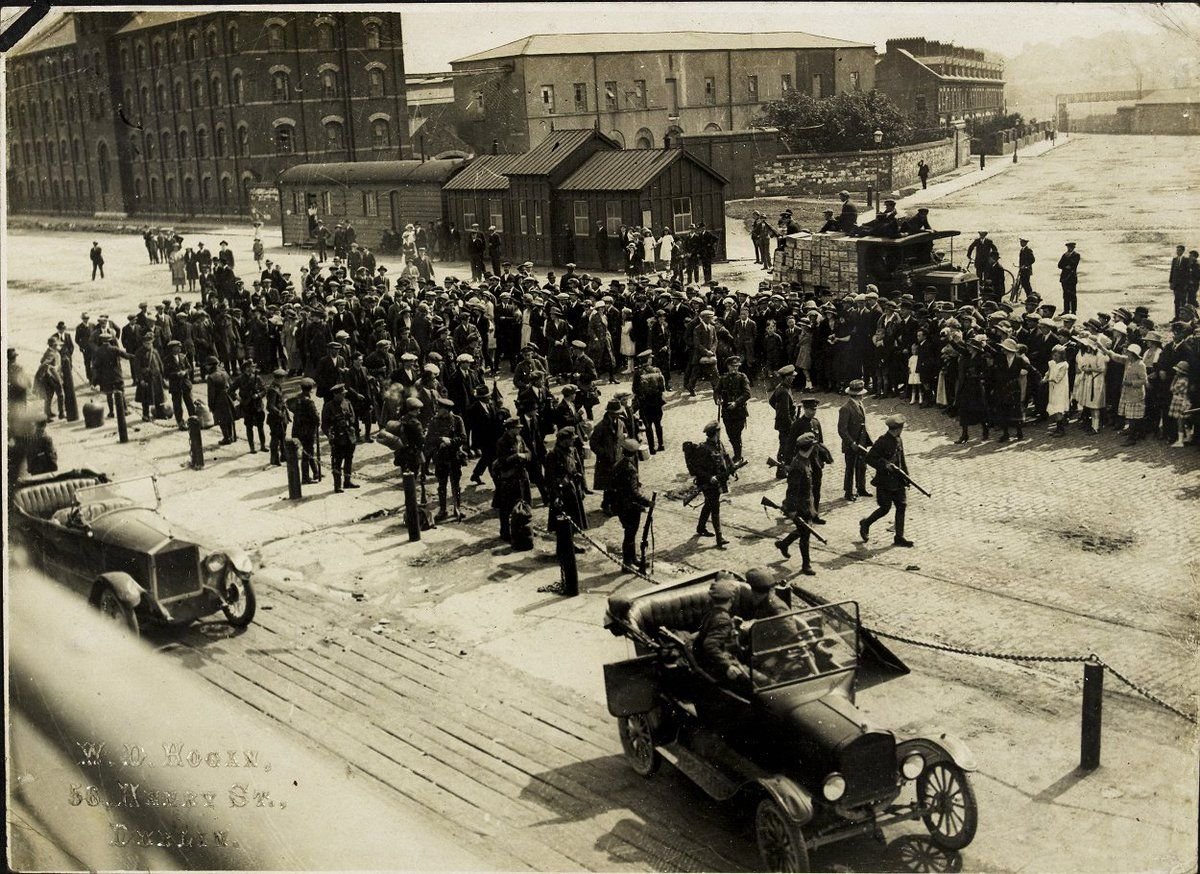
Not at home at the moment but there are large scale OS "Town Plans" (50 inch?) covering both termini and a nice view in the NLI collection of Passage in later days showing the remains of the BG station. Will dig them out when I get home. Also have, from Flickr I think, a couple of photos of what is said to be a bg CB&PR coach body. I believe several coaches were sold on to other lines so views "may" turn up one day.
-
The Cambrian pair look the "dogs wotsits", just the wrong scale...............
-
Thanks to some intel from seagoebox I found the source of the drawing I was after (and much more!). Locomotive Magazine August 15th 1904 Thank You. The IRM forum post still eludes me though............
-
My interest in the Newry, Warrenpoint and Rostrevor Railway's "Victoria" 2-2-2t has been reignited after the recent postings in the National Museum of Irelend thread, but I seem to recall a thread/posts recently where someone posted a drawing of this loco in a previous incarnation as a tender loco. I have completely failed to find said post, assuming it really exists and it is not just wishful thinking on my part. Could someone please point me in the right direction? Thanks in anticipation. Rob
-
Not forgetting the much clearer view of Victoria than that in the GNR loco book. Thank you.