.png.c363cdf5c3fb7955cd92a55eb6dbbae0.png)
GSWR 90
-
Posts
223 -
Joined
-
Last visited
-
Days Won
3
2 Followers

GSWR 90's Achievements






-
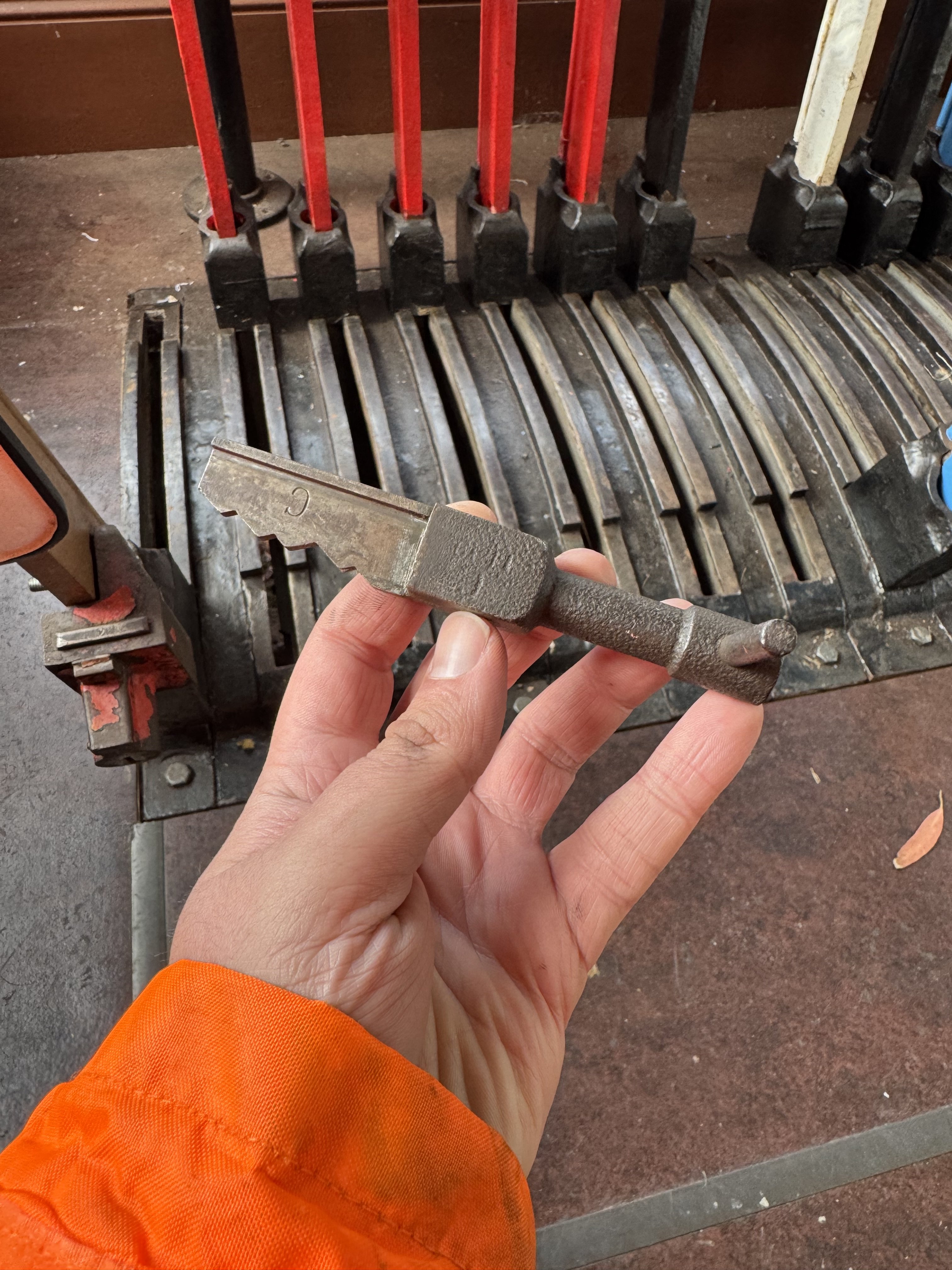
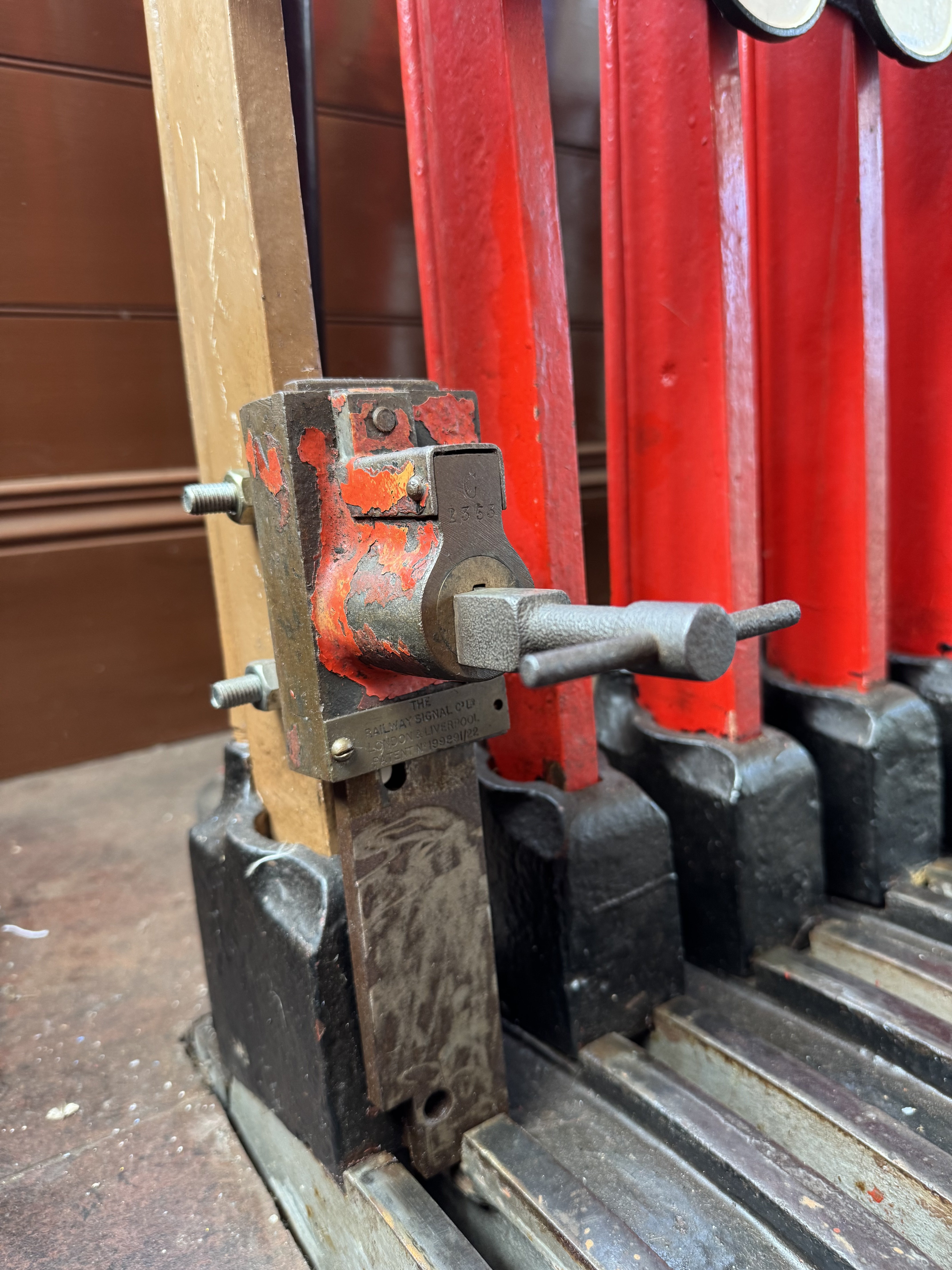
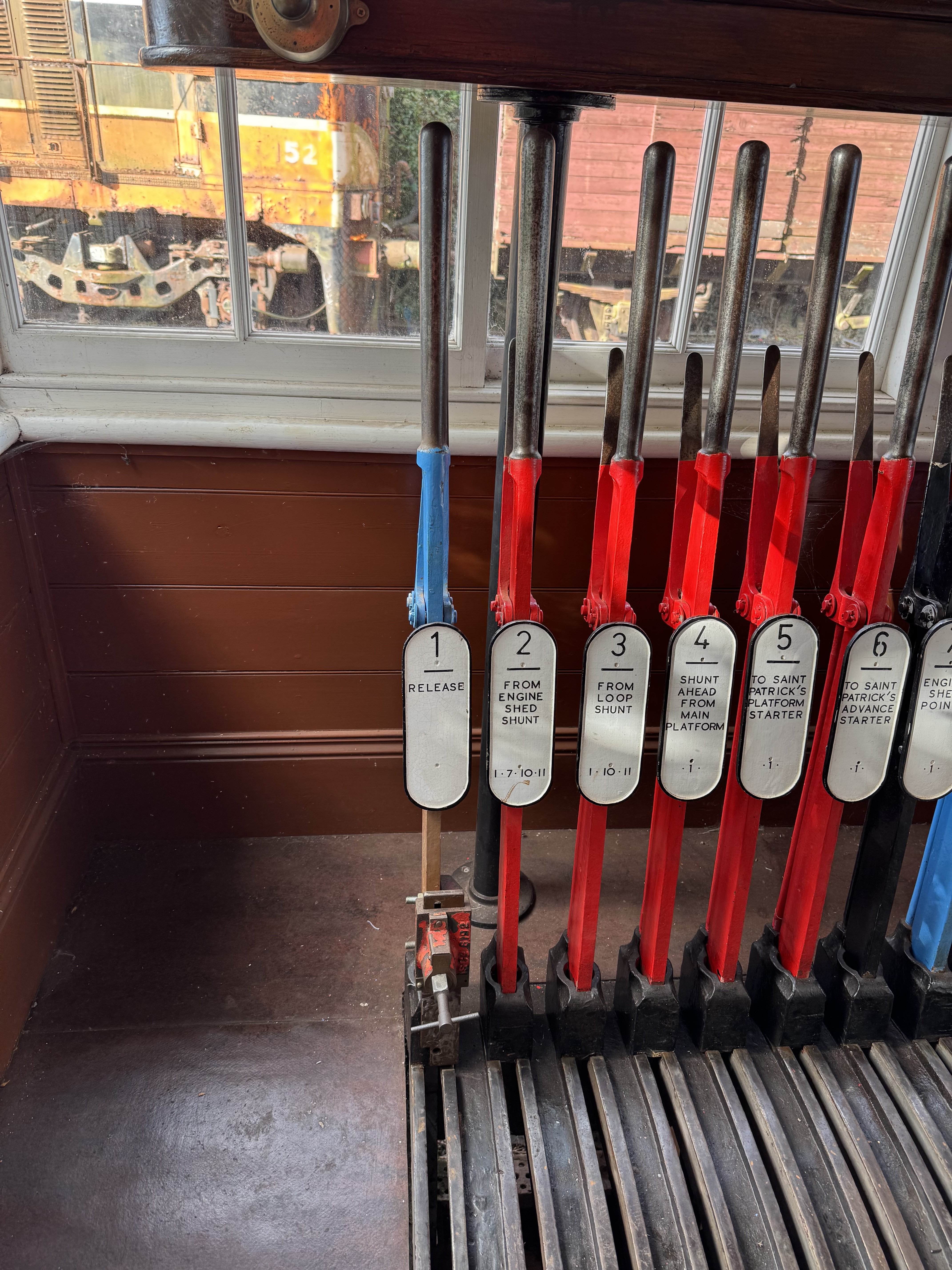
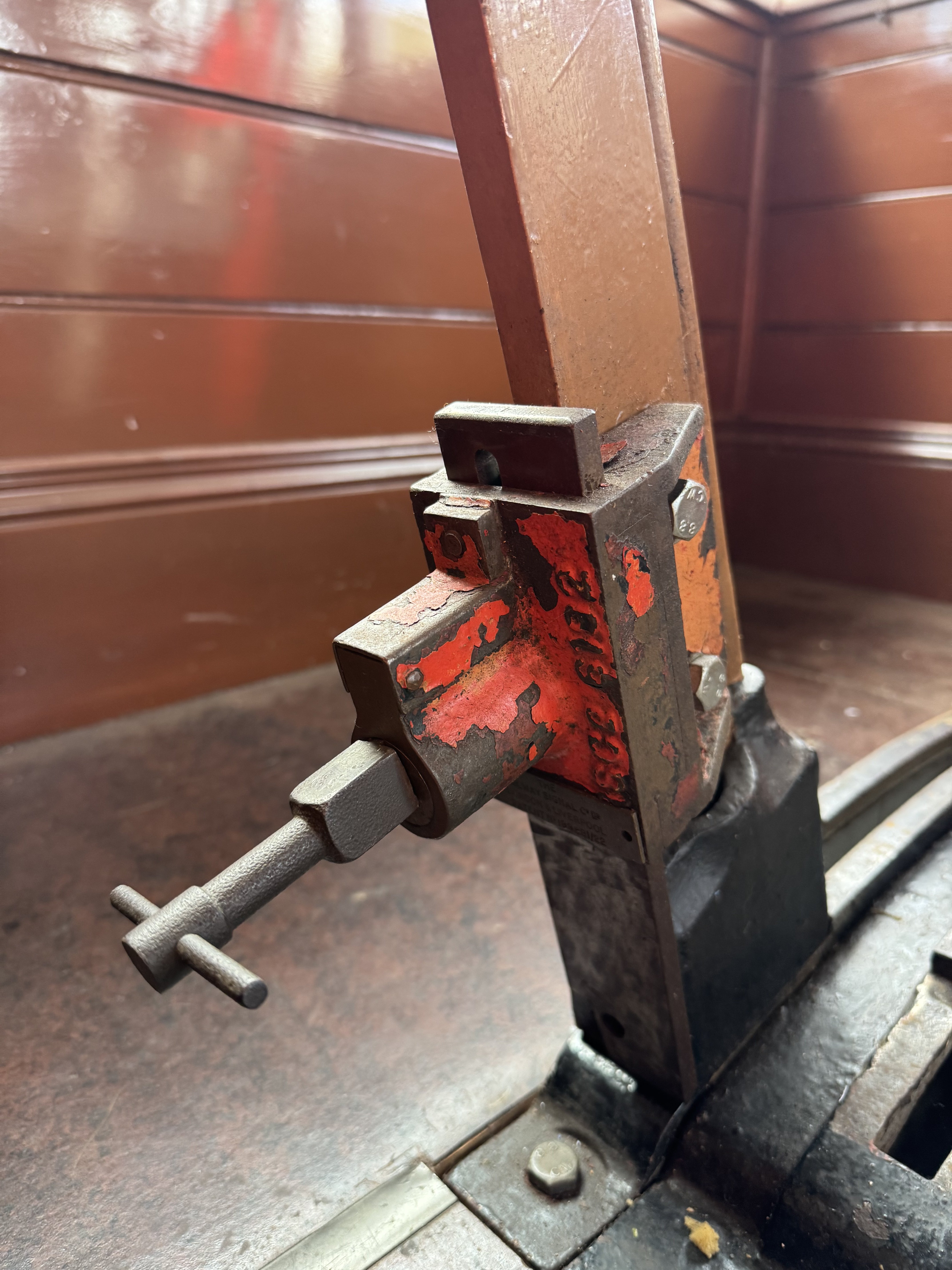
Here are some photos of the lock and key in Downpatrick East cabin. It’s an ex-GNR one; it operates a bar which slides down into a slot in the frame, locking the lever into the normalised position. This lever unlocks all the other levers, meaning that the cabin can only be operated when you have the key. I assume it came off a ground frame.

-
Some lever frames have a small lock at the bottom of the first lever to stop the frame being operated. It looks like a key for one of those locks
-

Brass etches for Mol's GSWR 50ft GSWR third - ORDERING NOW!
GSWR 90 replied to jhb171achill's topic in Irish Models
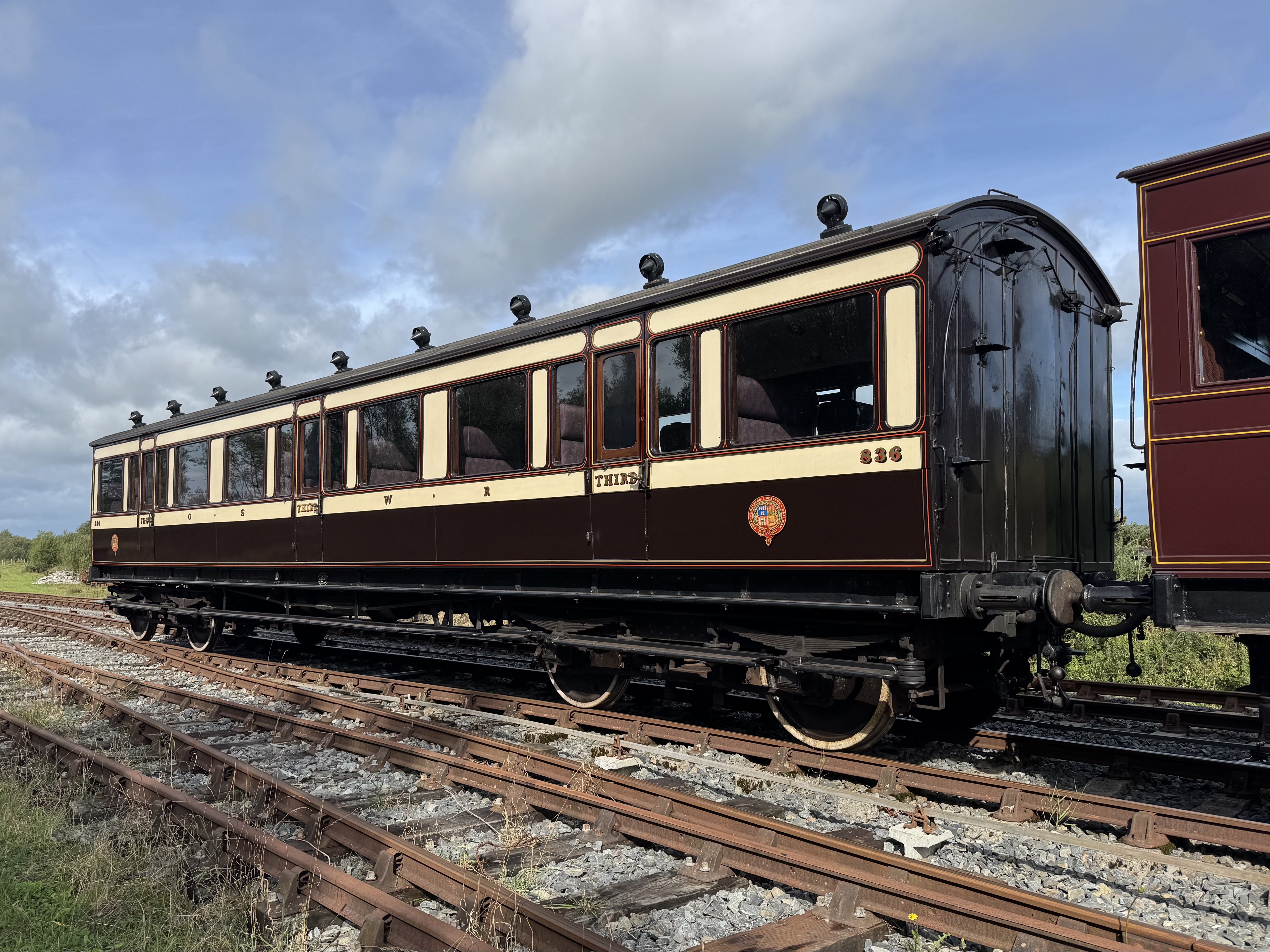
This is what 836 currently looks like
-
National Museum of Ireland, railway collection
GSWR 90 replied to cheesy_peas's topic in General Chat
Interesting it’s marked 0-1-2-3 – positions for when the valves in the regulator are open? -
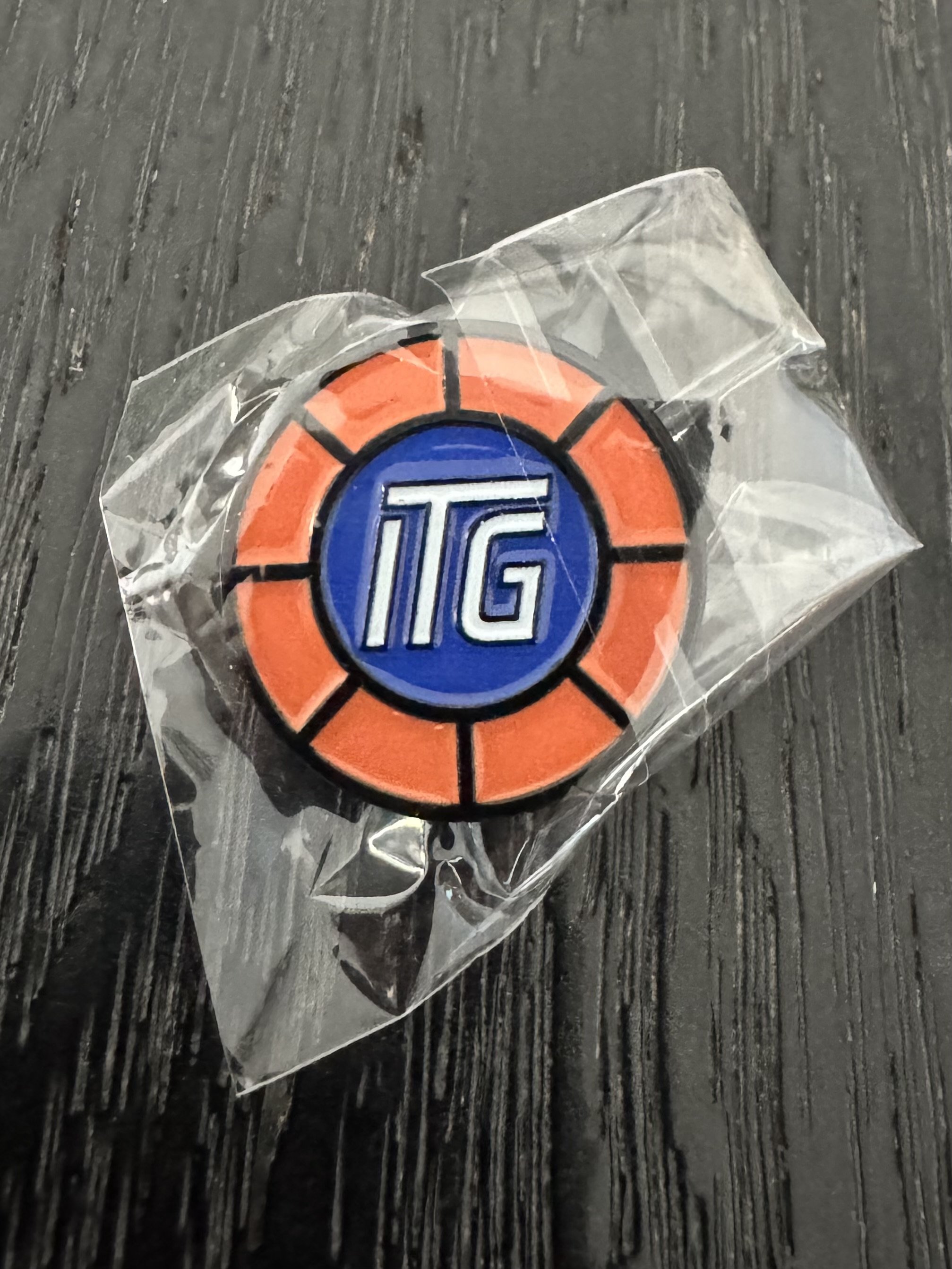
Thank you all for your support at the weekend. If anyone is still interested in buying an ITG badge (there aren't many left), please send me a PM.
-
Rumour has it that if you ask the guard very nicely, he’ll sell you one of these enamel badges – all funds are donated to the ITG
-
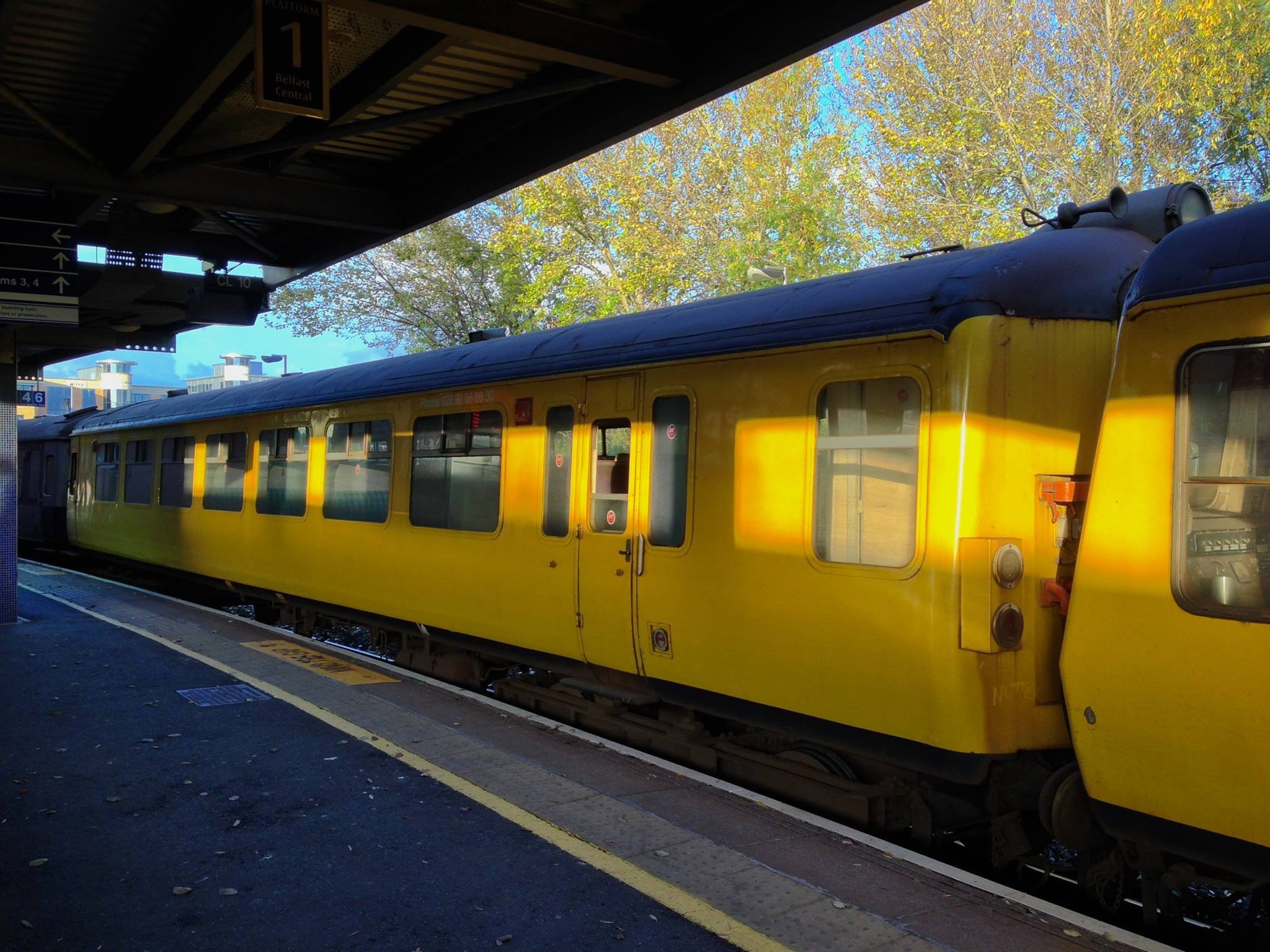
NIR Mk2 coaches and 80 Class Intermediate Trailer Conversions
GSWR 90 replied to PaulMac's topic in Irish Models
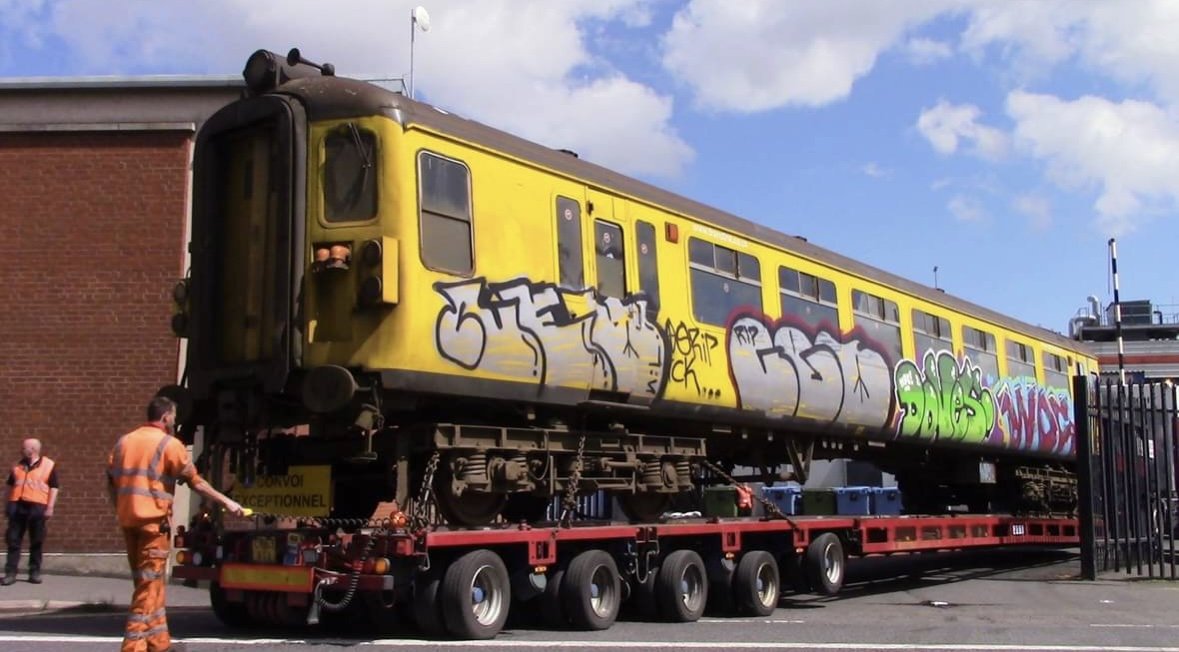
752 is preserved at the Downpatrick and County Down Railway. It was bought to replace 80 class driving trailers 741 (withdrawn September 1979 after firebombing at Finaghy) and 747 (withdrawn May 1979 after fire at Crumlin)
-
As long as there’s a Westrail red version
-
And, of course, re-engined C231 in green
-
Shell/BP had a Planet which is at the RPSI’s museum at Whitehead https://www.steamtrainsireland.com/rpsi-collection/13/no23
-
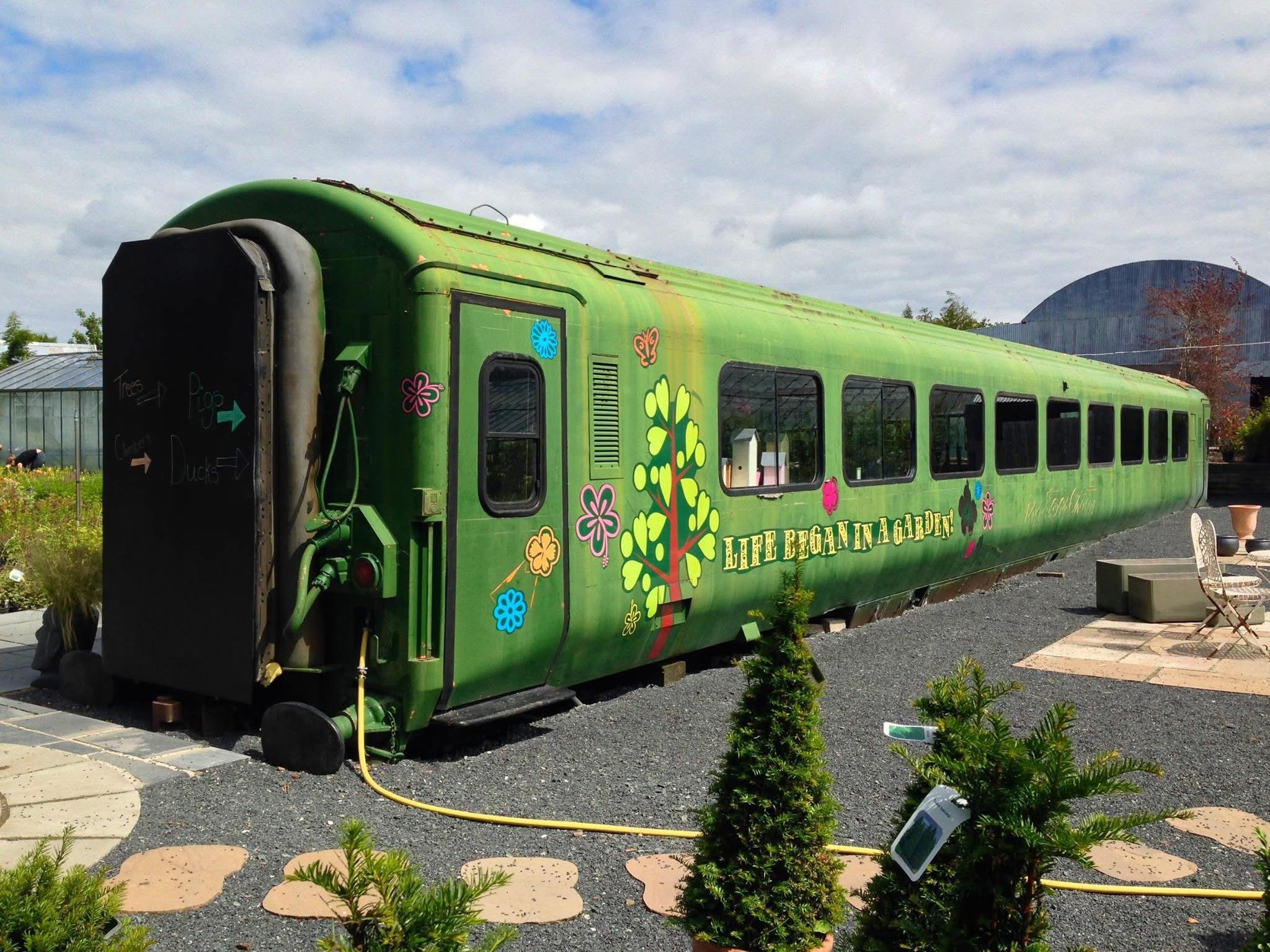
I saw it in 2014/15, and the inside had a carpet of moss even back then
-
I wonder what the stickers in the window of the coach are for? Non-smoking?
-
As I have said elsewhere on this forum, everyone wants a Severn Valley Railway in their back garden, but very few are willing to do anything about it. Unfortunately from my experience, it is often left to a small number of people to put their money where their mouth is and actually donate/volunteer. This stunts the preservation scene in Ireland and puts an excessive strain on the people who actually do the work. I am always amazed by the number of people who say that they can't volunteer at Downpatrick because they live half an hour away, or they can't visit because it's two hours up the road. Compare with the number of volunteers we have who come up from Belfast, Dublin, Cork, Derry, Kildare, etc. and keep coming back because they enjoy themselves. The most difficult part is putting in the effort to make the jump and come down the first time – if you're interested in volunteering with DCDR, even online, send me a PM. The secret sauce has two ingredients: genuine interest and a willingness to make an effort. It's appalling that we have such a rich culture – language, music, dance, sport, history, mythology, on top of our unique railway history – that so many neglect and take for granted. I appreciate that we can't all contribute to all of them, but if we all played our part in one or two it would make a massive difference.
- 89 replies
-
- 5
-

-
- west clare
- narrow gauge
- (and 2 more)
-
The MGWR six-wheelers eg at Downpatrick and Whitehead have hooks on the side for horse shunting
- 89 replies
-
- 2
-
-

-
- west clare
- narrow gauge
- (and 2 more)
-
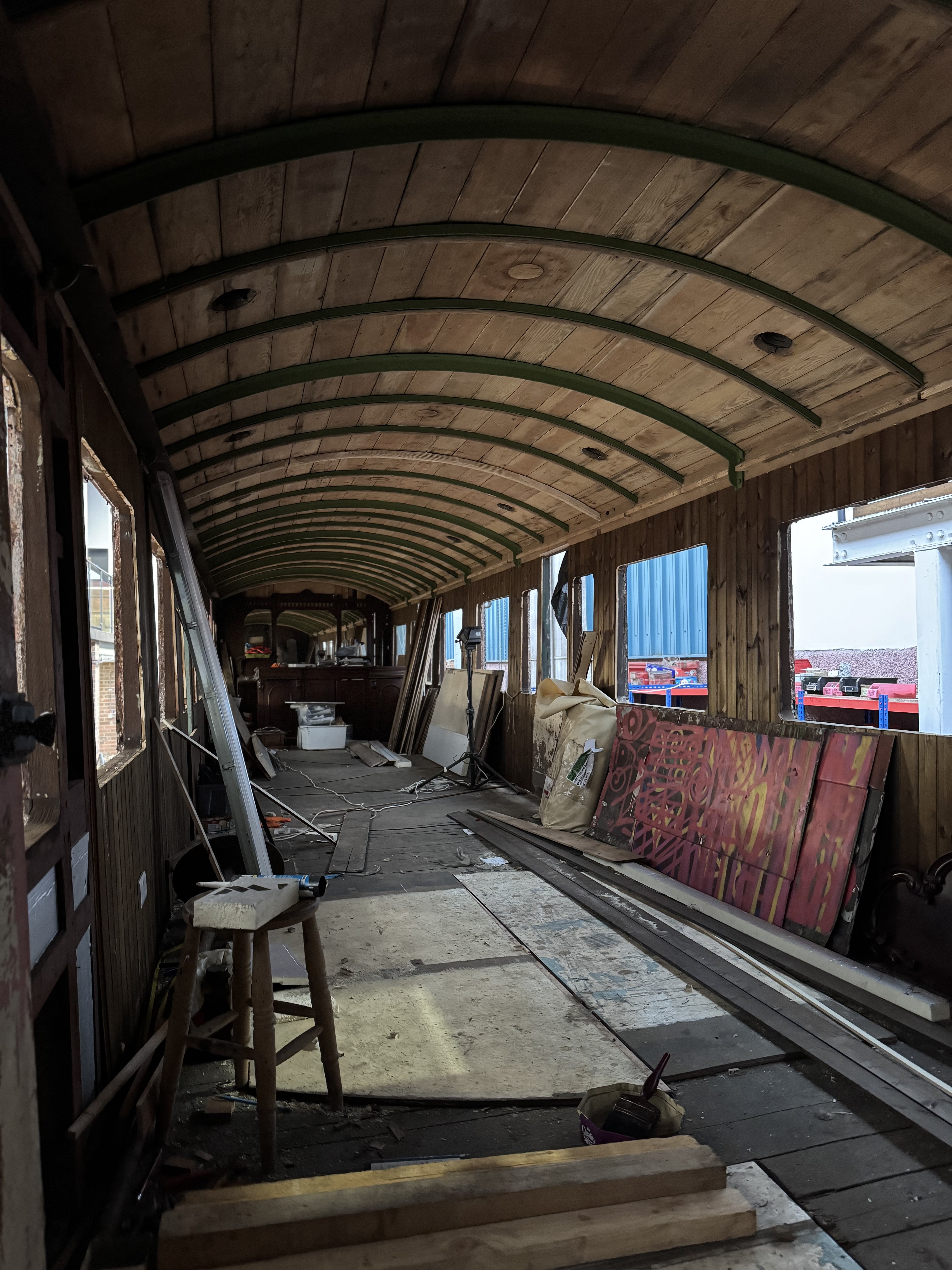
This is the inside – I think the far end is going to be a buffet counter, apparently they plan to turn it into a café