.png.c363cdf5c3fb7955cd92a55eb6dbbae0.png)
GSWR 90
-
Posts
224 -
Joined
-
Last visited
-
Days Won
3
Content Type
Profiles
Forums
Events
Gallery
Blogs
Everything posted by GSWR 90
-
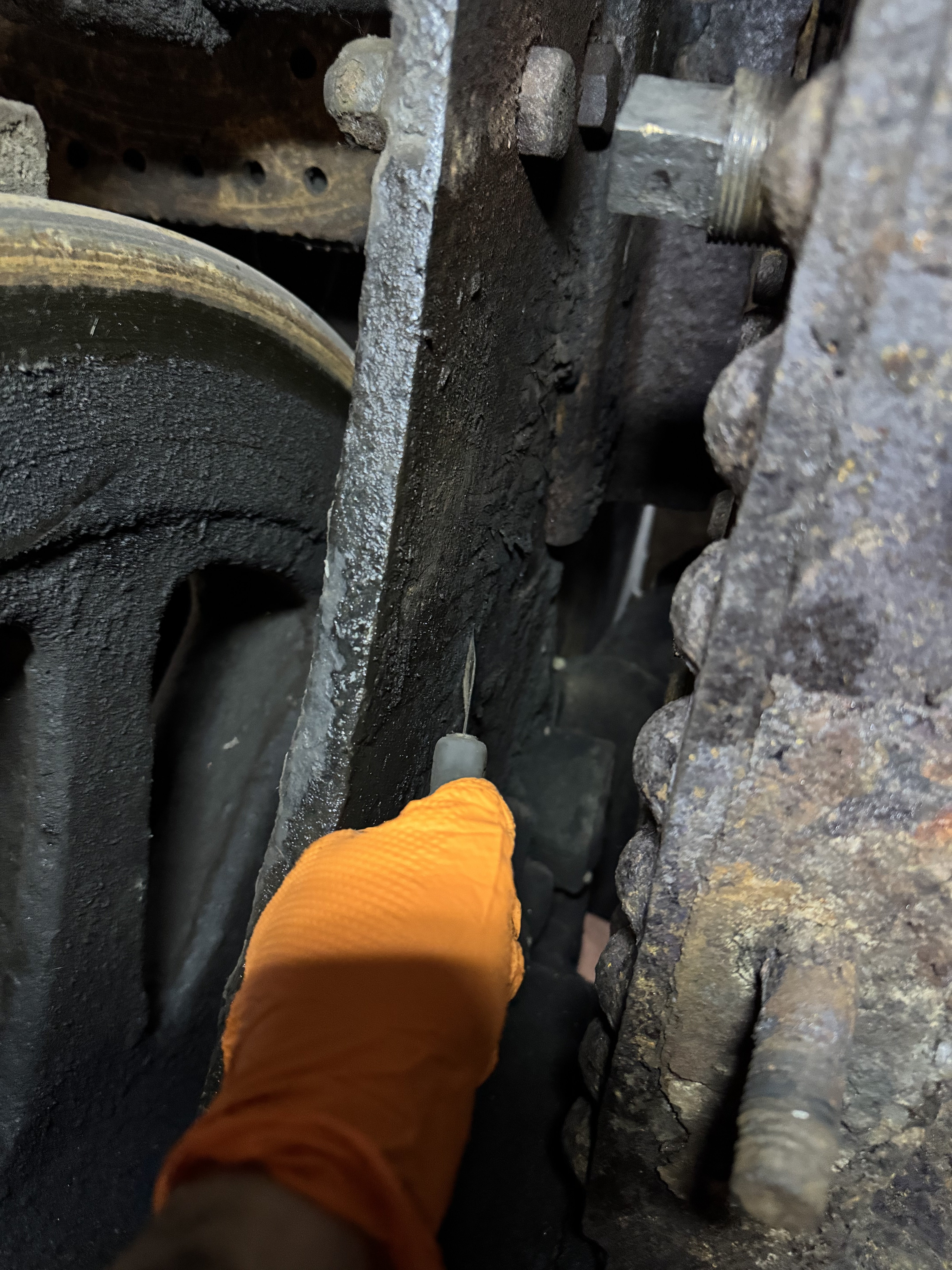
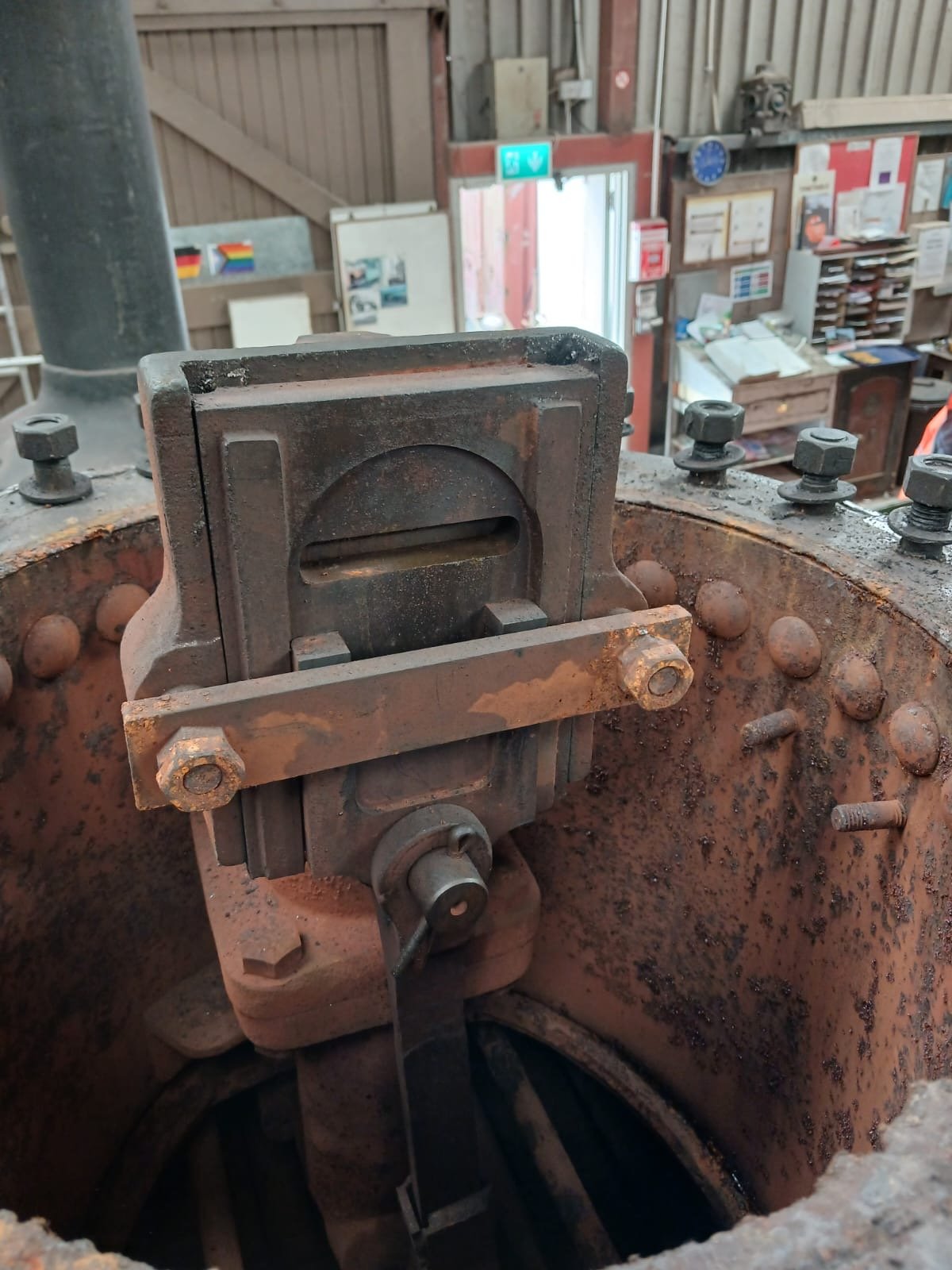
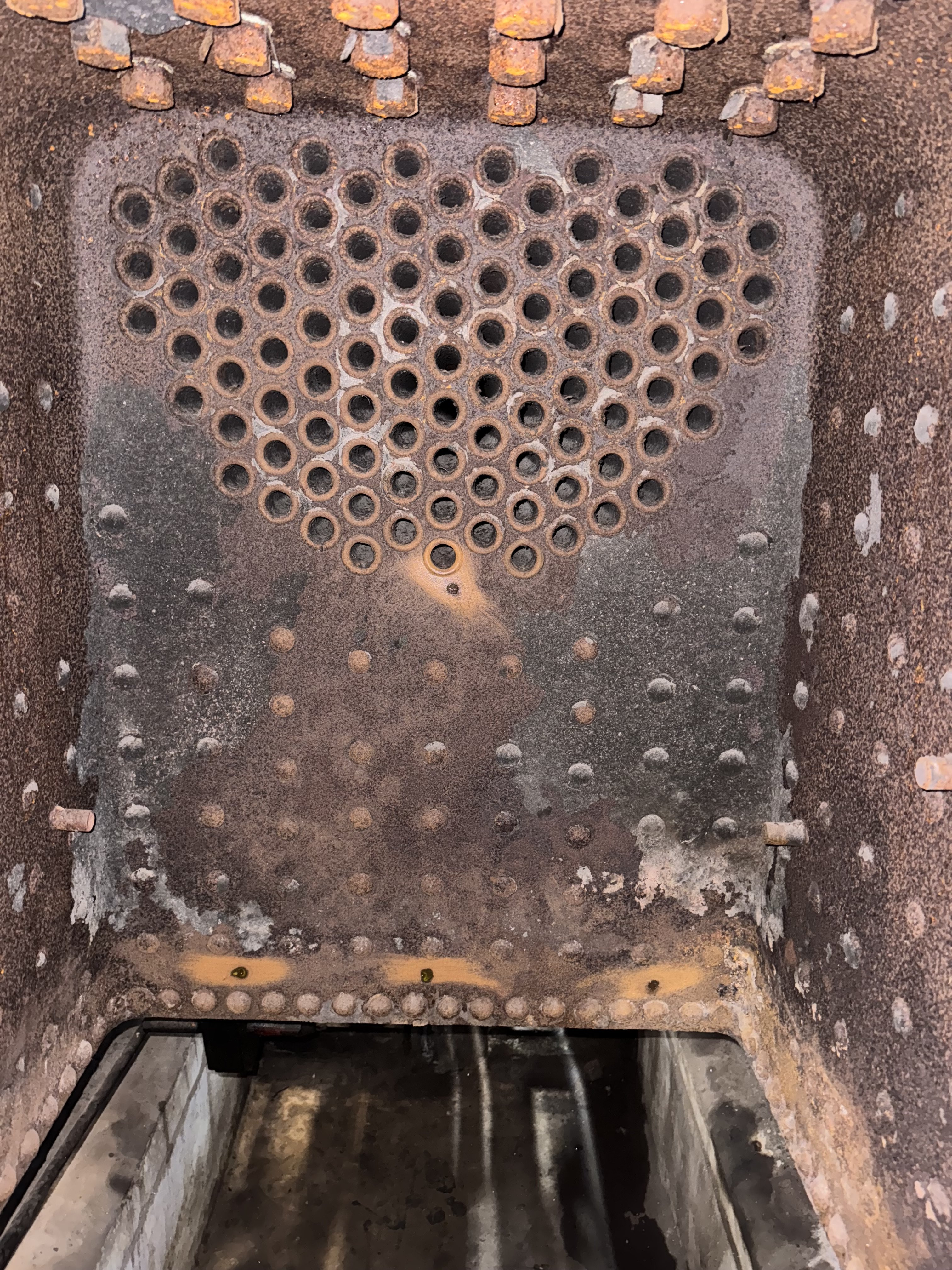
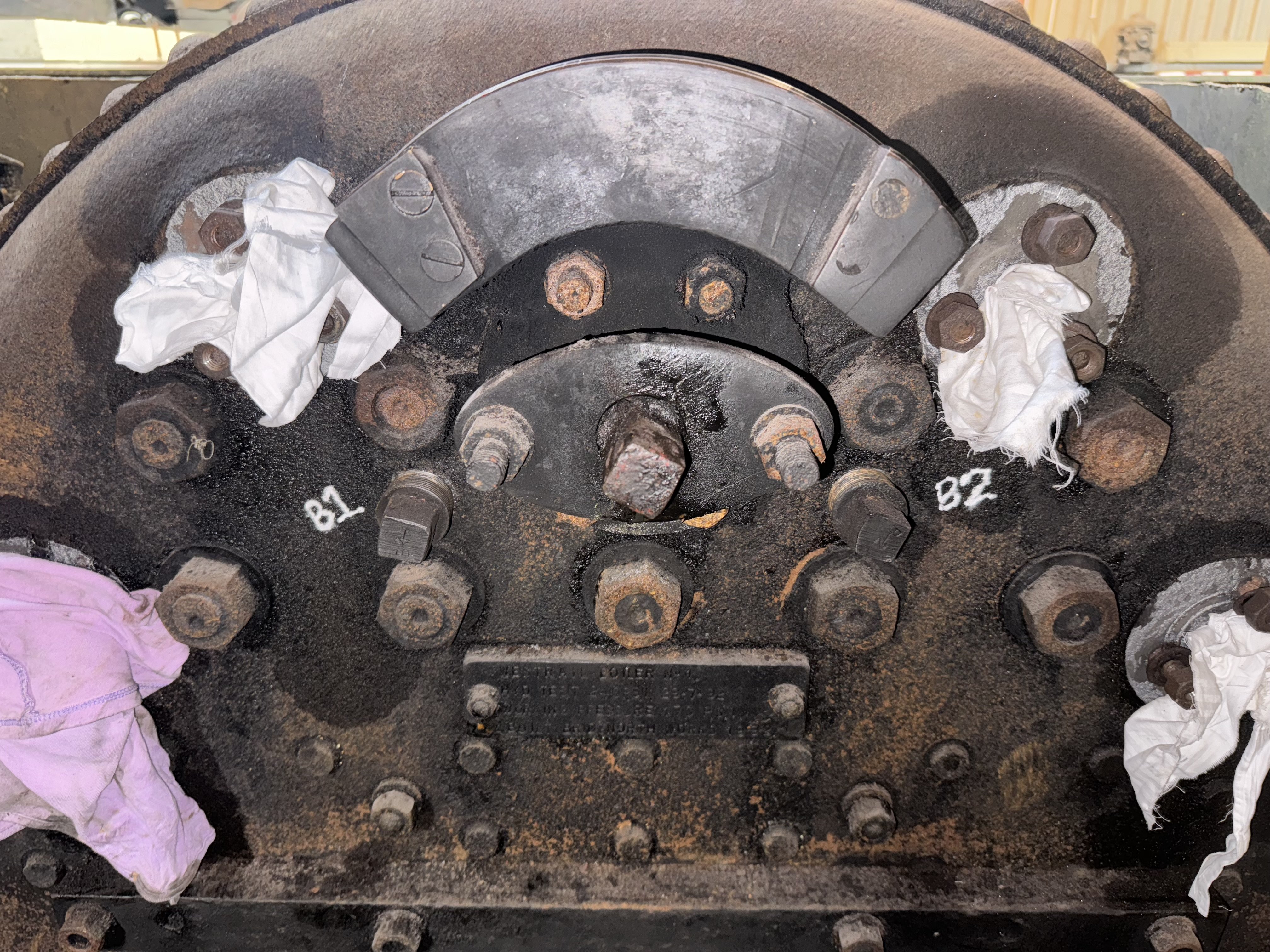
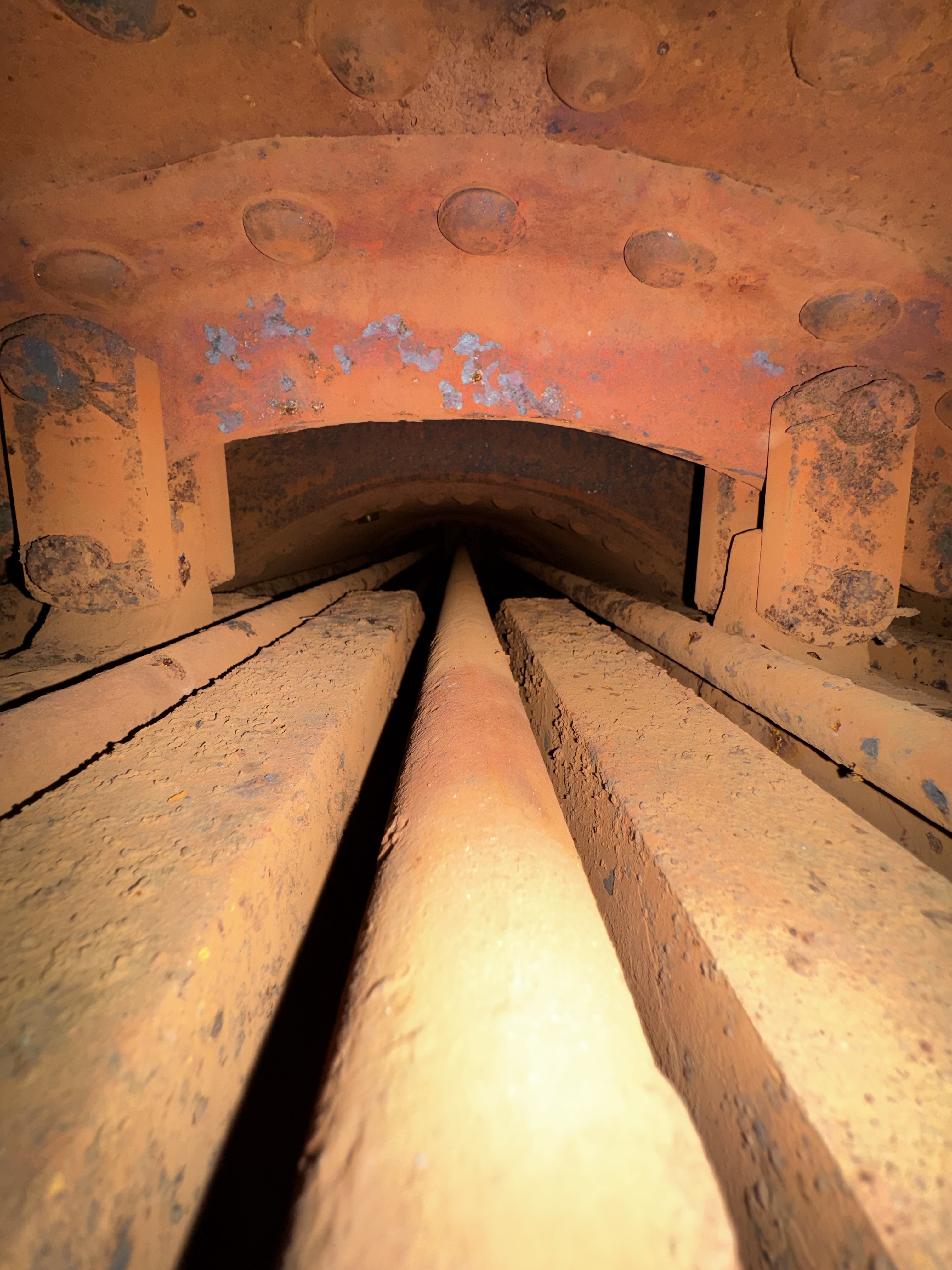
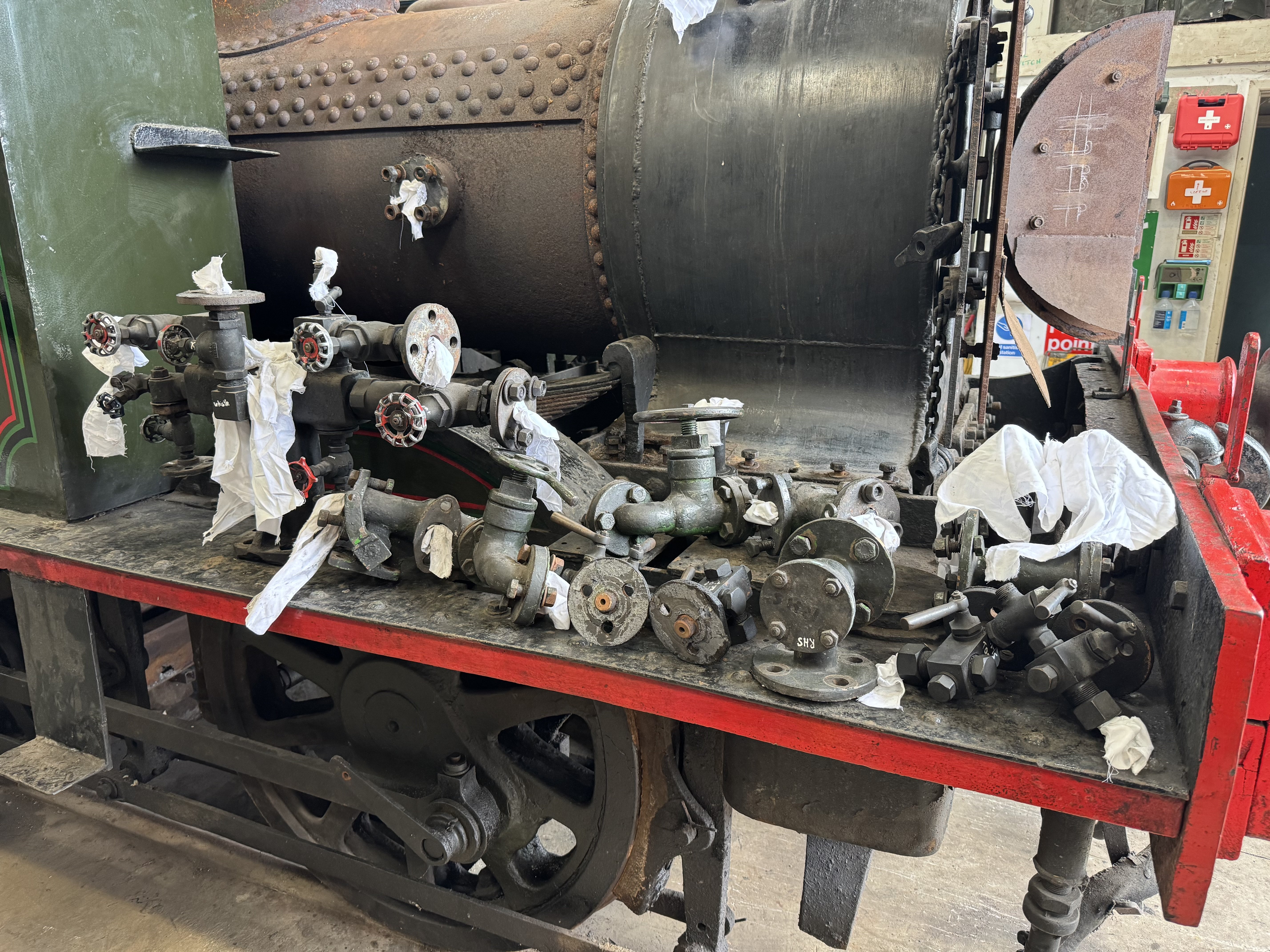
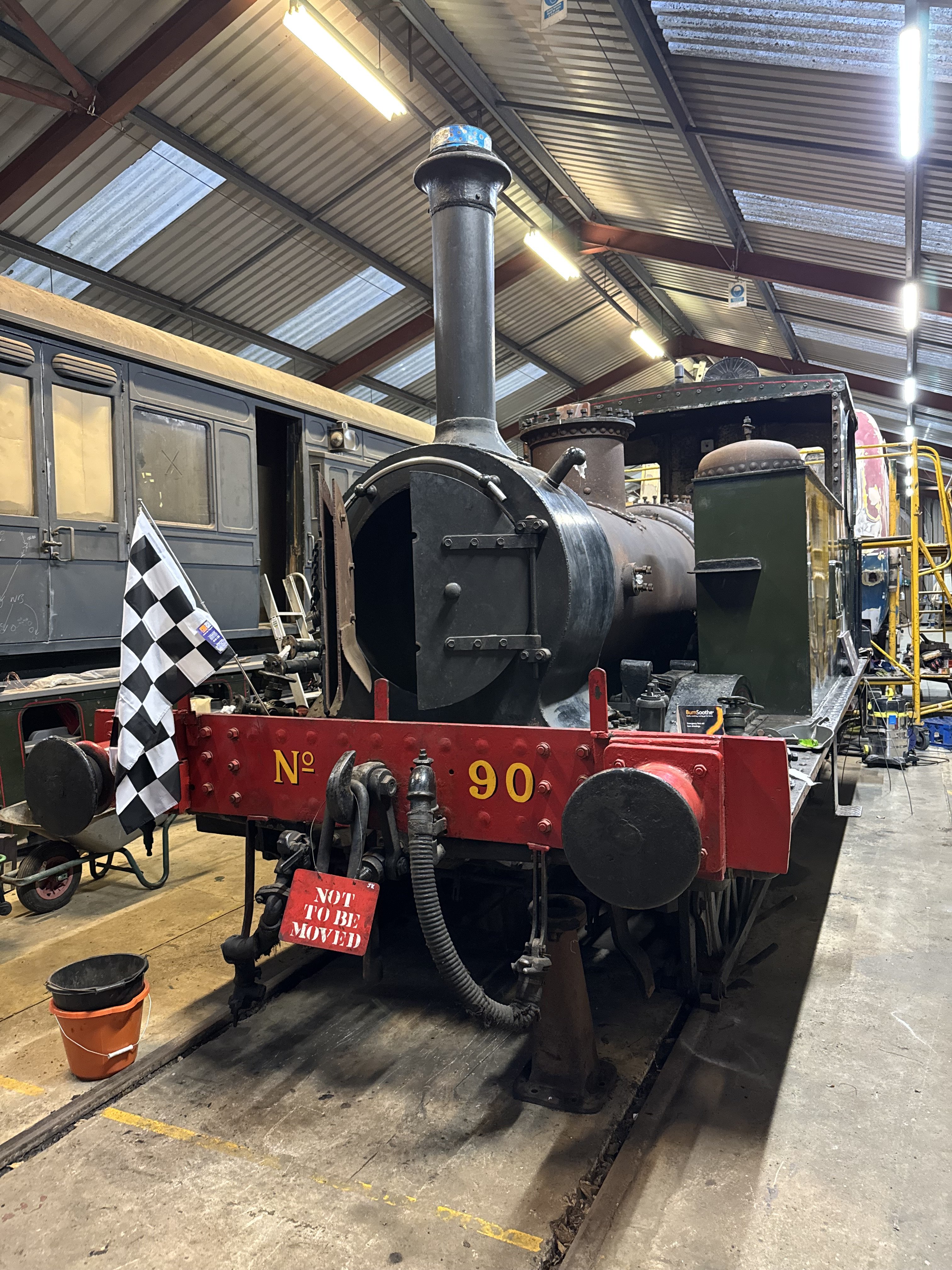
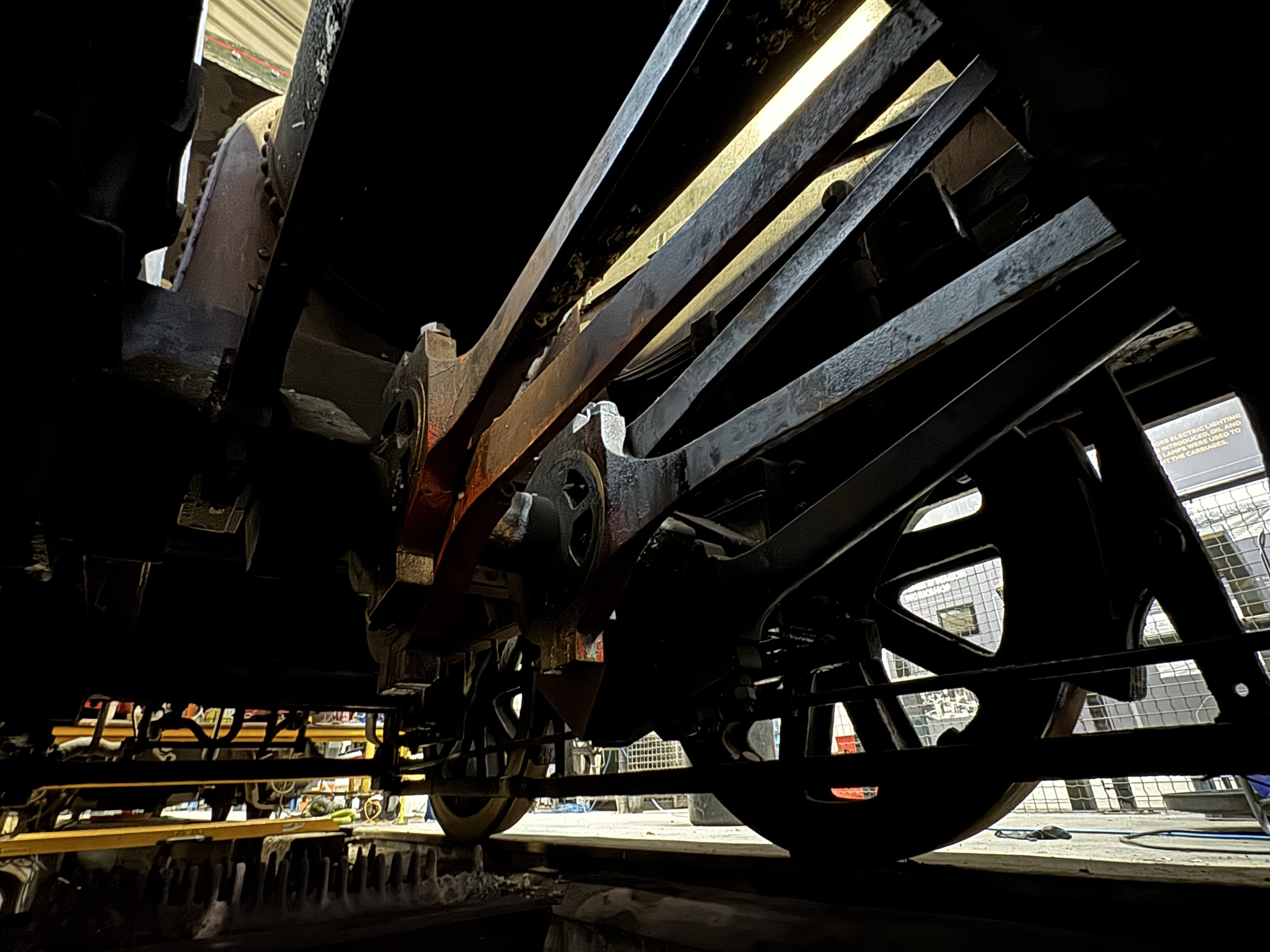
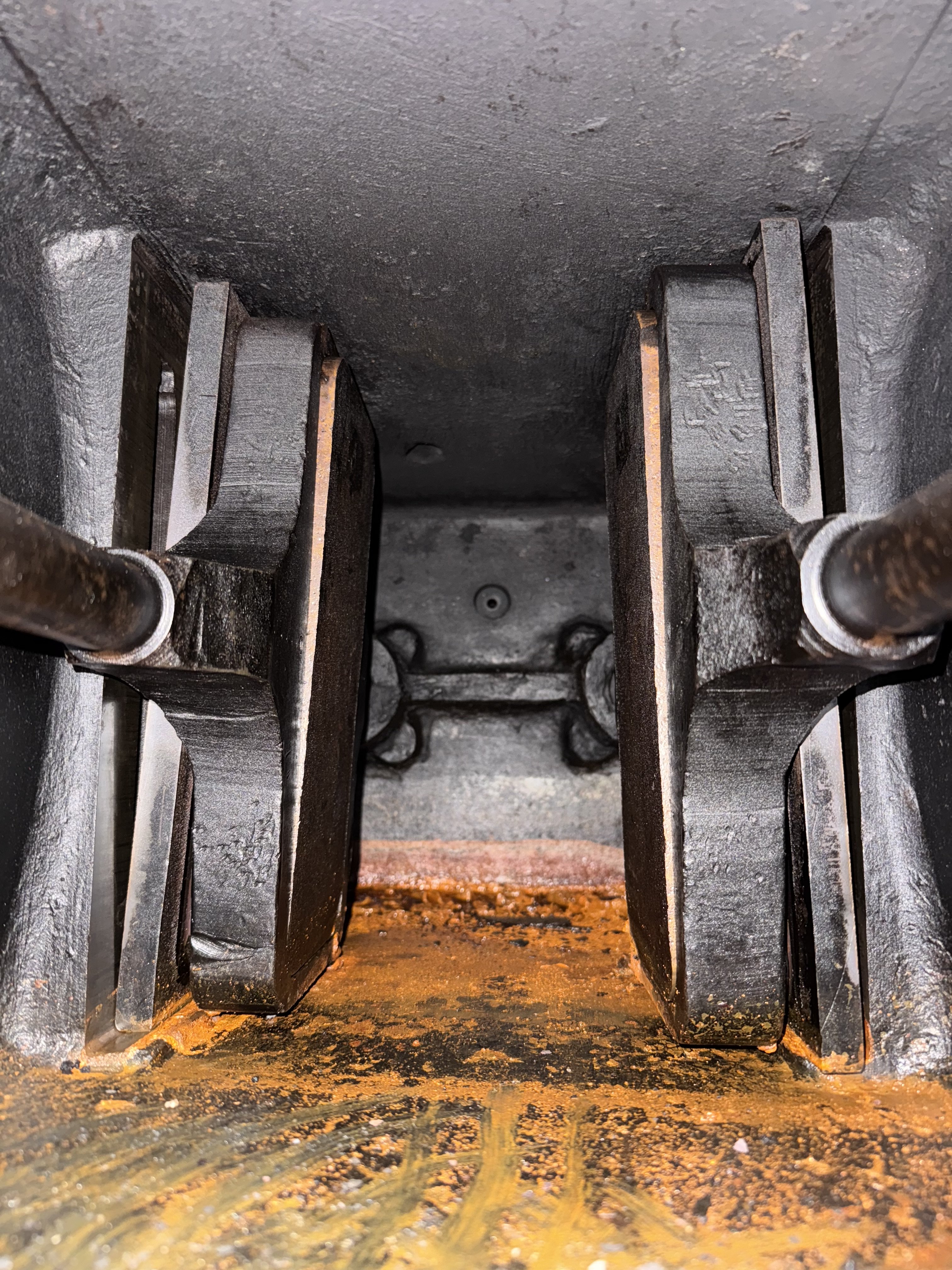
A lot of work over the past few months. Initial examination from the boiler inspector, valve cover off, bolts out of smokebox, frames scraped, valve gear played with, regulator freed up, and more to come…

- 111 replies
-
- 15
-

-

-
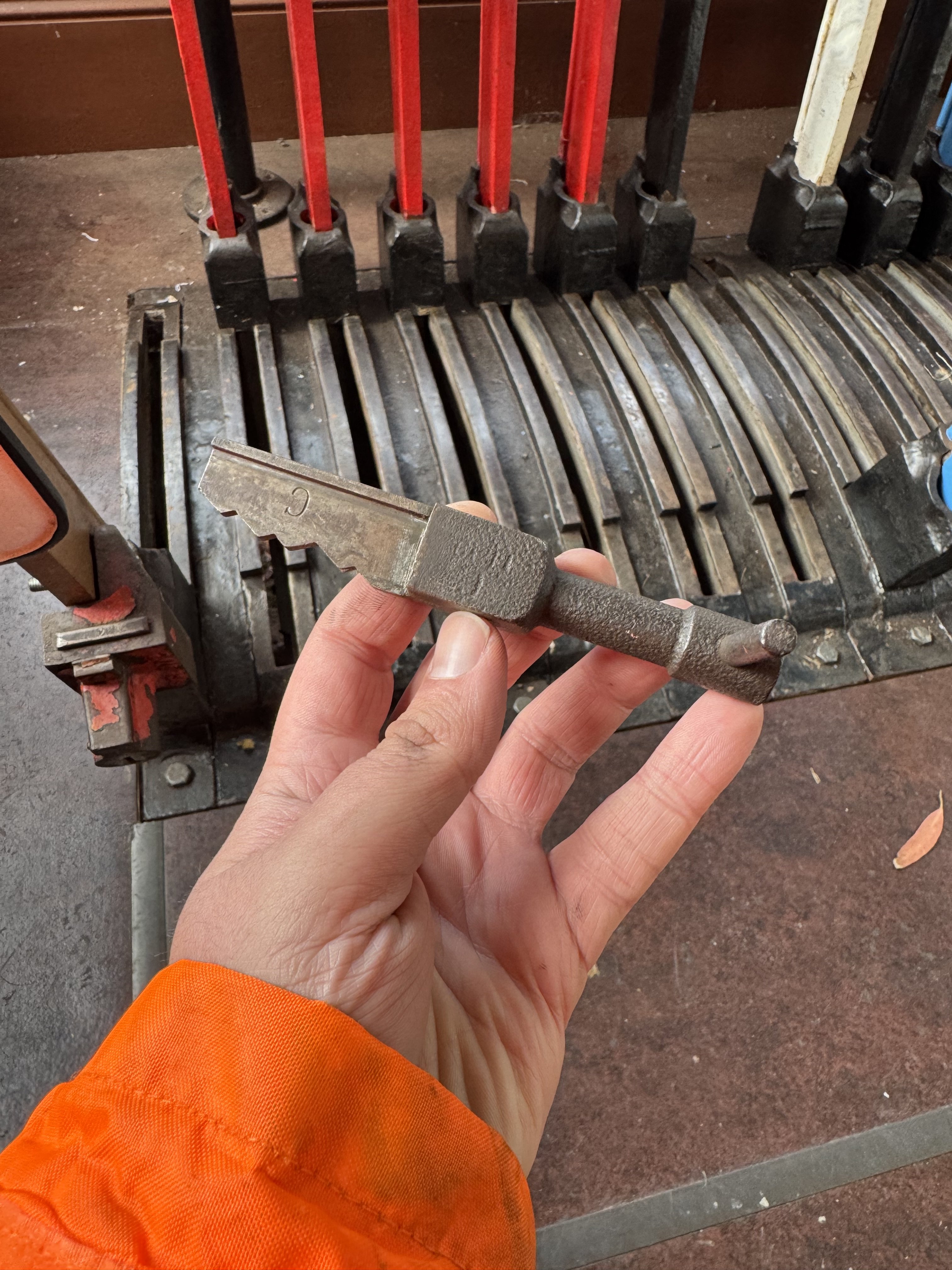
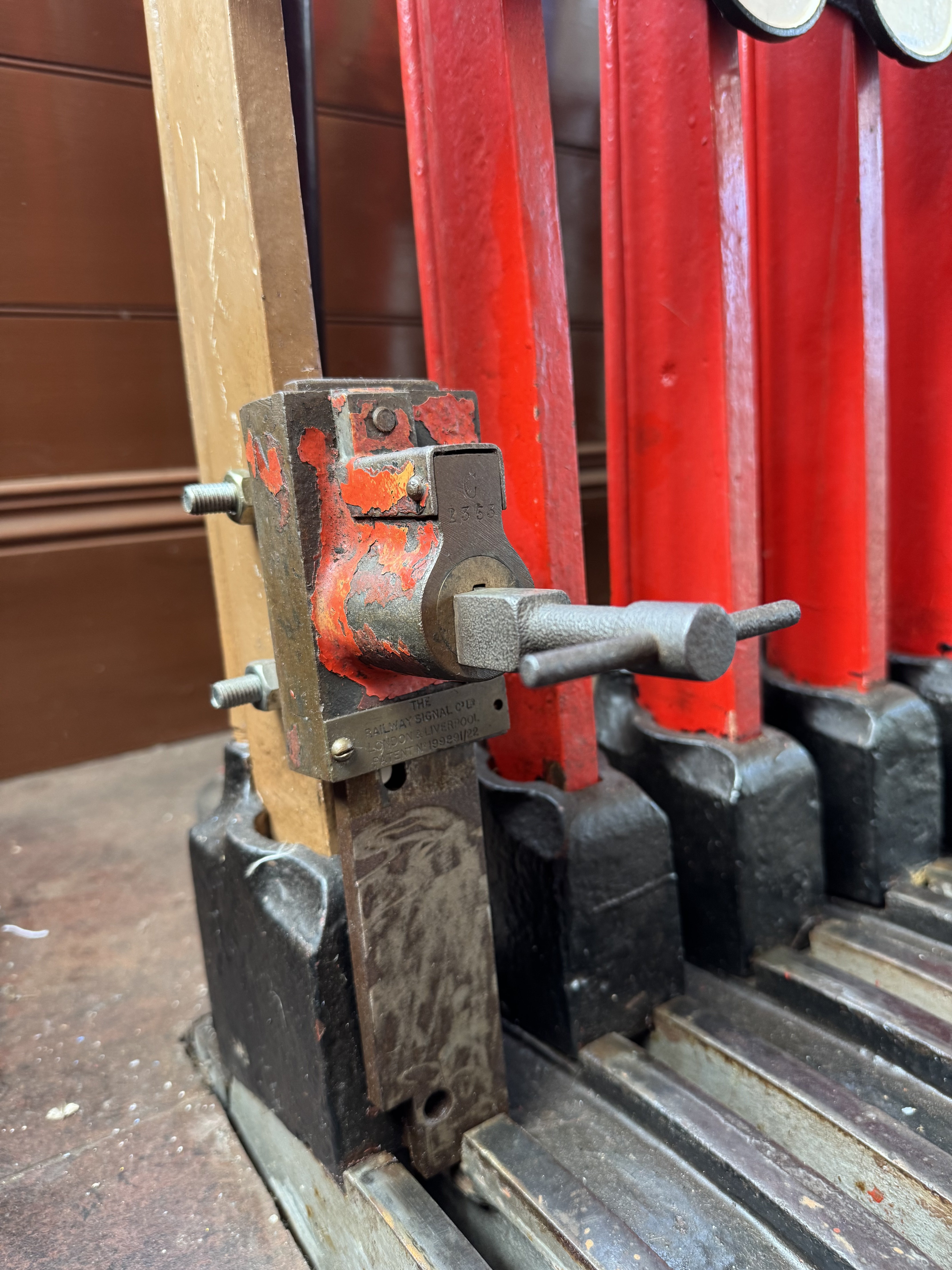
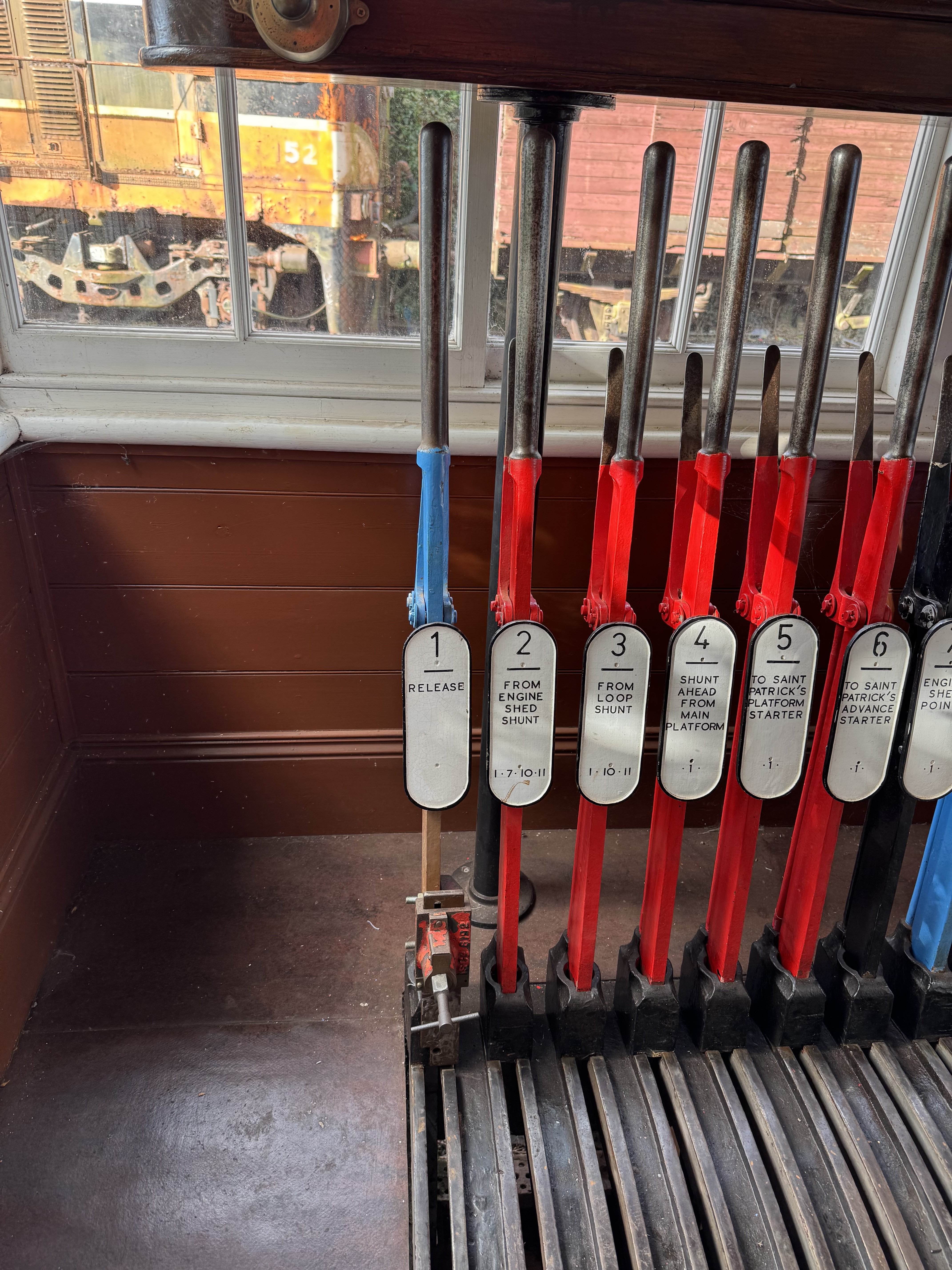
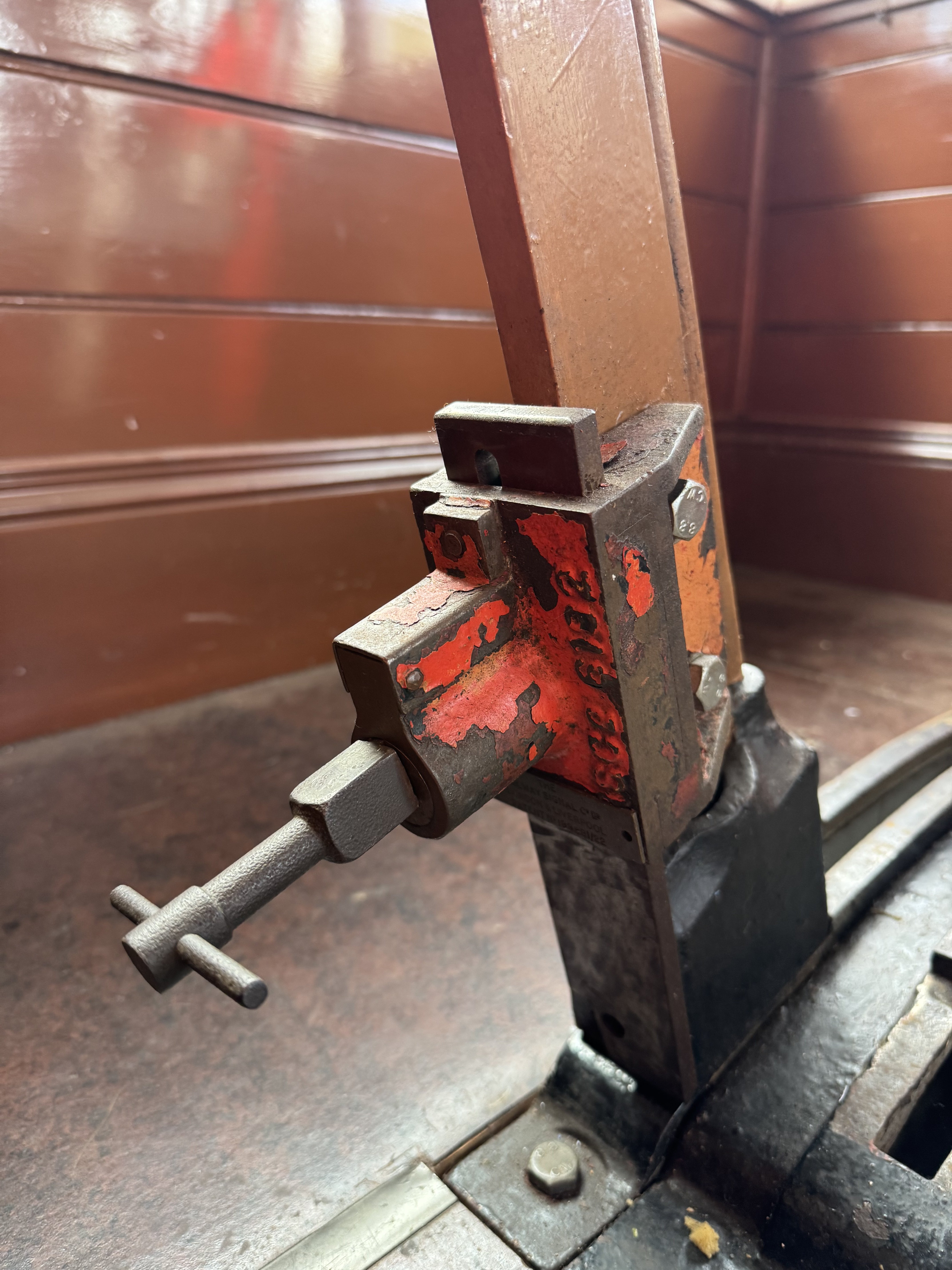
Here are some photos of the lock and key in Downpatrick East cabin. It’s an ex-GNR one; it operates a bar which slides down into a slot in the frame, locking the lever into the normalised position. This lever unlocks all the other levers, meaning that the cabin can only be operated when you have the key. I assume it came off a ground frame.
-
Some lever frames have a small lock at the bottom of the first lever to stop the frame being operated. It looks like a key for one of those locks
-

Brass etches for Mol's GSWR 50ft GSWR third - ORDERING NOW!
GSWR 90 replied to jhb171achill's topic in Irish Models
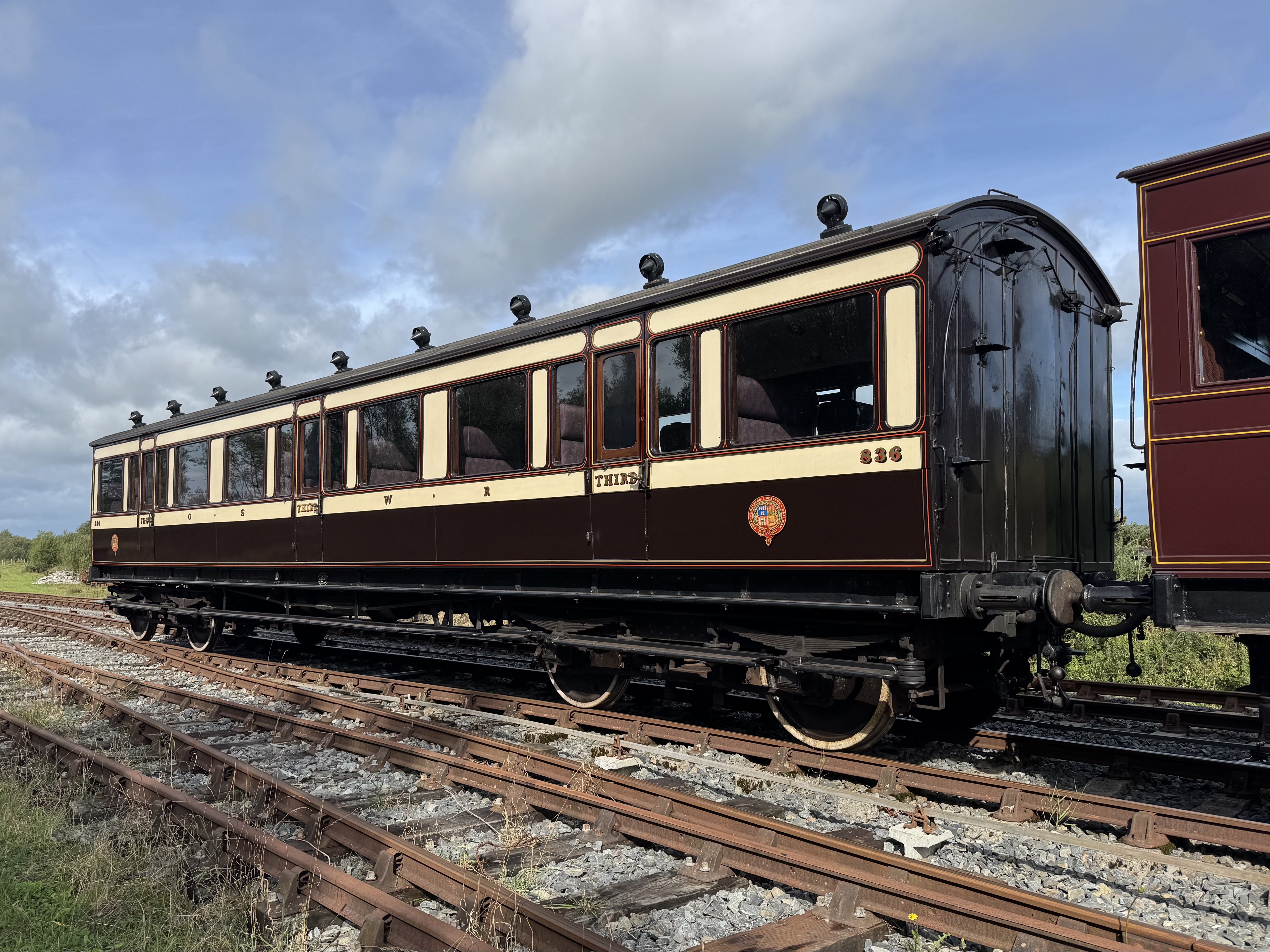
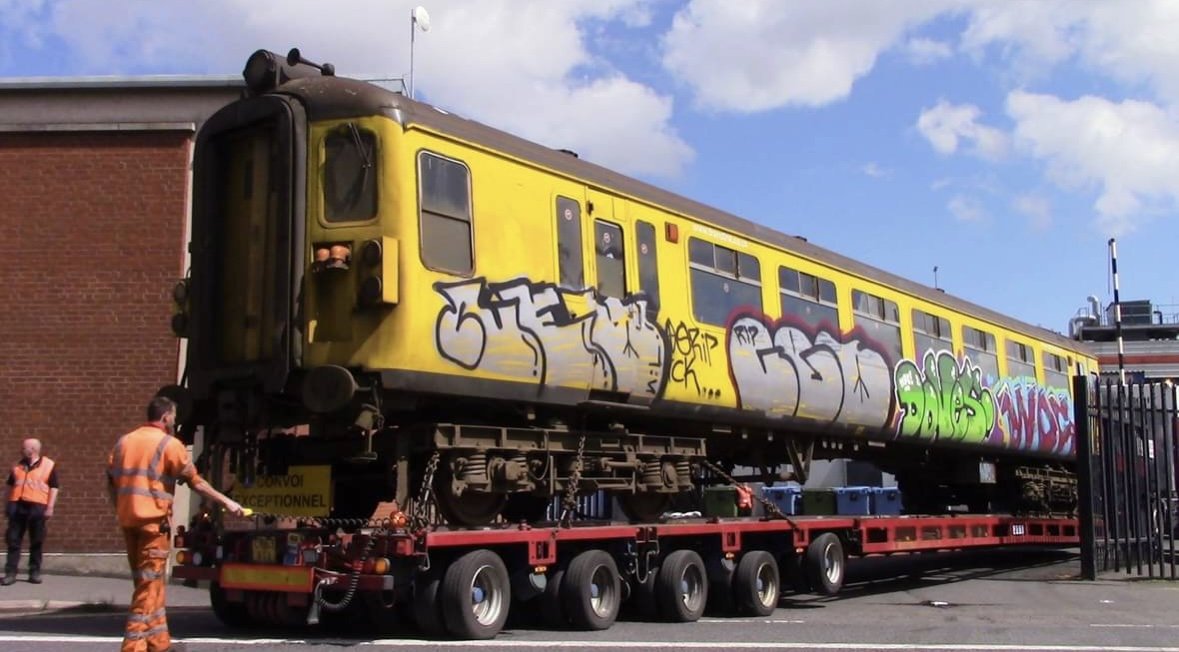
This is what 836 currently looks like
-
National Museum of Ireland, railway collection
GSWR 90 replied to cheesy_peas's topic in General Chat
Interesting it’s marked 0-1-2-3 – positions for when the valves in the regulator are open? -
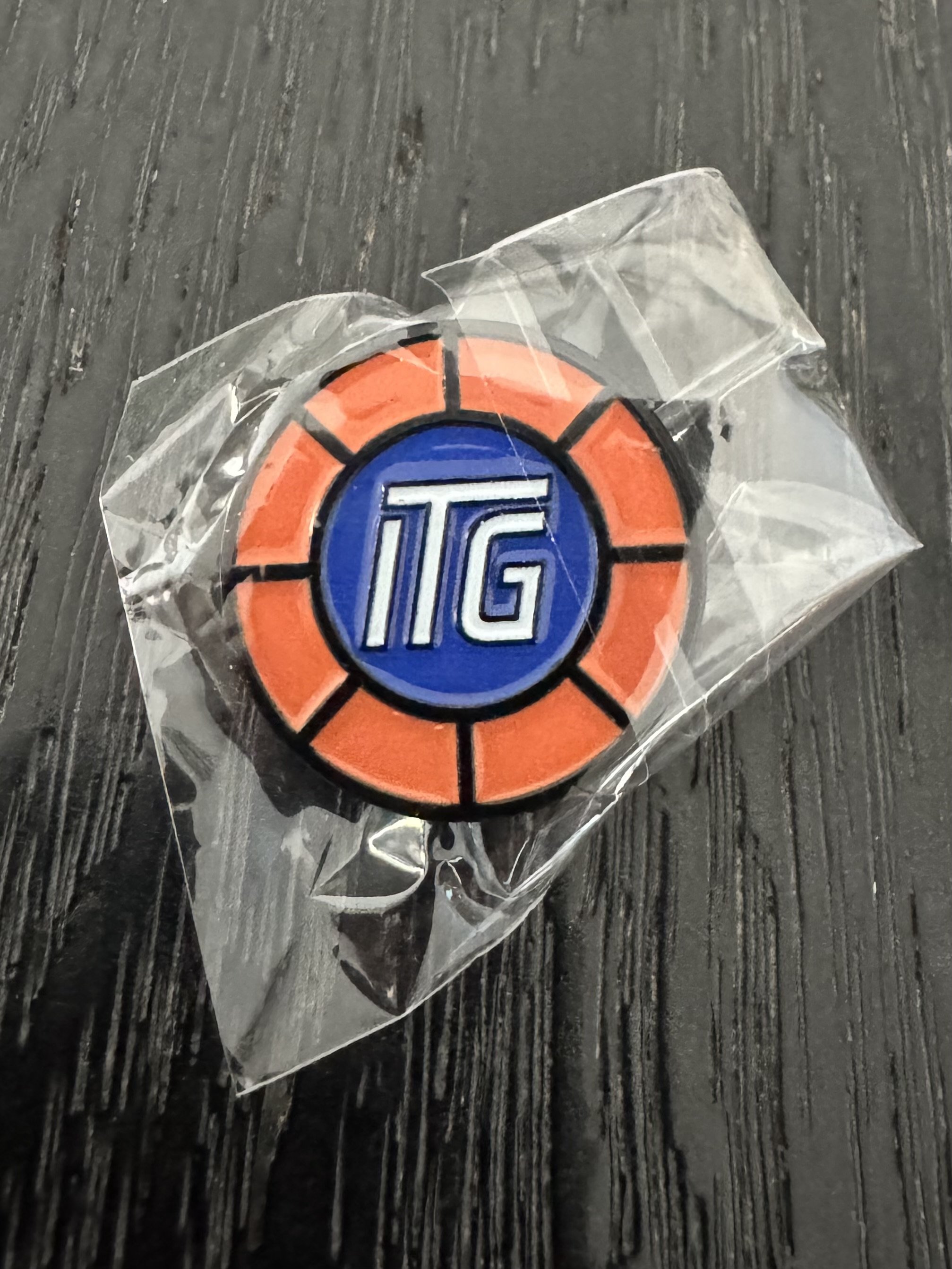
Thank you all for your support at the weekend. If anyone is still interested in buying an ITG badge (there aren't many left), please send me a PM.
-
Rumour has it that if you ask the guard very nicely, he’ll sell you one of these enamel badges – all funds are donated to the ITG
-
NIR Mk2 coaches and 80 Class Intermediate Trailer Conversions
GSWR 90 replied to PaulMac's topic in Irish Models
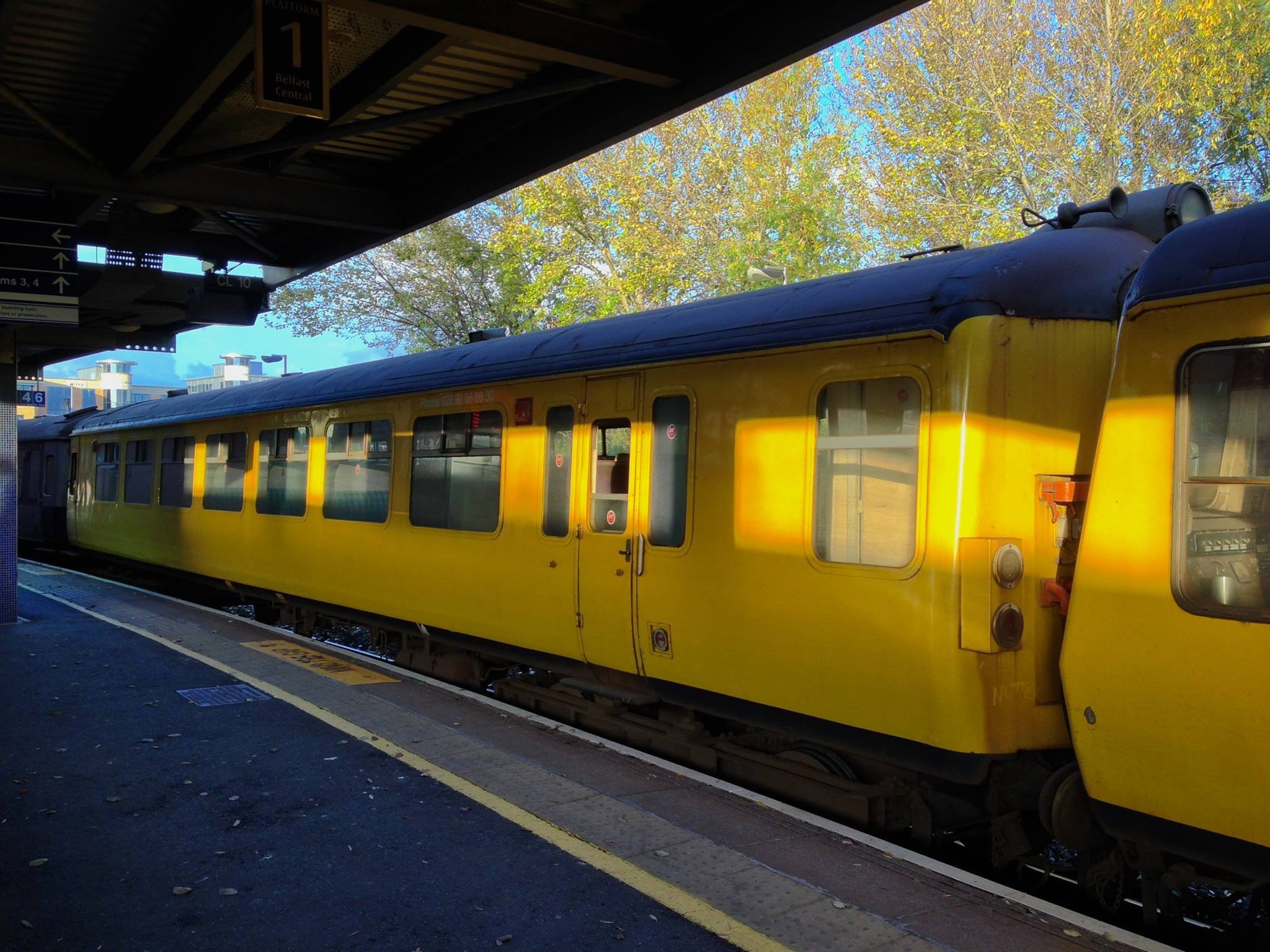
752 is preserved at the Downpatrick and County Down Railway. It was bought to replace 80 class driving trailers 741 (withdrawn September 1979 after firebombing at Finaghy) and 747 (withdrawn May 1979 after fire at Crumlin)
-
As long as there’s a Westrail red version
-
And, of course, re-engined C231 in green
-
Shell/BP had a Planet which is at the RPSI’s museum at Whitehead https://www.steamtrainsireland.com/rpsi-collection/13/no23
-
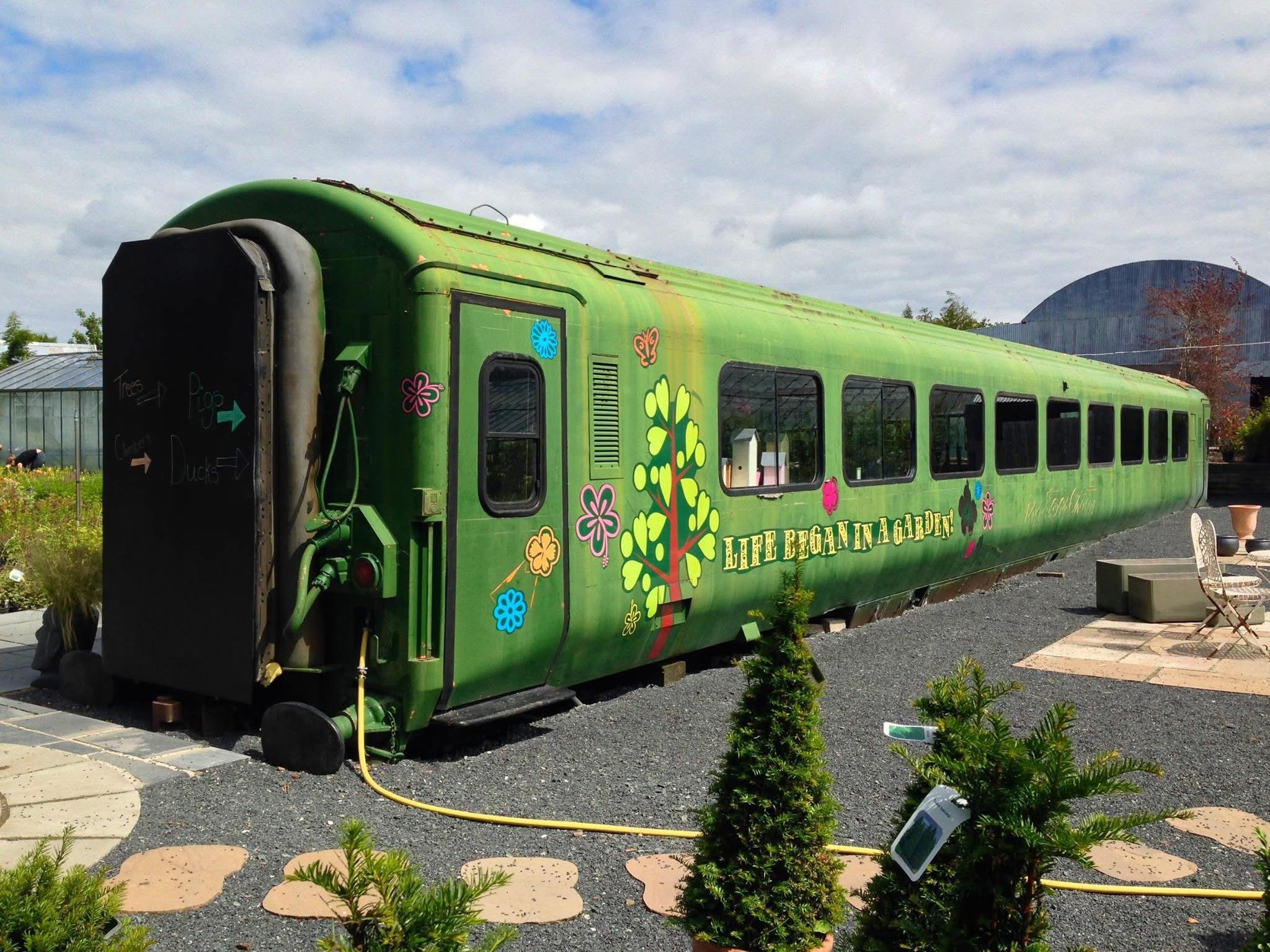
I saw it in 2014/15, and the inside had a carpet of moss even back then
-
I wonder what the stickers in the window of the coach are for? Non-smoking?
-
As I have said elsewhere on this forum, everyone wants a Severn Valley Railway in their back garden, but very few are willing to do anything about it. Unfortunately from my experience, it is often left to a small number of people to put their money where their mouth is and actually donate/volunteer. This stunts the preservation scene in Ireland and puts an excessive strain on the people who actually do the work. I am always amazed by the number of people who say that they can't volunteer at Downpatrick because they live half an hour away, or they can't visit because it's two hours up the road. Compare with the number of volunteers we have who come up from Belfast, Dublin, Cork, Derry, Kildare, etc. and keep coming back because they enjoy themselves. The most difficult part is putting in the effort to make the jump and come down the first time – if you're interested in volunteering with DCDR, even online, send me a PM. The secret sauce has two ingredients: genuine interest and a willingness to make an effort. It's appalling that we have such a rich culture – language, music, dance, sport, history, mythology, on top of our unique railway history – that so many neglect and take for granted. I appreciate that we can't all contribute to all of them, but if we all played our part in one or two it would make a massive difference.
- 89 replies
-
- 5
-
-
- west clare
- narrow gauge
- (and 2 more)
-
The MGWR six-wheelers eg at Downpatrick and Whitehead have hooks on the side for horse shunting
- 89 replies
-
- 2
-
-

-
- west clare
- narrow gauge
- (and 2 more)
-
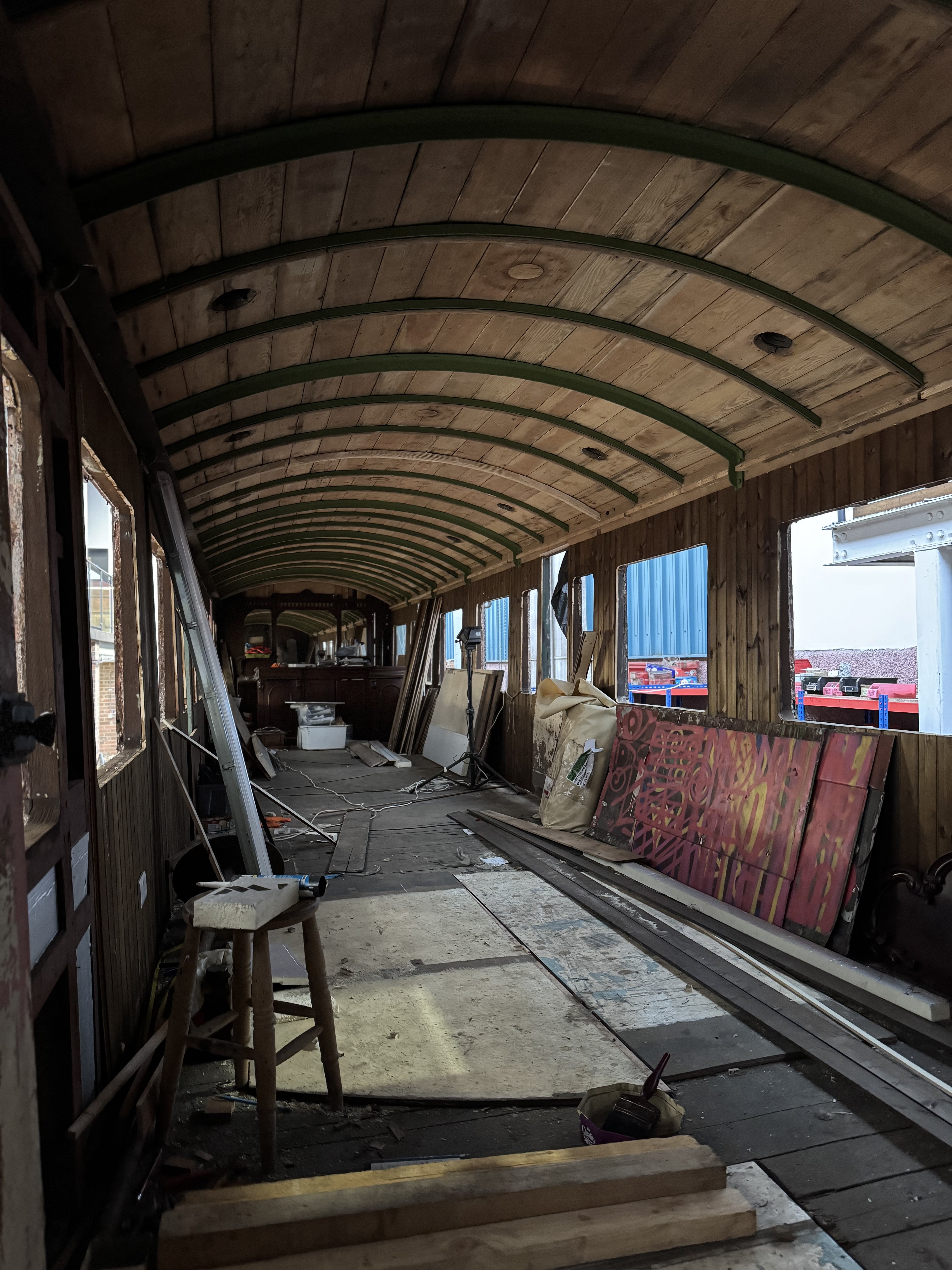
This is the inside – I think the far end is going to be a buffet counter, apparently they plan to turn it into a café
-
Great work. That’s an old photo of 836 at the start of this thread by the way – this is how it looks now
-
Thank you. There are a surprising number of photos of them on the IRRS site – if you search their account for "CSE" you'll find a good few of them, but I'm always on the hunt for more! There are good pictures of them at Dalkey as well. Yes, as mentioned above, it was because of the Anglo-Irish trade war. Here is a very simple explanation: On foot of the Land Wars in the 1870s, Westminster passed the Irish Land Acts which allowed tenant farmers to buy their land with very long-term loans from the British Government. Large amounts of money were involved, with the proportion of farmers who were landowners increasing from 3% to 97% in about 50 years. After the Anglo-Irish Treaty, the funds were paid by farmers to the Free State, who in turn paid them to the British Government. When Fianna Fáil came to power in 1932, the Free State refused to pay back the loans to Britain, took a generally protectionist trade policy in the context of the Great Depression, and sought leverage for constitutional change (which eventually resulted in the 1937 Bunreacht which we still have today). This resulted in a trade war between the Free State and Britain, with each country targeting the other's key exports: high tariffs on agricultural goods (e.g. beef) going from Ireland to Britain, and high tariffs on machinery (e.g. steam engines) going from Britain to Ireland. This created a perfect storm in Ireland that led to the Free State using cows to buy locos from Germany: a shortage of cash, a glut of cattle, a need to develop local industry (i.e. build new sugar factories), and tariffs on British goods. I'm not an expert so I apologise if any of that is wrong; I'm very open to correction. It's funny how a series of political crises long ago resulted in these unique-looking locos coming to Ireland, but they have continued to be reliable and easy to work on almost 100 years later. They are a testament to the people who designed and built them, and they now also serve as important living reminders of the Irish sugar industry.
-
Amazing, I can’t thank you enough for these! Great to have photos of all three of them, and really interesting to see the positioning of the number which is something I’ve always wondered about. In the third photo, the numbers are in the same position as the Tuam locos (each factory put the numbers on differently) so the location might be Tuam.
-
Thanks, but I've seen all those ones before unfortunately!
-
Aside from the ones that are on Flickr and the Paul Johnston (transport of delight) SmugMugmugmug site, does anyone have any photos of the CSE O&K locos in their own collections? Alternatively, do you know of any groups/people who might be able to help me with this? And I don't mean photos of them at Downpatrick I'm particularly interested in photos of the Mallow and Tuam locos, as there are a fair number of photos online of the Thurles ones and I don't think I've ever seen a Tuam one. Thanks!
-
Sorry, misread the caption – thanks for the correction! That raises the question, I wonder why it was hauling passengers in Fenit? This is therefore probably G617 with the above-mentioned railtour?
-
Interesting info, thanks for this. I think G613 also worked the Foynes train, but after a quick look I can't find any photos of it doing so. I'd be very interested if anyone has so. Here is an IRRS photo of G613 with passenger coaches at Fenit in September 1963, I wonder what the occasion is for this? Interestingly, G613 seems to have carried black and tan for its whole career with CIÉ; I think it was only repainted black and white while in storage in Athlone before it was moved to Tuam for use by CSÉ.
-
No work on 90 this weekend – but I noticed that one of its oil cans is stamped “B&NCR” (Belfast and Northern Counties Railway), meaning that it’s at least 124 years old!
-
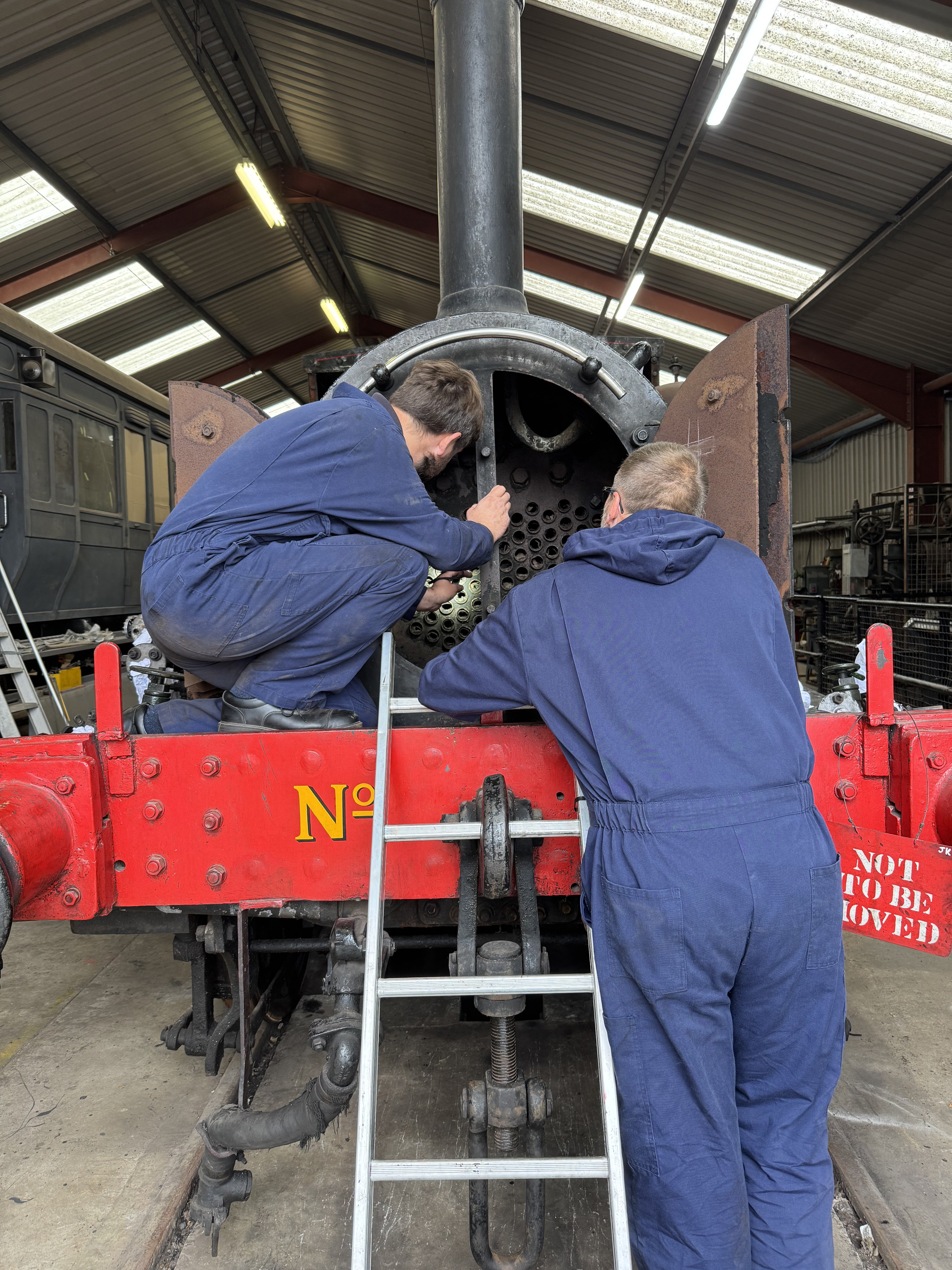
Blessings of victory to our glorious volunteers who continue to extract pieces of metal which used to be bolts from 90’s smokebox. Aaron and Shea made excellent progress this weekend, with all the bolts from the front of the smokebox now removed. The auld doll also got a bit of sun on Saturday, as we started up 80 class 69 and opened the doors to let out the exhaust. Meanwhile, your humble narrator has been spending his lunchtimes and evenings trying to get quotes for a contractor to carry out the NDT, boiler repairs, etc. (as well as trying to manage everything else). It never stops!
- 111 replies
-
- 15
-