.png.c363cdf5c3fb7955cd92a55eb6dbbae0.png)


Mol_PMB
-
Posts
3,870 -
Joined
-
Last visited
-
Days Won
239
Content Type
Profiles
Forums
Events
Gallery
Blogs
Everything posted by Mol_PMB
-
Provincial Wagons CIE cattle wagon - 21mm gauge advice needed
Mol_PMB replied to Mol_PMB's question in Questions & Answers
Many thanks Brendan, that's good to see how you have approached them. I don't think the cattle wagon underframe is quite the same as the example you have shown, the solebar (moulded as part of the bodyside) is quite thin and it might be tricky to get a strong bond there, considering the forces that W irons get when bending them to fit wheelsets. I think it might be possible to reinforce the joint behind, if I cut away a section of the floor behind each W iron as you have done, but it would have to be quite a small reinforcement to avoid fouling the 21mm gauge wheels. So that might work. I'll do some measuring up. Cheers, Mol -
Provincial Wagons CIE cattle wagon - 21mm gauge advice needed
Mol_PMB replied to Mol_PMB's question in Questions & Answers
Thanks! Enjoy the train ride. -
Provincial Wagons CIE cattle wagon - 21mm gauge advice needed
Mol_PMB posted a question in Questions & Answers
I've got one of Leslie's cattle wagon kits to build, and I need to make it for 21mm gauge. There must be someone on the forum who has done this already, please can you advise me? Having done a couple of his 20' container flats, these were fairly easy to convert to broad gauge by removing 1mm of resin from the inside of the W-irons. But the cattle wagon W-irons are closer together and thinner, so that's not an option. Also it's not easy to cut the chassis unit down the middle and pack out by 2mm, because then it would be too wide to fit between the cosmetic solebars moulded into the sides. I think it would be difficult to remove 1mm from the outer edges of the chassis block without damaging the W iron and bearing detail. I'm sure that a few weeks ago, when I bought the kit, I found an online video showing the build of these kits to 21mm, but I now can't find that anywhere. I'm wondering whether the best solution is to just replace the floor with plasticard and use some etched W-irons. If so, is it possible to buy fold-up etched W-irons for 21mm gauge? Another option might be to use a Parkside or Cambrian 10' wheelbase underframe, packed out 2mm, with the solebar detail removed from the donor underframe so that it fits between the cattle wagon sides. I could probably do that with bits I have in stock here - and might then be tempted to vac-brake it. Any thoughts? Cheers, Mol -
Ah, I hadn’t realised there was one there - very interesting. That also helps to explain the layout of the pointwork into the works building in the 1900 map and even into the 1970s. I wonder if the original Limerick turntable was re-used somewhere else? Were there any branch lines being built in the late 1890s that would have needed a small secondhand turntable?
-
If we’re interpreting the question correctly then the turntable of interest was removed before 1900, and so it’s unlikely there will be many photos of it. So information on turntables of a similar era and size that survived longer may be the best source?
-
I think we’ll need some more information. There are many possible issues and you need to rule them out to focus on the problem. Do you have a multimeter to check voltages, resistance etc? In theory, is the loco set up for dc or dcc? Is it new or secondhand? cheers, Mol
-
Are you thinking of the turntable at Limerick loco shed, south of the Foynes branch, or was there another loco turntable in the original works area at one time? Some plans in this thread: For many years, Limerick also had a triangle which could have been used for turning locos. Regarding the turntable at the loco shed, I have seen photos of steam locos on it around 1970, whilst on railtour duties. The whole loco shed area was ripped up and converted to a bus depot in the mid 1970s. Mol
-
Good thinking. Much better to complete a modestly sized project than to attempt an empire and struggle to finish it. I am terrible at finishing things myself, usually because I’m too ambitious. Also, good to spend time planning and reflecting as you are.
-
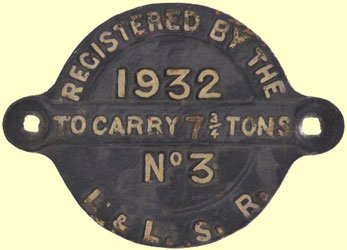
The registration plate is visible, though not legible, on this narrow gauge tank wagon: https://flic.kr/p/2pwq5iZ And on these broad gauge ones: https://flic.kr/p/2pwD6W1 https://flic.kr/p/2pwDLqB
-
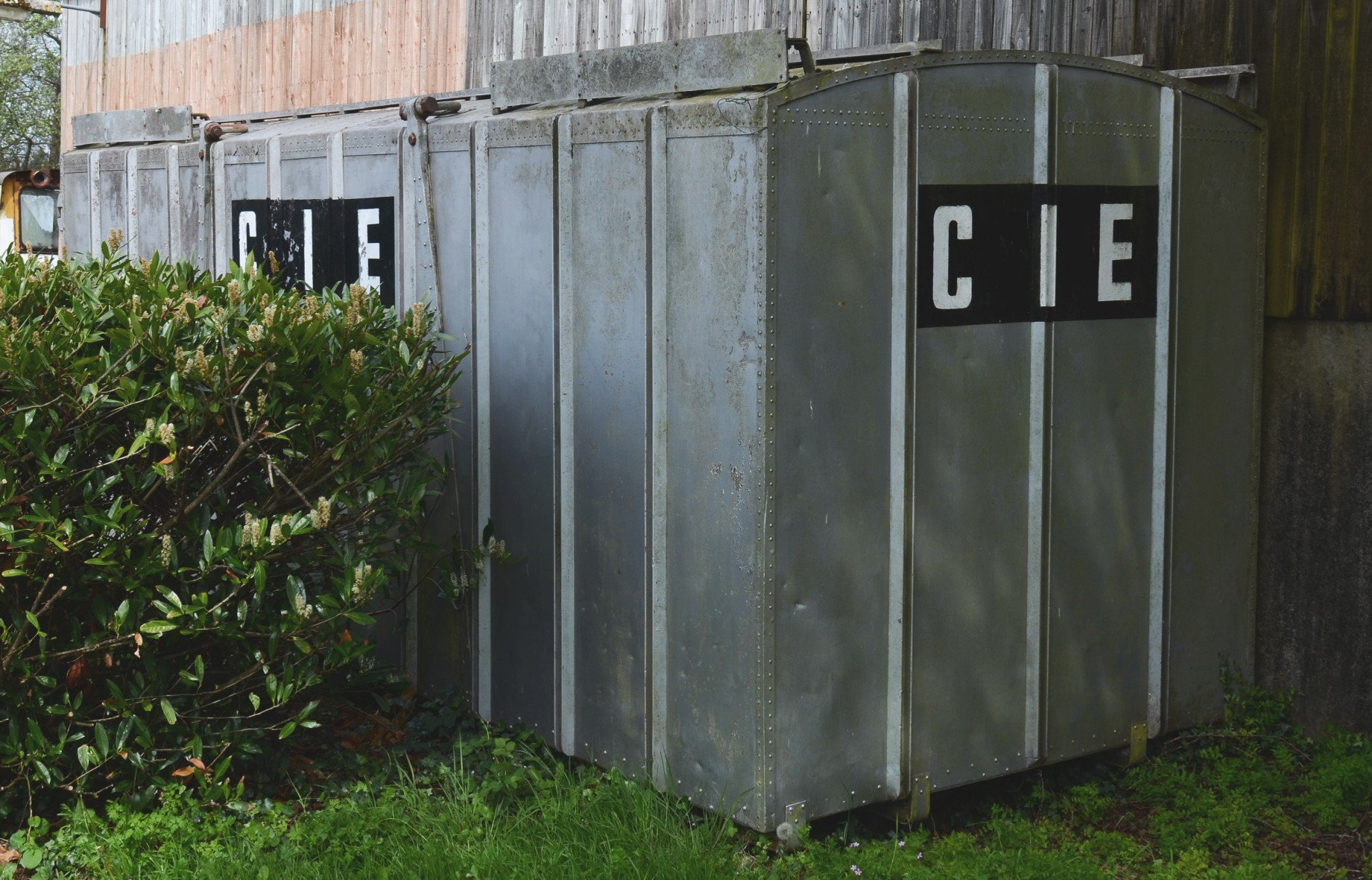
Having mentioned Northern Ireland Trailers a few post back, one of the companies merged into P&O / Pandoro about 50 years ago, I was amazed to stumble upon this yesterday: These 1960s alloy containers were prone to accidental damage and were quickly replaced with more robust steel boxes, but the alloy ones don’t corrode and have ultimately outlasted the early steel containers.

-
Here’s a Swilly example, lower number here used at a later date. The RCH practice was that each registering railway had its own series. A wagon only had to be registered by one railway to run on any railway. With tank wagons, grain and Guinness wagons, the fair number of PO coal wagons north of the border, I don’t think 200 is impossible. They might not have existed all at once
-
I would expect them to have had GSR plates. I wonder if the GSR register of PO wagons survives somewhere - they were all given a registration number. On the GNR(I) plate shown above, the registration number is 196 which indicates that there were at least 196 PO wagons registered by the GNR(I) by 1922.
-
Here's a link to a drawing of the RCH PO wagon registration plate - a very standardised and (in GB) legally required feature on PO wagons:
-
I don’t think any were repainted in this way. The GSR ones were repainted to CIE but the Ranks ones stayed in Ranks livery until the end.
-
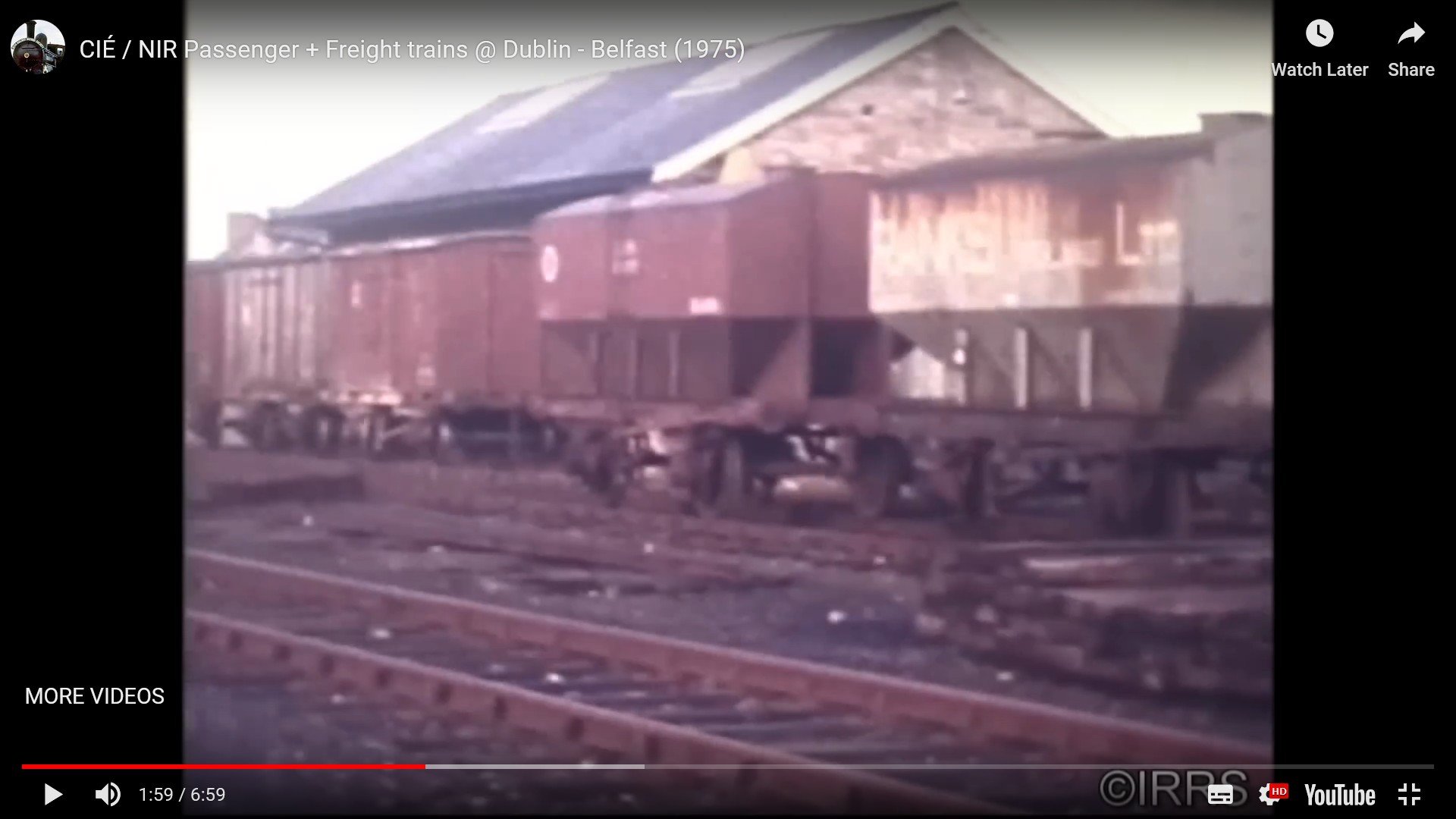
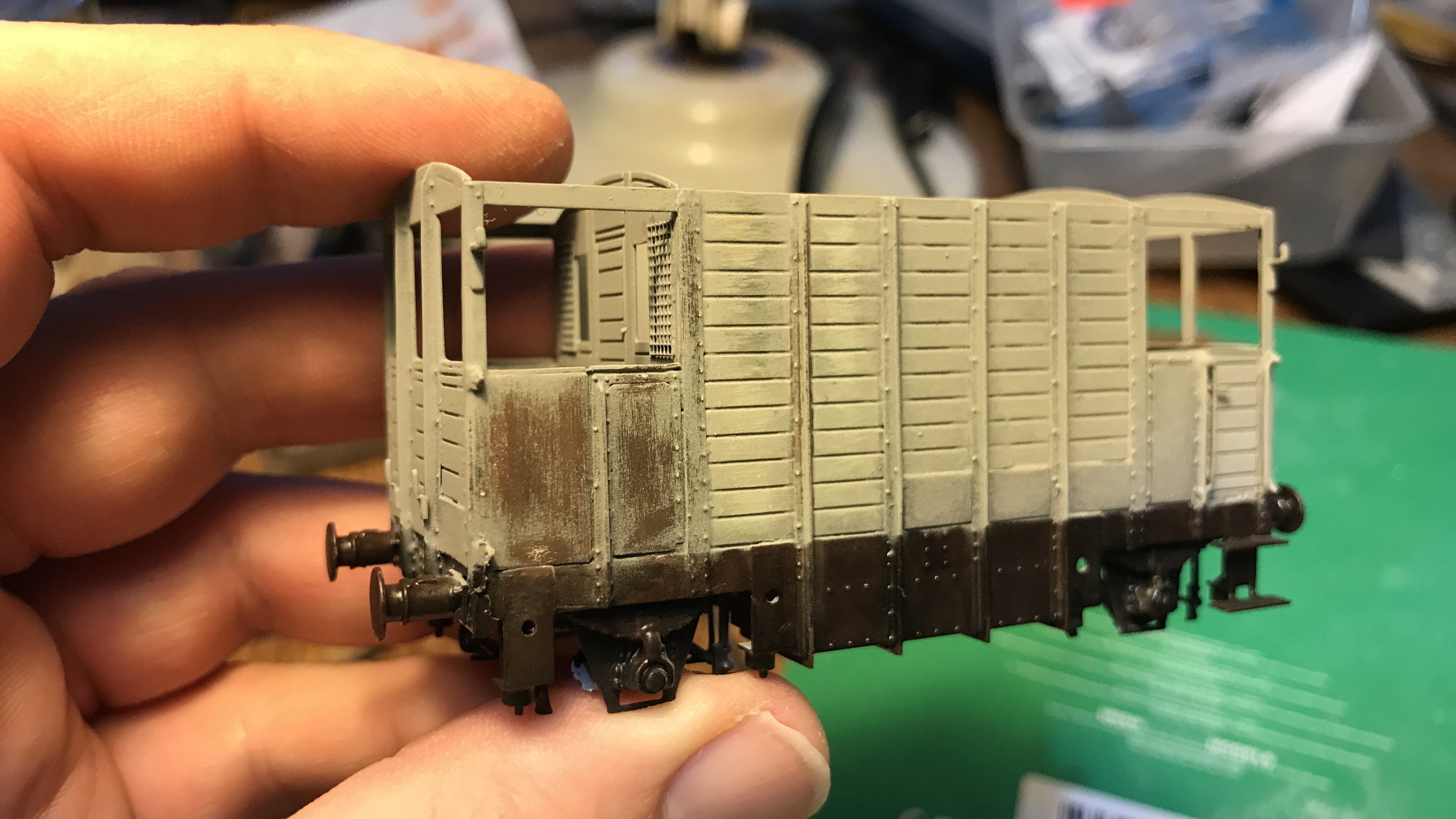
Old thread, I know, but I'm interested because I'm currently working on a model. This is a still from an IRRS video clip dated 1975, showing both a Ranks liveried one and a CIE brown one. My part-finished model is currently in grey but I'm tempted by the brown option! I think this IRRS photo shows the same two wagons: https://www.flickr.com/photos/irishrailwayarchive/53511551080/ On the question of ownership, this IRRS photo of a Ranks wagon, look closely at the solebar just to the right of the ladder. That plate shaped like a London Underground sign is a Railway Clearing House private owner wagon registration plate. That proves it's not a GSR/CIE wagon but genuinely a private owner. https://www.flickr.com/photos/irishrailwayarchive/53510435707 The RCH plate is also visible on this image linked from another thread. Incidentally, note the ex-GNR grain hopper van on the left. This is a black and white photo showing two freshly painted in Ranks livery at Inchicore in the 1950s. Your guess is as good as mine on the livery, but the underframe looks darker than the body: https://www.flickr.com/photos/irishrailwayarchive/53509298965 Finally, on the left hand side of this image are a pair of GSR-liveried ones with a nice overhead view, if a little distant: https://www.flickr.com/photos/irishrailwayarchive/53509038168 I'm beginning to wonder if I should have bought more than one kit...
-
Here's a shot of one of these from above, showing the roof detail, in the IRRS Flickr archive: https://www.flickr.com/photos/irishrailwayarchive/53511443526
-
Another pre-ISO container example, from Brian Flannigan on Flickr. From 1952 until 1960 the CIE statistics list 6 milk tank containers. In 1961 these seem to have been repurposed to glucose tanks, and I think that's what we're looking at here. (I'm aware there were later, ISO-compatible glucose tank containers as well). The road division also had some demountable tar tanks but this doesn't look black enough to be a tar tank. It's also a very nice illustration of one of the 25201 series flat wagons. These were the first 20' long 4-wheel flats and were built in 1962 to carry the larger pre-ISO containers described in the previous few posts. Although vac fitted, they were only rated for a 12t payload and were quickly superseded by the 25436 series which could carry 20t. Edit: these also appear in the background of this IRRS photo at Crossmolina siding, Ballina: https://www.flickr.com/photos/irishrailwayarchive/53508956685 On reflection, they may well be privately owned tanks (no CIE logos etc) so I might be making a mistake in trying to correlate them with the CIE listing. A couple of IRRS photos dating from 1966 show another of the 25201 series flats, loaded with what might be an 'open brick' container, a 3-plank wooden dropside. On the other hand, CIE might have considered this under the 'Lancashire Flat' umbrella: https://www.flickr.com/photos/irishrailwayarchive/53508466241 https://www.flickr.com/photos/irishrailwayarchive/53508783939
-
Oh, well spotted! The photo on page 90 of the book shows a rake of three in the foreground, of which the nearest one has no side doors. Looking again at the image used by IRM, one of these is the same. The brown one, just to the left of the GSR grain hopper, is the variety with no doors: I wonder whether the ones originally built as grain vans lacked the doors, while those converted from H vans retained their doors? The other variant was the brakes. As with the other wagons on the triangulated chassis, a small proportion of them had 4-shoe brakes (hand operated, not vac-fitted) which were outboard of the wheels. One of these has the different brakes: https://www.flickr.com/photos/irishrailwayarchive/53499079254
-
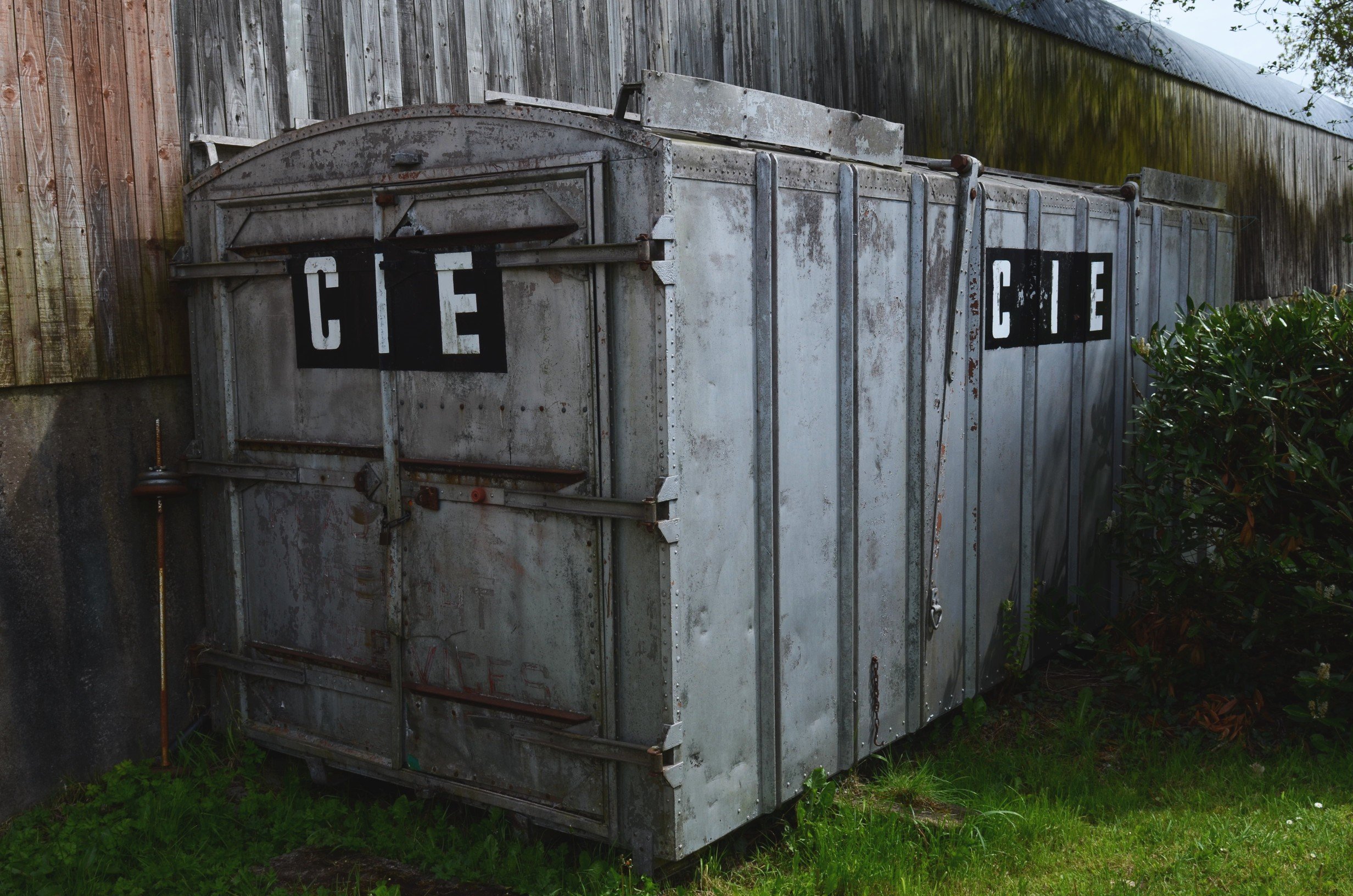
I forgot something. Here are my photos of the surviving container at Dromod, showing both ends and the accessible side. This is the 1962 type, non-insulated: And from another thread on here, Wrenneire's photo of one which certainly survived into the late 1980s but perhaps much more recently. This is the best view I've seen of the side of a 1965 side door type: I'd imagine either type would be fairly straightforward to do as a 3D print, though I say this as someone who doesn't really know what's involved. Carrying a range of liveries and good for the 1960s and 1970s periods they might be popular.
-
"Voiding the Warranty" - Mol's experiments in 21mm gauge
Mol_PMB replied to Mol_PMB's topic in Irish Models
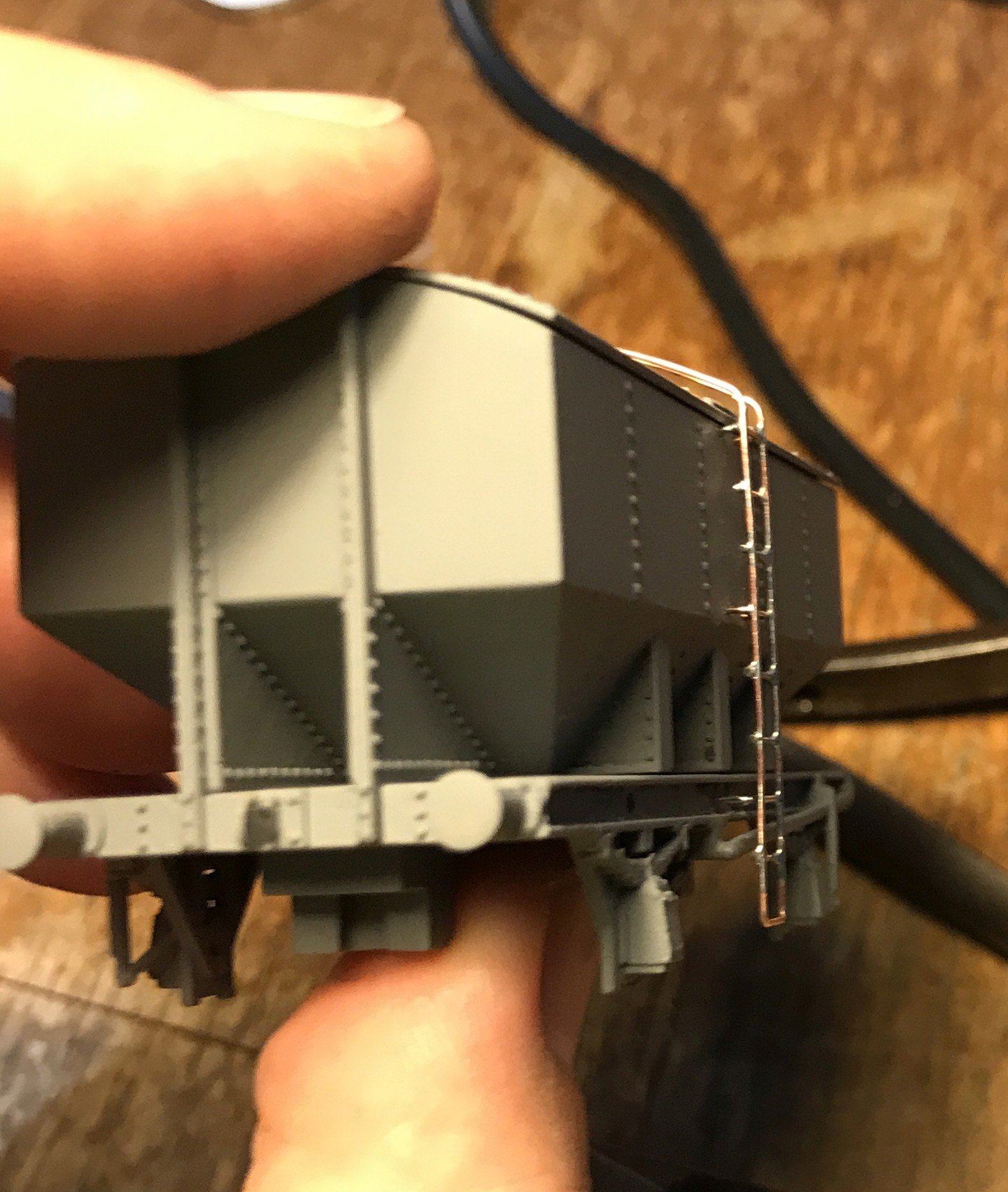
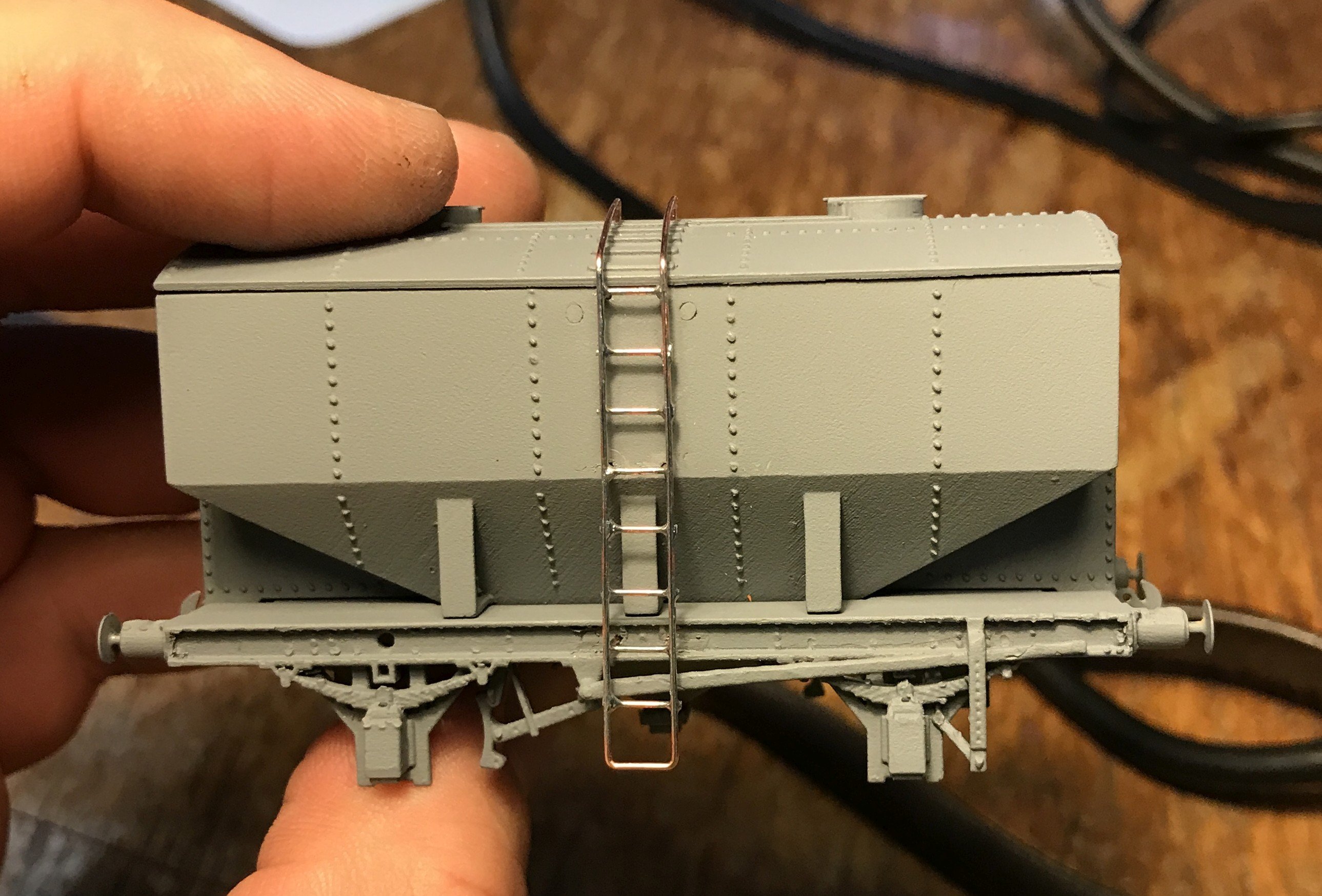
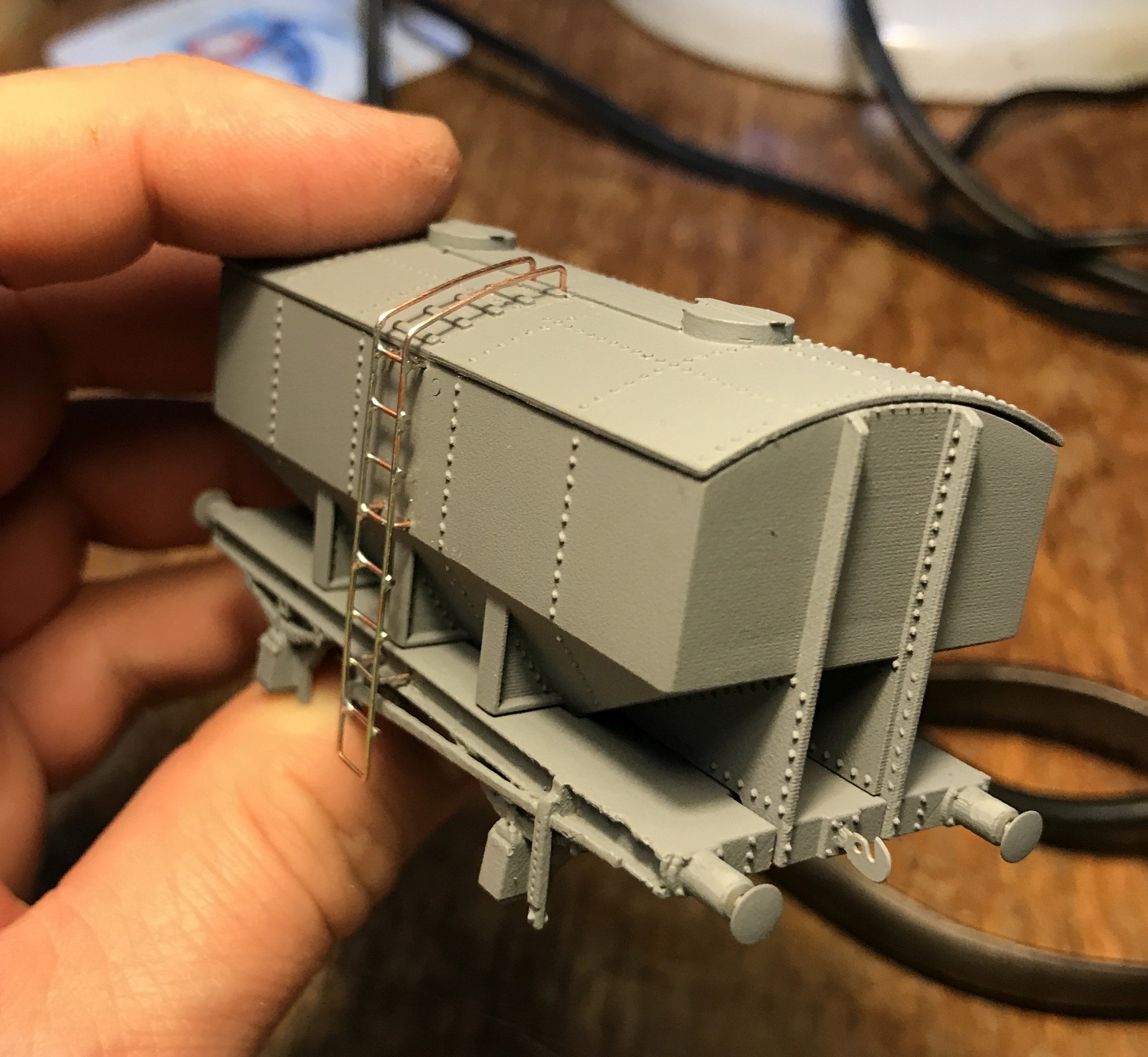
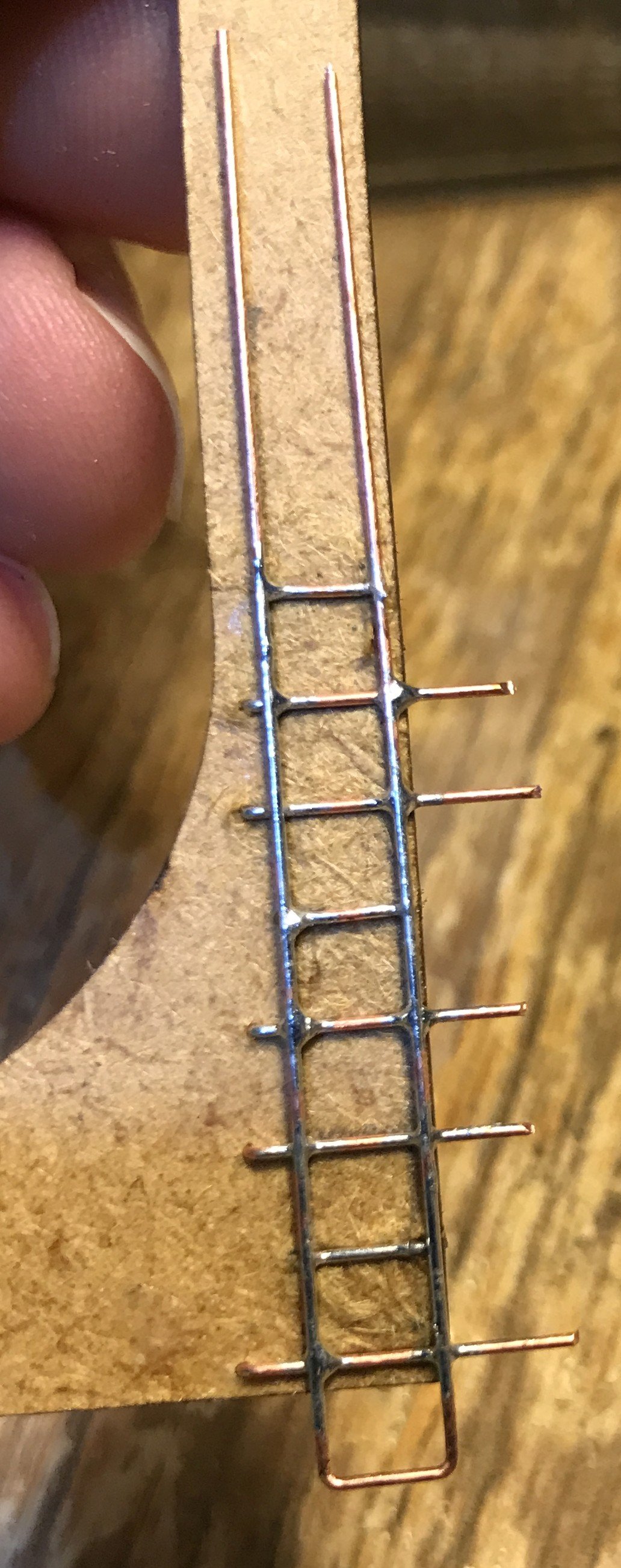
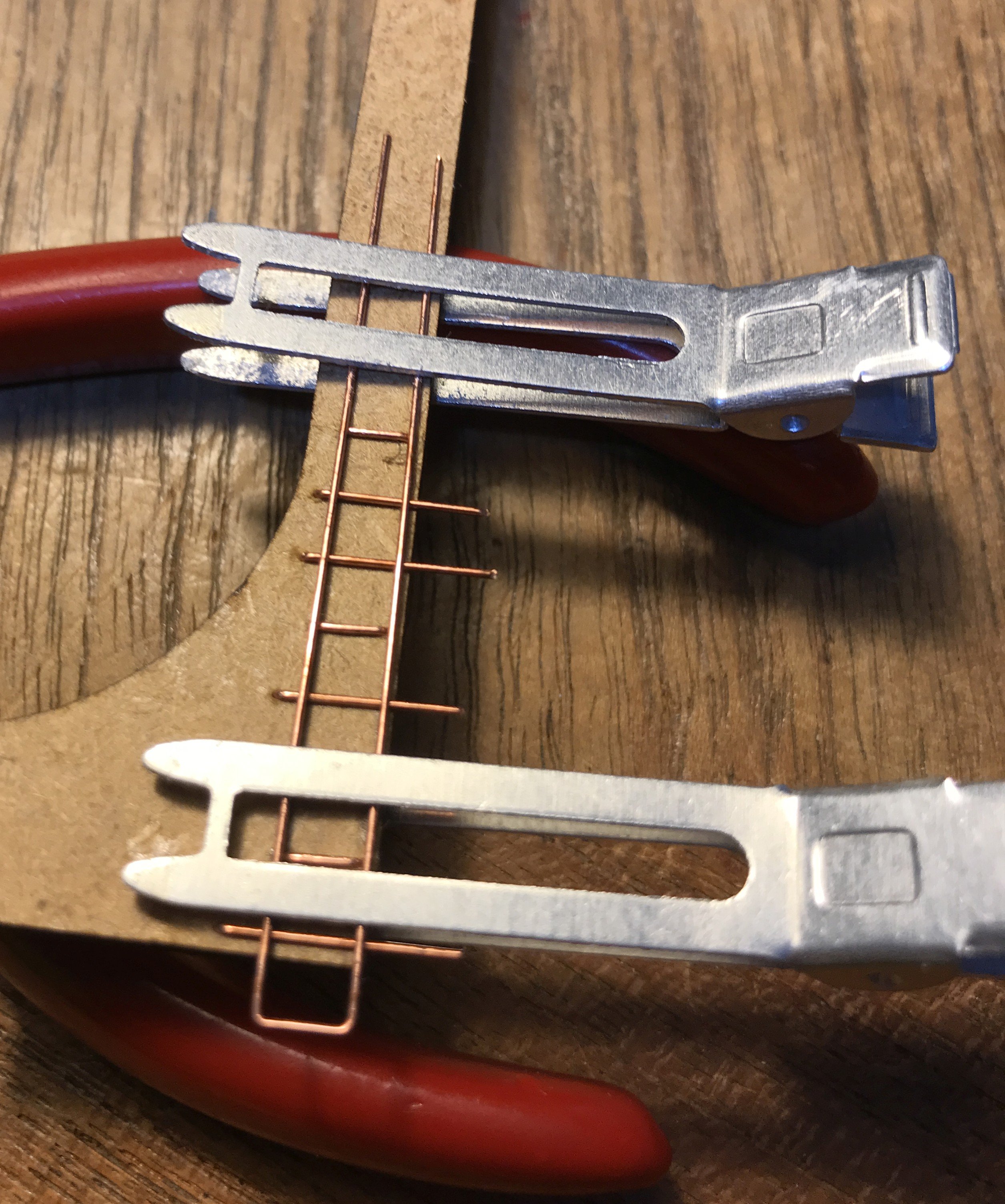
Well, I have made a ladder. I suppose I could have ordered an etched one but it wouldn't turn up for a week or more. I think it's an improvement? Just trial-fitted at this stage, I should be able to straighten it a fraction on final fit. It looks like the body still needs a bit more fettling too, but it's nearly there. https://www.flickr.com/photos/irishrailwayarchive/53508956685 https://www.flickr.com/photos/irishrailwayarchive/53510435707 I'm still hoping I can pick up a couple of the IRM grain vans to go with it, but we'll see.
- 822 replies
-
- 11
-

-

-
"Voiding the Warranty" - Mol's experiments in 21mm gauge
Mol_PMB replied to Mol_PMB's topic in Irish Models
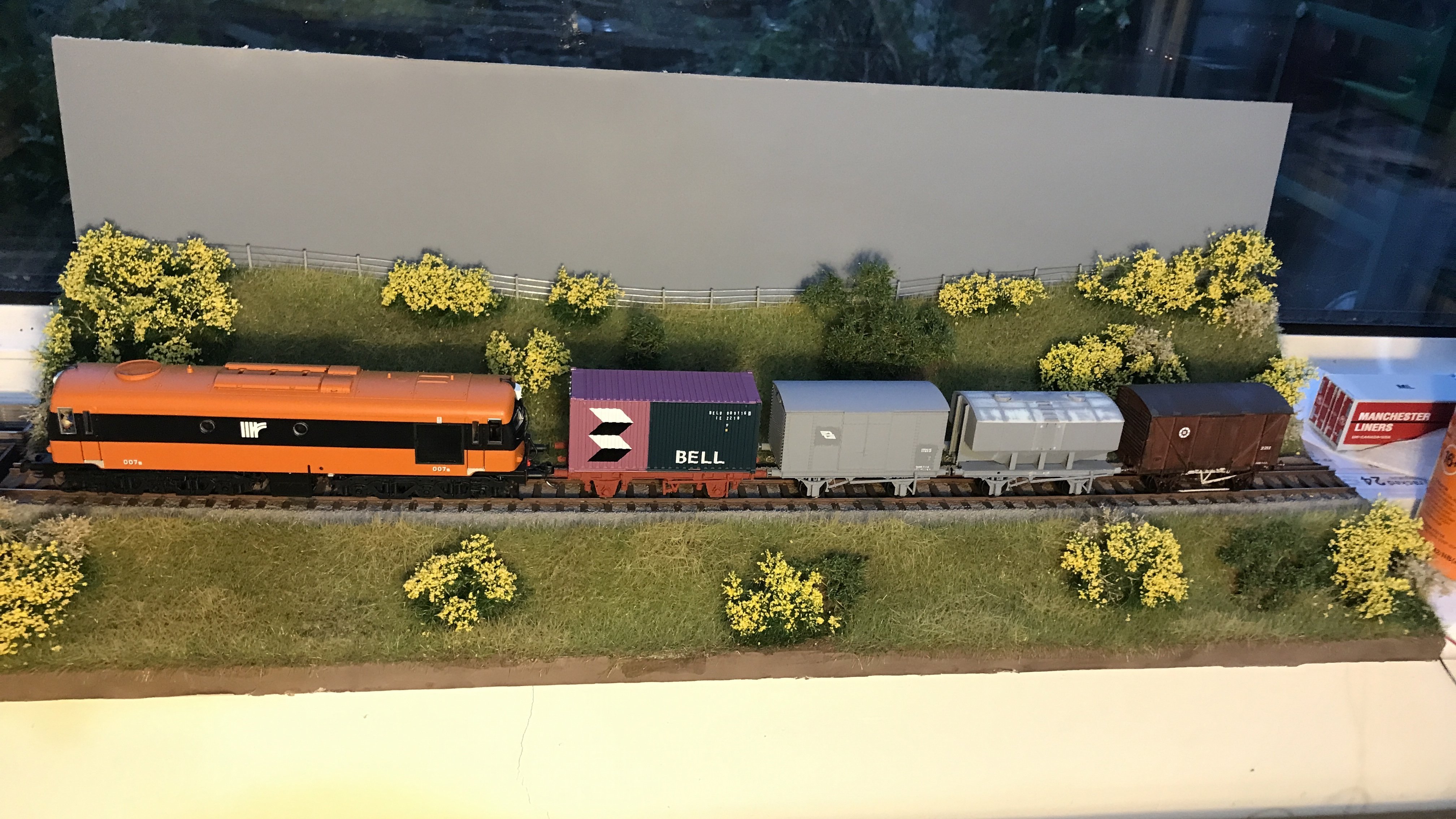
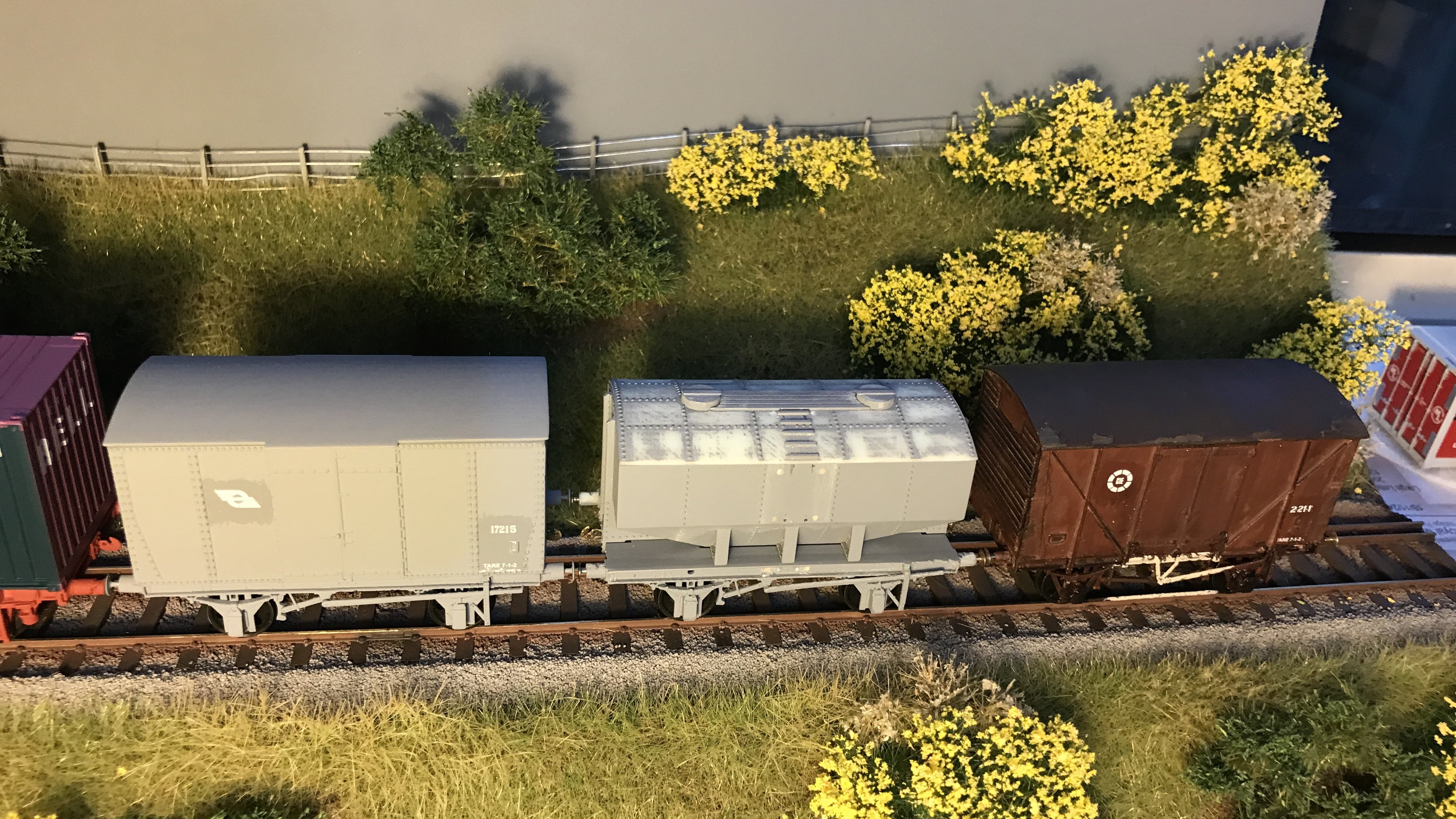
Progress on several fronts over the last couple of days, as well as writing my diatribe on early containers. The container flat from Leslie is now in red primer and looking the part. Still needs a topcoat, lettering and weathering, but I'll wait until I've done the other one. The Bell container on it now has a petunia purple roof which is a much better colour match than it looks in this photo. I know the roofs could be purple, blue or white, but I wanted a purple one. Then I've been working on a couple of Mayner's 3D prints as well. These are very nicely done, much better than many I've worked with in the past, but they still benefit from a bit of cleaning up and detailing. The LMA van was easy, and has got as far as the transfers. This needs some careful weathering to reproduce the prototype. The GSR grain hopper took a little more work to remove all traces of the 3D print layers, but I'm hoping that the next spray of paint will prove I'm there, and then that can have some transfers too. I also need to solder up a ladder for it, and use transfers to reinstate the lost rows of rivets on the edge of the roof. The GNR brake van was painted in 'rust and unpainted wood' finish, and then a thinned coat of pale grey was sprayed over the top. Now I'm using various tools to remove a lot of that top coat, and expose the rust and wood underneath. There's a way to go yet but this corner is looking suitably bedraggled. In due course I need to do some transfer artwork for this and a few other wagons.
-
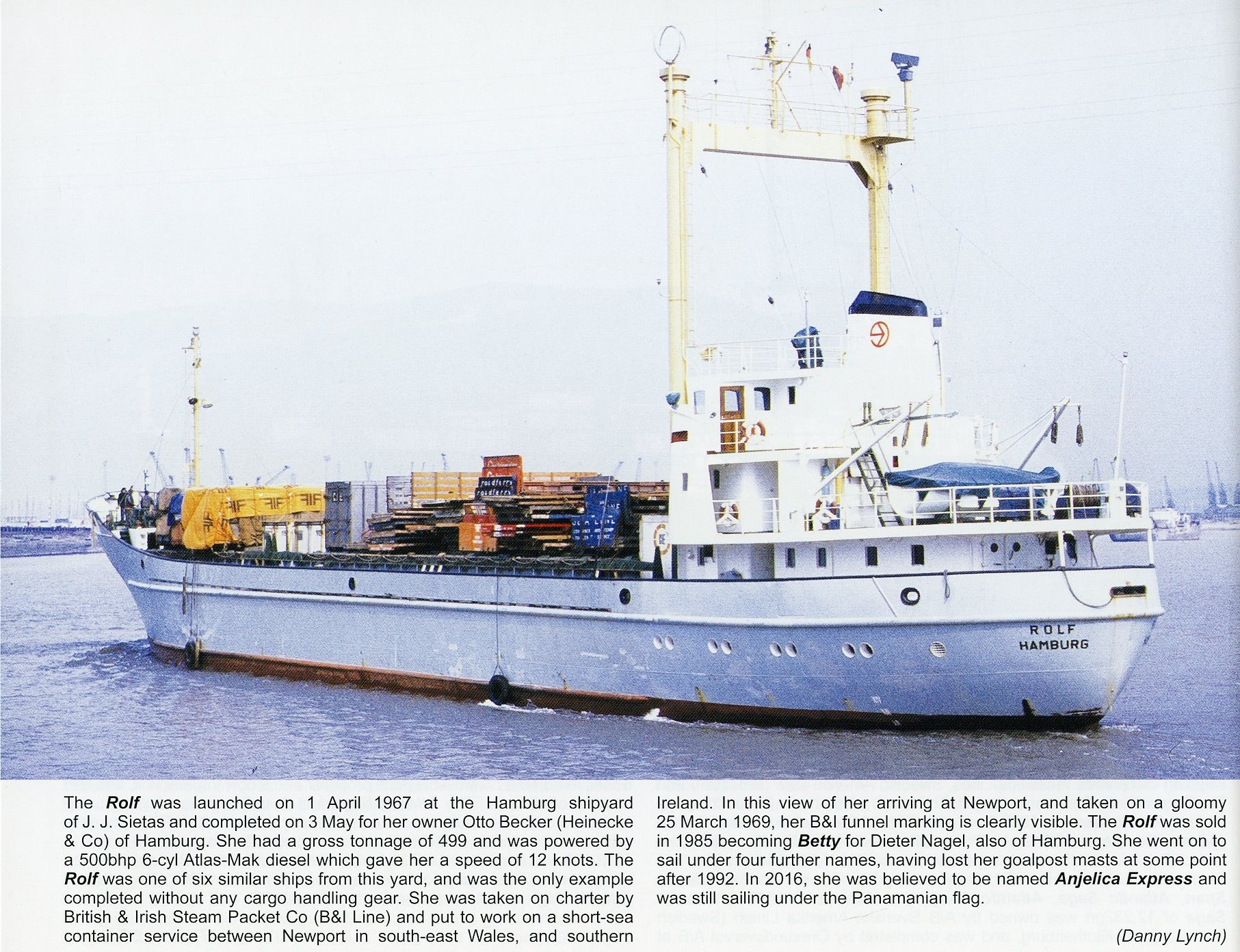
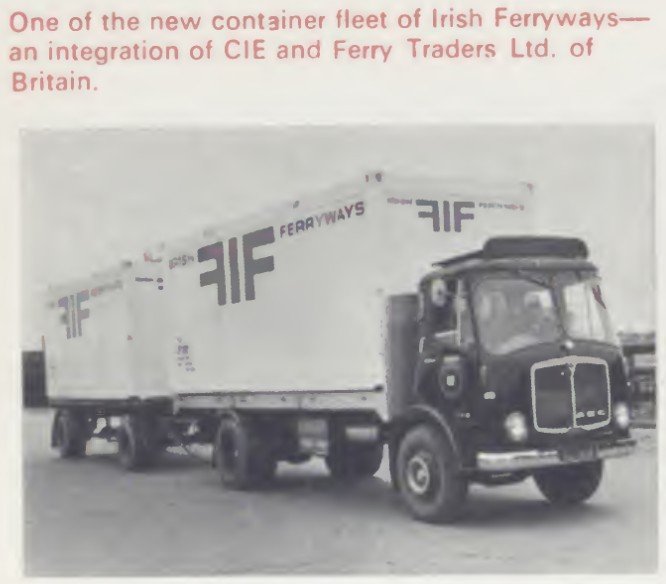
As we move towards the second half of the 1960s, the 1966 CIE annual report notes that the road freight division introduced 40 new containers, and also contains this illustration. This is the side-door type we behind an NCC mogul previously. The slightly odd thing is that the number of large covered containers reported in the rail division's assets increased by exactly 40, but the road freight division's total barely changed. As might be expected with a truly intermodal asset, there seems to have been a lack of clarity about whether these were road or rail assets. Incidentally these pre-ISO alloy containers also appear in photos of ships. The 1967 report described the developments over the previous year, which included more significant developments. Nearly 200 new flat wagons (in the 25436 series) had been constructed, suitable for 20' containers with a 20t payload. 150 'Lancashire flats' were introduced (some as road assets, some as rail, again not entirely consistent between sources) as well as a further 30 containers and 6 new bulk glucose tanks. New gantry cranes were installed at many stations and the road freight fleet was strengthened with more tractor and trailer units. The Irish Ferryways partnership was begun, and some of the first ISO containers (IF assets not CIE) were shown in the report: More Lancashire Flats would be added over the next few years, until there were over 500 of them. Traditionally a Lancashire Flat was a flatbed body with framing underneath so that it was self-supporting, usually with a headboard at one end, a couple of feet high. We've seen them earlier in this thread, I'll repeat this lovely photo of a B+I container service where you can see stacks of empty Lancashire Flats - red ones are Containerway, Orange are Irish Ferryways, blue are Link Line, yellow may be Northern Ireland Trailers. Also a CIE container of the pre-ISO ribbed alloy type, and CIE ISO insulated examples too: CIE seem to have used the term Lancashire Flat to describe a variety of different flat or low-sided containers used for all sorts of purposes: Guinness, fertliser, etc. The 1968 annual report was big on containers (and there's another pre-ISO type here that I hadn't seen before: The stage was set for the introduction of CIE's first ISO containers of their own, but that's a story for another day...
-
Many of these alloy pre-ISO containers survived to be painted in orange, and although branded for the road division they were commonly seen on trains too. The IRRS photo archive has a good selection of photos of orange ones, but they're harder to find in the public domain. You'll need to join the IRRS if you haven't already! Here's non-insulated container VA-62 in orange, with black lettering and roundels: https://www.flickr.com/photos/irishrailwayarchive/53511632554 A partial but close-up view of VA-35, again non-insulated. I think they had 3 door hinges whereas the insulated versions had 4 hinges. https://www.flickr.com/photos/irishrailwayarchive/53511350441 Here's one in a train, with an older, shorter type of container also visible behind: https://www.flickr.com/photos/irishrailwayarchive/53570643358 Two in the siding at Lisburn in this Jonathan Allen photo: A series of four photos at North Esk in 1975, showing one of each of the two main types. On the trailer is the insulated type with shallow-curved roof., whilst alongside it on the ground is the other type with the smaller radius roof: https://www.flickr.com/photos/irishrailwayarchive/53510231502 https://www.flickr.com/photos/irishrailwayarchive/53511775805 https://www.flickr.com/photos/irishrailwayarchive/53527761305 https://www.flickr.com/photos/irishrailwayarchive/53527761270 The dimensions given in Jane's indicate that the insulated ones were 9" taller than the others, which looks plausible in these images. Finally for the early 1960s pre-ISO boxes, here's a view dated 1986 with four of them lined up at North Wall. One alloy with black block logo, two orange with roundel, one blue. CIE used blue on some wagons and containers (and even one Mk2 coach) in the early 1970s, and it looks as if at least one of these containers was treated to the same scheme: https://www.flickr.com/photos/irishrailwayarchive/53509178353
-
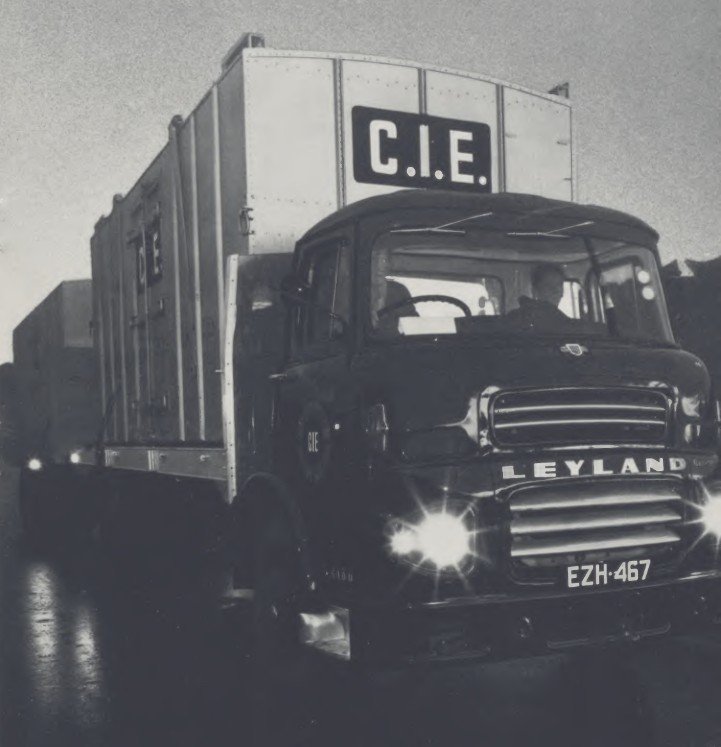
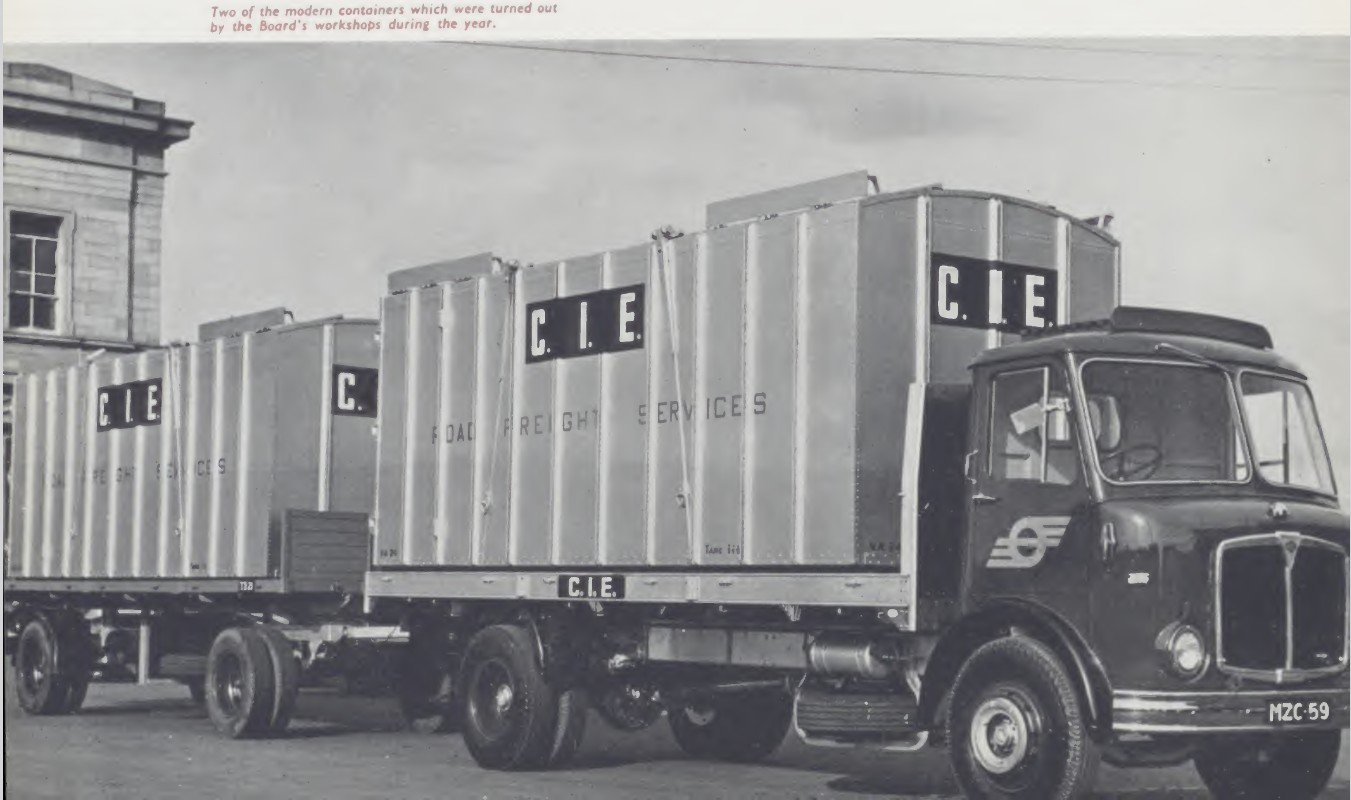
As we have already seen, both the rail and road divisions increased their stock of large covered containers in 1961/62, and the development of an improved type of container was notable enough to warrant a photo in the 1962 annual report: These containers appear to be of alloy construction, with distinctive external channel ribs. The brackets on the roof might be there to enable the containers to be stacked, though I would imagine that they could only be stacked when empty. Although of similar cross-section to the older types, they appear to be longer. The CIE container fleetlists in Jane's describe pre-ISO dry cargo containers with dimensions of 18'9" x 7'6" x 7'6", and pre-ISO insulated containers 19' x 7'9" x 8'3", which may describe these containers. The length of around 19' would have been too long to fit on or in a traditional Irish goods wagon, but the 25201 series flats were also introduced in 1962 with a length of 20', and would have been suitable. It's worth noting that these containers are branded 'CIE ROAD FREIGHT SERVICES' and so were presumably part of the road assets rather than the railway assets. I'm going to digress a bit into CIE logos. We all know about the snail and the roundel, but there was actually an intermediate phase in the early 1960s. Looking at the annual reports, the snail reigns in the 1950s, but from 1960 to 1963 the branding style on the report is white C.I.E. on a dark block background, as seen on the containers in these photos. From 1964, the roundel appears on the annual reports and there is a brief note that may refer to its introduction in December 1963. Although the black and tan livery was introduced in 1962, the early repaints didn't have any roundels; nor did the first locos painted in the all-black livery. I don't think the roundel was introduced on the loco livery until about 1964. This photo from Pat Kirwan on Flickr must be from about the same date, and shows these containers in colour: The photo above shows that there were at least two different types of these containers - note the curvature of the roof and the shape of the reinforcing ribs which are different on these two types. The Jane's listing includes both dry box and insulated variants, so that may be the reason for the two different designs. The photos suggest that the type with the large radius roof was insulated, and the more sharply-curved roof was the dry box type. The 'ROAD FREIGHT SERVICES' lettering is just visible on the left-hand contanier and appears to be in orange. Ernie's collection on Flickr has a nice photo of one of these in an earlier variant of the scheme. This is the type with the gently curved roof (right hand side of the photo above). The 'ROAD FREIGHT SERVICES' lettering is green, but looking through the loco cab windows we can just make out the white C.I.E. lettering on a black block. I think I can also see the letters 'IN' on the side, which might be the start of 'INSULATED'. The container is on a 25436 series flat wagon, and it's not quite the full 20' length, which would be consistent with the dimension quoted in Jane's of 19': This photo in the IRRS archive dated 1971 shows the same type of container on the same type of wagon. This time all the lettering is in orange, including an orange roundel instead of the black block, and it reads 'ROAD FREIGHT SERVICES INSULATED CONTAINER': https://www.flickr.com/photos/irishrailwayarchive/53570450071 These containers in unpainted alloy livery also crop up in the background of other photos, such as this one from Ernie: Also this one from Jonathan Allen (spotting these can be a bit like "Where's Wally?"! Another from Jonathan Allen, and a rare view of a 23201 series flat wagon: The road division assets in the early 1960s also included a dozen grain containers, and this photo shows that they were of similar design and livery, with 'BULK GRAIN' branding: https://www.flickr.com/photos/irishrailwayarchive/53511551075 There was also another variant, with side doors, which can be seen in this 1965 photo from Ernie. Similar white C.I.E. lettering on a black block, probably some other lettering underneath but I can't make it out:
-
Lurking in the background of Ernie's photo at Broadstone in 1960 are a selection of traditional CIE wooden-bodied containers with snail branding: Again one of Ernie's photos, this time at Mallow in 1966, the first 4 wagons are all carrying containers. Three have sheets over them which may indicate a leaky roof or a water-sensitive cargo. They appear to be CIE containers. The fourth container may be a privately-owned example, I can half-read a company name on the end: There are lots of photos in the IRRS Flickr archive (only visible to members), which are linked below. A snail-branded large wooden example in the 1950s: https://www.flickr.com/photos/irishrailwayarchive/53500993248 In the 1940s, a County Donegal open container. I've included this as an illustration of what the 'Open Brick' containers might have looked like: https://www.flickr.com/photos/irishrailwayarchive/53509032848 Several 1959 photos of 'Small Covered' containers formerly owned by the GNR and inherited by CIE: https://www.flickr.com/photos/irishrailwayarchive/53511437118 https://www.flickr.com/photos/irishrailwayarchive/53511437123 https://www.flickr.com/photos/irishrailwayarchive/53511582084 https://www.flickr.com/photos/irishrailwayarchive/53511613489 A different design of small container, which appears to be alloy sheeted, with snail branding: https://www.flickr.com/photos/irishrailwayarchive/53511703975 Alloy-sheeted 'Large Covered' types, still in use in 1968-1970: https://www.flickr.com/photos/irishrailwayarchive/53570648873 https://www.flickr.com/photos/irishrailwayarchive/53511639484 https://www.flickr.com/photos/irishrailwayarchive/53498764321 The blue one here may be a BR insulated container, but the grey one in the wagon is probably CIE: https://www.flickr.com/photos/irishrailwayarchive/53449503188