.png.c363cdf5c3fb7955cd92a55eb6dbbae0.png)


Mol_PMB
-
Posts
3,870 -
Joined
-
Last visited
-
Days Won
239
Content Type
Profiles
Forums
Events
Gallery
Blogs
Everything posted by Mol_PMB
-
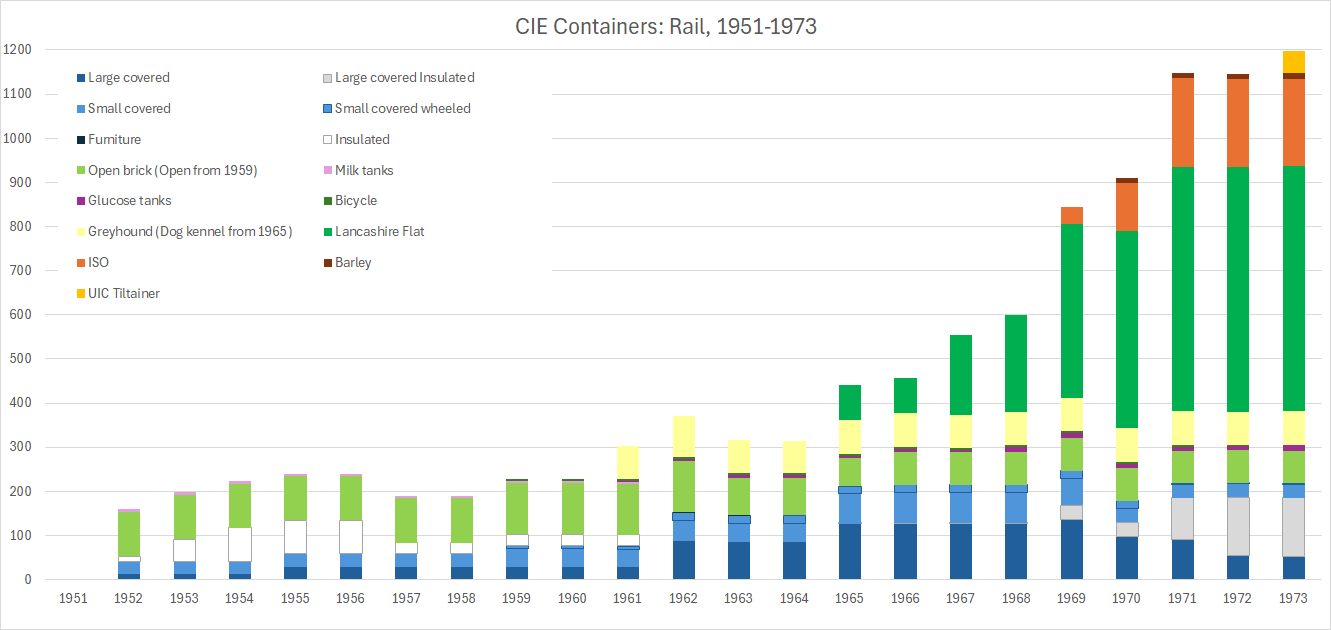
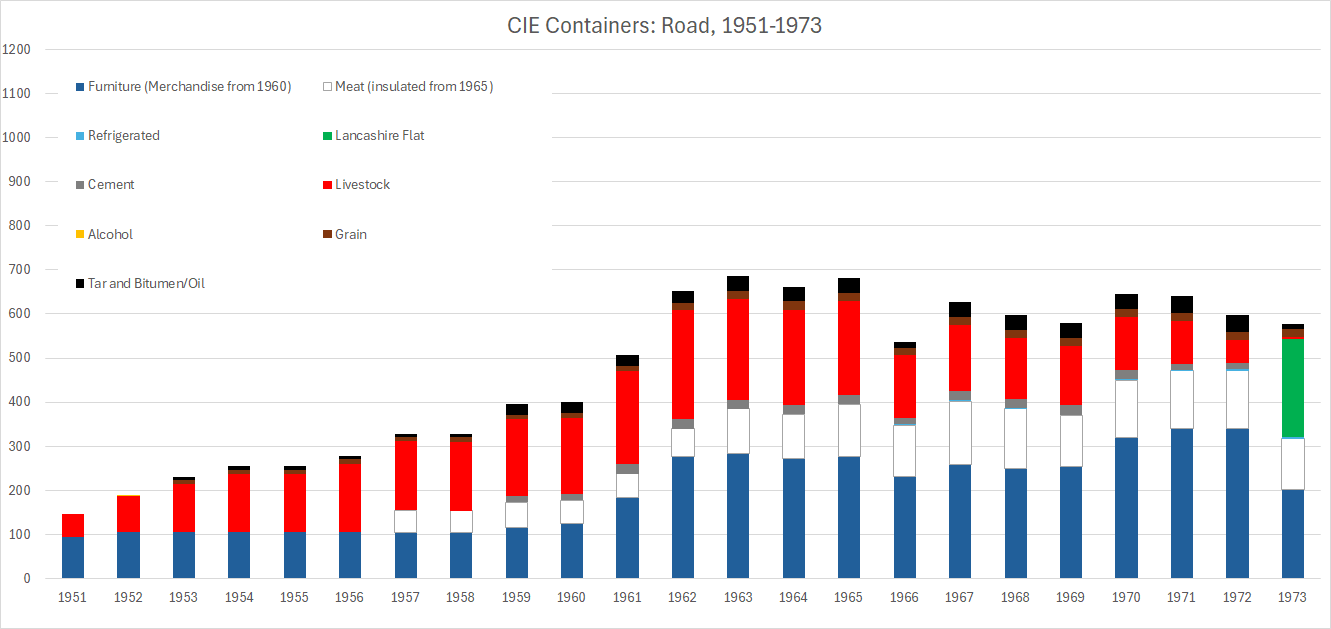
For the CIE container fleet, another source of information is the annual reports, which are online here: https://www.cie.ie/en-ie/Who-we-are/History-of-CIE/Historical-Reports Each year, these list CIE's assets which include containers (and of course railway rolling stock, road vehicles, etc). For containers, the data is generally quite comprehensive but there are some complications: The Rail and Road divisions list their containers entirely separately from each other, and use different classifications/descriptions of the container types The category boundaries can be blurred, for example is an insulated ISO container included in the 'ISO' category or the 'large covered insulated' category? The reporting format changes dramatically between 1973 and 1974, making it difficult to track trends. Let's start by taking a look at the rail division, 1951-1973: In 1951 the railway part of CIE did not declare any container assets, but this may have been an omission rather than an indication that there weren't any. From 1952 to 1961, the situation was fairly stable, with around 200 containers in total. Broadly speaking, these comprised roughly: about 30 'Large covered' - probably equivalent to a British Rail 'B' or 'BD' about 30 'Small covered' - probably equivalent to a British Rail 'A' up to 75 'Insulated' - perhaps equivalent to a British Rail 'AF'? about 100 'Open brick' - perhaps equivalent to a British Rail 'D' a handful of specialist containers for furniture, bicycles, and 6 milk tanks The GNR was a significant user of containers, and many of theirs came into CIE ownership after dissolution of the GNR(B) in 1958, but this isn't obviously reflected in the statistics quoted in the annual reports. The accounting of GNR(I) / GNR(B) assets in the 1950s isn't my specialist subject! In 1961, the Insulated containers disappeared from the Railway assets, but some new types were introduced: about 75 Greyhound/Dog kennel containers about 60 more 'Large covered' were added the 6 milk tanks were deleted and 6 glucose tanks were added - possibly the same tanks re-purposed? This situation continued until 1965, but before going beyond that date it may be useful to look at the CIE road division container fleet, shown in this graph: From the first report in 1951, the road division had around 100 Furniture containers, later reclassified as Merchandise. They also had a growing fleet of Livestock containers. A handful of alcohol, grain and tar containers soon joined the fleet. In 1957, 50 Meat containers joined the road fleet, at the same time as the railway fleet of Insulated containers was reduced from 75 to 25. This probably represents a transfer of assets between divisions. The figures suggest that the remainder were transferred in 1962/63. A small group of Cement containers were introduced in 1959-1961. The road fleet of Furniture/Merchandise containers was signficantly increased in 1961/2, followed by the addition of more new Meat/Insulated containers. The fleet then remained fairly constant through the 1960s although the livestock containers decreased in number. All the containers discussed so far in this post were pre-ISO types, because the ISO regulations were not published until the mid-1960s. Before moving on to the late 1960s, I'll add a few photos of these pre-ISO containers in the next posts.

-
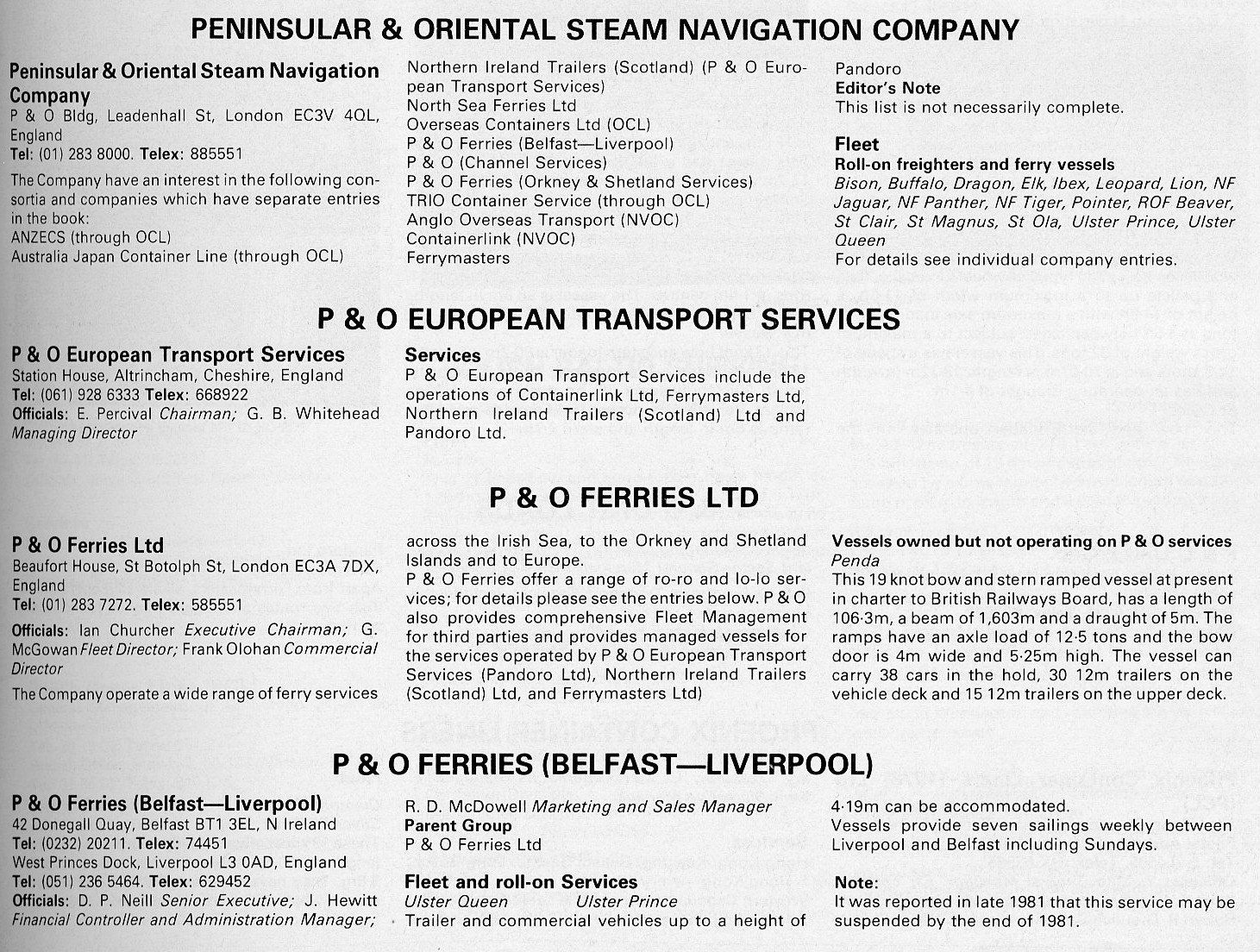
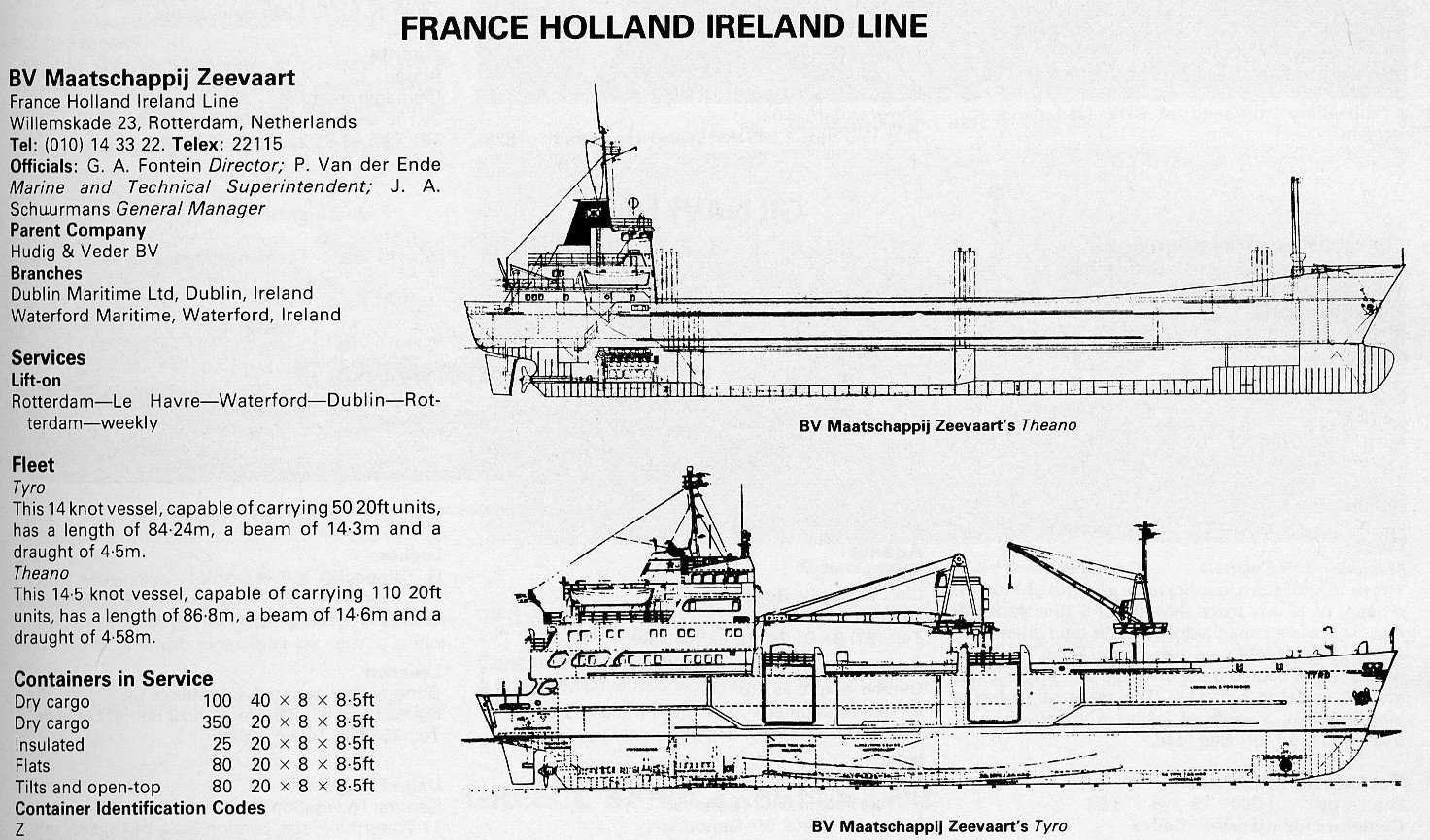
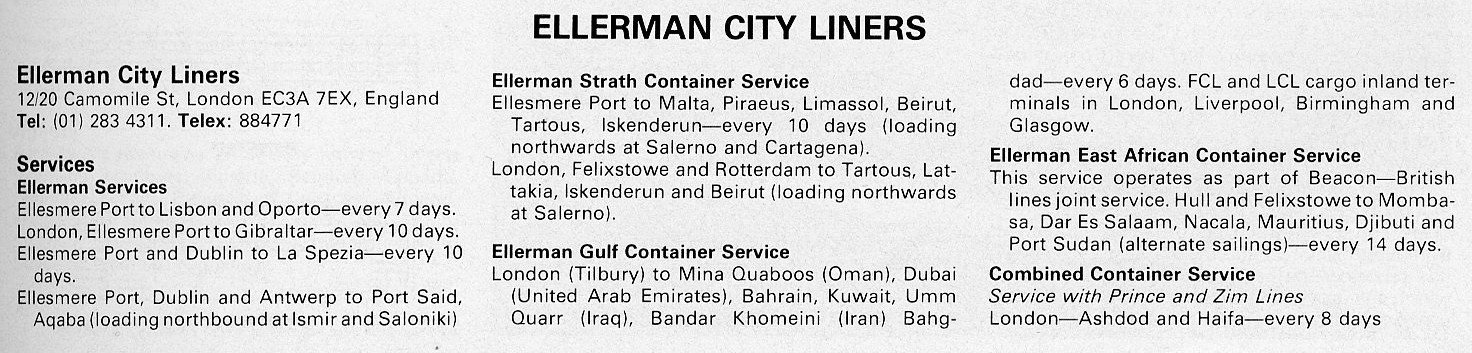
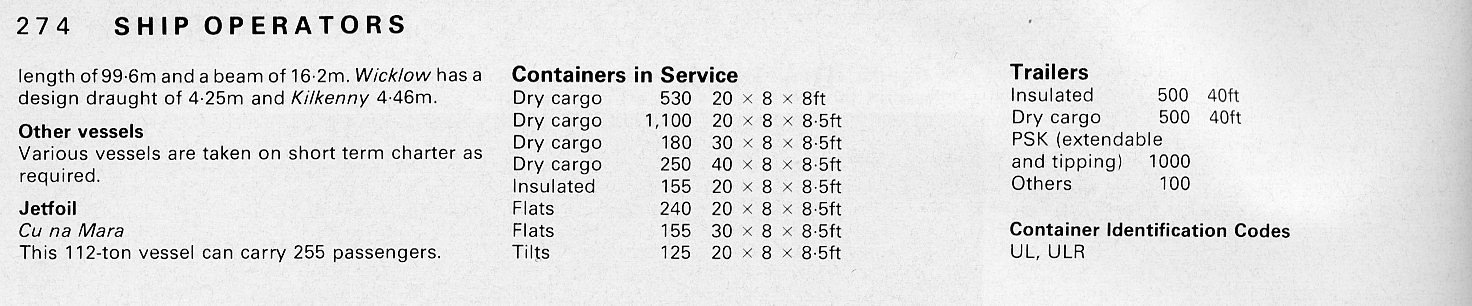
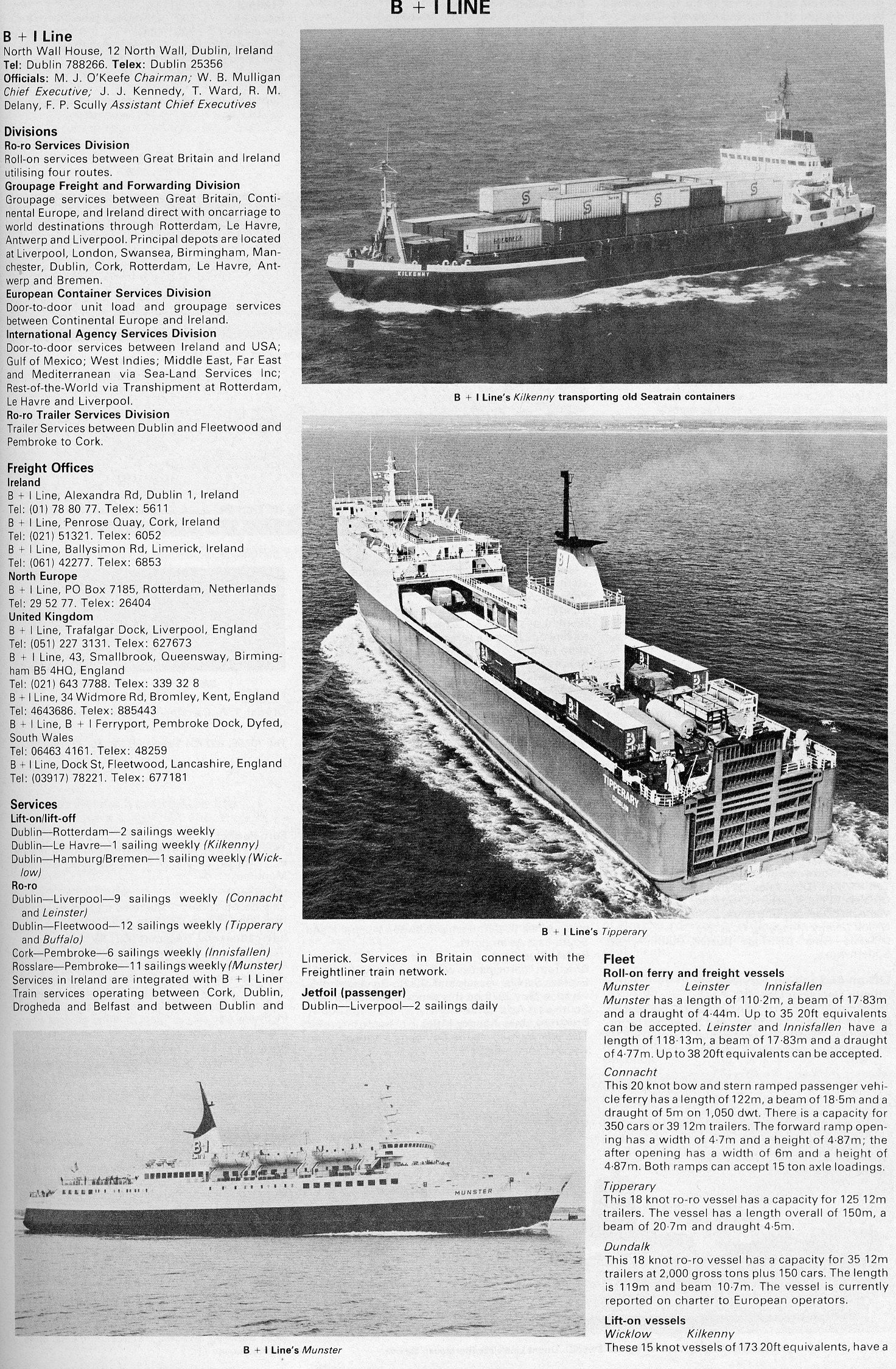
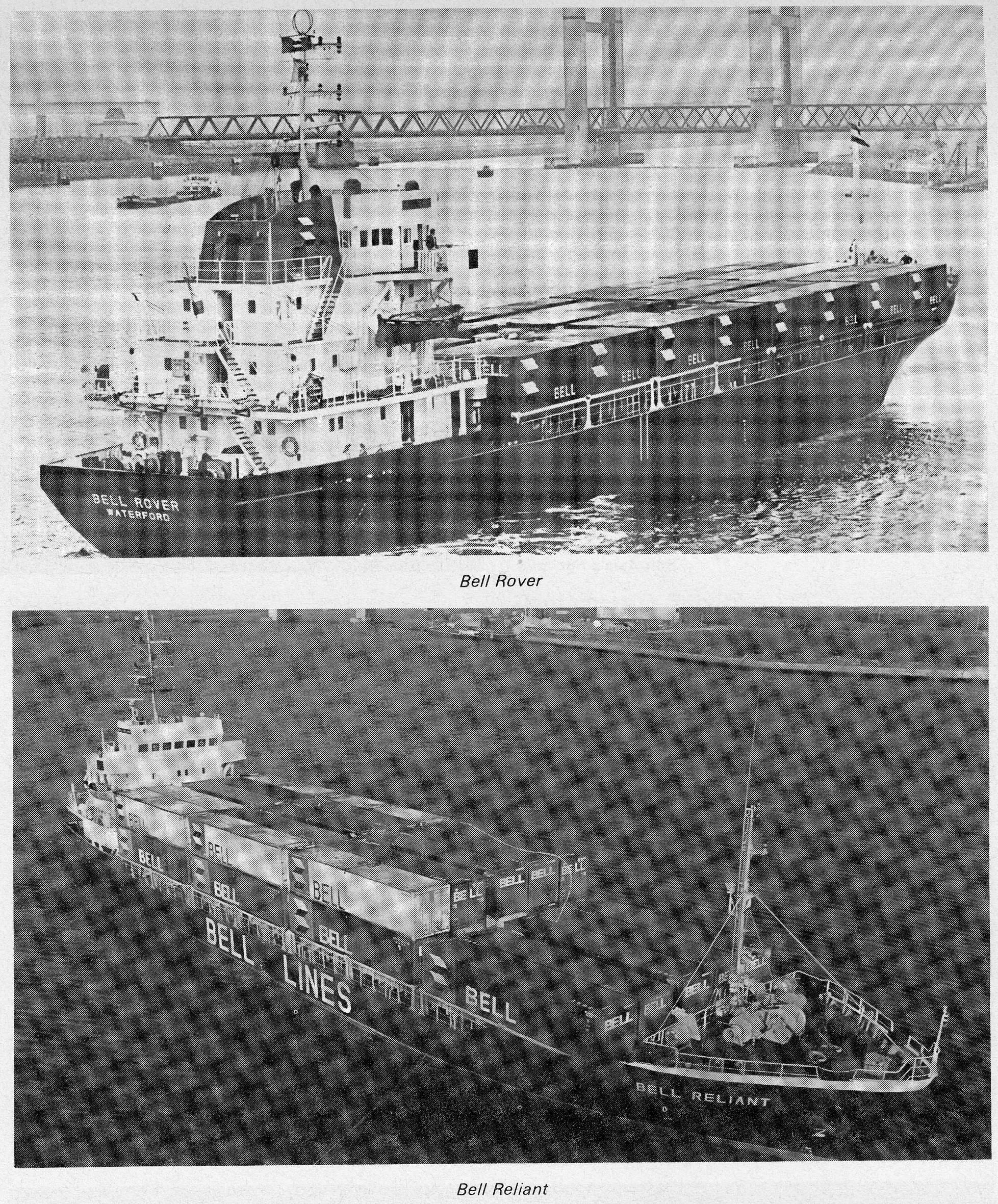
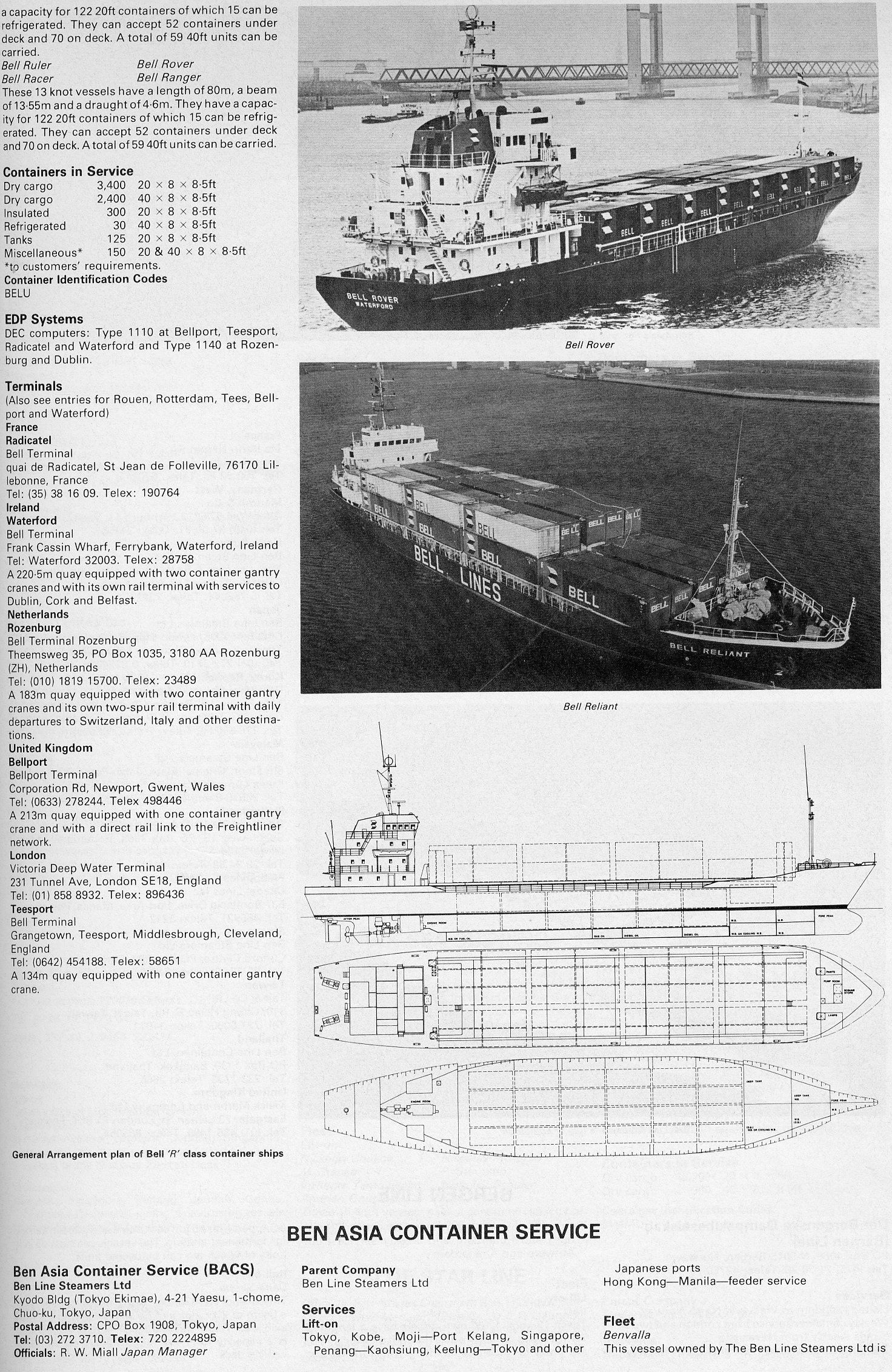
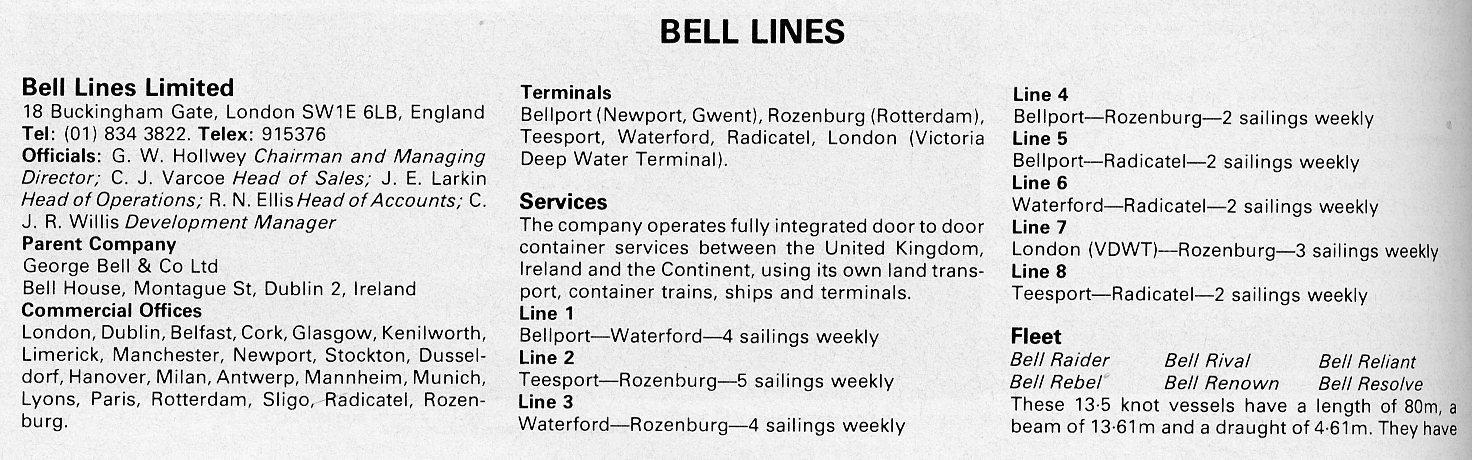
In 1982, both Bell and B+I were still going, and provided detailed entries for Jane's including container fleet listings. 40' containers were becoming more numerous but far from dominant at this date: P&O's subsidiaries were listed together under the owning company's heading: Ellerman Lines had played a bit part in Dublin services for a while, and I've seen Ellerman Lines containers on trains in photos at North Wall, so I'd better include a bit of information on them here. Their main business was the Med and Gulf via Suez: Another shipping line that had been operating to Ireland for a decade or so on a fairly low-key basis was the France Ireland Line, sometimes known as the Holland Ireland Line, or indeed the France Holland Ireland Line! I don't know much about this firm or their containers, but they served both Waterford and Dublin:
-
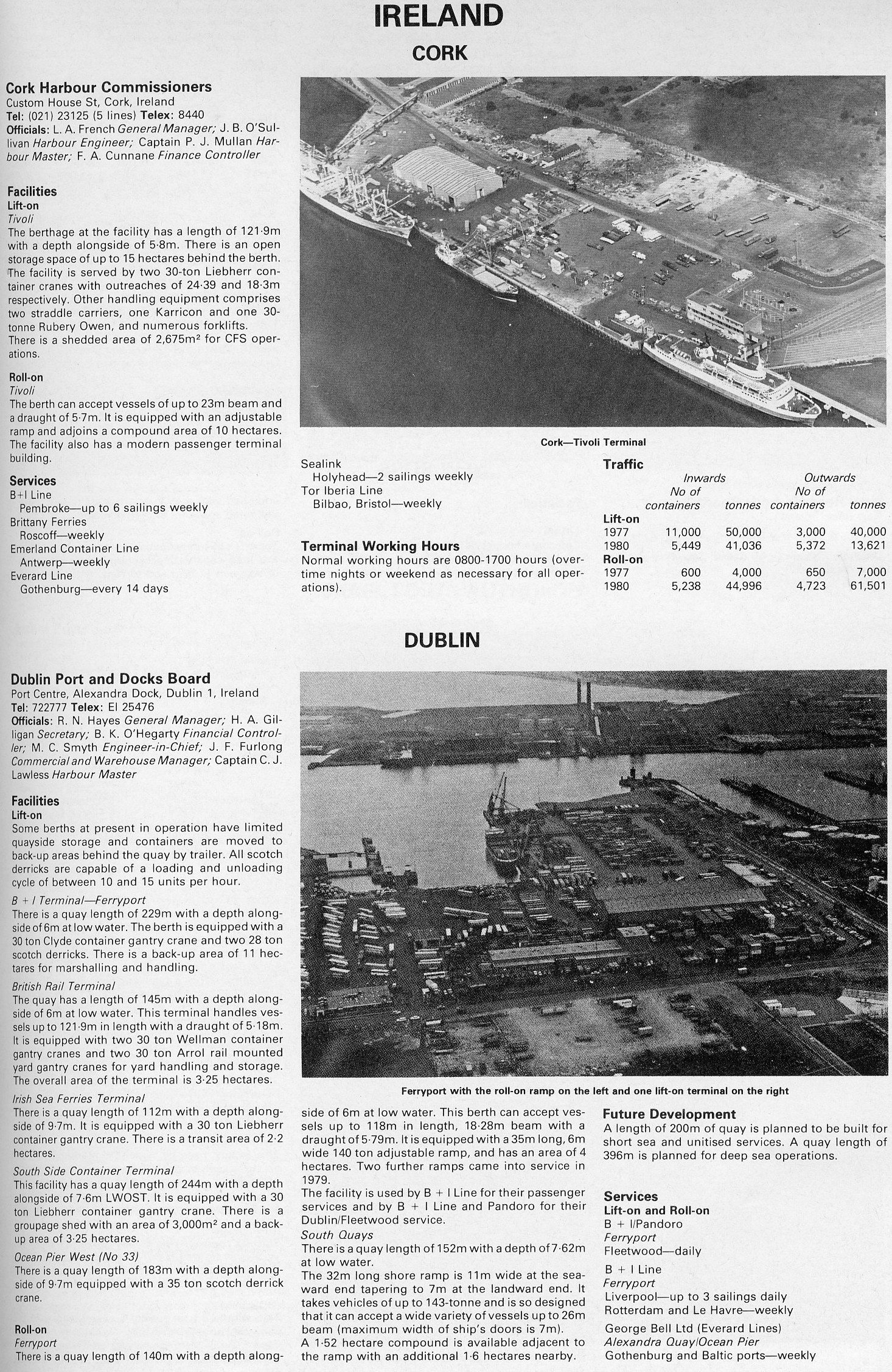
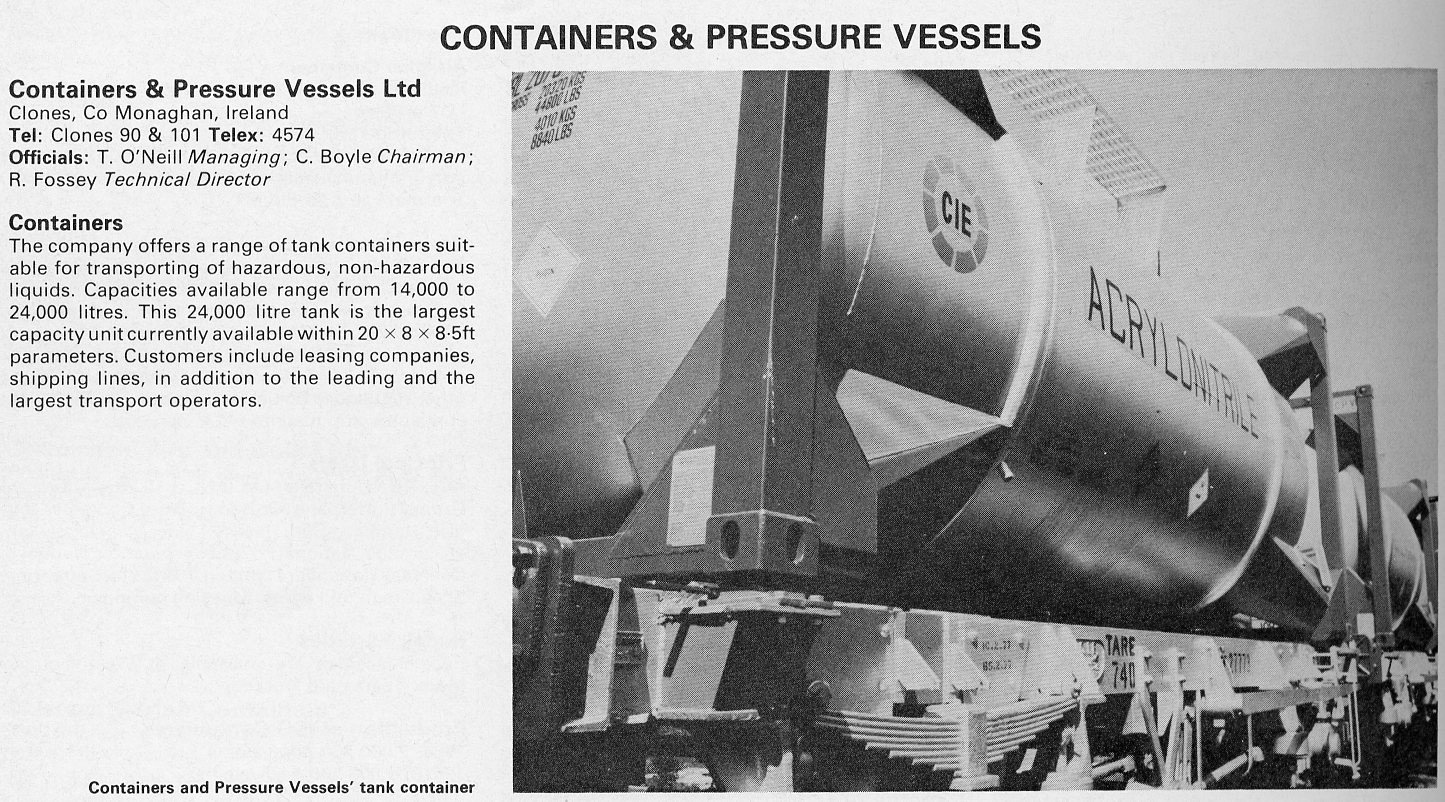
Moving on to the early 1980s, and my last copy of Jane's Freight Containers is the 1982 edition. By this time there had been massive changes in the global container shipping scene, and Ireland was just a minnow in the grand scheme of things. There had also been a lot of mergers and acquisitions, and hundreds of 'fallen flags' in US parlance. Here's the Ireland section: By now, CIE had introduced their 'Uniload' 10' containers which were a pretty late development in the grand scheme of things. The hopper containers still merit inclusion as a curiosity. The side-door 20' boxes are pictured as something more typical. In the manufacturers section the new Acrylonitrile tanks merited attention, and the firm in Clones seems to be on a marketing offensive:
-
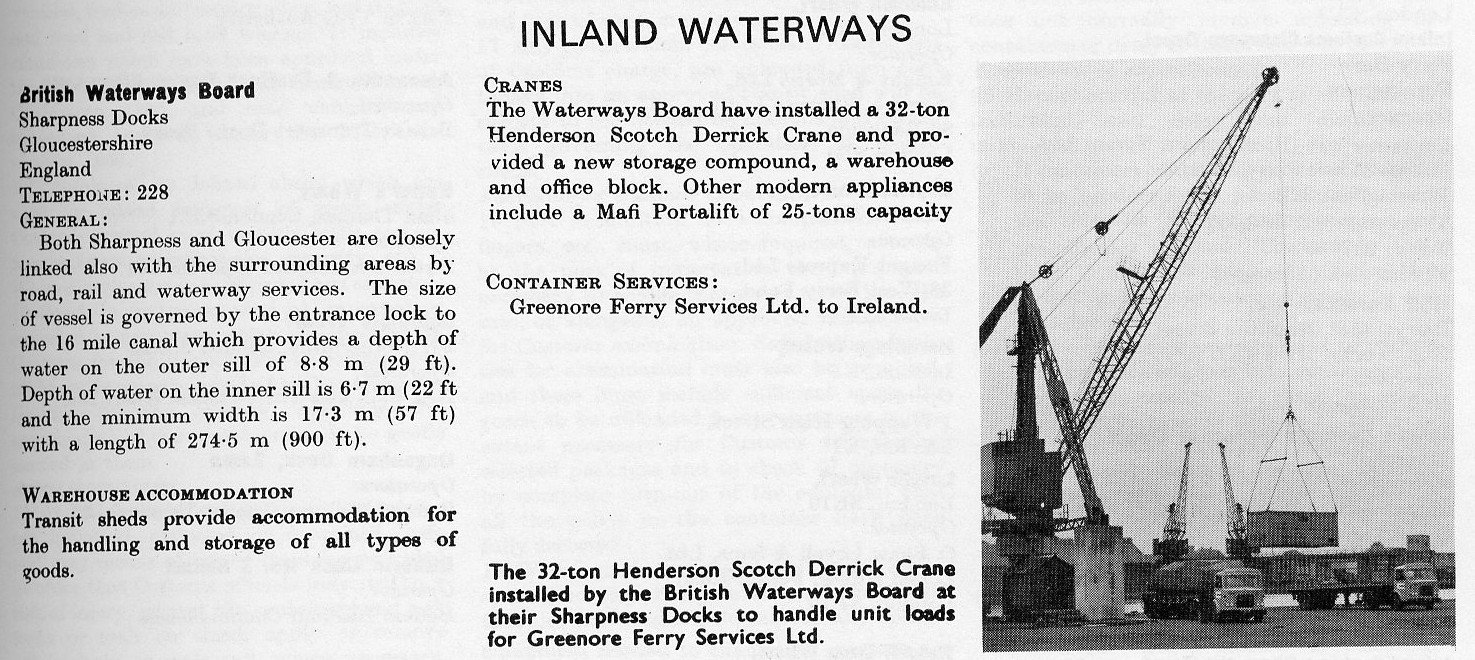
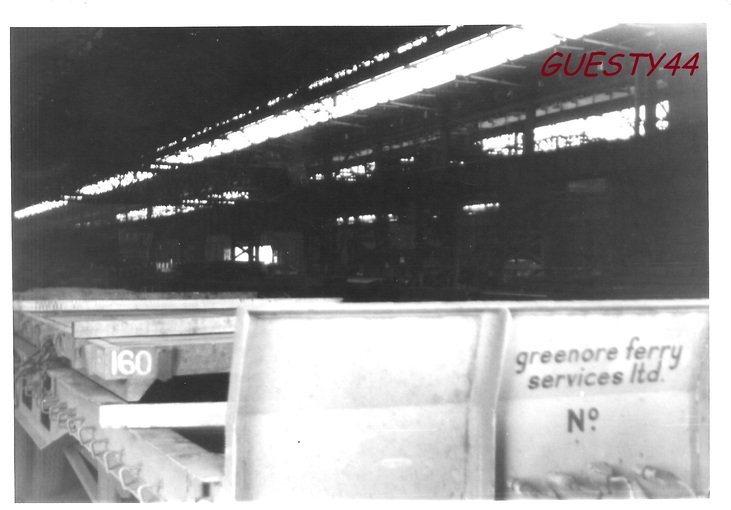
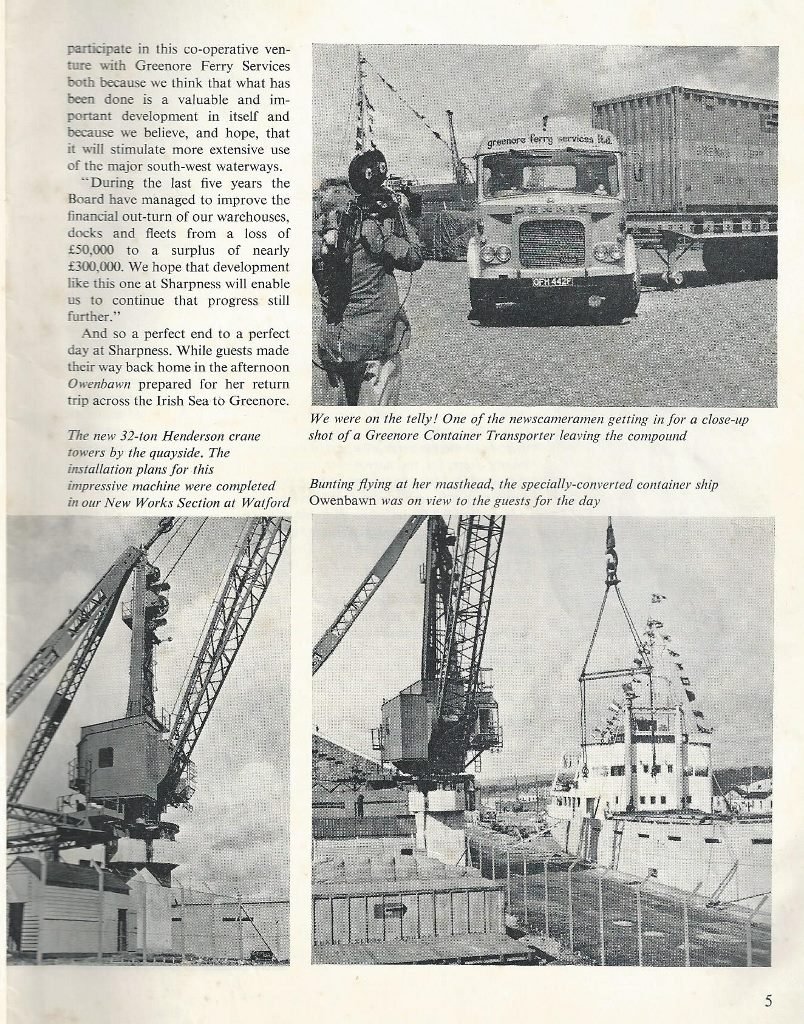
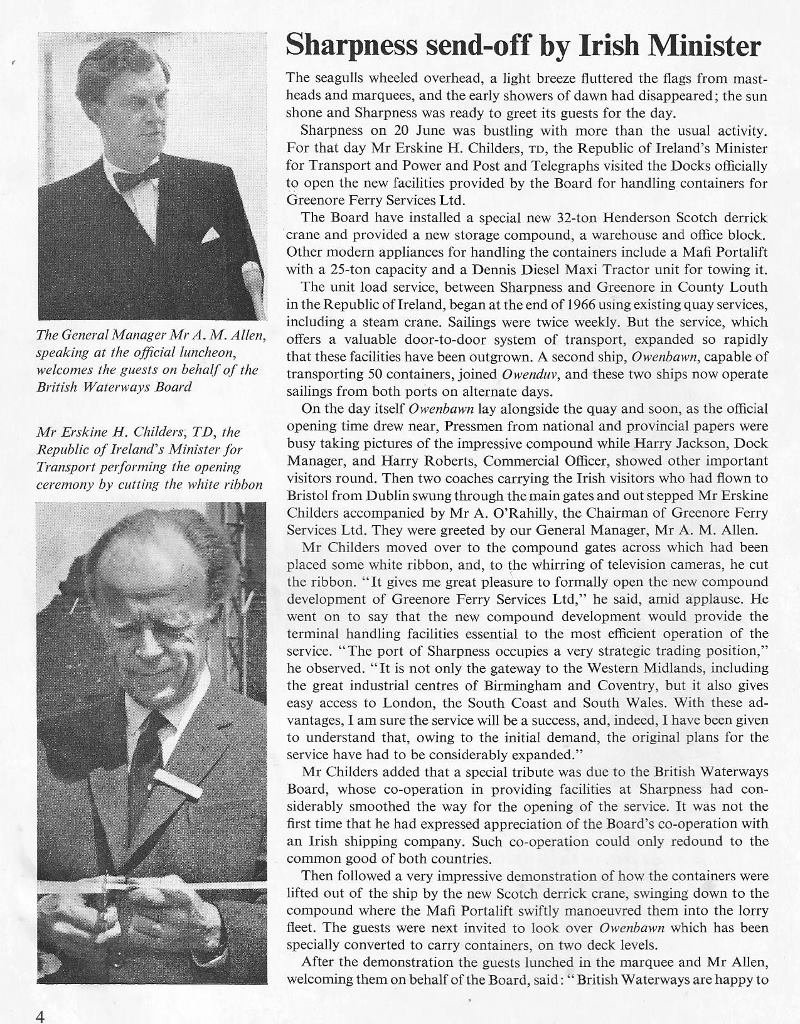
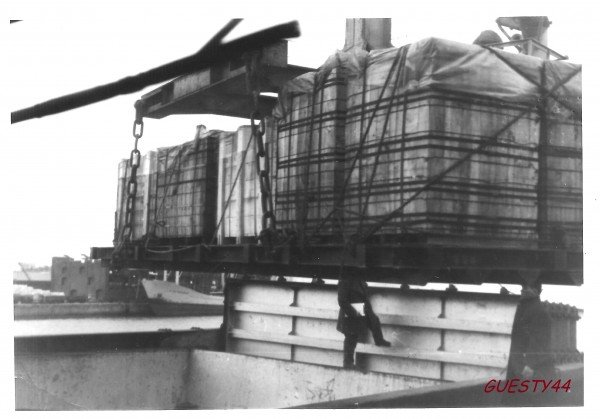
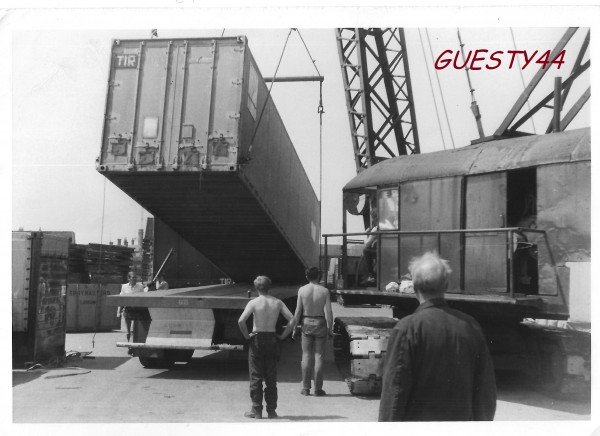
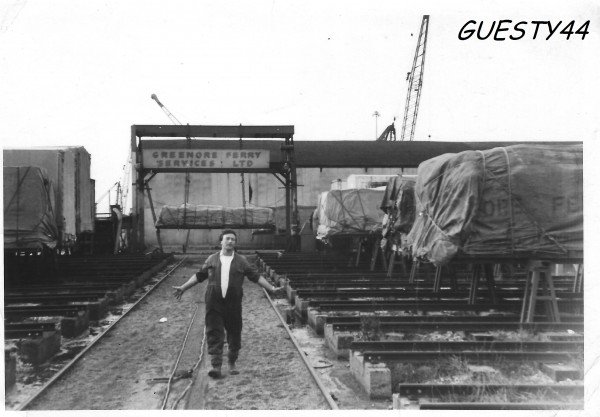
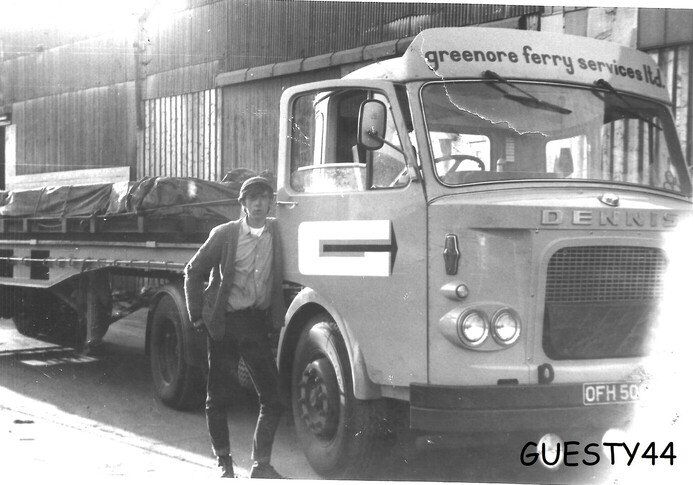
Possibly displaying an unhealthy fascination with Greenore Ferry Services (and I don't know if their containers ended up on trains in Ireland) here are four photos of their vessels with containers loaded. Looks like they were unpainted alloy with a yellow band around the middle: https://www.shipspotting.com/photos/1719326 https://www.shipspotting.com/photos/1774147 I wonder if any of these do appear on a train in photos from the 1970s?
-
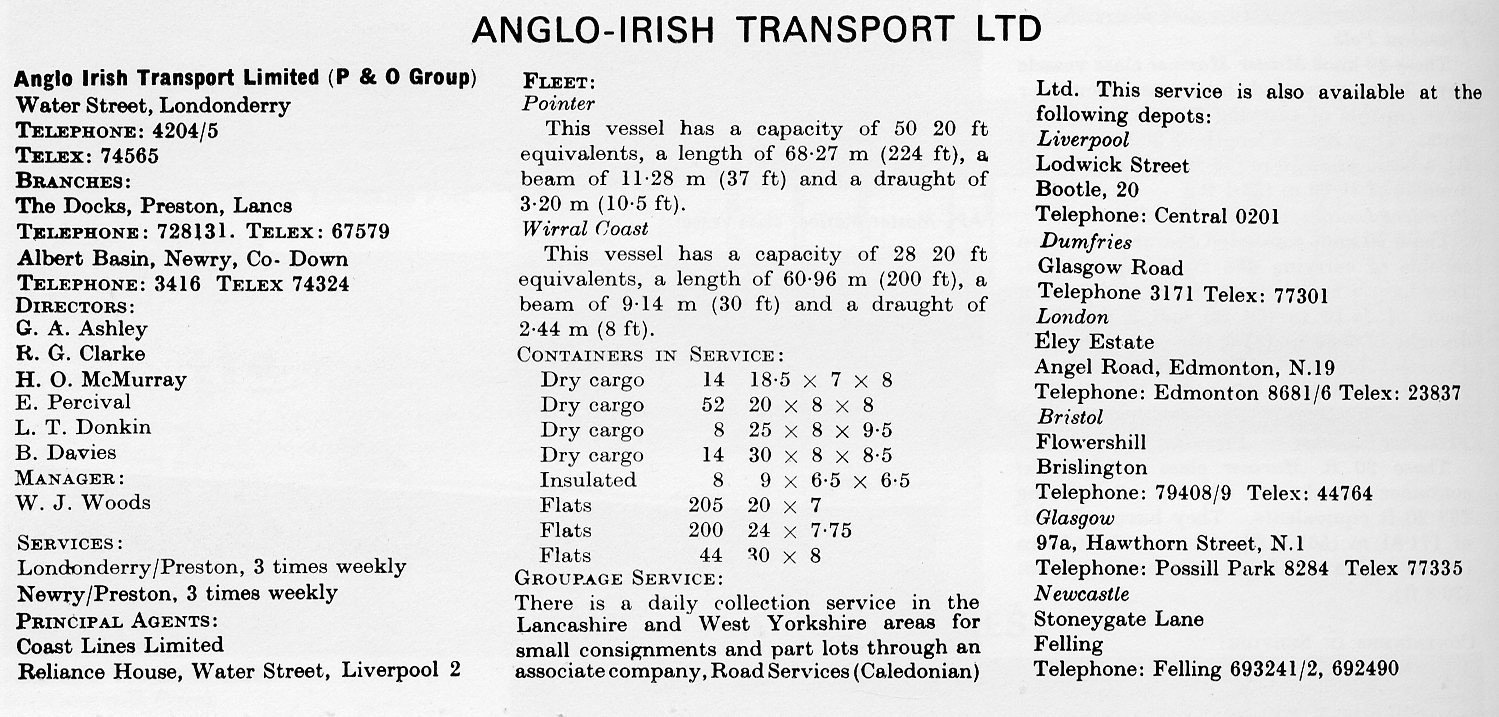
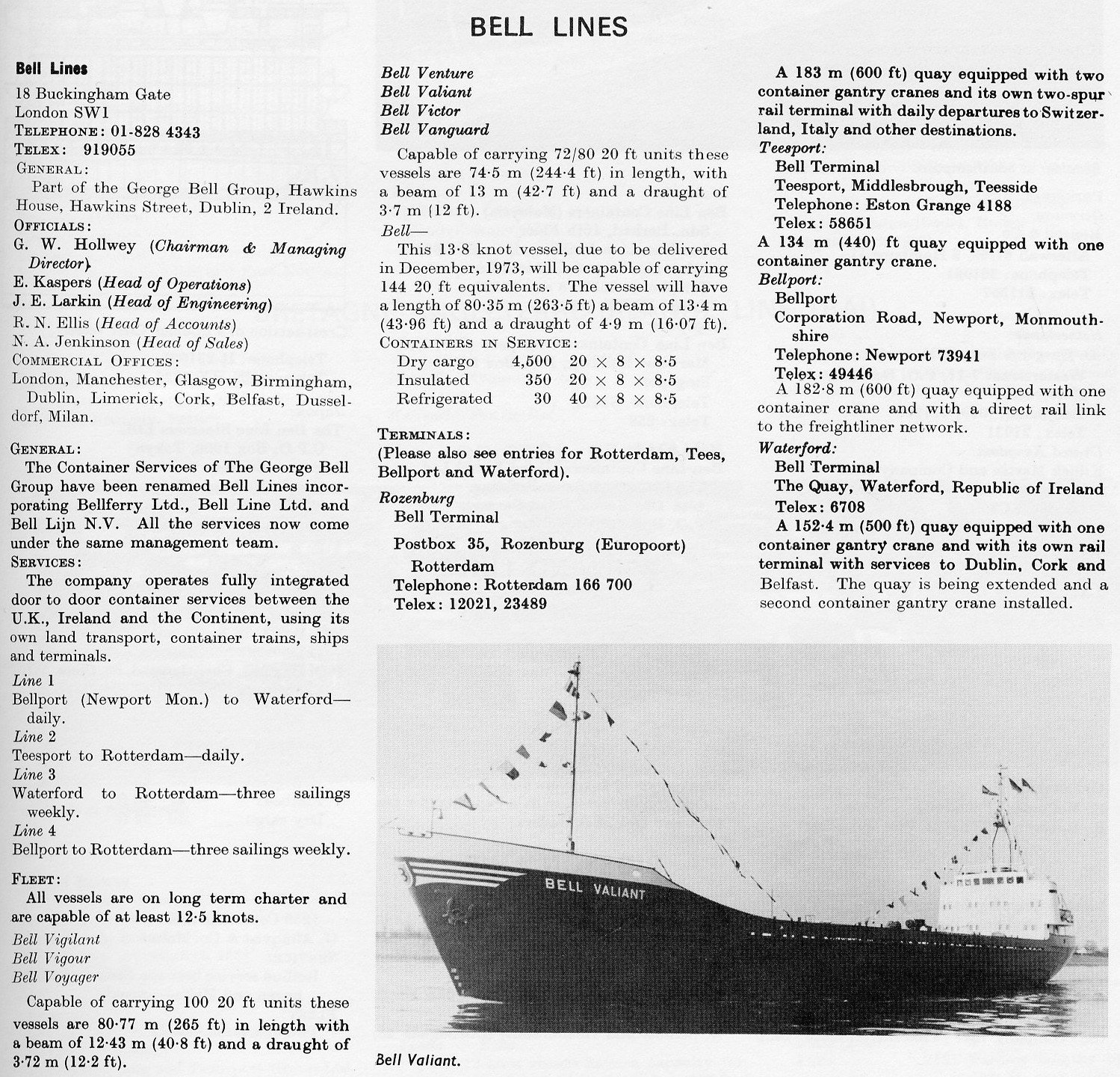
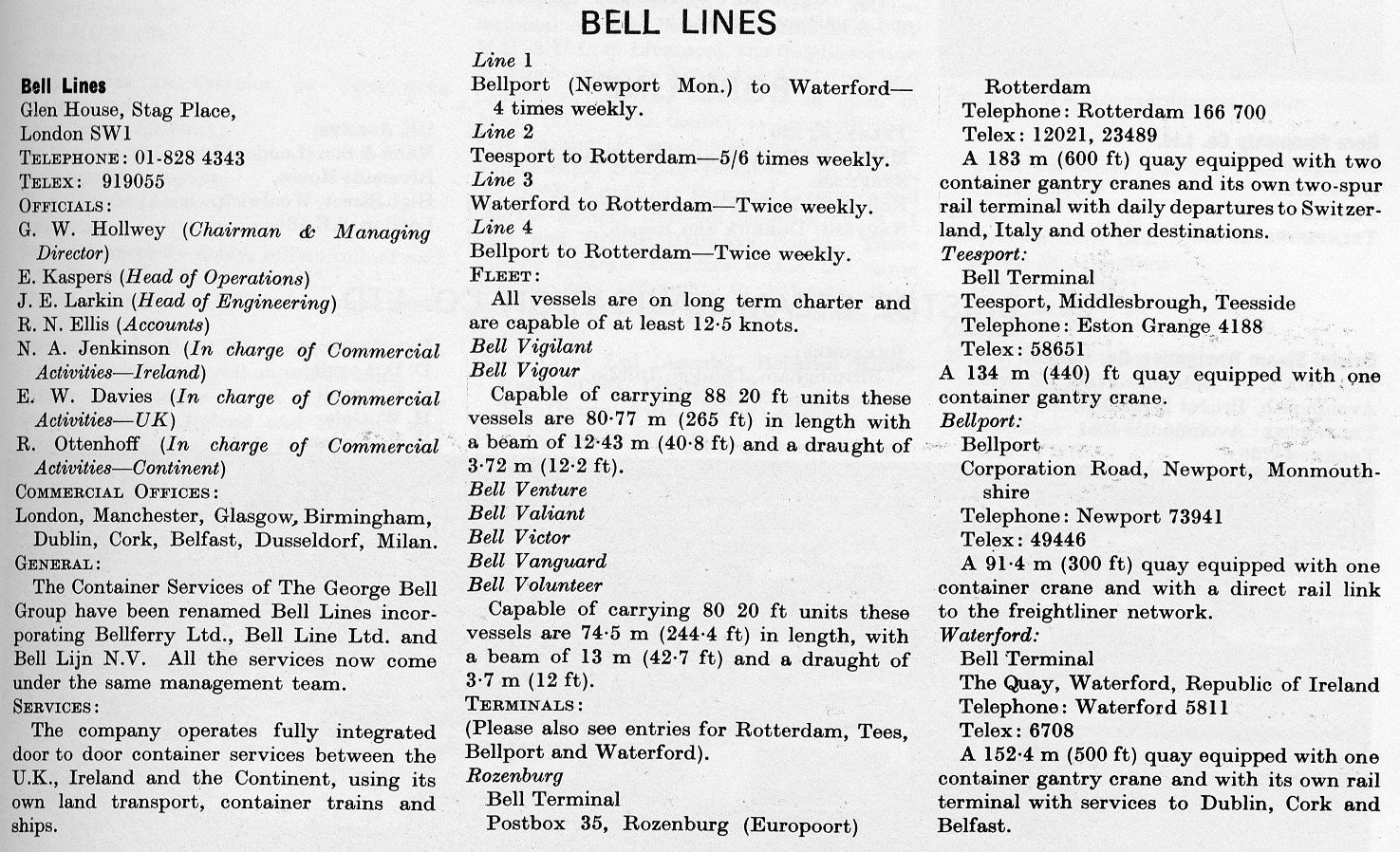
I'll now take a quick look at the 1973-74 Jane's. Container shipping was evolving rapidly at this time, with smaller operators merging, being taken over, or simply failing to compete. The 'Republic of Ireland' section ran to 5 pages with the usual suspects: CIE's listing was a bit briefer than in previous years but did included an updated container fleet list (above). They were also advertising their road freight service to Europe: One of the container crane adverts included a nice photo at Dublin, featuring a variety of containers - Irish Ferryways and Containerway on the quayside while an anonymous Lancashire Flat is craned aboard the ship : I'm not sure who was operating the ship at the time, but here's a link to another photo of her on the Ships Nostalgia site at Garston in 1975, with plenty of Cawoods containers on board: Back to Jane's, and the B+I listing for this year wasn't very interesting for containers, but the Bell listing does give a useful fleet list; all their containers were 8'6" tall and the 20' dry cargo type was dominant: We can see the start of the merger period because the Coast Lines Group (which included Anglo-Irish, Northern Ireland Trailers, Link Line and others) is now part of the P&O group. Note the container fleet listing, some of ISO sizes and others not: On the subject of Northern Ireland Trailers as part of this group, there are some nice photos of their equipment on Flickr (click on photos to link back to the originals for more info on each): Something for the old truck lovers in there! Also some older photos at Preston of the Irish services with earlier container types:
-
Thinking about models, Arran does a 20'x8'6" undecorated drybox with vertical logo panels that is a pretty close match to those B+I IROPA boxes, could be a fairly easy job with all-over orange and a couple of panels of lettering. https://shop.c-rail-intermodal.co.uk/index.php?route=product/product&path=72_73&product_id=159 CIE also had some boxes of this general type with the vertical logo panels: For the older B+I 20'x8' alloy types with quite widely-spaced ribs, I think there's scope to modify some of Arran's flush-sided ones of this type: https://shop.c-rail-intermodal.co.uk/index.php?route=product/product&path=72_73&product_id=292 I'd rub down the sides to remove the rivets and then add thin plastic strip ribs. Because the livery is mostly in the coloured bands, these could be done as transfers in one piece for each side. Arran doesn't currently sell these 8' high boxes as kits or undecorated, I wonder if that's possible as it would make the conversion both easier and cheaper? Perhaps I will ask him after the Christmas hols... Incidentally I went searching in my stock of paints looking for something orange, and found a couple of decades-old jars, not just CIE orange but Bell purple too. I wonder if they are still usable?
-
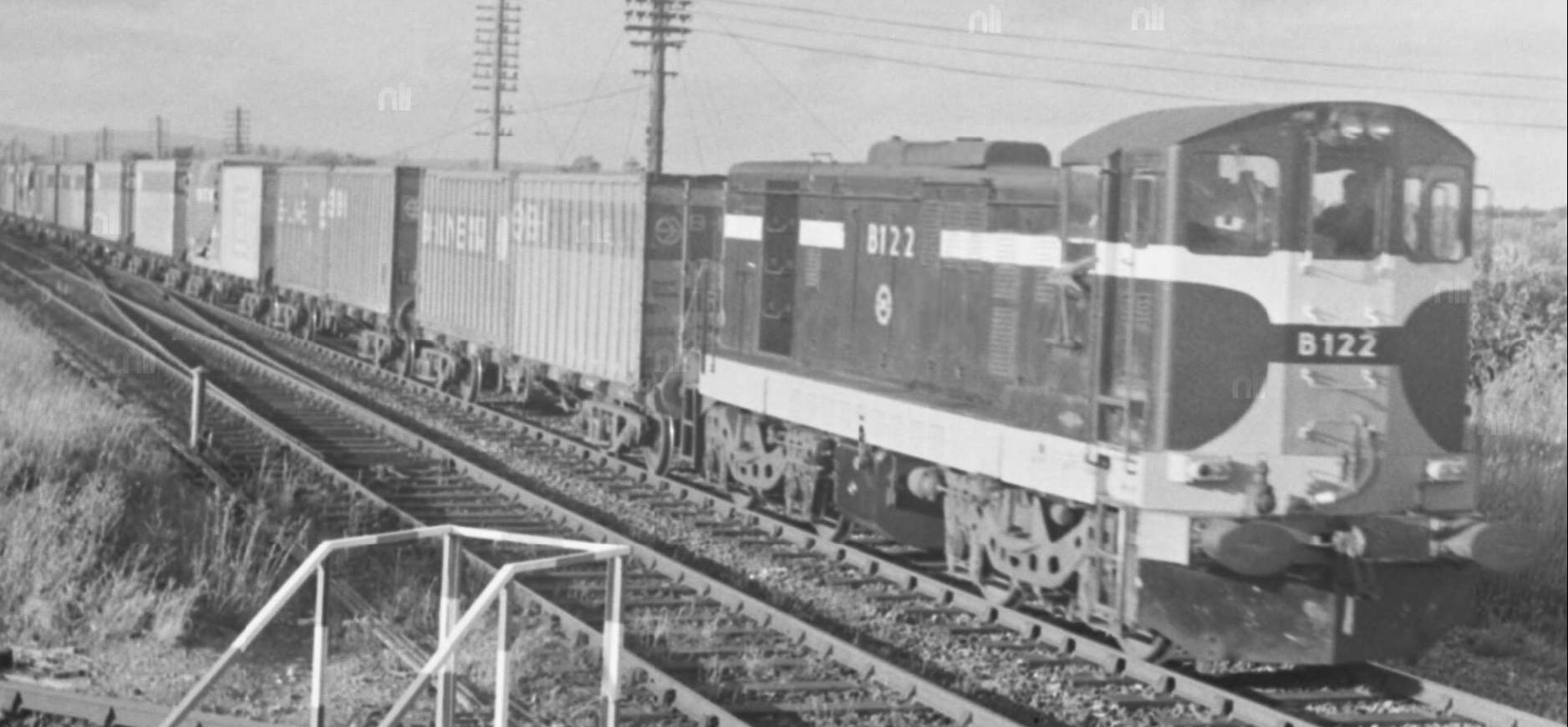
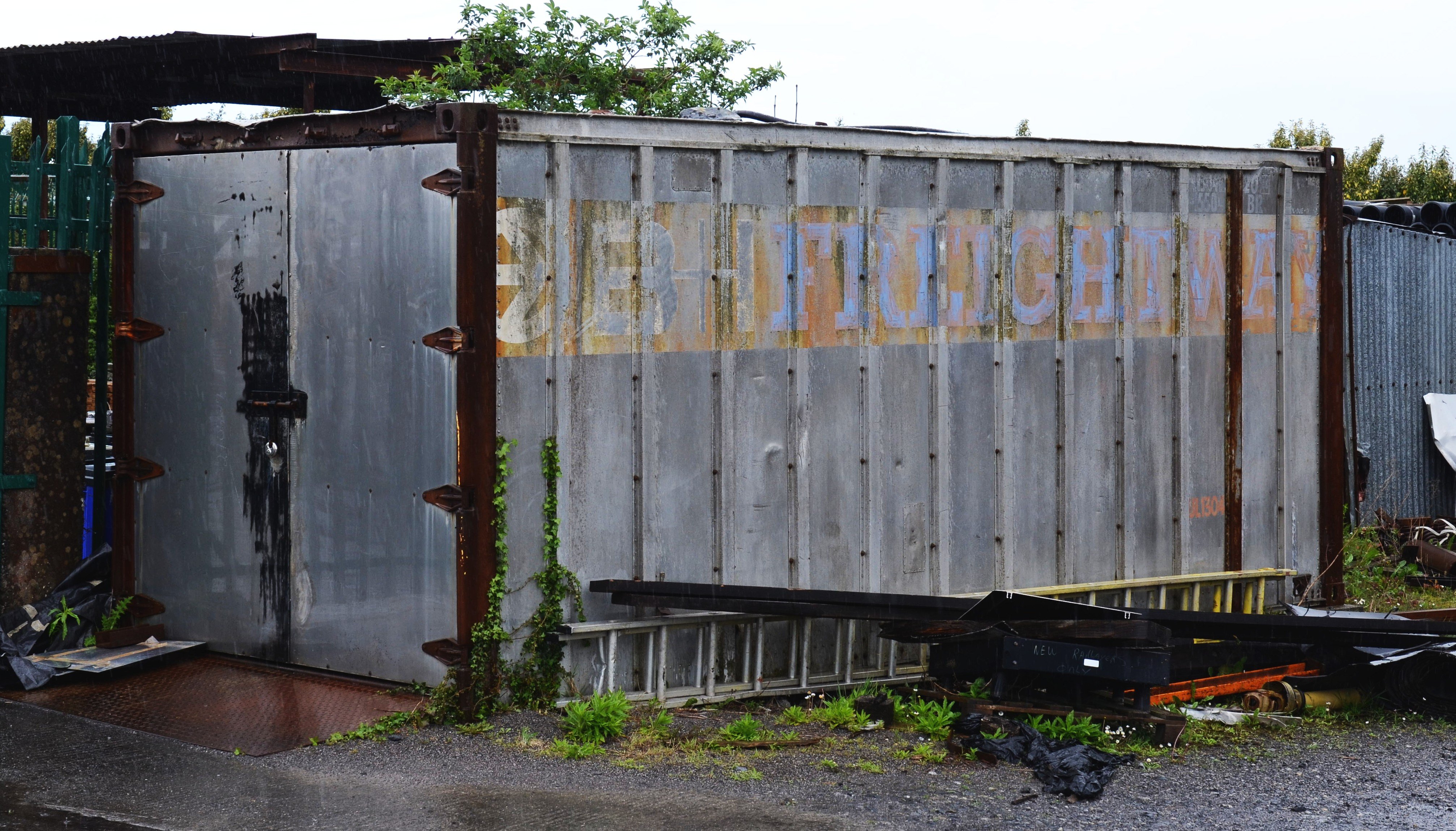
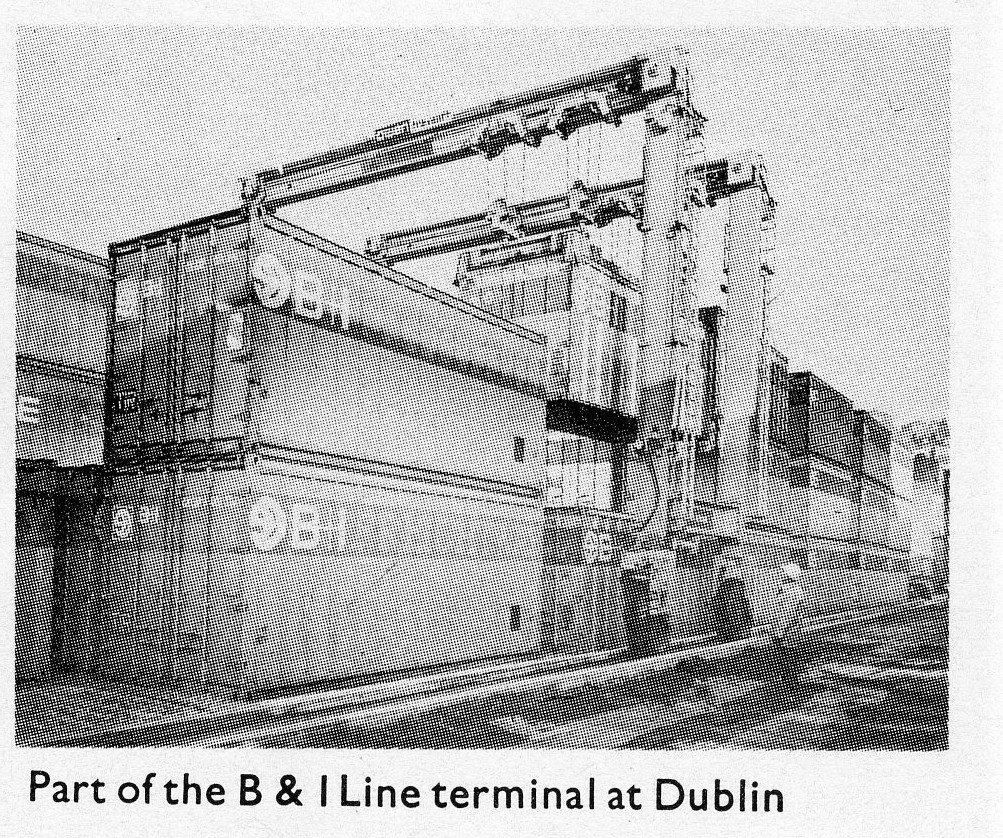
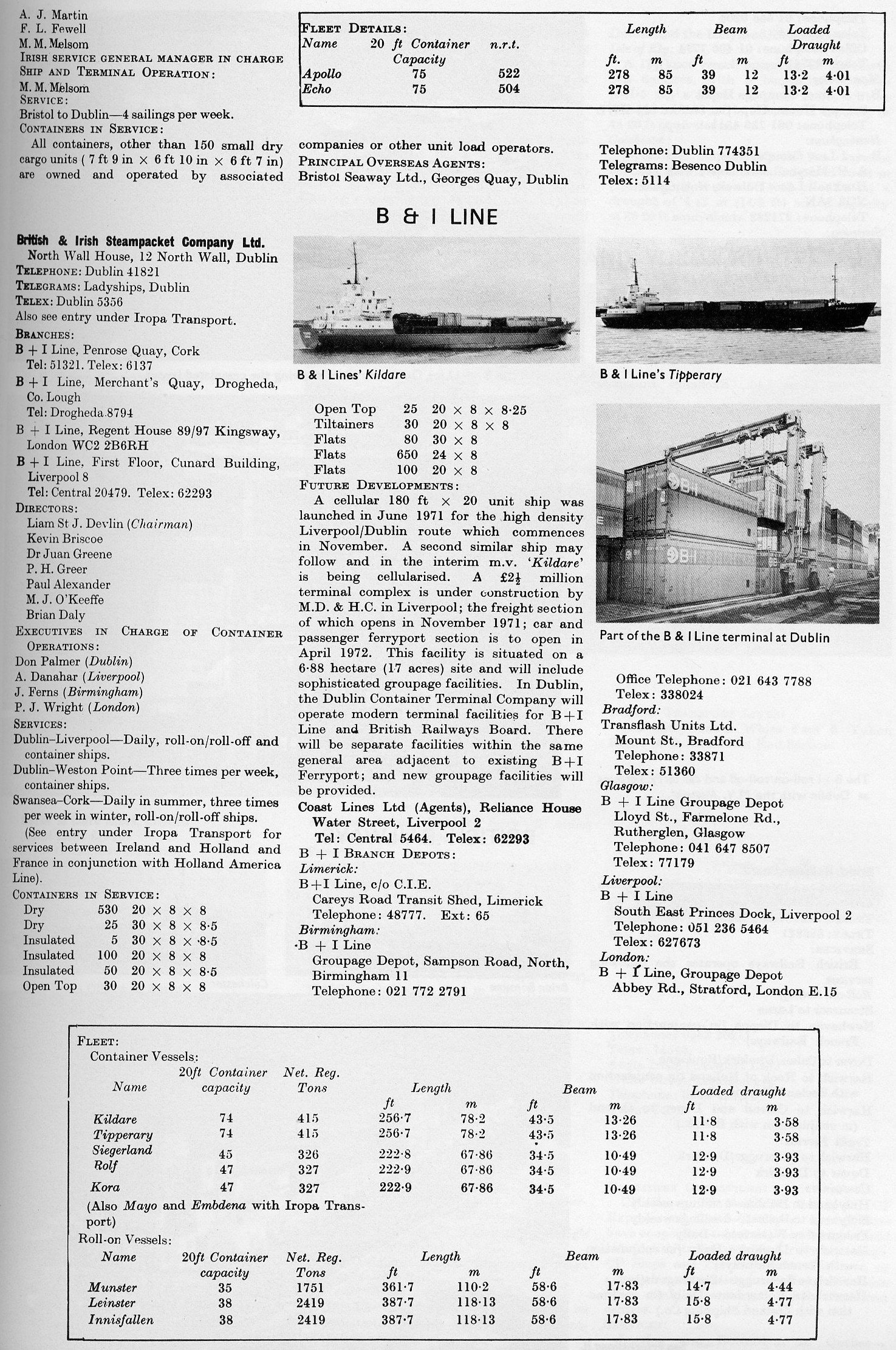
One thing I missed when scanning the 1970-71 edition was that a few operators provided details of their container numbering schemes. Among them were entries for B+I and CIE. The B+I listing gives information on their pre-ISO numbering scheme for the early boxes and flats, as follows: In the same edition in the main part of the book, their fleet was listed as follows, which is almost consistent but of course doesn't give the actual number ranges: Looking at this wonderful 1971 image from Jonathan Allen on Flickr, the B+I line container on the wagon appears to be numbered UL 768, a 20x8x8 dry box. Note that these early B+I boxes had a blue stripe, and were lettered in white B+I LINE with the logo on a red square. This is distinct from the livery that came shortly afterwards, where the stripe was changed to red, the lettering to B+I FREIGHTWAY in a mix of white and blue: This photo from the NLI archives is also dated 1971 and shows both types together in a train; the first 4 containers are two of each type, and they are all the same height (8') although the red stripes are higher up the sides than the blue ones. The fifth container appears to be an ACT box, while the sixth is an 8'6" high open top and curtain sided 'tiltainer'. Beyond that I think are two 30' long boxes? https://catalogue.nli.ie/Record/vtls000307819 Another NLI photo shows some of the B+I 'tiltainers' with IROPA branding in 1973 (as mentioned before, IROPA was a B+I joint venture): https://catalogue.nli.ie/Record/vtls000307963 By 1979, the new B+I branding (as modelled by C=Rail) was making an appearance as shown in this photo in the IRRS Flickr archive: https://www.flickr.com/photos/irishrailwayarchive/53511107541 However, there were still quite a few of the 'red stripe' livery boxes around, and plenty of the orange ones with a blue B+I / IROPA panel as shown in this photo by Wrenniere: I'm going down a rabbithole and getting ahead of myself with B+I. Back to the 1971 container fleet listing section and the other Irish entry which was for CIE: It starts off looking very promising and then just stops, mid-sentence, without giving any numbers or explanation of them. Not as helpful as it might be! Note that both ISO and pre-ISO containers are included in the listing, and the quantities of each are combined. The following year, the CIE container fleet listing is given as follows, categorised a bit more helpfully: I'll explore these some more in due course.
-
I think the Inchicore paintshop staff may have had one too many pints of Guinness at the Christmas party before spraying that one!
-
Merry Christmas - everyone needs an orange in their stocking! https://www.flickr.com/photos/irishrailwayarchive/53511632554 https://www.flickr.com/photos/irishrailwayarchive/53570643358 https://www.flickr.com/photos/irishrailwayarchive/53511775805 https://www.flickr.com/photos/irishrailwayarchive/53510231502 https://www.flickr.com/photos/152343870@N07/52074843633 There's a blue one here among the orange and alloy versions: https://www.flickr.com/photos/irishrailwayarchive/53509178353
-
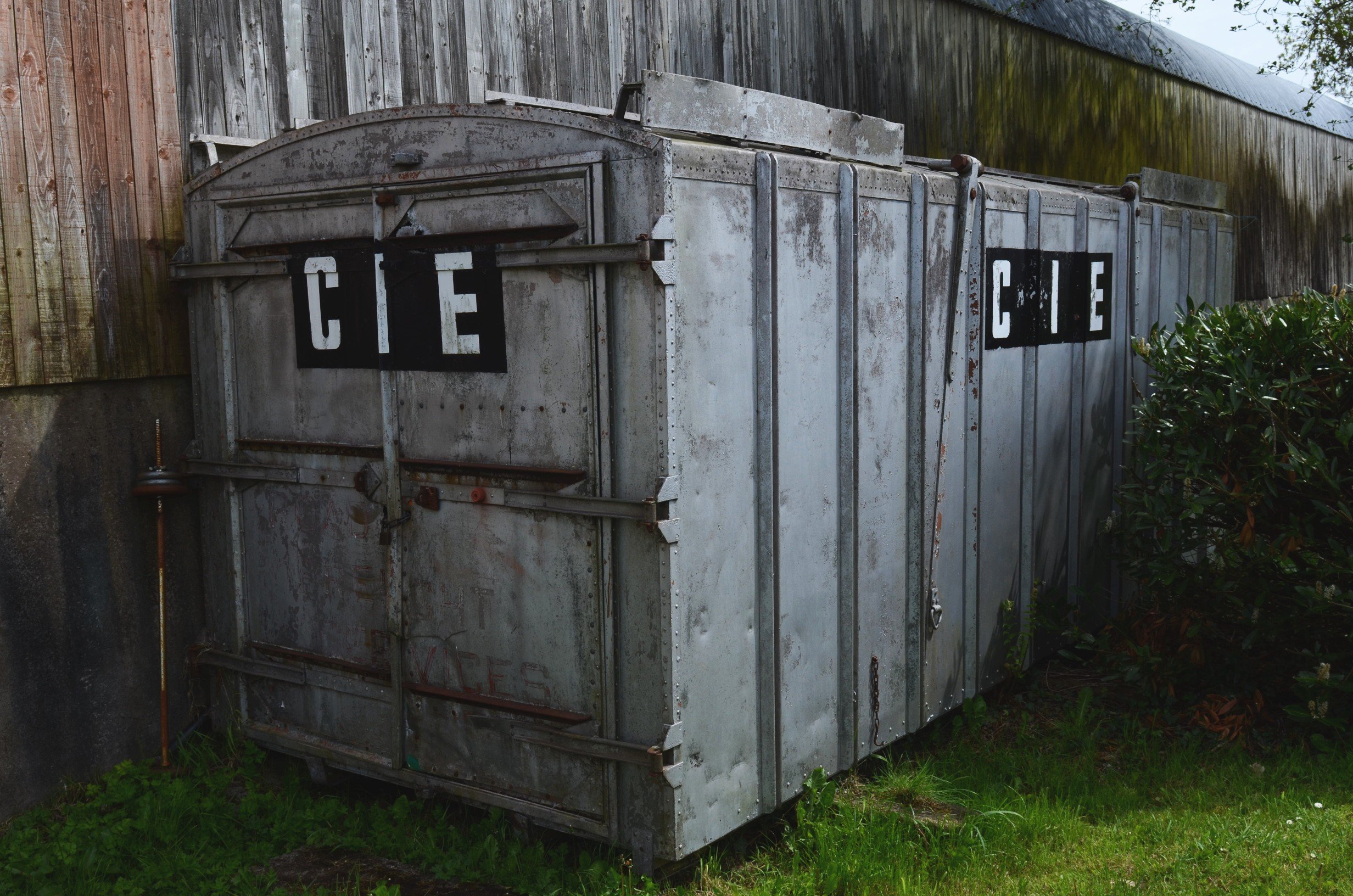
I was thinking the same, though I don't have the facilities to do it myself. Perhaps we encourage one of the other forum members who could? I'm going to do a little thread about them bringing together the information on them, and of course with a survivor there is scope to measure up. There were at least four liveries carried by them - alloy with snail, alloy with block lettered CIE (as preserved), orange with roundel, and blue. They lasted well into the 1970s.
-
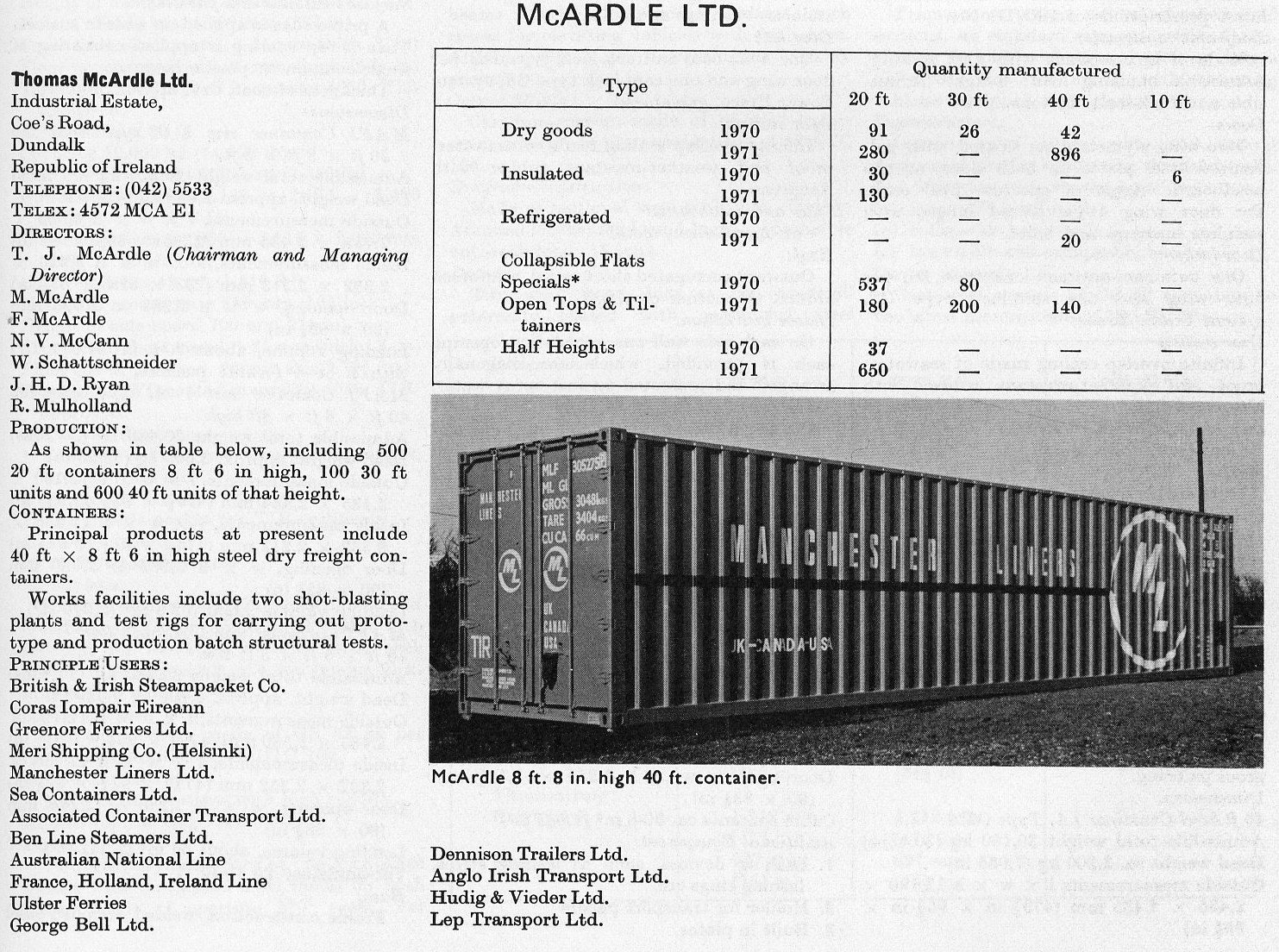
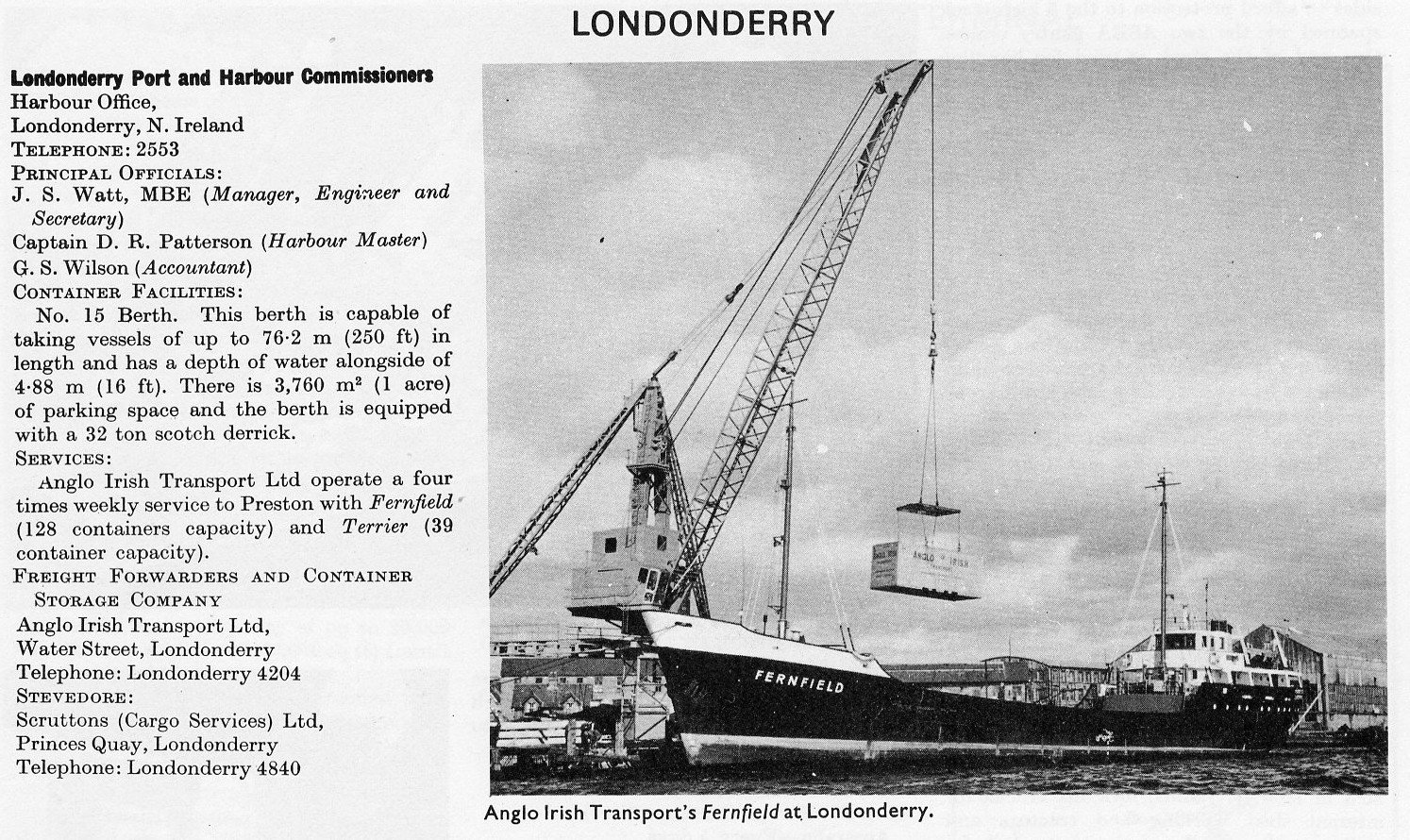
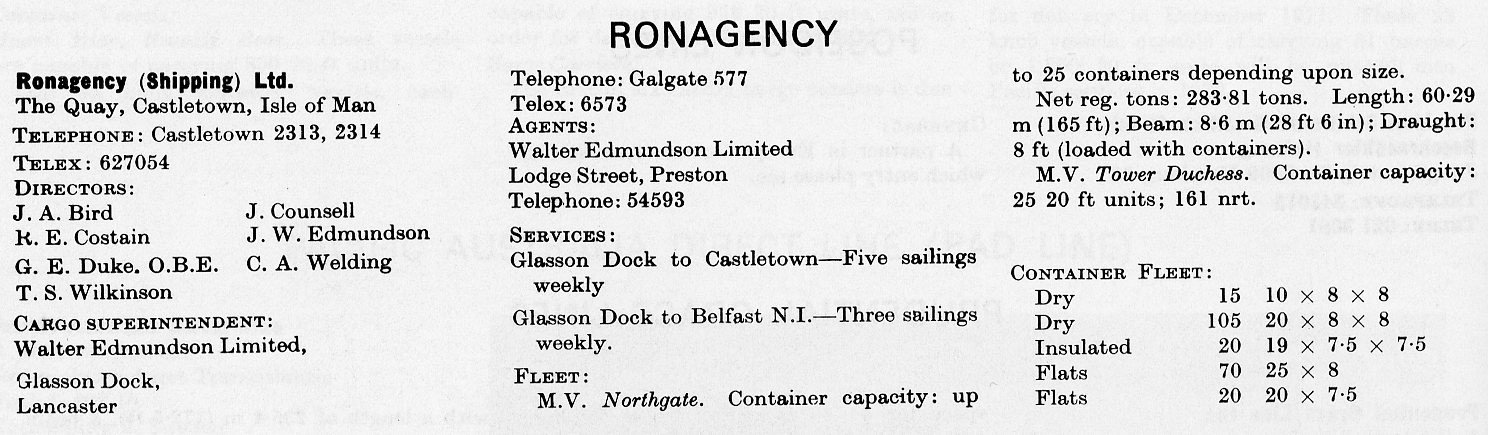
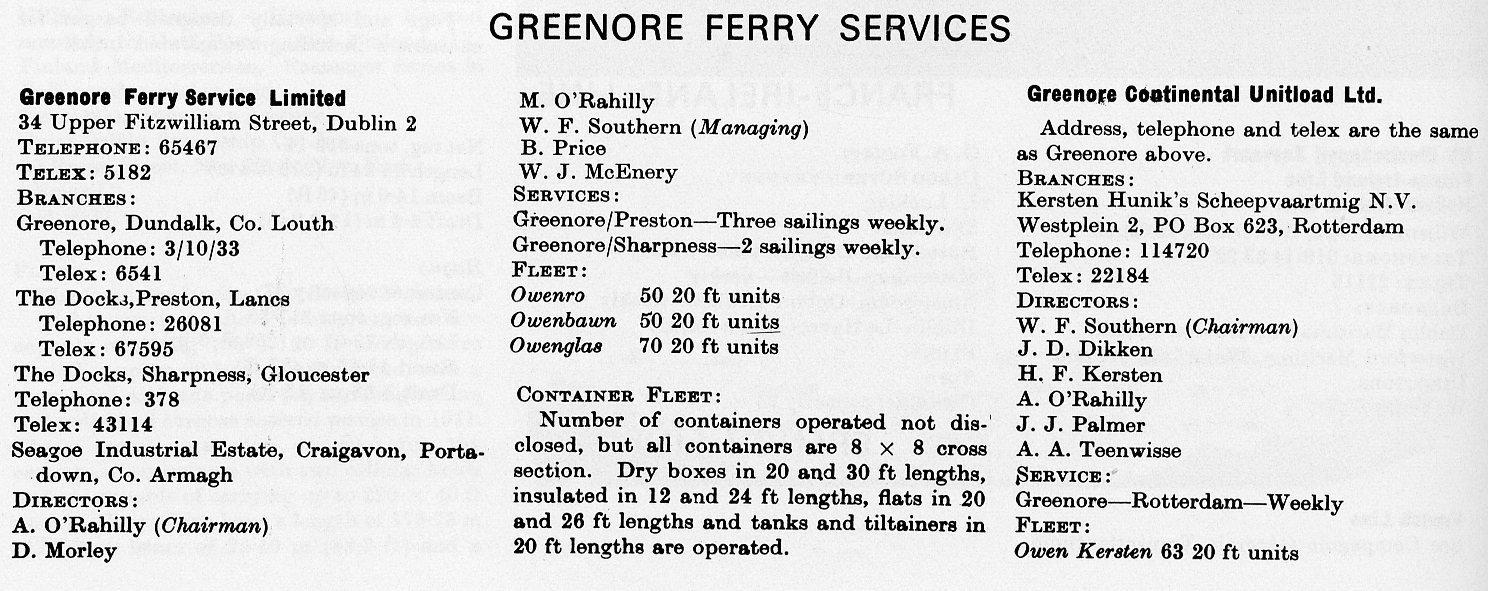
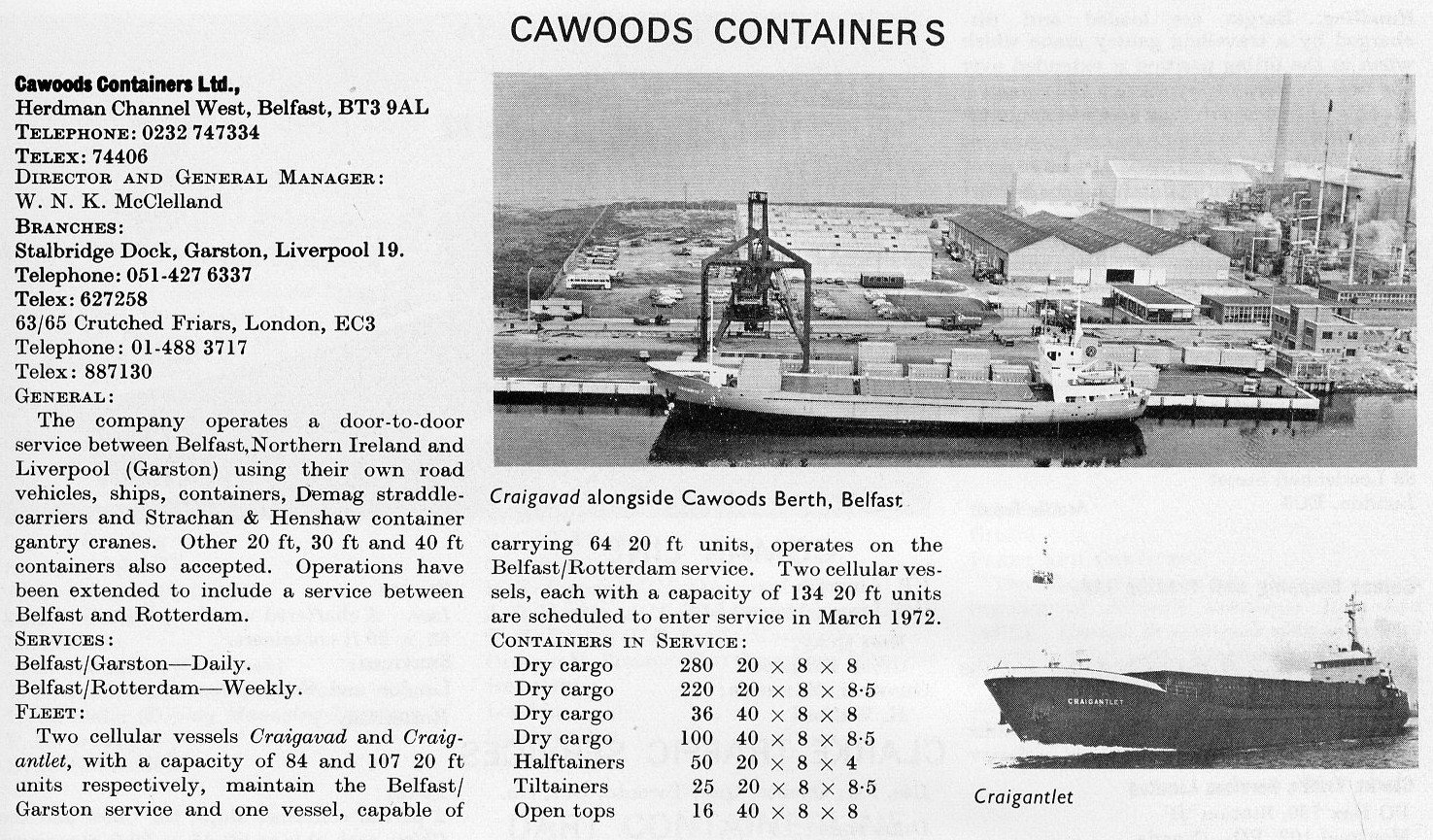
Meanwhile north of the border, McArdles were making a name for themselves building containers for customers in Ireland and abroad: Derry continued to be served by Anglo Irish Transport: Here's a closer view of the Anglo Irish box: And of the other smaller operators, Greenore Ferry Services was still in business: The Cawoods entry gives a container fleet listing: And the small Manx firm Ronagency had started to serve Belfast as well as their core Glasson Dock to Castletown IoM service:
-
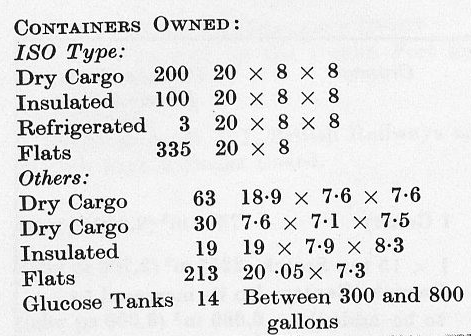
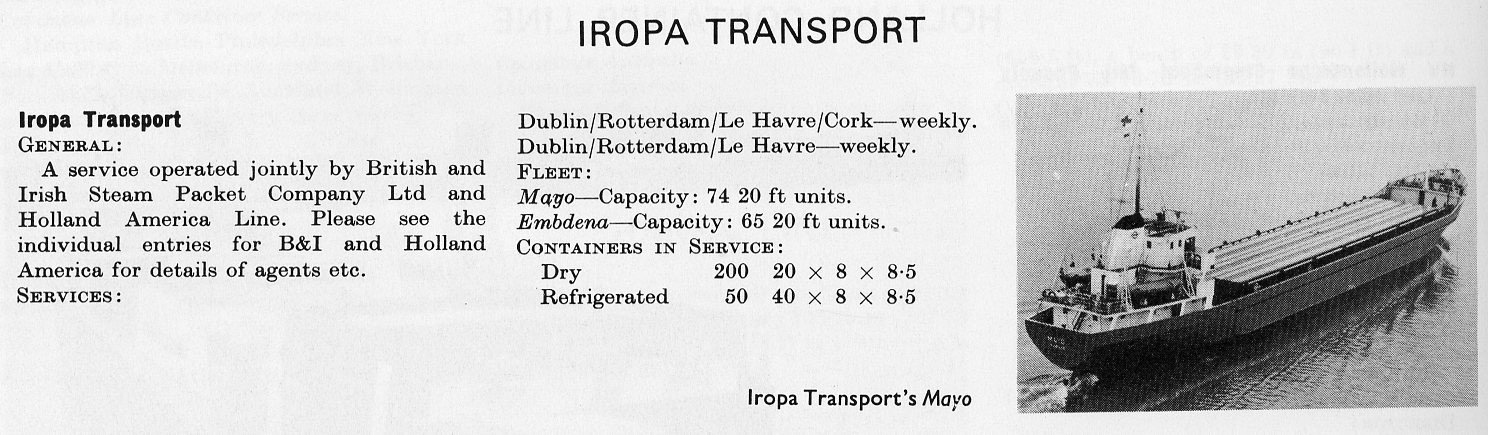
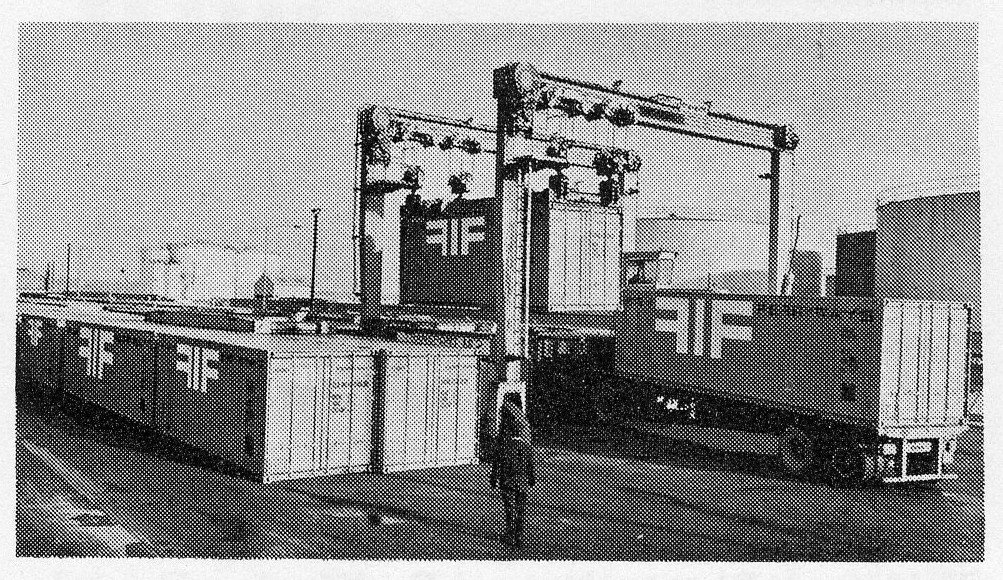
Of the major operators, B+I had a detailed entry, which included a container fleet listing: Here's a closer look at the photo. There were several variants of these early B+I containers; different heights, rib arrangements, and livery/lettering. These appear similar in livery to the one the survives at BnM Blackwater, but they have a different number of ribs: B+I had also launched a new service in partnership with Holland America Line known as IROPA: This image posted by @WRENNEIRE elsewhere on the forum shows an IROPA container; there were other styles too. Bell's entry was a bit dull this year, but relevant illustrations occur in the container handling and equipment sections. While the photo above shows entirely alloy containers, the one below seems to show a Bell box in their new purple and blue scheme. It looks like a smooth-sided box too:
-
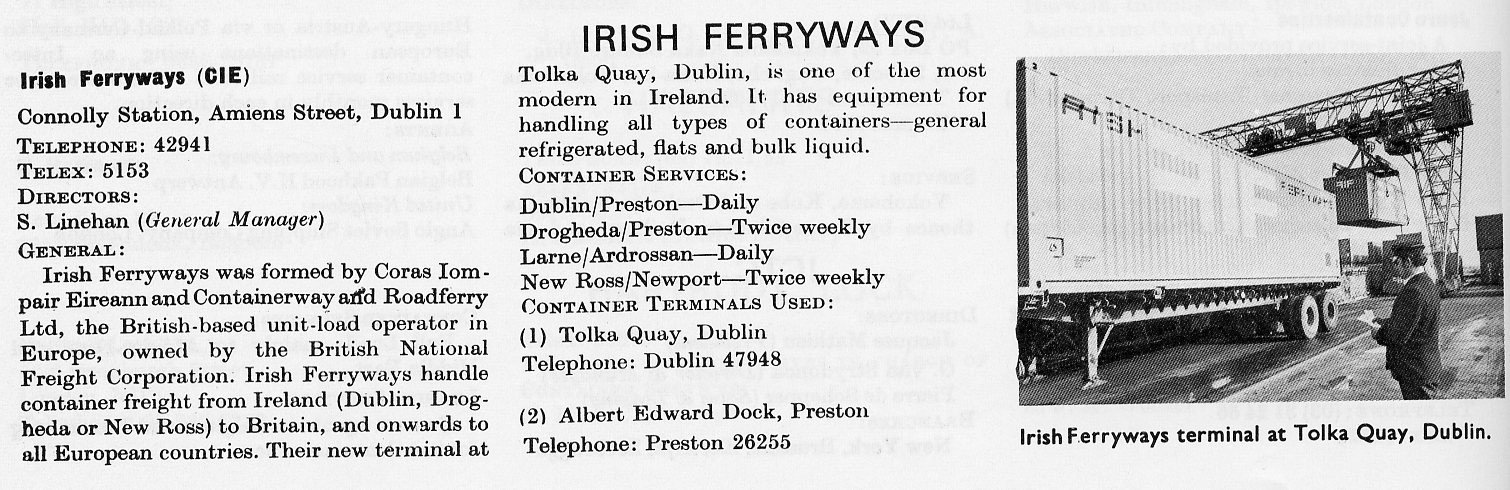
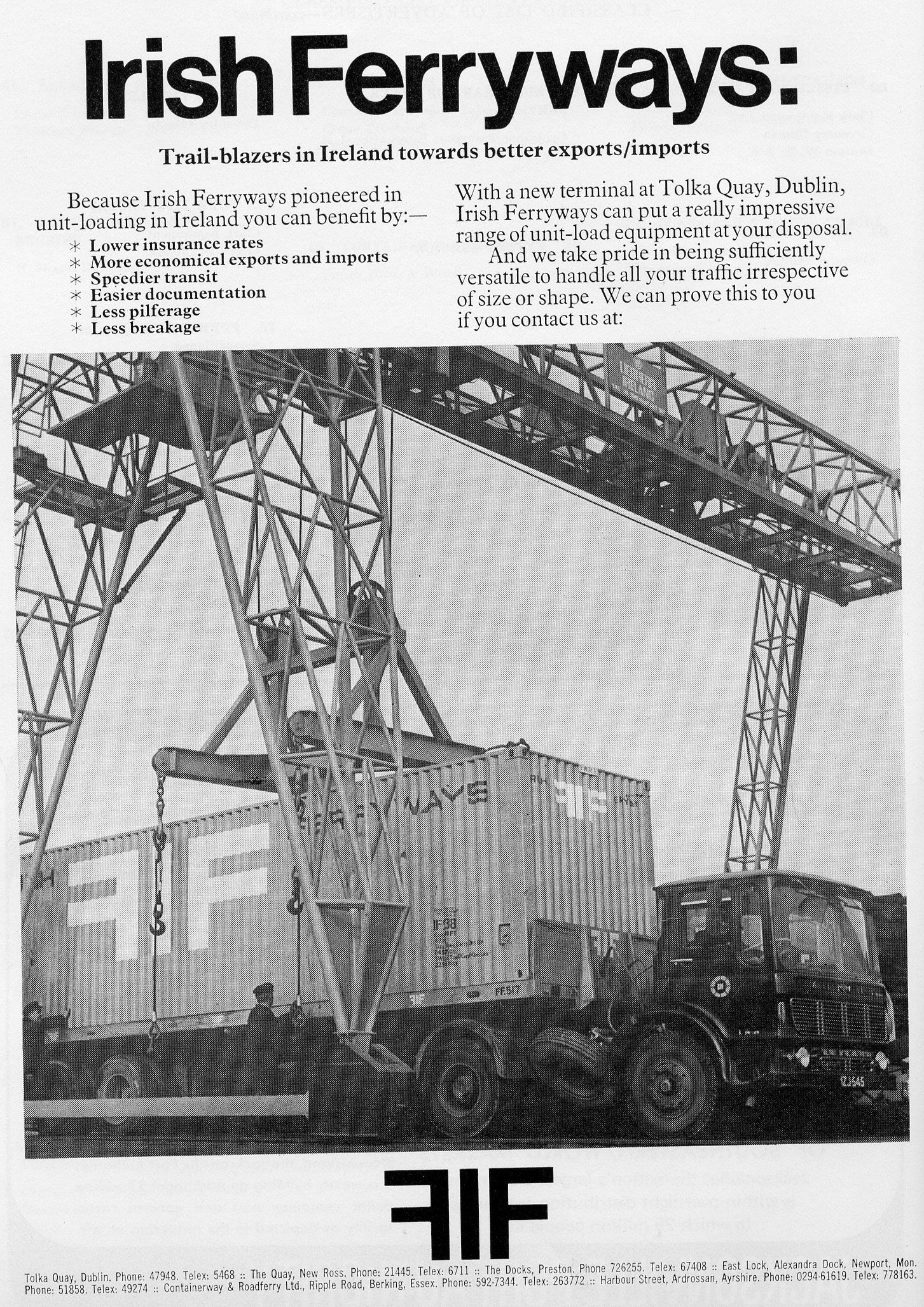
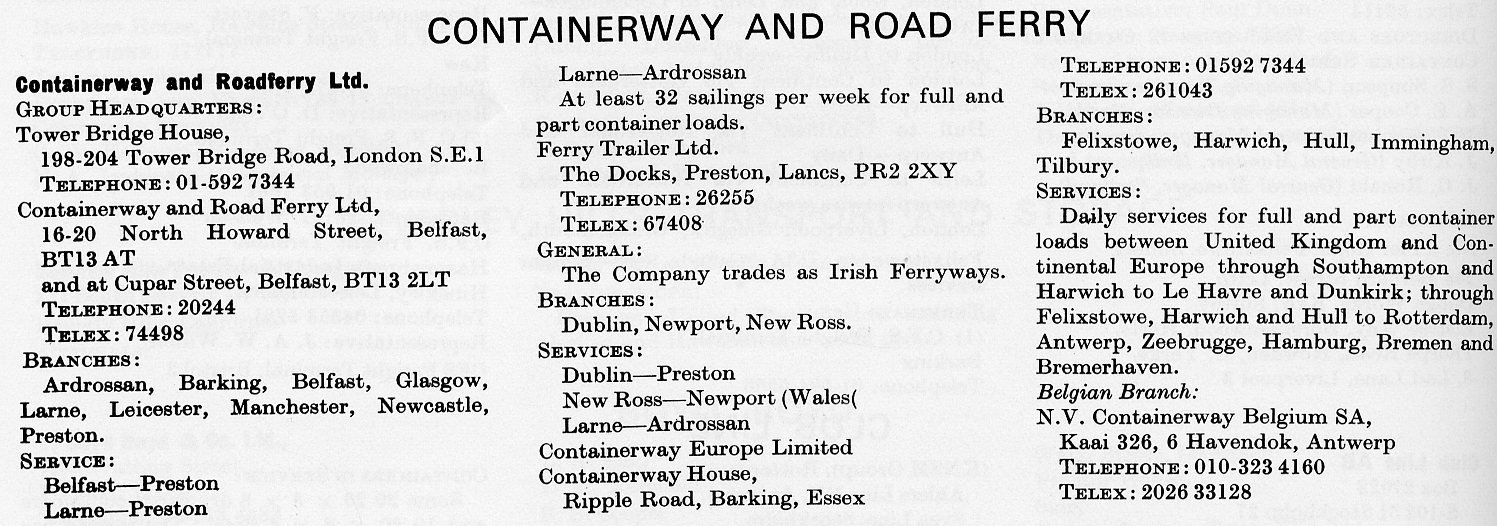
Irish Ferryways were still significant at this time; their advert showed a slightly different view of one of their typical 30' containers - although physically ISO-compatible it doesn't have ISO-standard numbering and lettering: There are three entries for Irish Ferryways in the directory under slightly different names! Although well-known for their 30' containers, they had other sizes too, and there are certainly some 20' boxes in these views:
-
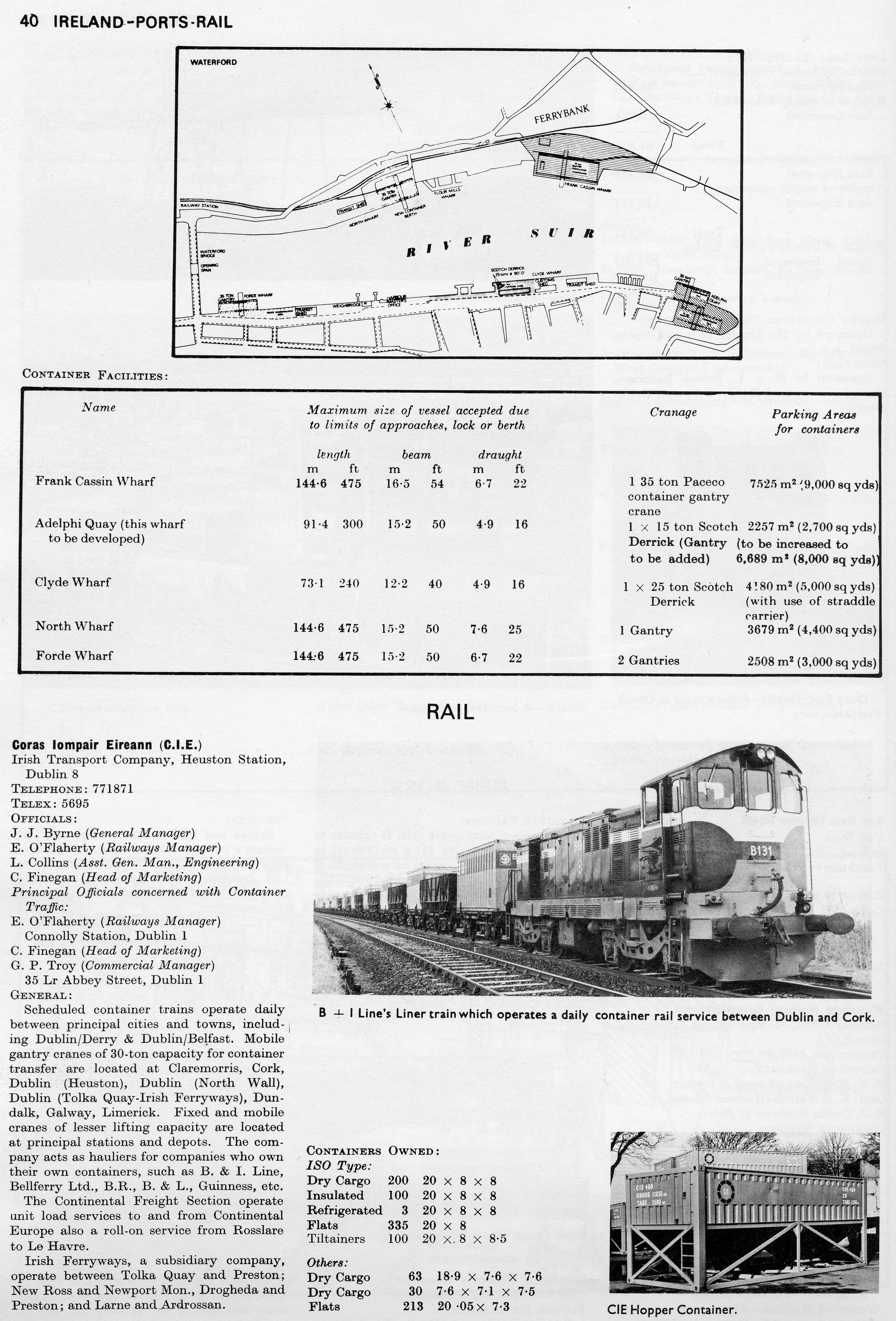
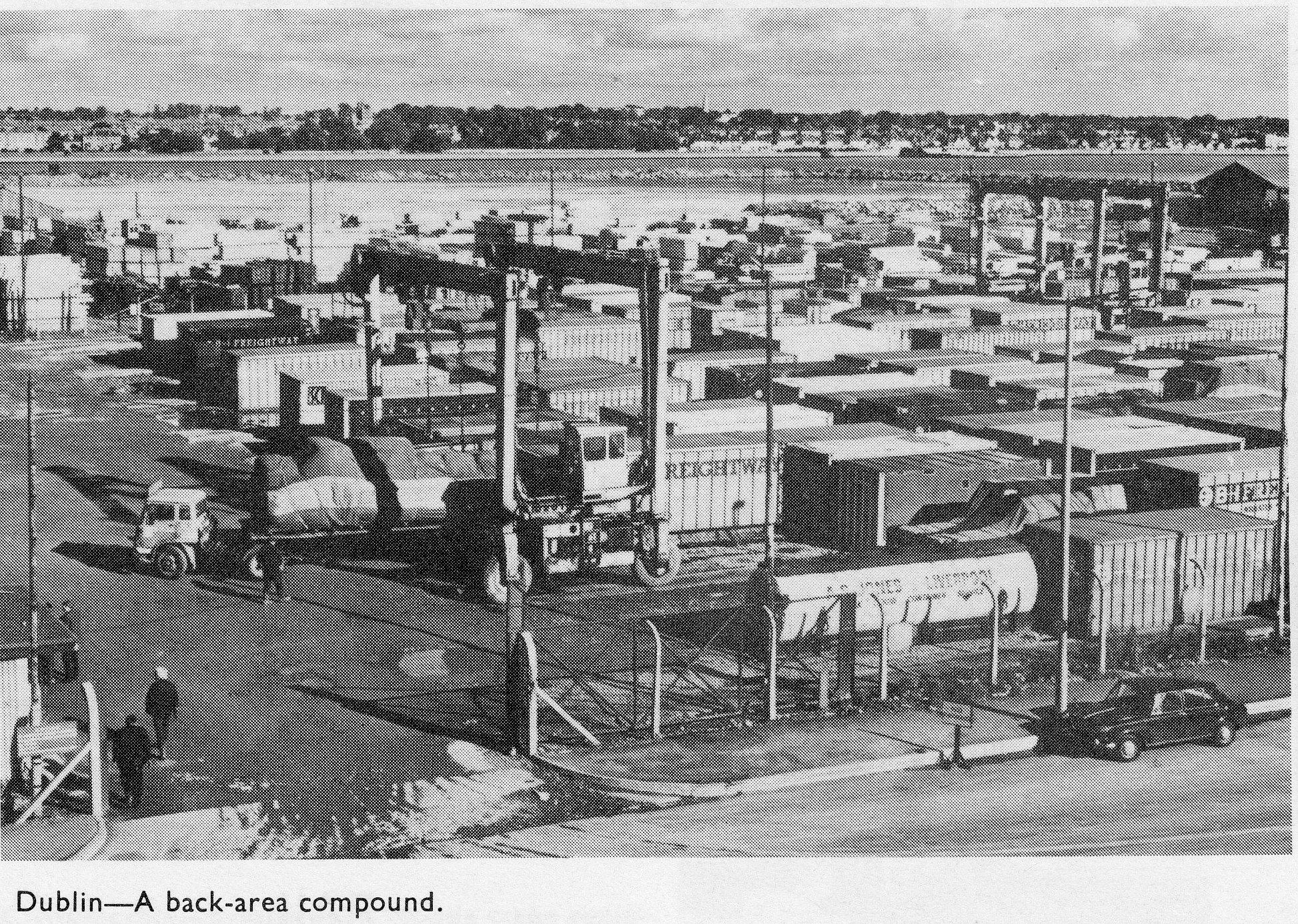
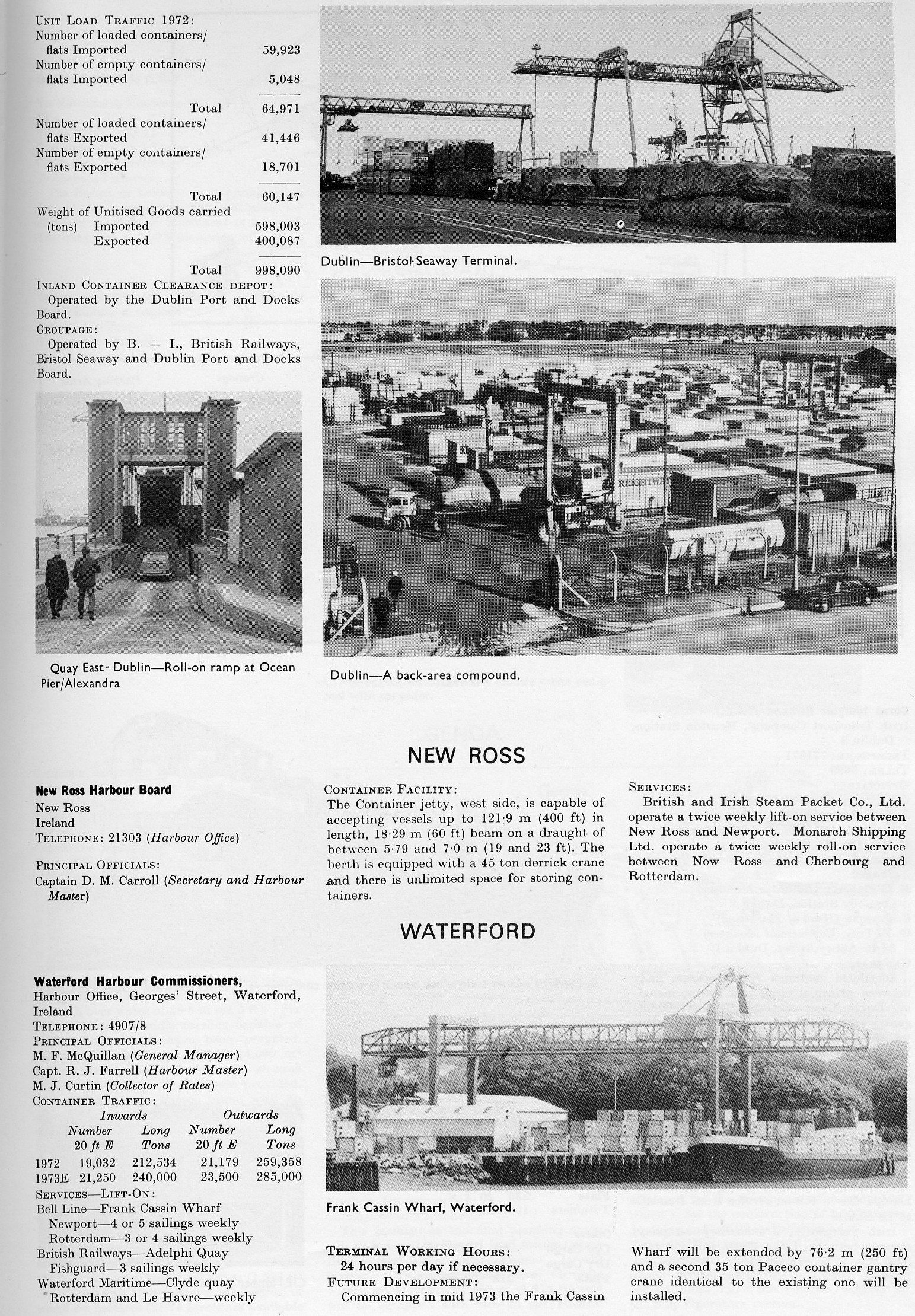
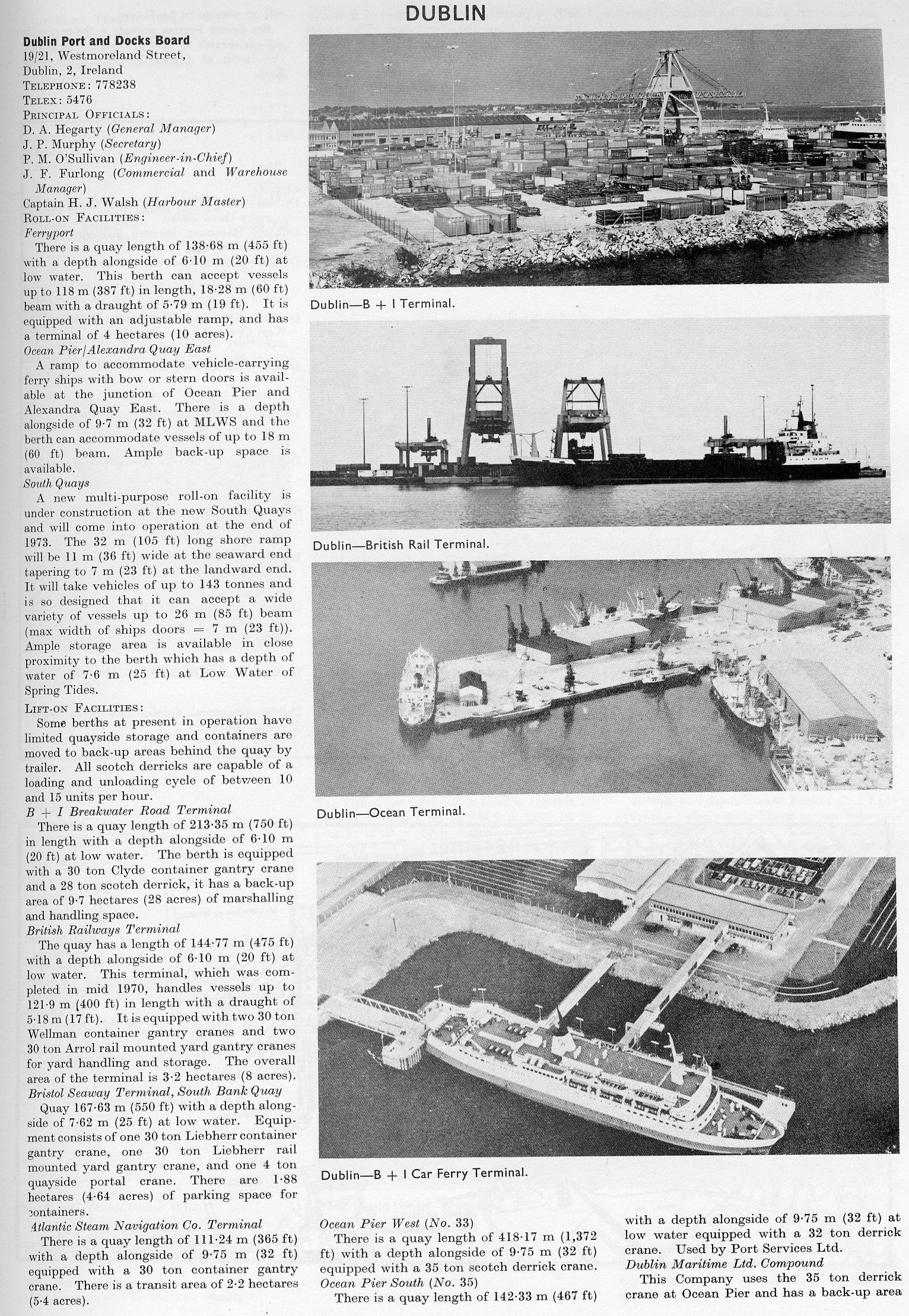
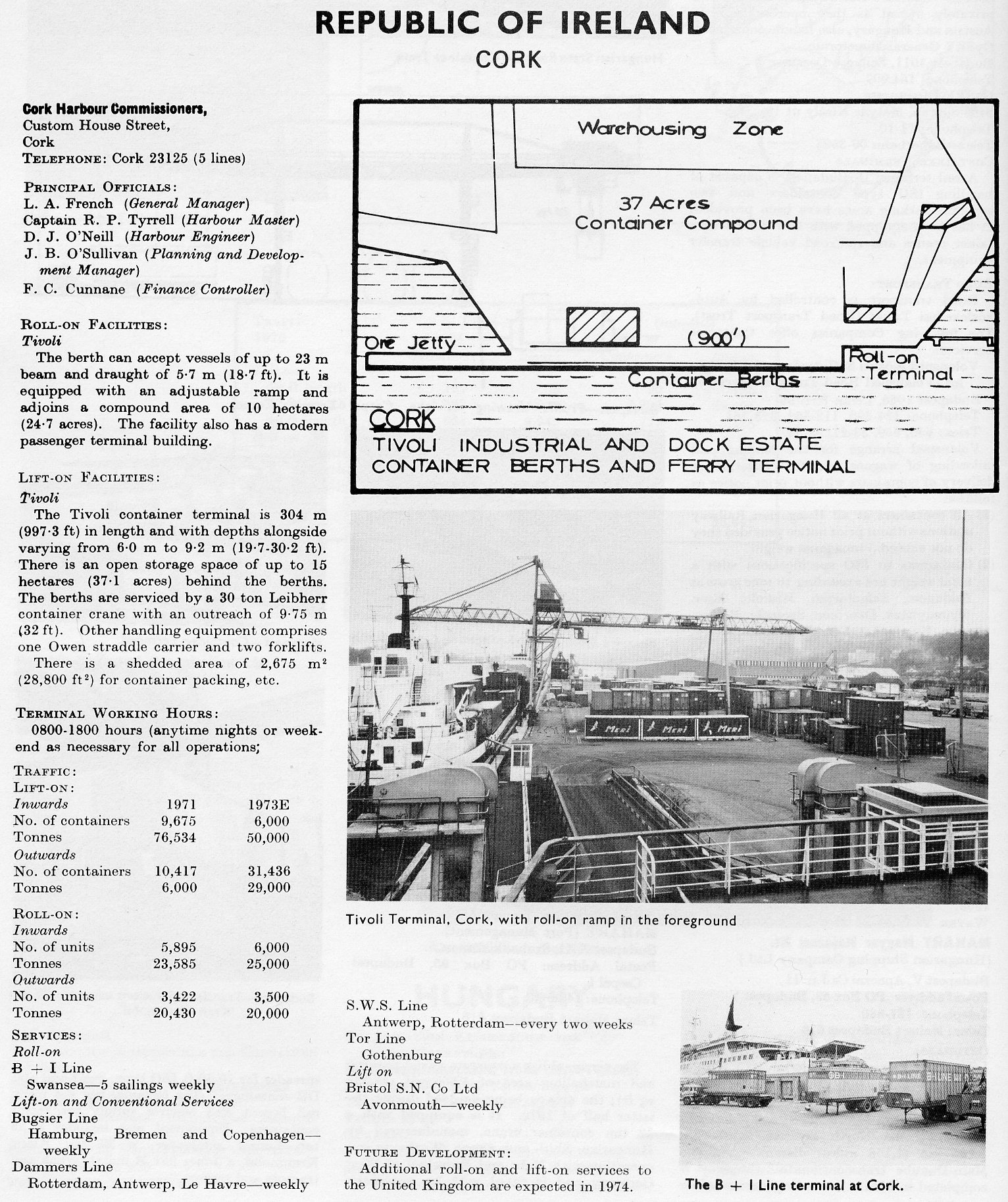
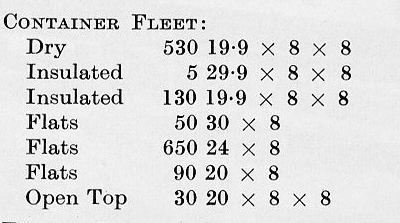
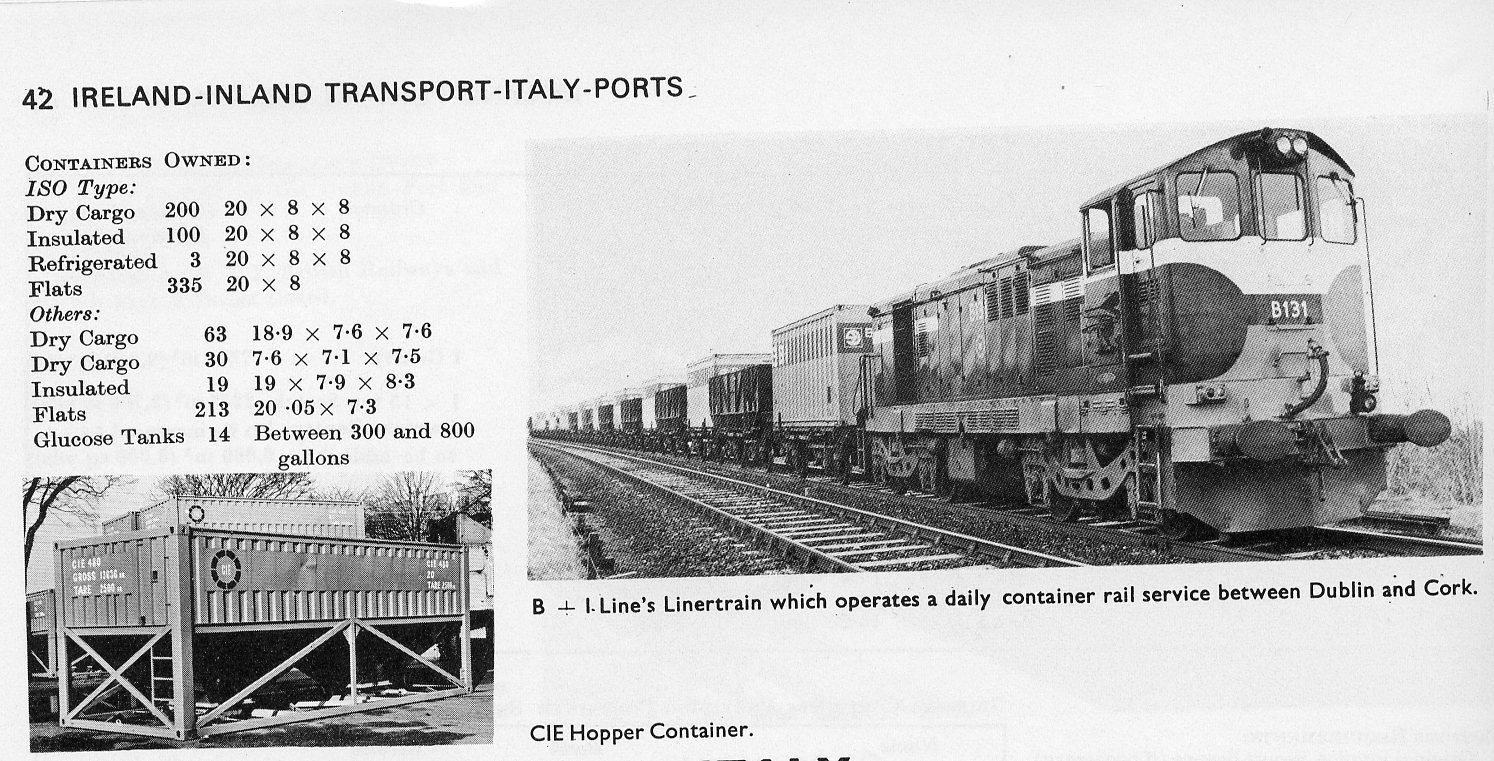
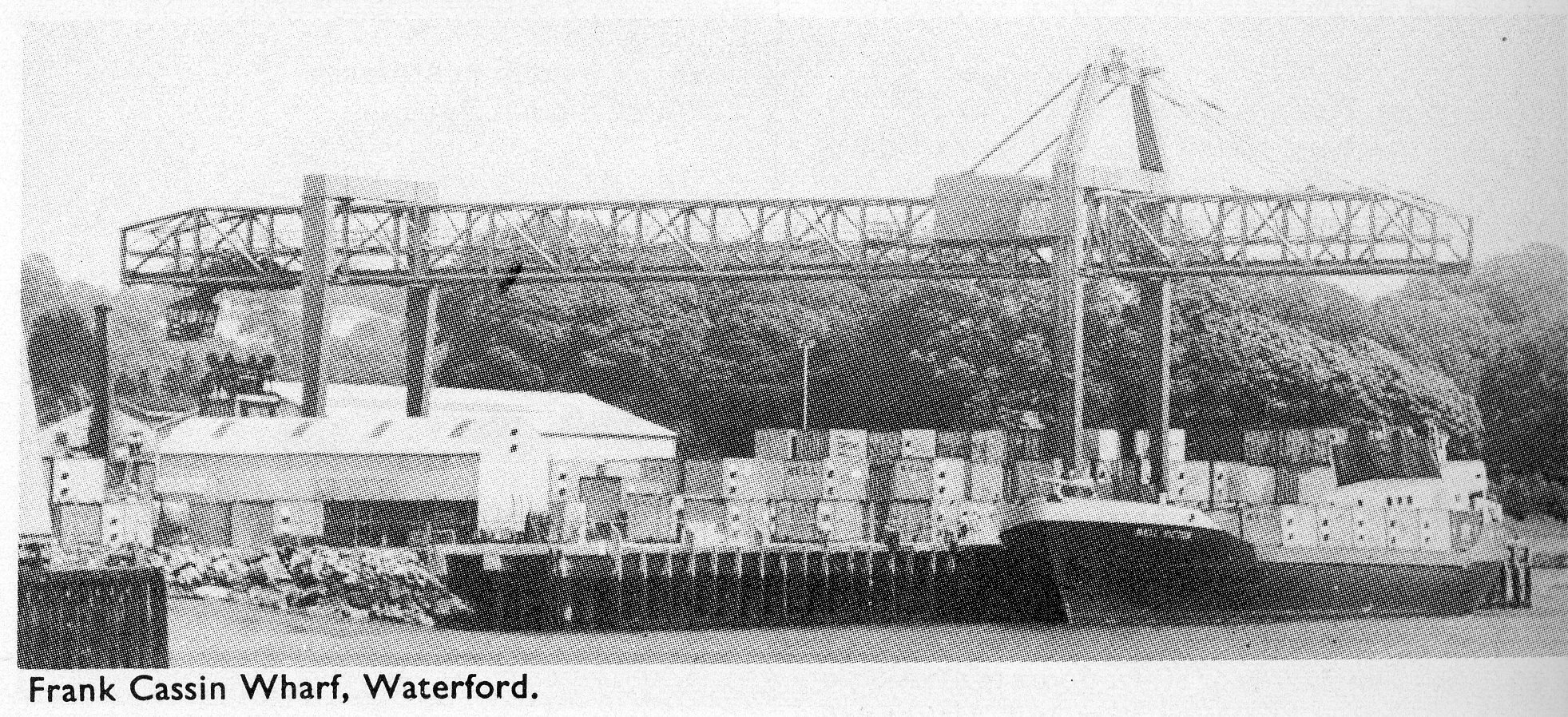
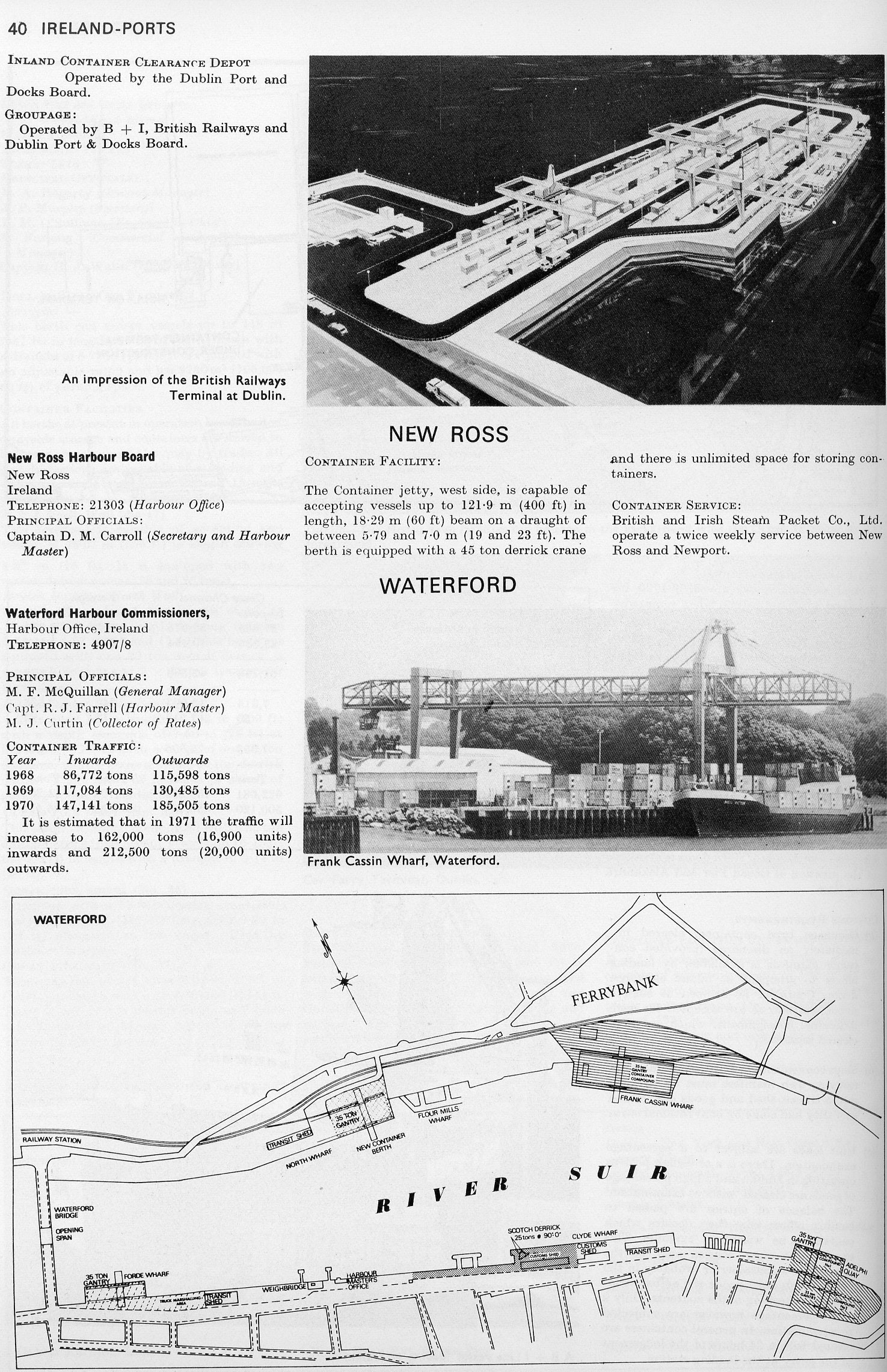
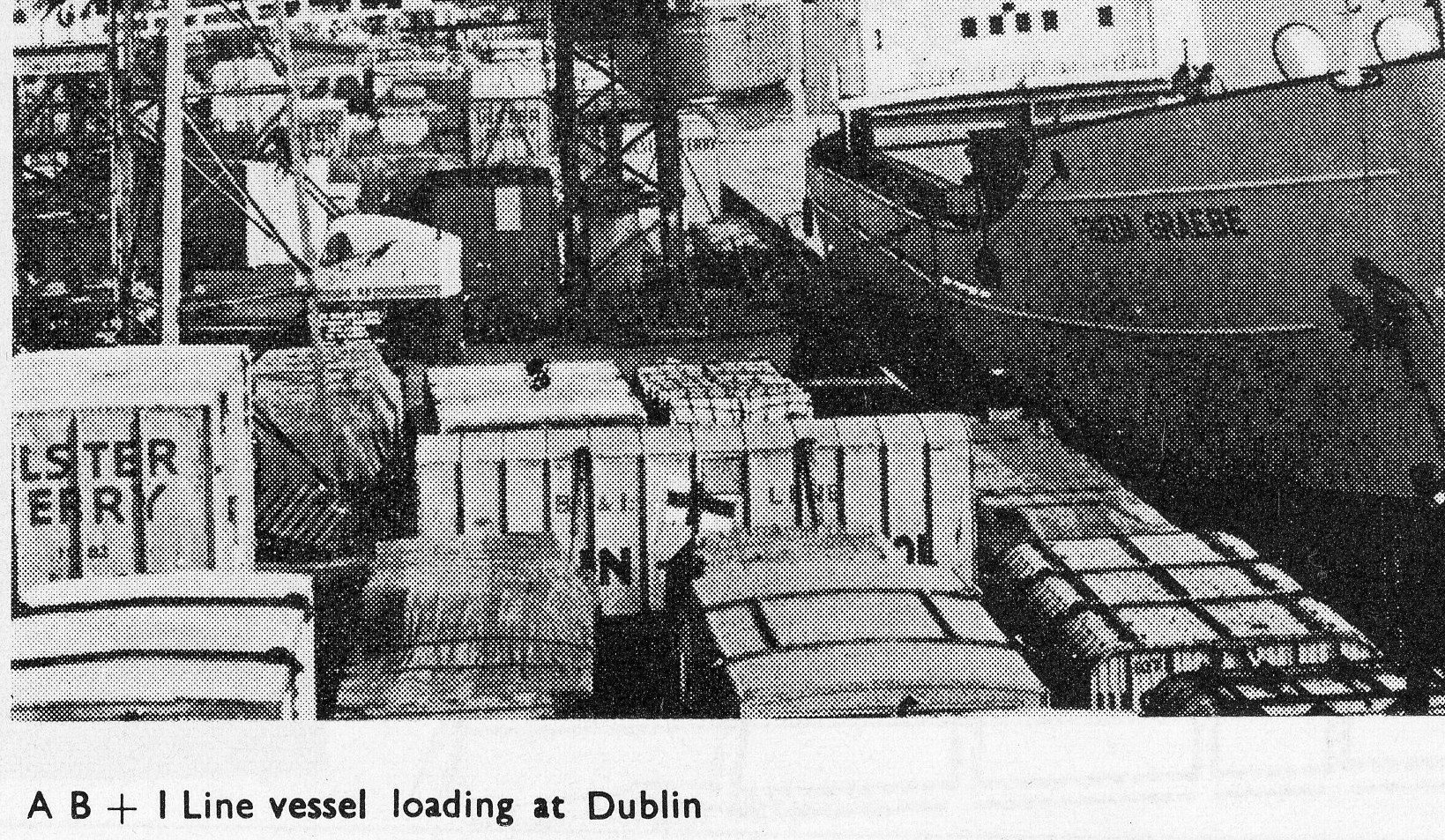
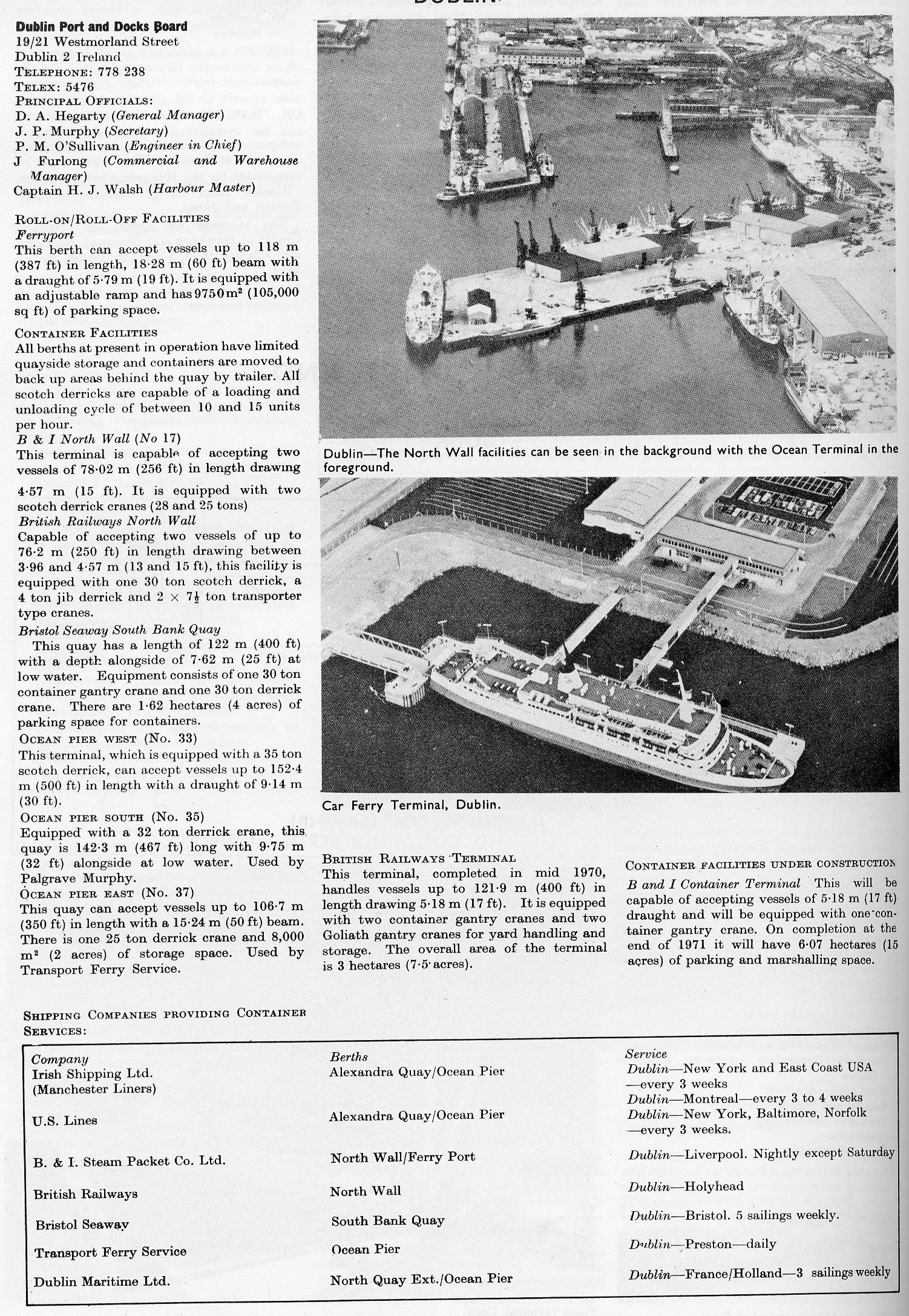
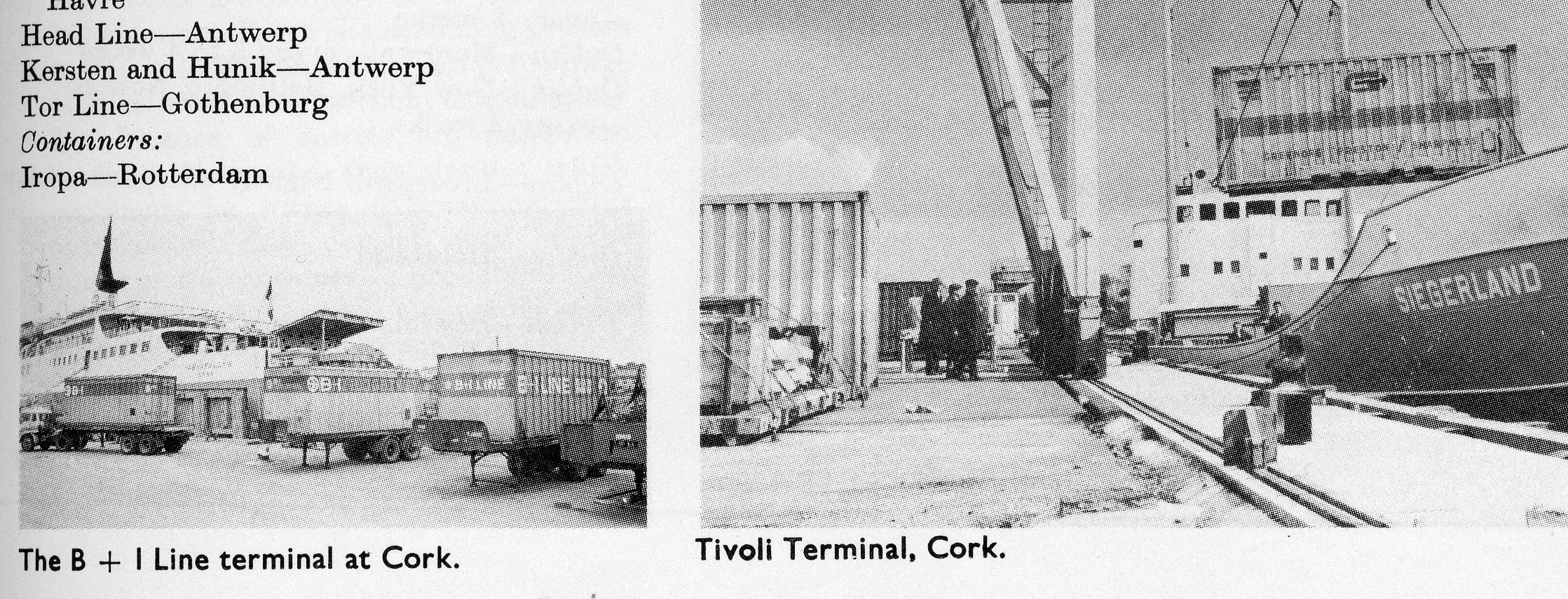
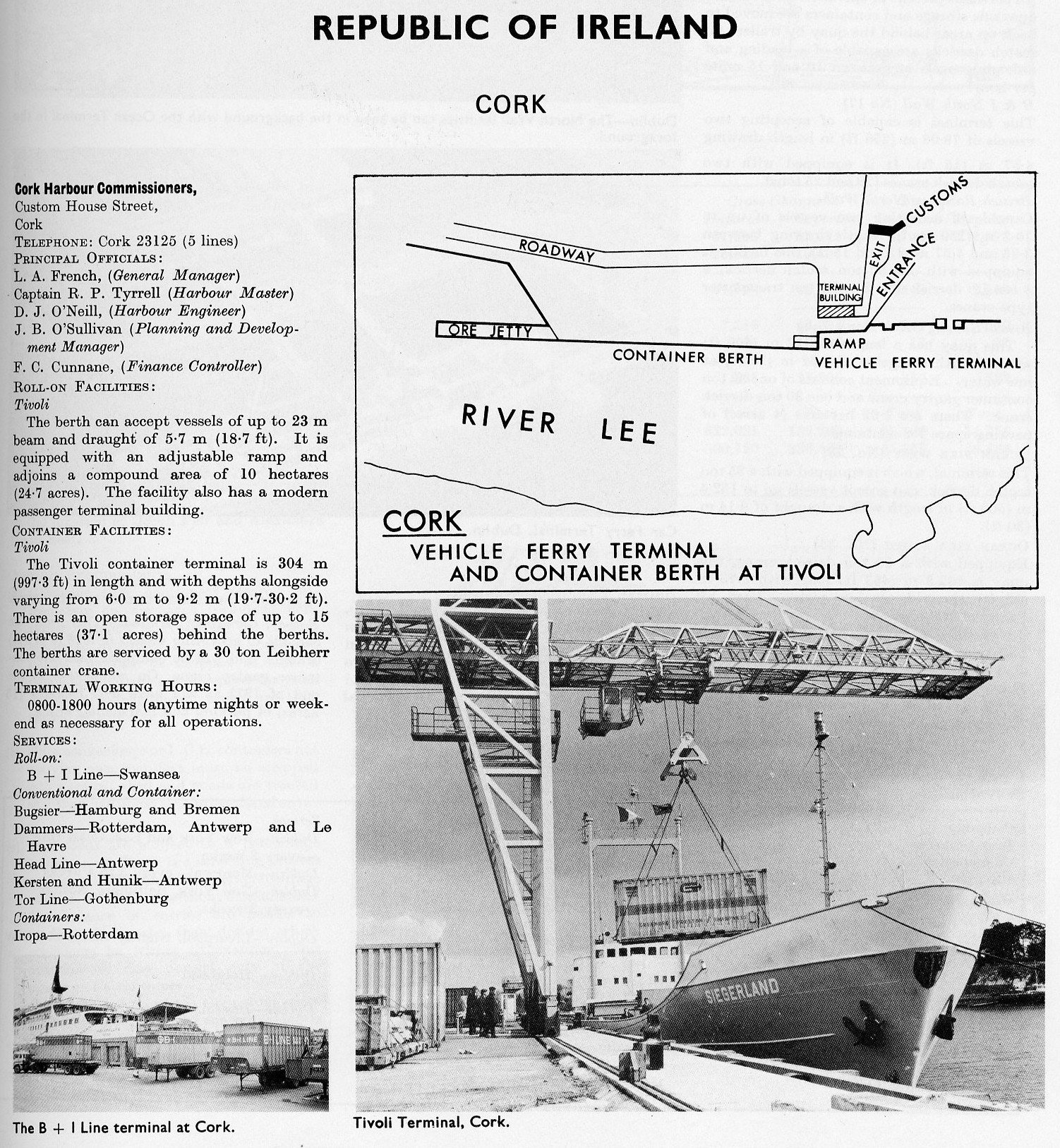
So for Christmas Day I've scanned some of the Irish pages from the 1972-73 edition of Jane's. The Irish section is now headed 'Republic of Ireland', and now runs to 6 pages with some interesting information and some better photos. Here's a zoom in of the two photos at Cork, showing several variants of B+I container, and a Greenore Ferry Services box labelled GREENORE-PRESTON-SHARPNESS: Pages 2 and 3 focus on Dublin with plenty of detail of the shipping routes and companies, and the volume of containers handled. Some of these would have ended up on trains, of course. Zooming in on that last photo, most of the boxes here are pre-ISO, non-stackable types. There are several 'ULSTER FERRY' and in the foreground an old 'B&I LINE DUBLIN-LIVERPOOL': Page 4 covers New Ross and Waterford: Here's a closer look at Bell's Frank Cassin Wharf: Pages 5 and 6 are perhaps of most interest to us, covering CIE. Page 5 lists some of the liner services and notes that CIE carries containers for other companies including B&I, Bell, BR, B&L, Guinness etc. The container train shown is carrying several leased containers from CTI, who were the largest international container leasing firm at the time: Page 6 gives us a fleet listing for CIE's containers. At this date (1972) the ISO fleet was all 20'x8'x8'; the introduction of taller, longer and shorter CIE boxes had not yet occurred. Note also the non-ISO containers including the dry cargo boxes 18.9'x7.6'x7.6', and the large number of flats. Intriguingly, the grain hopper containers are illustrated but not listed.
-
Interesting, thanks. They had more than one of them; I confess this is an awful photo:
-
"Voiding the Warranty" - Mol's experiments in 21mm gauge
Mol_PMB replied to Mol_PMB's topic in Irish Models
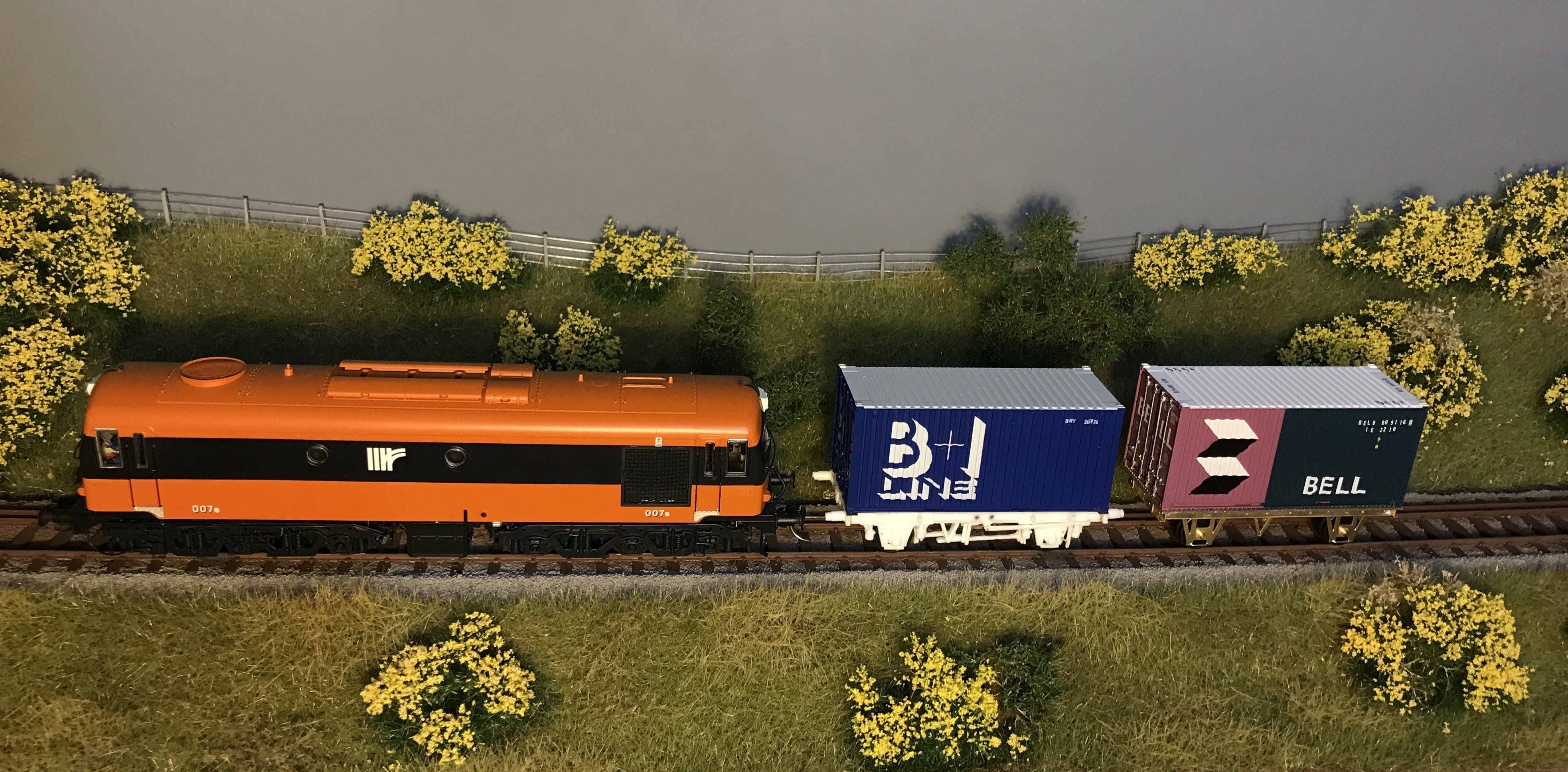
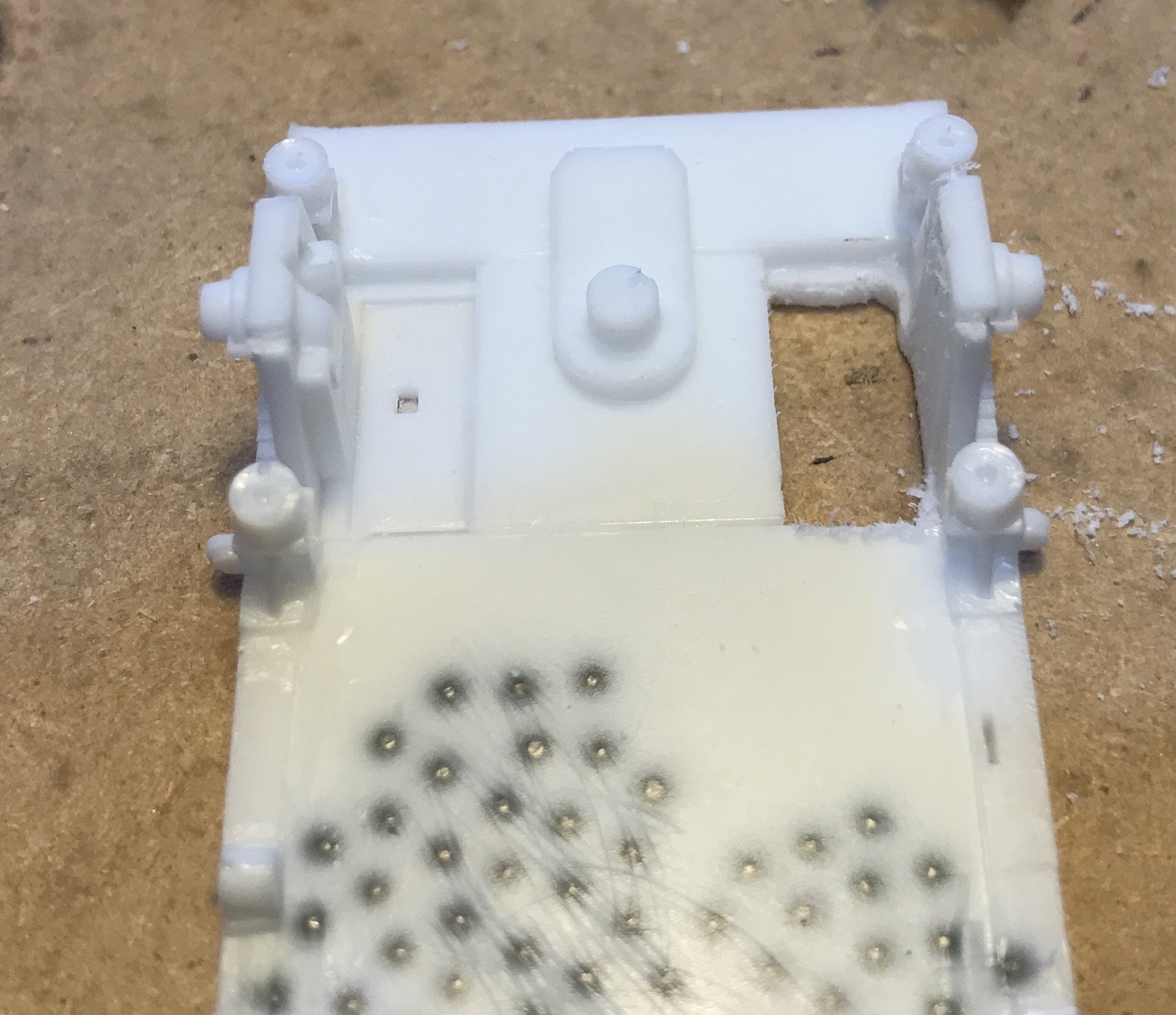
A little more progress with the container train. I decided to have a go at one of @leslie10646's container flats, which represent the 27101 series 20' flats. I wasn't sure how easy it would be to build this for 21mm gauge, but it wasn't too hard. I mostly used a piercing saw with a coarse blade to remove material from the floor and the back of the W-iron: I then tidied up with a file. The tip of the pin-point bearing hole was still visible to provide a witness mark for re-drilling the hole deeper. For now I've just deepened the hole in the resin, but I might possible drill out deeper and put in a brass bearing. After that, the rest of the model went together fairly easily. A few minor tweaks needed to get the brake gear to line up with the broad gauge wheels, but nothing major. I still need to add buffer heads and a paint job, hopefully later in the week. In the meantime, I have the beginnings of a container train, which will hopefully grow with a couple more 4-wheelers at least. I haven't yet found any of the IRM 42' bogie wagons available for sale. The C=Rail containers are very nice, but I may give them a bit of light weathering in due course. Merry Christmas all... Mol
-
Ernies Massive Irish 1930's to 2005 Photo Archive
Mol_PMB replied to Glenderg's topic in Photos & Videos of the Prototype
I hope you can have a relaxing lie-in tomorrow morning then! Another wonderful selection of photos - many thanks. The Connolly shot is interesting for the variety of traction and the variety of shades of orange - proof that they didn't always match and that variations in paint colour, fading and weathering could give substantial differences even on fairly clean locos and carriages. Before my time period, didn't the GNR 4-4-0s look wonderful in blue, whether they were big or small ones! -
I had a look for some more info on Greenore Ferry Services - I think Greenore was the first port in Ireland to handle containers in 1963. As well as early ISO containers they also handled a lot of Lancashire Flats. The following are from the Trucknet website which also has some reminiscences about GFS and some of the other small Irish Sea operators: https://www.trucknetuk.com/t/lancashire-flats/202588/2
-
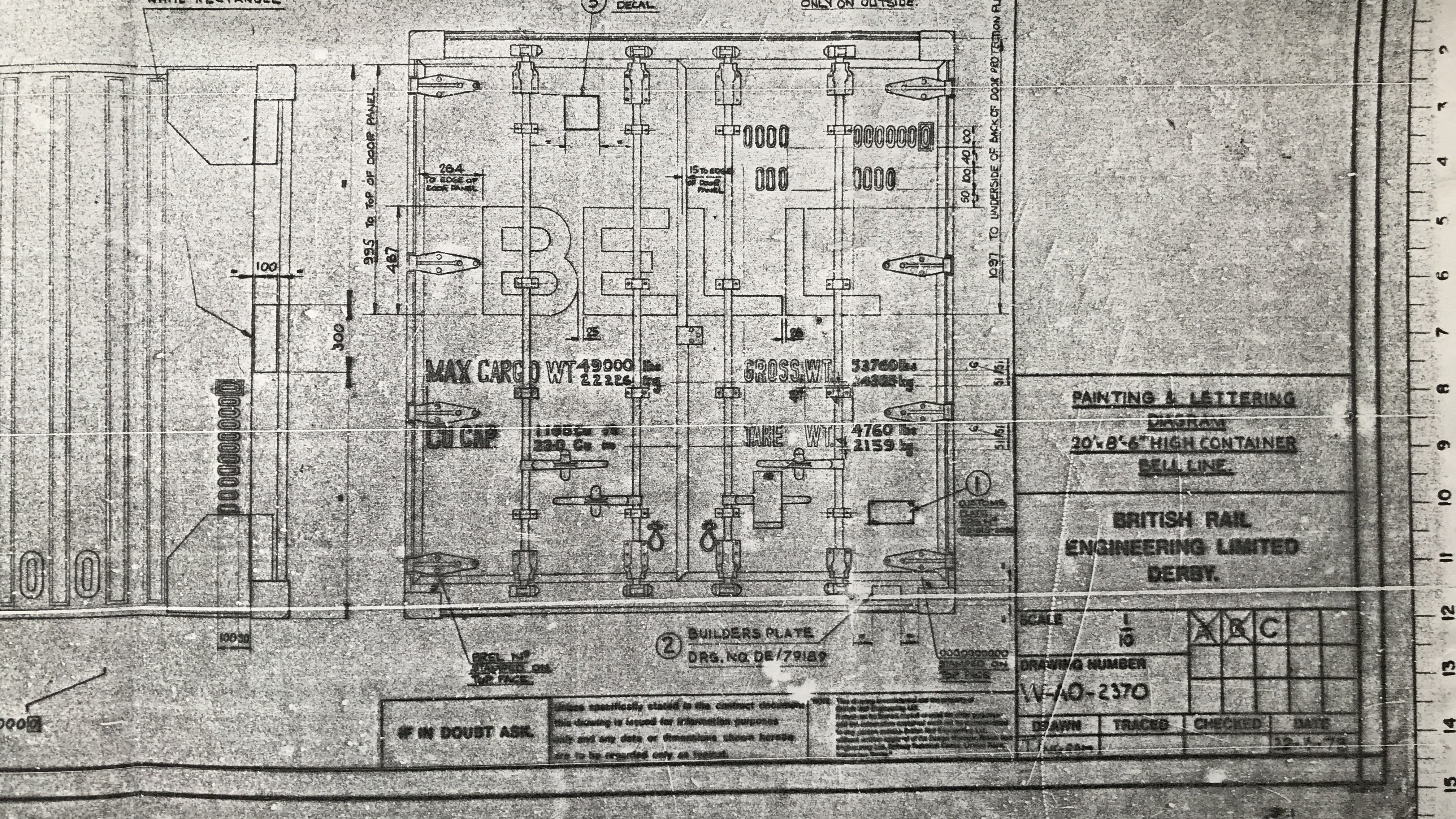
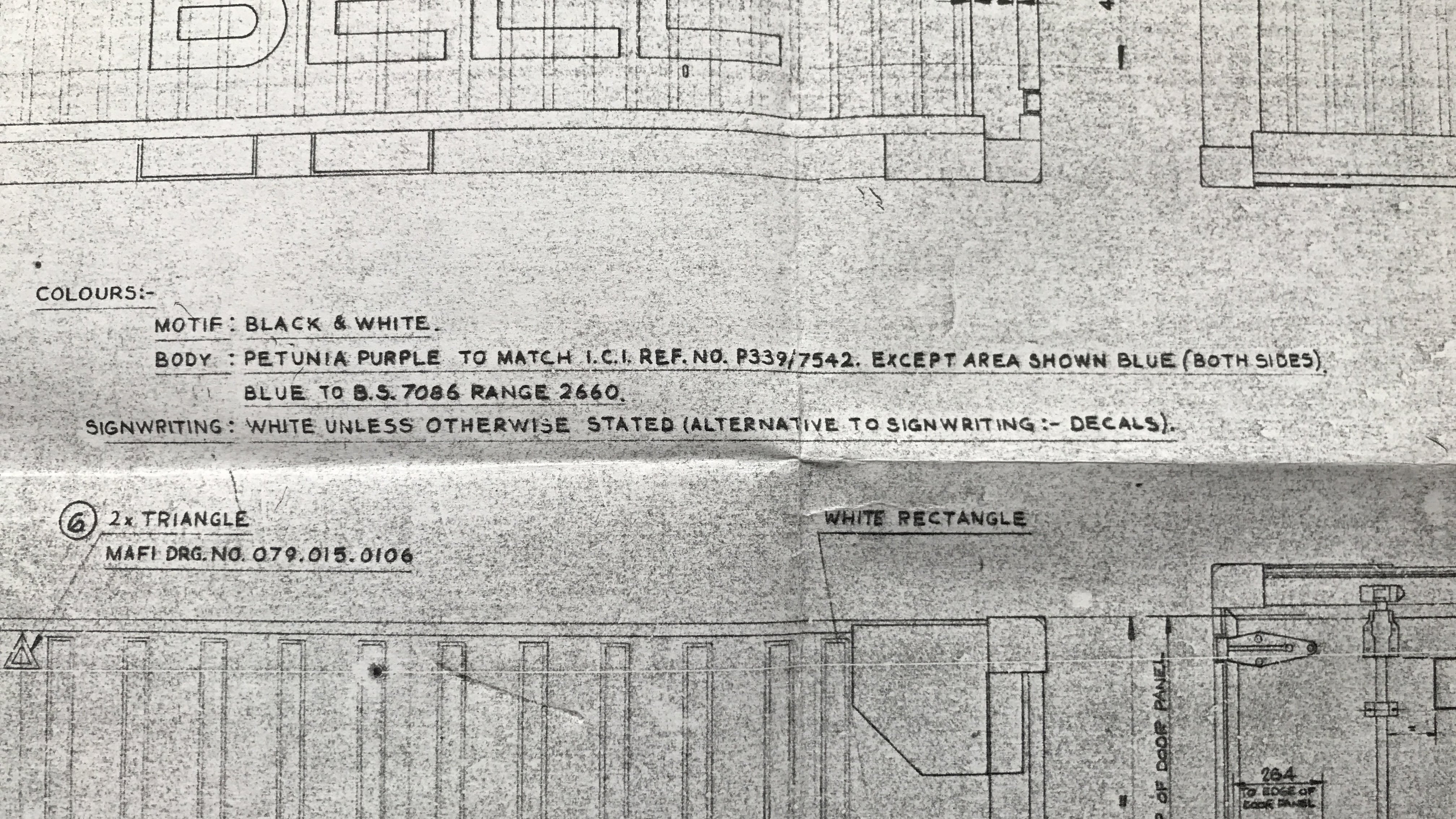
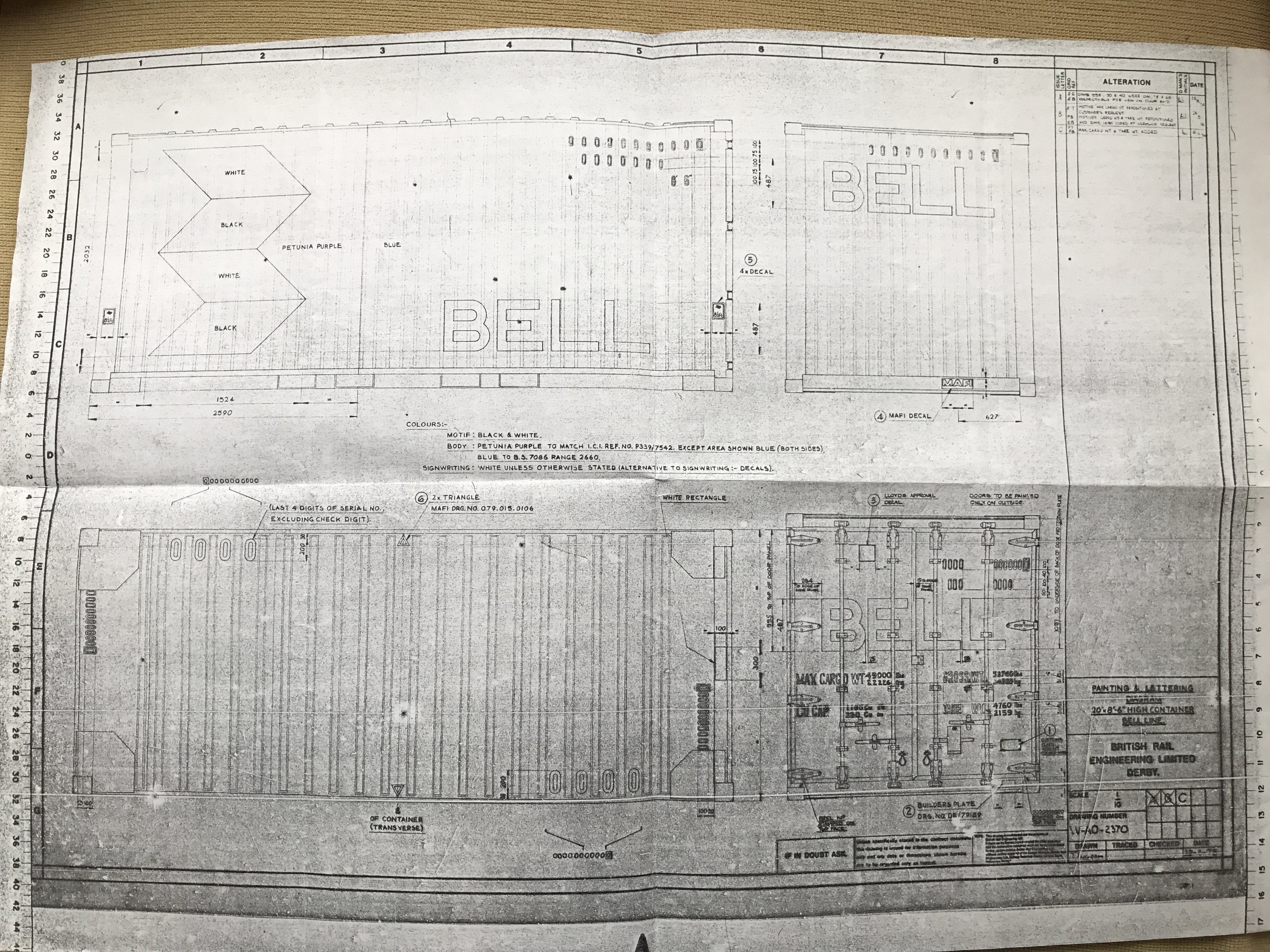
This drawing in my collection is the painting and lettering diagram for the Bell containers built at BREL Derby in 1973, by which time the familiar Bell livery of purple and blue had been introduced. These were 20'x8'x8'6" steel boxes and the paint specification gives the main colour as Petunia Purple, except a blue panel on each side. So these would have had purple tops.
-
I mentioned Cawoods in my previous post. This IRRS Archive photo on Flickr shows Cawoods containers on a train at Dundalk: https://www.flickr.com/photos/irishrailwayarchive/53510397787 Here's one of the early B+I ISO containers which I photographed at Blackwater BnM last year: One of CIE's pre-ISO containers survives at Dromod C&L and I have several photos of that; I was wondering about a separate thread on them, as I have more Jane's scans to do for this thread.
-
There’s a product called black superglue which contains a bit of rubber, and I have seen it recommended for this sort of thing. As well as being black rather than leaving a white haze, it is also slightly flexible. Might be worth a try? Alternatively ‘glue and glaze’ is clear, not so strong or fast-setting, but more forgiving.
-
Of course the other wheel arrangement similar to the carriage shown is the Western Australian Metro-Vick, the A Class’s elder brothers. They were 2-Do-2. From personal experience, the ride through pointwork was quite alarming, and the interior of the Crossley engine room was almost entirely covered in black oil.
-
London Underground had some locos with 4 bogies. ESL 107 is preserved at Acton, but there used to be several of them. They were used for de-icing the conductor rails in winter. 3 bogies is much more common, there are plenty of Bo-Bo-Bos in the Alps but they can also be found in the Channel Tunnel.
-
Merry Christmas to all on the forum, and especially to the manufacturers who make such wonderful kits and models of Irish prototypes for us. I hope you all have a restful break over the Christmas period. Here's a seasonal photo I took on my recent holiday, and almost the only one that didn't feature a train. I'm afraid they're not quite reindeer either, you'll have to make do with a pair of Ibex (Ibexes? Ibices?)
-
"Voiding the Warranty" - Mol's experiments in 21mm gauge
Mol_PMB replied to Mol_PMB's topic in Irish Models
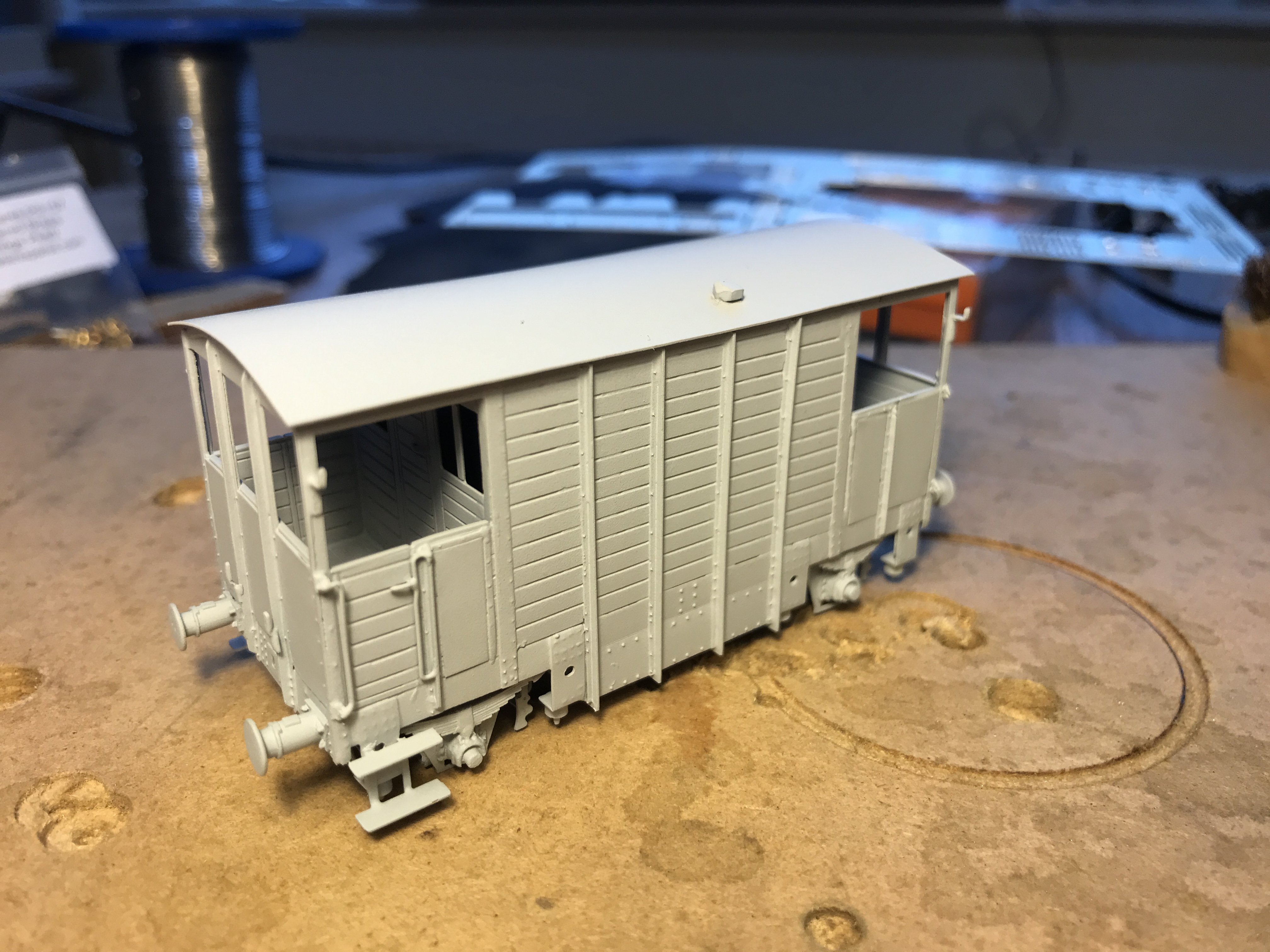
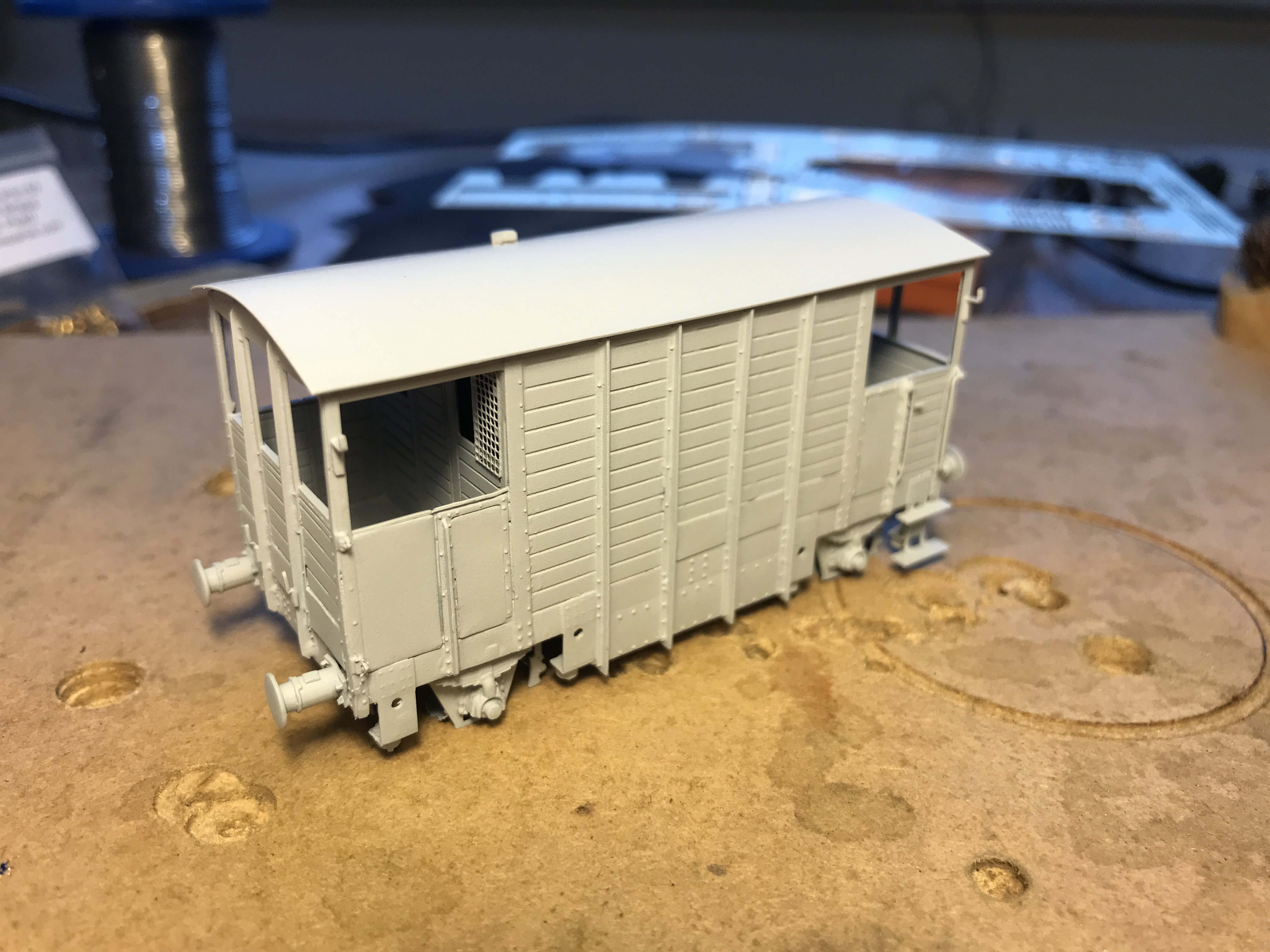
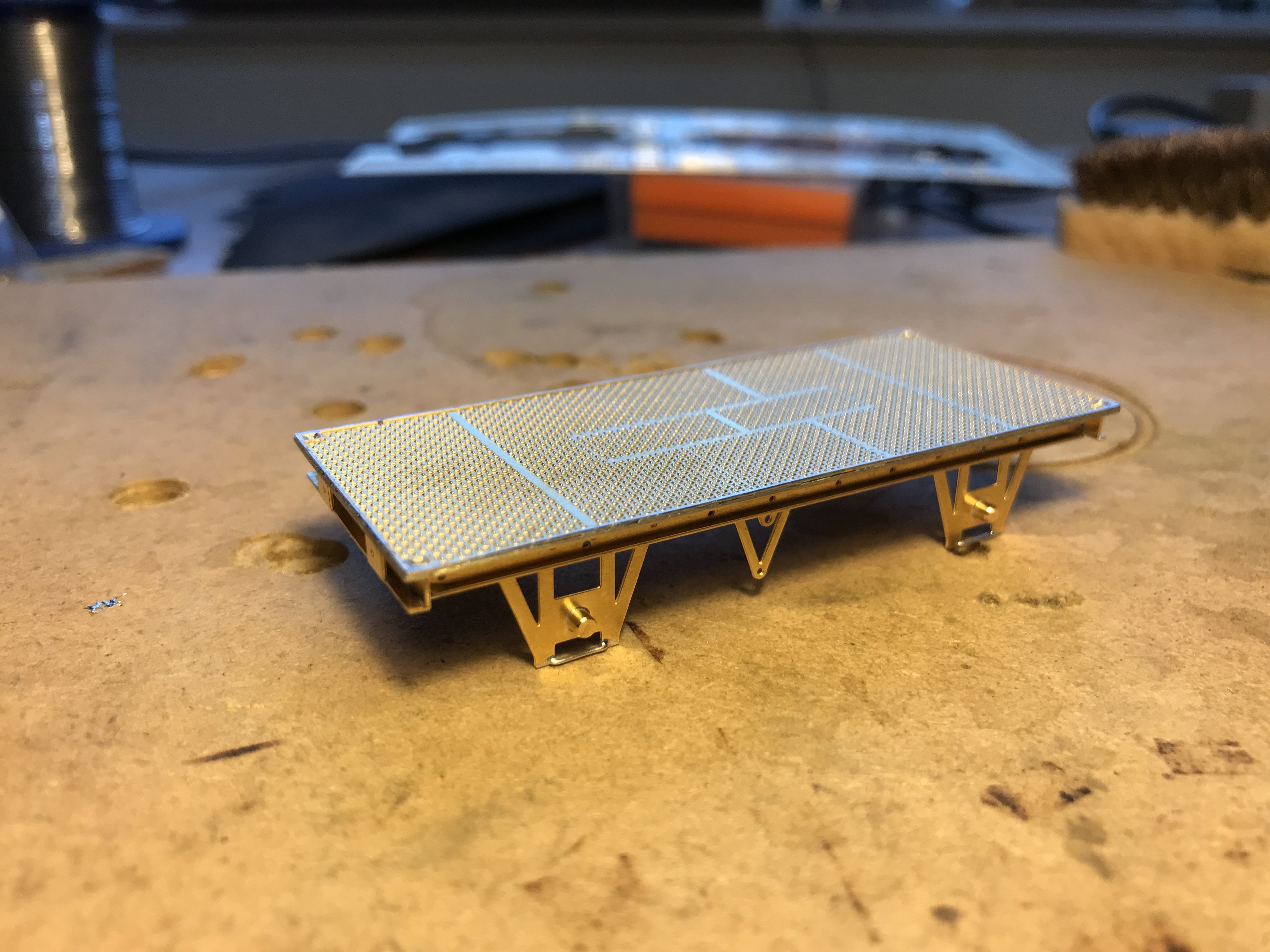
I must confess that modelling progress has been slow recently, partly because of a minor arm injury (that has now healed) which made me ham-fisted and painful to do anything. There was also the much more pleasant distraction of a week abroad photographing trains. Anyway, for those reasons, and because I've incorporated various modifications to the model to suit my prototype, completion of the GNR brake van has dragged on a bit, but I think I'm finally there with the build and it's had a coat of etch primer. The next stage is to try and reproduce the awful paint job that NIR put on it, with the rust showing through the thin grey paint. This photo from Jonathan Allen on Flickr, and a few others of his, have been the basis of my modifications: My intention is that this will form part of a short works train for my IRM maroon Hunslet, when it arrives. A couple of kit-bashed Courtaulds wagons and three of @leslie10646's spoil wagons (converted to ballast hoppers) are also part of that plan. When I last modelled Irish in 4mm scale about 30 years ago, I attempted to build this kit, and made a right hash of it because I just didn't have the skills, experience or quality tools to make a good job of it. Starting again 30 years later it's still quite a challenging kit but I think it's worth the effort. Hopefully I've done it and @Weshty justice. While I've got the soldering iron out, I've made a start on another etched kit, this time from @Mayner. This is one of three, and will become 25436 series container flats. I'll try to make them all a bit different, for example one will have plain bearings and the other two will have roller bearings. So far it's going together well:
- 822 replies
-
- 12
-

-