.png.c363cdf5c3fb7955cd92a55eb6dbbae0.png)

jhb171achill
-
Posts
16,716 -
Joined
-
Last visited
-
Days Won
414
Content Type
Profiles
Forums
Events
Gallery
Blogs
Everything posted by jhb171achill
-
More regarding Fry.

-
For that particular locomotive, that is my understanding of it.
-
Ah, 670 class.... The Dublin suburban tanks got the main line CIE green too, so for this engine it is authentic, though i don't know if all of them got the green.
-
Indeed! And much other stuff too... Fry's models of a 500 class, and GSR 900 appear to have built for Drew, as they bear the non-authentic GSR (800 class) green. They were never anything but grey in real life (or CIE green after about 1947). Your questions.... 1. The Fry Churchtown layout was disposed of after 1972, when he died. Like the 1980s "Castle" one, there seemed to be few takers - or warehouses - in which to put it, though as others here will attest, strenuous were made by some people to try to persuade the "powers that be" at the time to do so. A few buildings and scenic items off it have survived, as have some of the road vehicles. Not all the models have survived in the collection, as I am now discovering that the family retained a few and gave several as presents to relatives and friends. The layout is gone.... 2. I don't know who made the Cultra model of Inchicore shed. I don't think it was Drew, though, but I stand to be corrected. Anyone? Which 0.6.2 do you refer to?
-
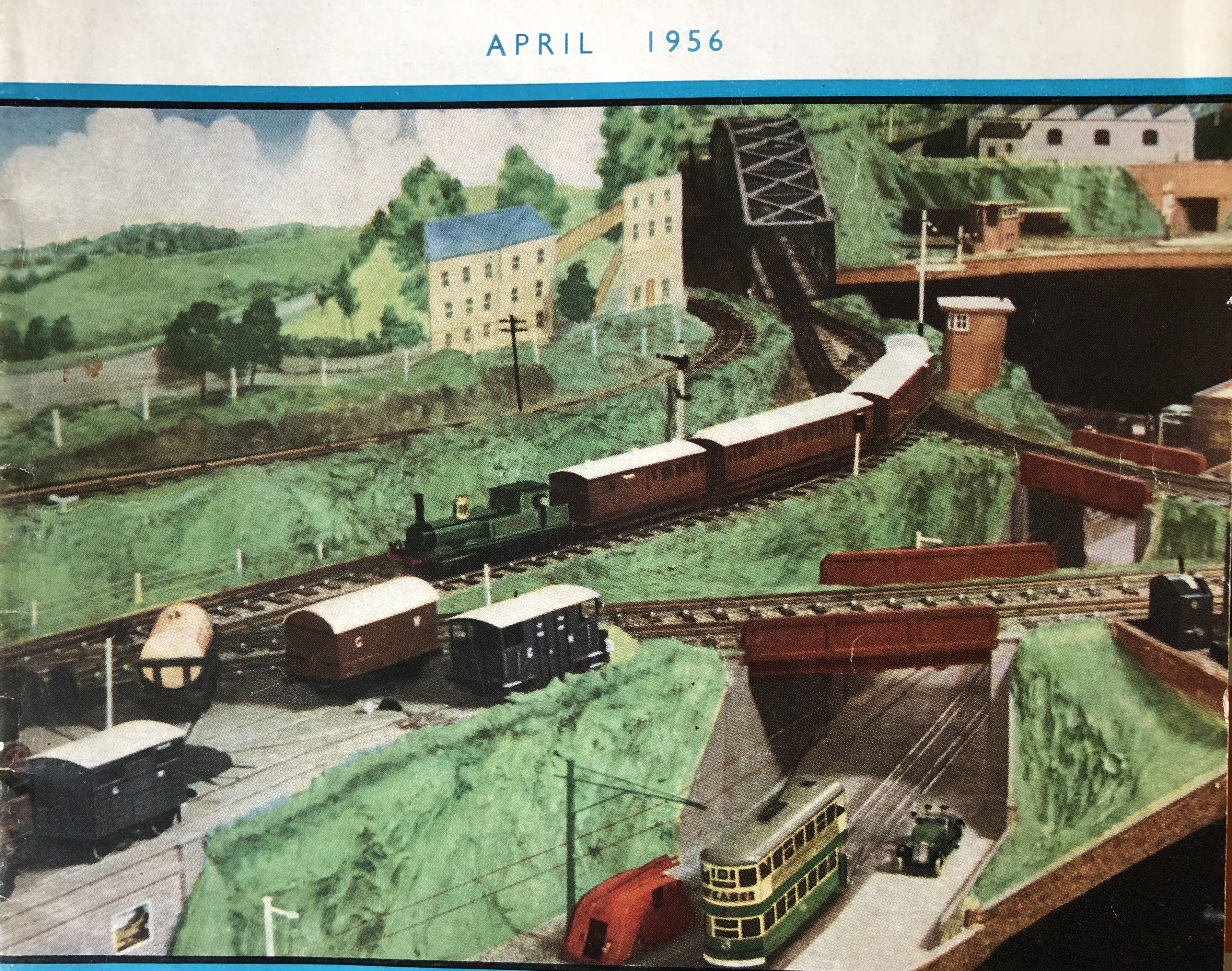
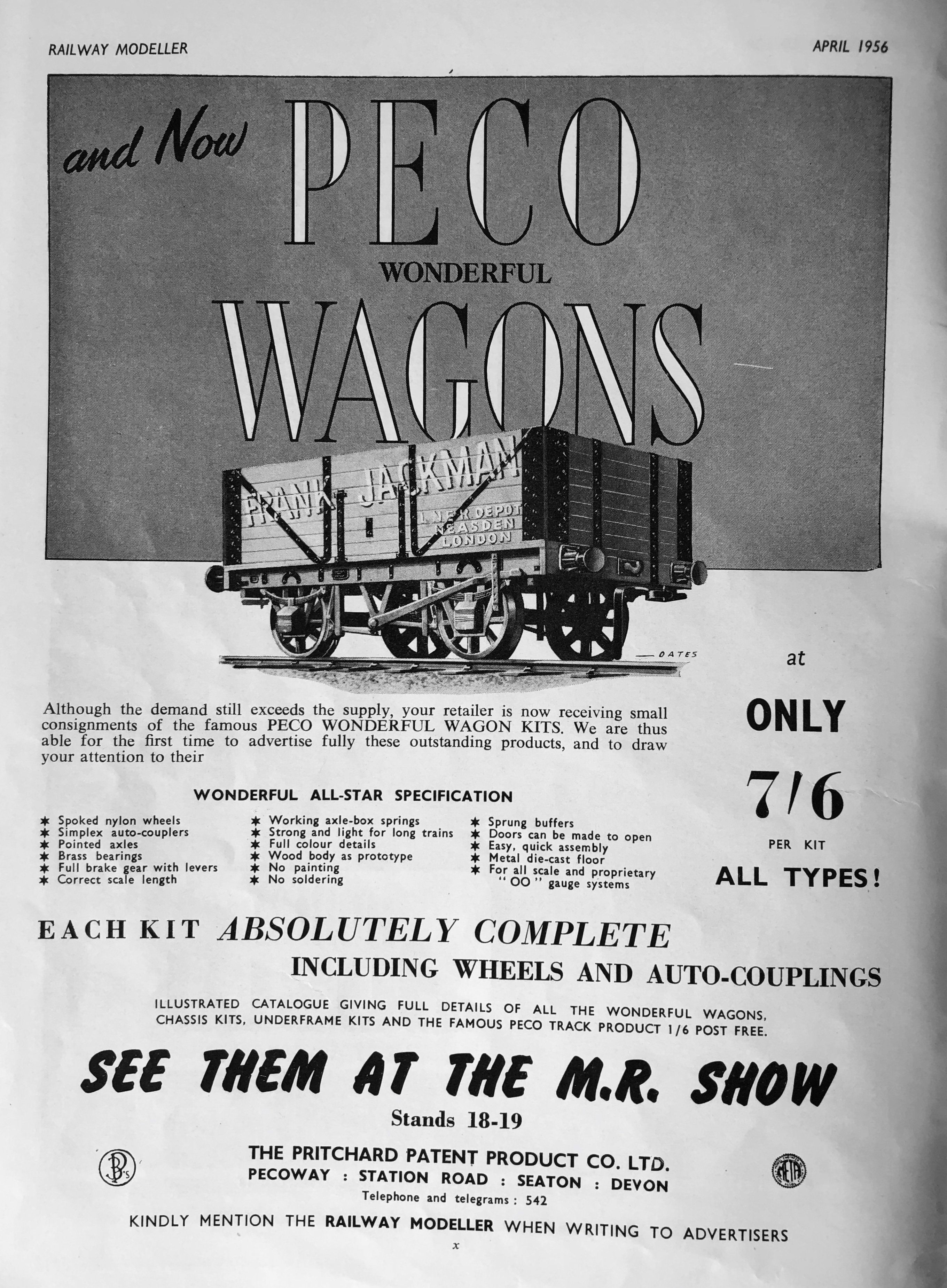
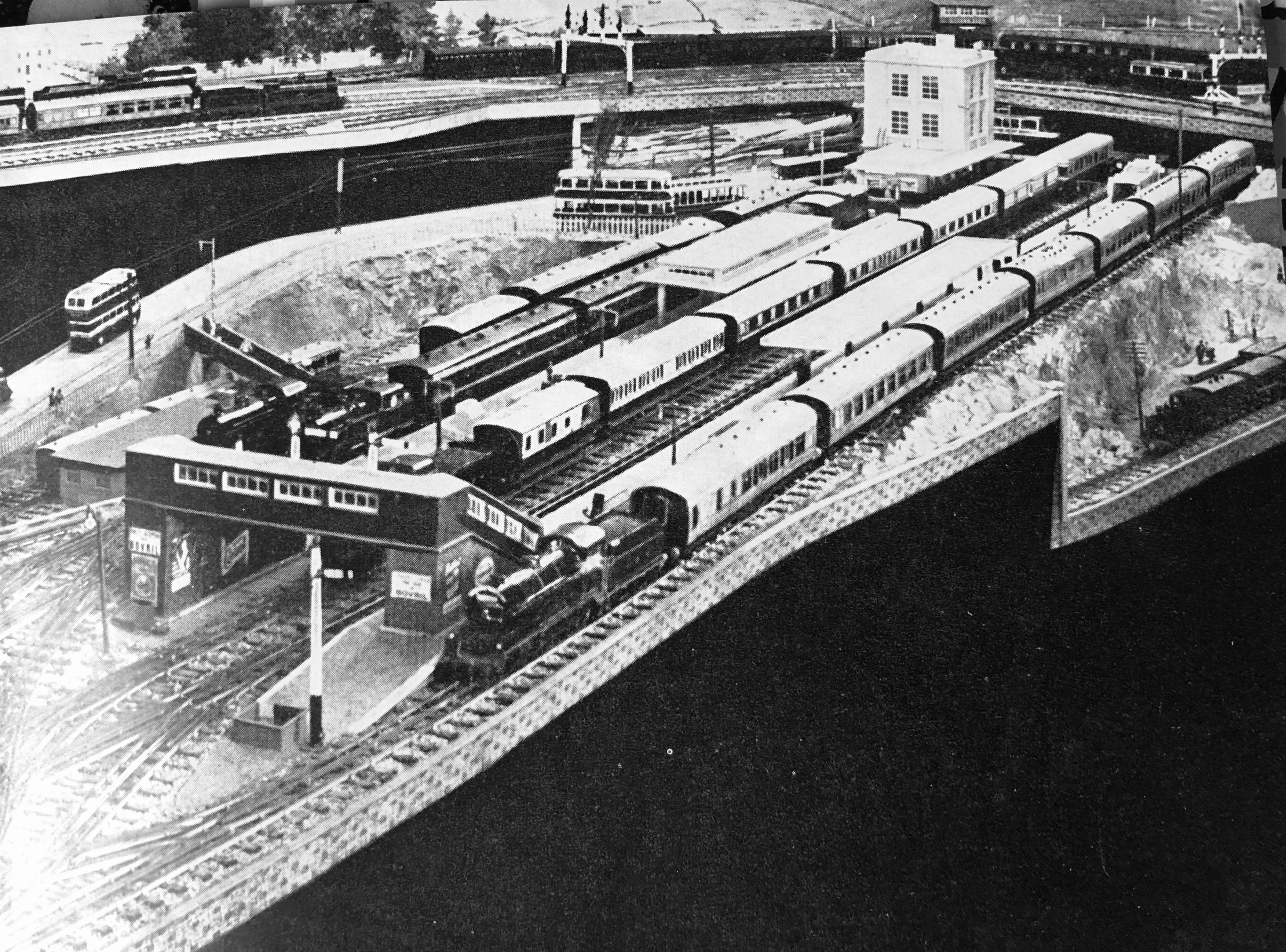
The April 1956 “Railway Modeller” had a rare colour picture of the Churchtown layout on the cover. The Peco ad shows wagons for 7 shillings and 6 pence. To those of us who were not au fait with money prior to 1971, that’s €0.47..... Eat you heart out, Fleabay, where they would now be £237 each, plus £55 postage each.......
-
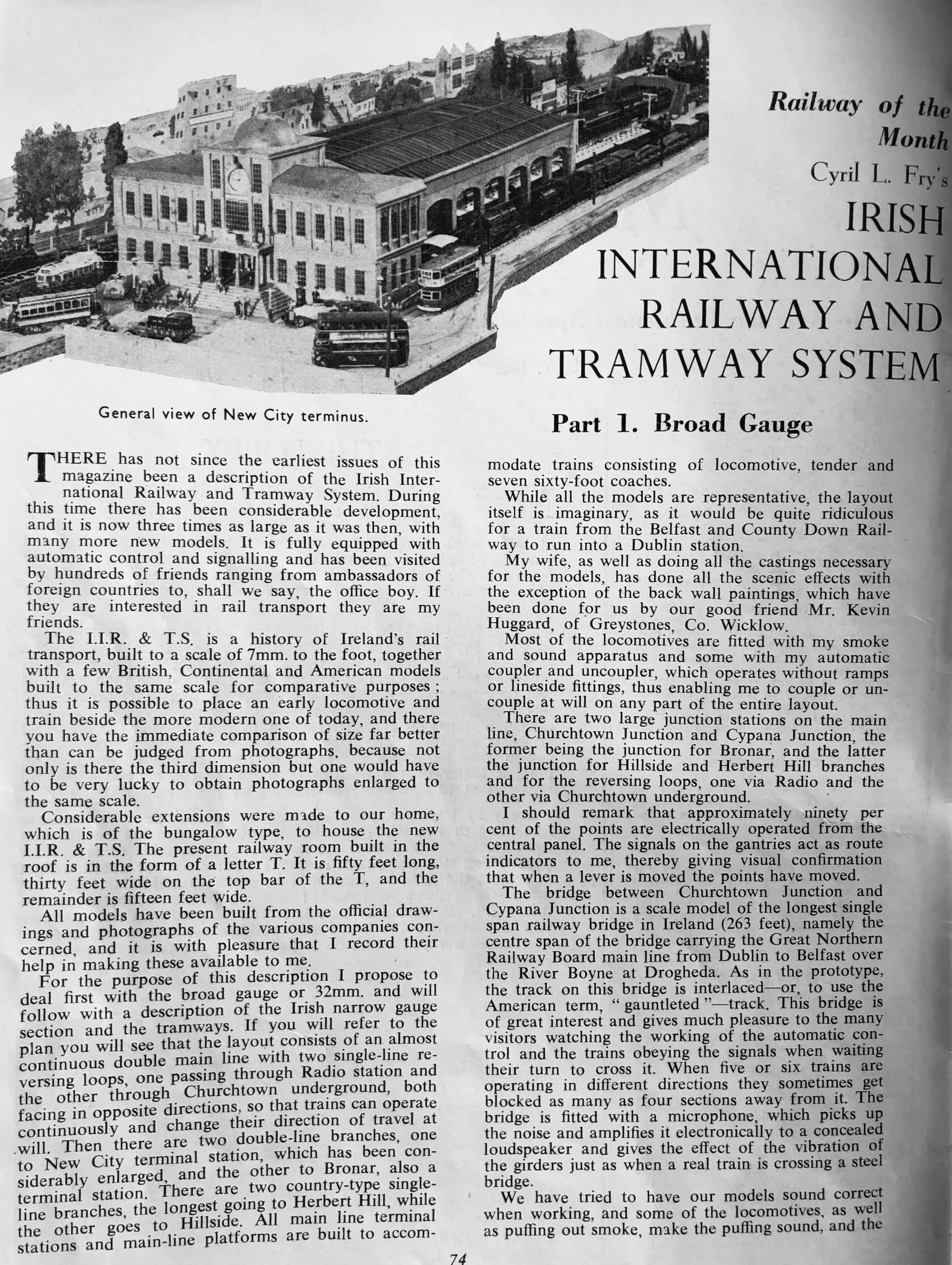
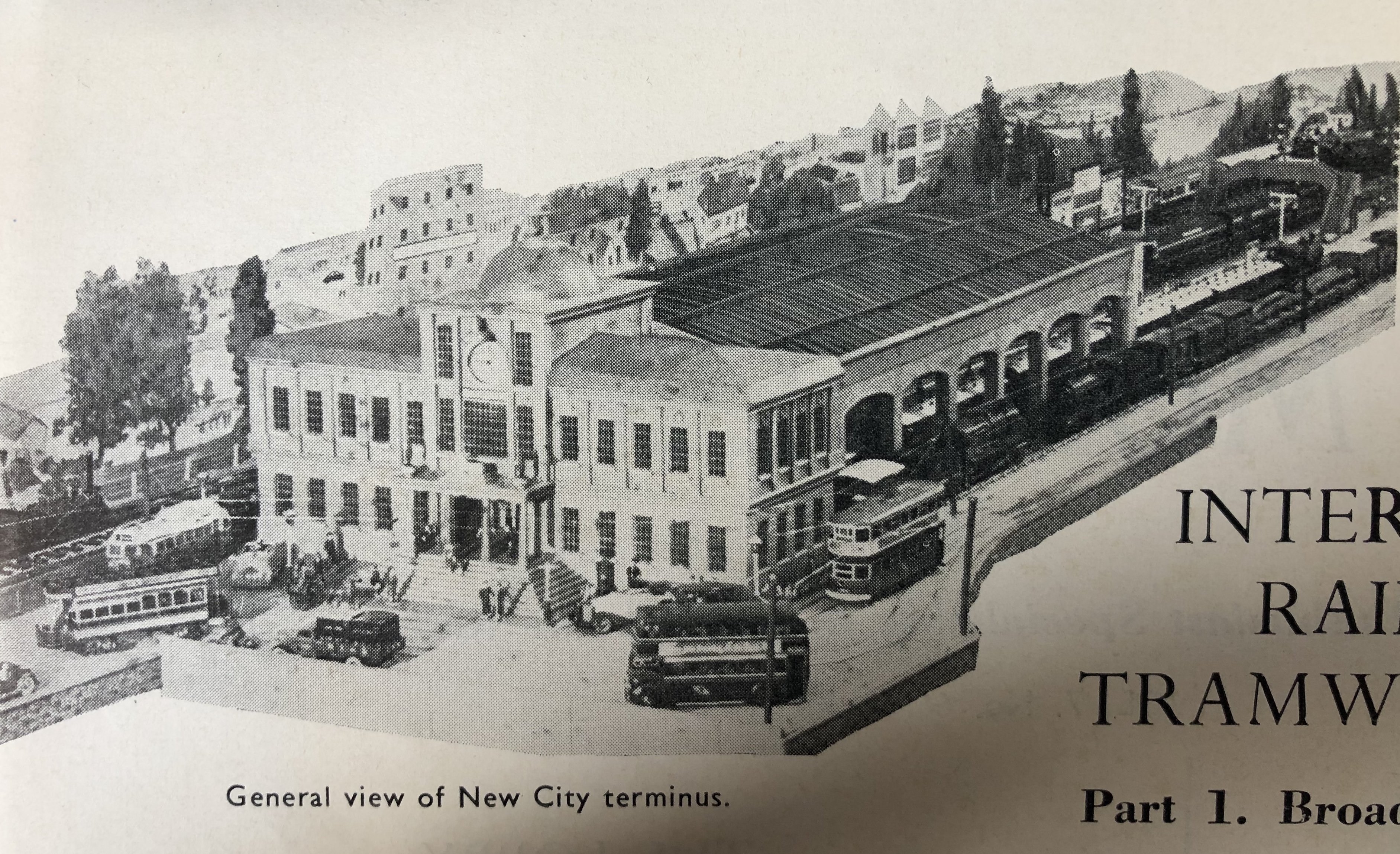
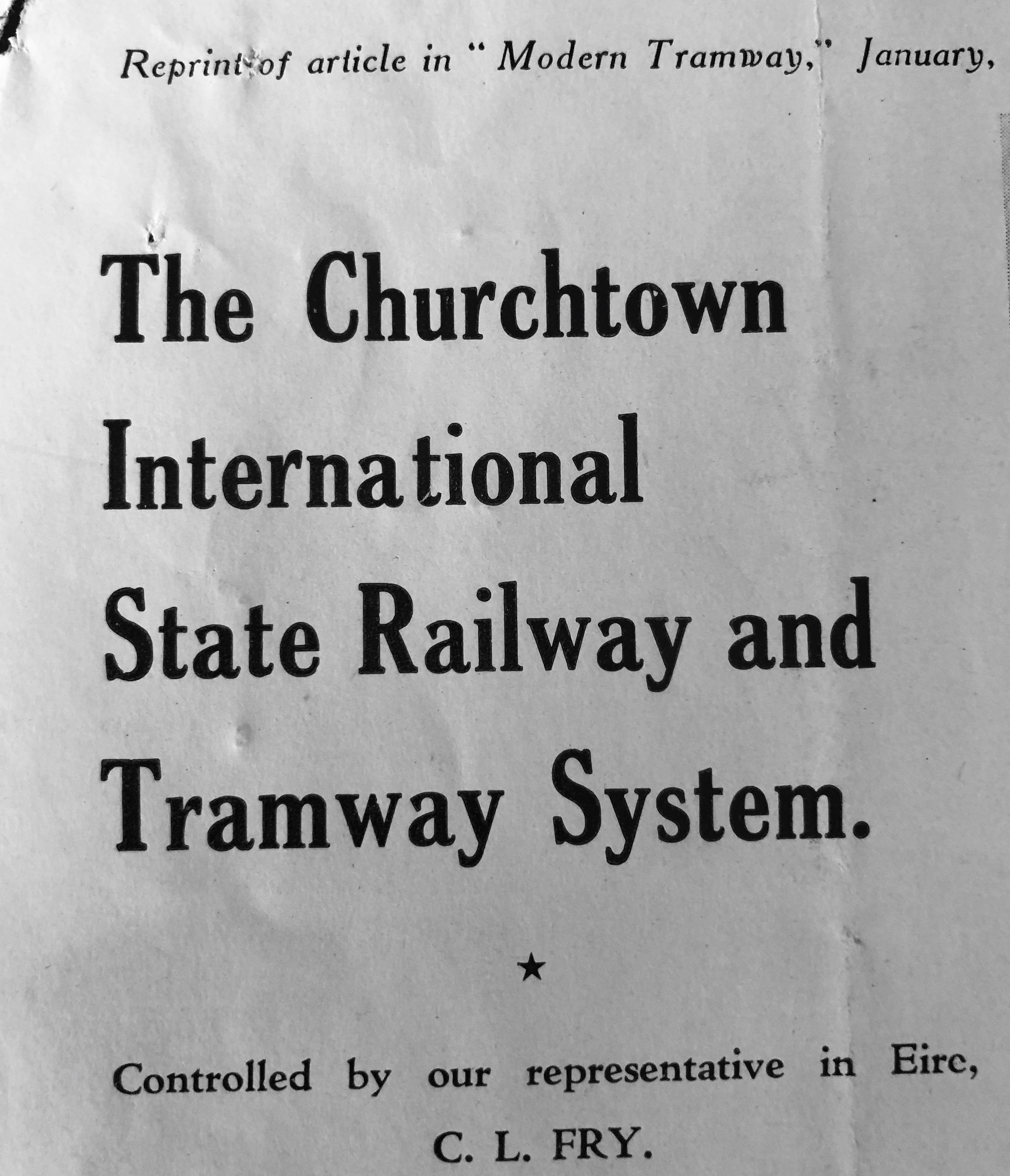
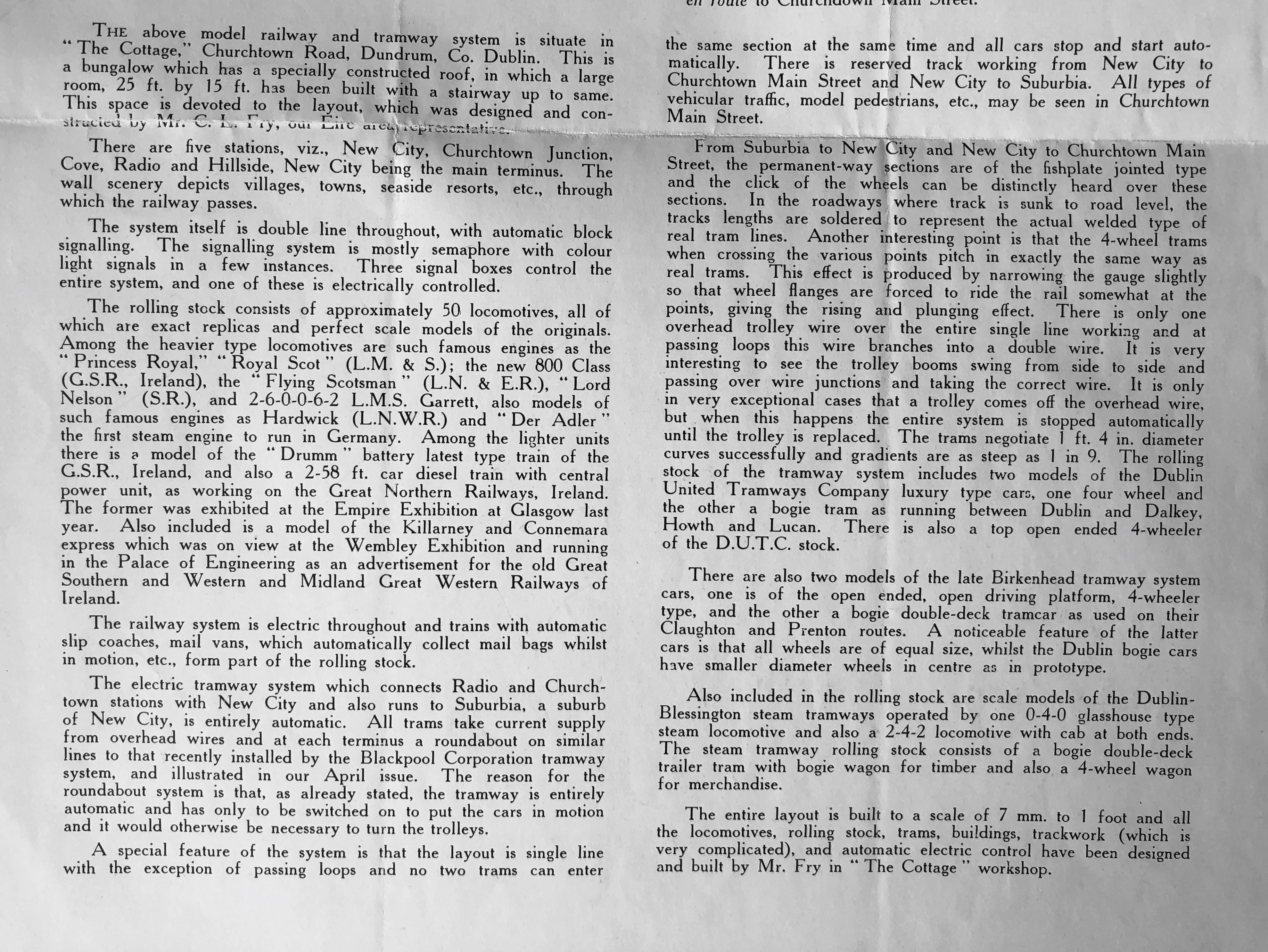
From “Modern Tramway”, January 1940. Mention is made of his model of 800, which then was only weeks fully in traffic. 801 and 802 were not fully completed. Clearly, Fry had friends in the Drawing Office in Inchicore..... this, itself, is an emerging story.....! The building seen below as the main terminus at “New City” has survived. I am hopeful that space may be found to display it.
-
Yes, No. 1. Built 1934 (I think) and withdrawn by the UTA 1965. It's a power car with the cab blocked off. What they did when the last of these were withdrawn and replaced by the new 80 class, was to clear out the cab - exactly the same way CIE did with the similar cars used laterally as push-pull sets on Dundalk - Bray services. Two or three anyway were used for a short time about 1969-73(?) as loco hauled passenger stick with cabs blocked off like that. I think the driver's compartment might have now been used to put things like prams in. After that, this one and possibly one other had the seats removed and some windows blocked, for a couple of years' further use for the purpose stated. They may have got to Derry as well in this guise as parcels vans tacked onto the back of 70-class railcar sets. I daresay that like their CIE counterparts they had asbestos insulation. If that was the case, they'll be lying at the bottom of water-filled Crosshill Quarry in Co. Antrim at this stage, I would think.
-
As the happy owner of a few of these little beasts, I can attest to their excellence, as befit ass things "Provincial". Now, if I could get current writing projects finished, I might get round to actually putting the things together, along with about a dozen cattle trucks from the same stable!
-
This is an ex-GNR AEC or BUT car, one of several thus converted, along with a couple of ex-UTA "MED" centre cars from 1951. These - between the two types I think there were about half a dozen of them - were used for a very short time on parcels and mail traffic between York Road and Larne Harbour, and mail between Belfast and Porteeeedown. I saw an MED one just twice in Lisburn, tacked onto the back of an ordinary railcar set (of which type, I cannot recall). They were painted standard NIR maroon, as seen to the right of it; the same shade, incidentally, as used on the upper parts of the 80 class and "Enterprise" stock of 1970. The very last ex-NCC railcar was withdrawn, I believe, in 1965.
-
Ahh, the wagon RE-built; sorry, I missed that. My father's notes suggested either 1944 or 1947, so it is clearly taken in 1947 then. He was there to do an inspection of the entire track. This was when he was seconded to the NCC. The "Joint Committee" arrangement included the GNR taking responsibility for most mechanical matters, so loco and rolling stock repairs (and more) was carried out at Dundalk if Stranorlar couldn't manage it. Track and structures tended to be poked and peered at by York Road. Having said that, following his appointment to the GNR he continued by "local arrangement" to unofficially advise the CDR from time to time, and also unofficialy acted as a minder for the worst excesses of the SLNCR's track and bridges, as they could not afford their own resident engineer. He did not seek any payment for either. In life, those who knew him will remember him as modest, and at all times understated in his comments on anything. However, this same year he reported on the Glenties branch, its track, structures and even lineside fencing and drainage. His report, which I have somewhere (it appeared in recent years in the IRRS Journal) was couched in language uniquely uncharacteristic of him - he was clearly genuinely shocked by the state of it. The report did not go through a list of "this ought to be renewed, that ought to be replaced"; it was bordering on the alarmist in absolutely laying down the law with immediate effect. A complete and instant ban on all locomotives - only railcars allowed, and those subject to a maximum 25 mph over the whole line, but with many stretches of 20 m p h. The track was falling to pieces. I suspect myself that the rails may have been largely original. His report ended insisting, not recommending, that they lift the WHOLE line, dig out the ballast and drains and all, and relay it - or close it. With neither the NCC nor the GNR, both of whose own coffers were depleting day by day, in no mood to cough up, the line closed. He used one of the small railcars for his inspection. On an aside note, on one occasion, a section of the SLNCR needed to be re-ballasted as heavy rain had washed aside what little there was on one steeply-sided embankment near Glenfarne. E W Monaghan of the SLNCR, who was a friend of Senior, rang him expressing concern as he had had a look at it. The SLNCR had no money to repair it, so Senior arranged for a number of wagons of spent GNR ballast and more of locomotive ashes from Enniskillen and Manorhamilton to be brought out there and dumped. There is a small section of concrete wall still visible at the site, at the bottom of the embankment. The GNR paid for that, but I didn't tell you that, and I wasn't even here when I didn't tell you..... Track was long gone by then..... made into a car park.... I commuted there too 1995-7, and had the odd cab run on my way home. This was when NIR was chronically starved of money, and basically run as an inconvenient sidekick to Ulsterbus. A well-known incoming chairperson famously expressed an opinion that the trains ought to "shut up in their sheds by 7pm, after the rush hour". You'll remember the "Save our Railways" campaign. Anyway, I well recall approaching Bleach Green Junction, looking ahead and seeing nothing but grass as we approached it. Reminded me of my travels in the Isle of Man in the early 70s, or Senior's takes of the CDRJC and the T & D!
-
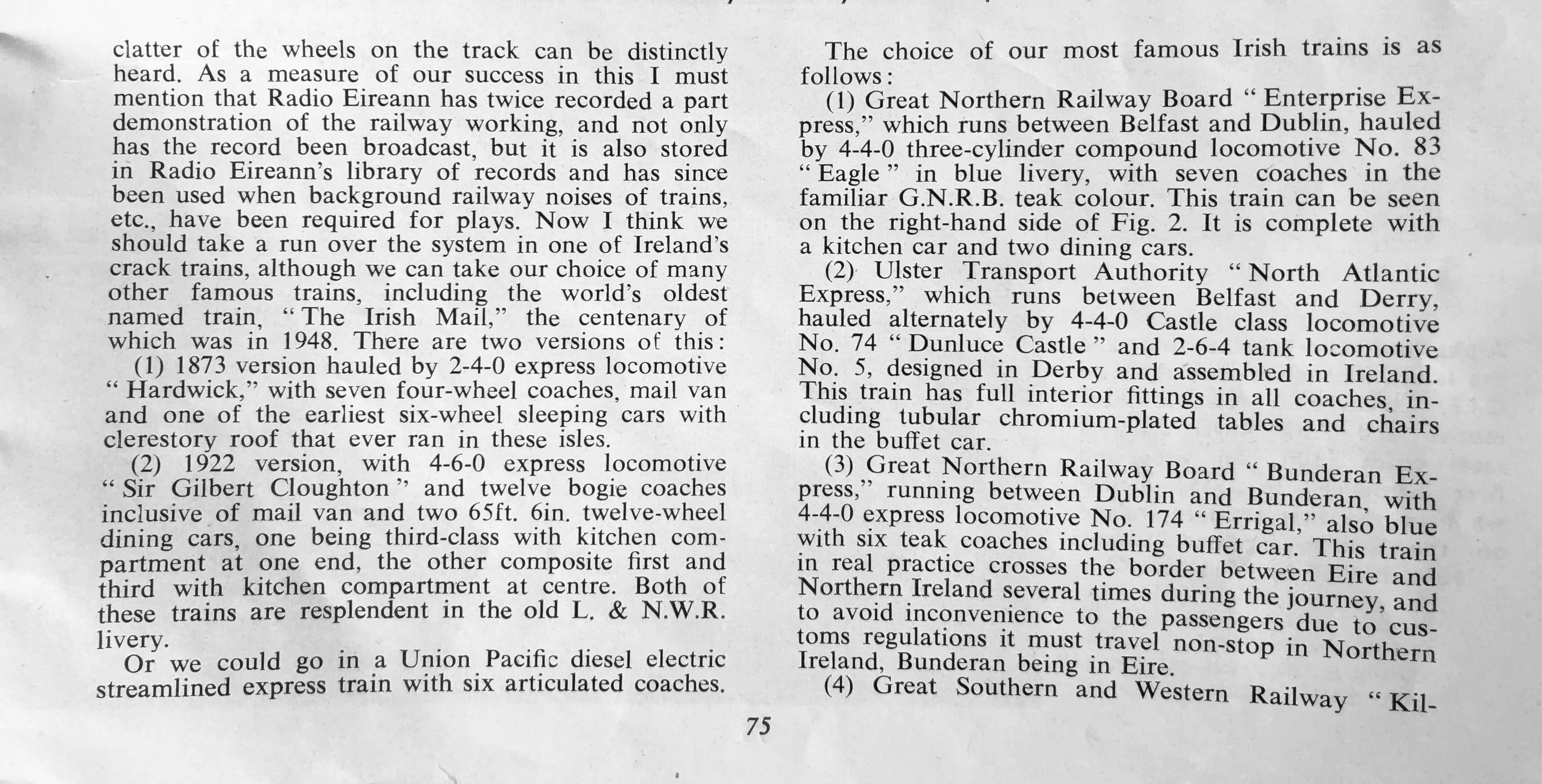
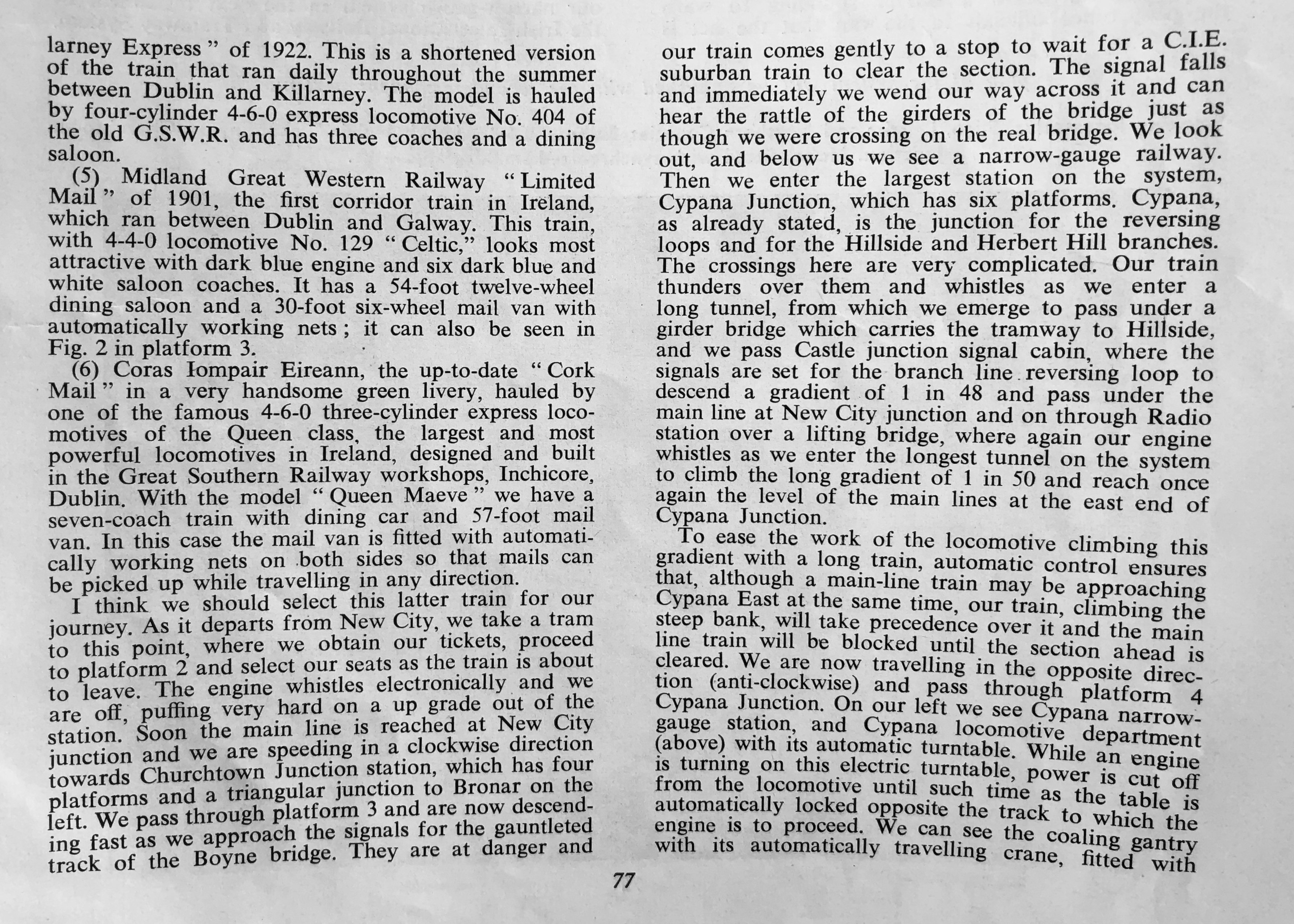
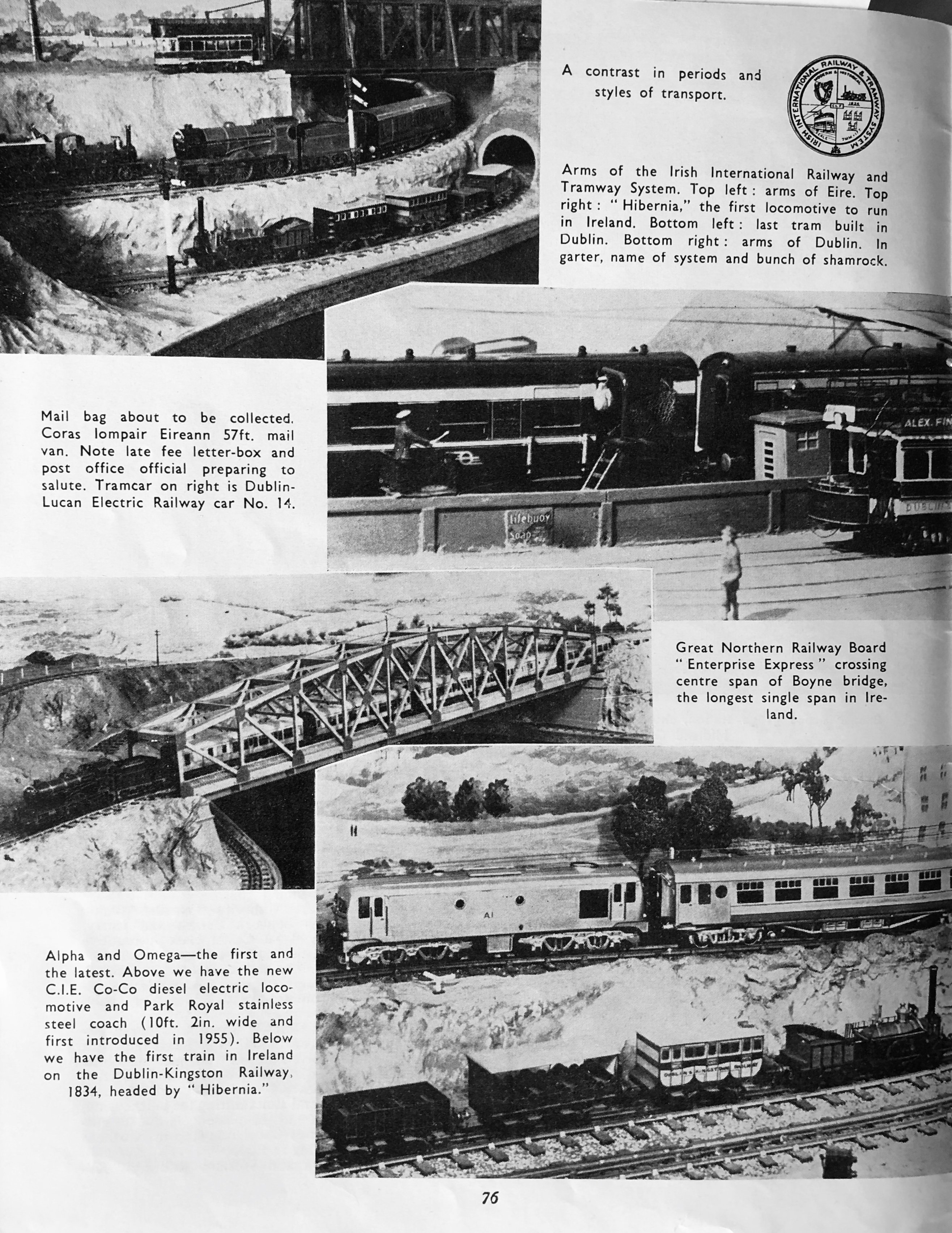
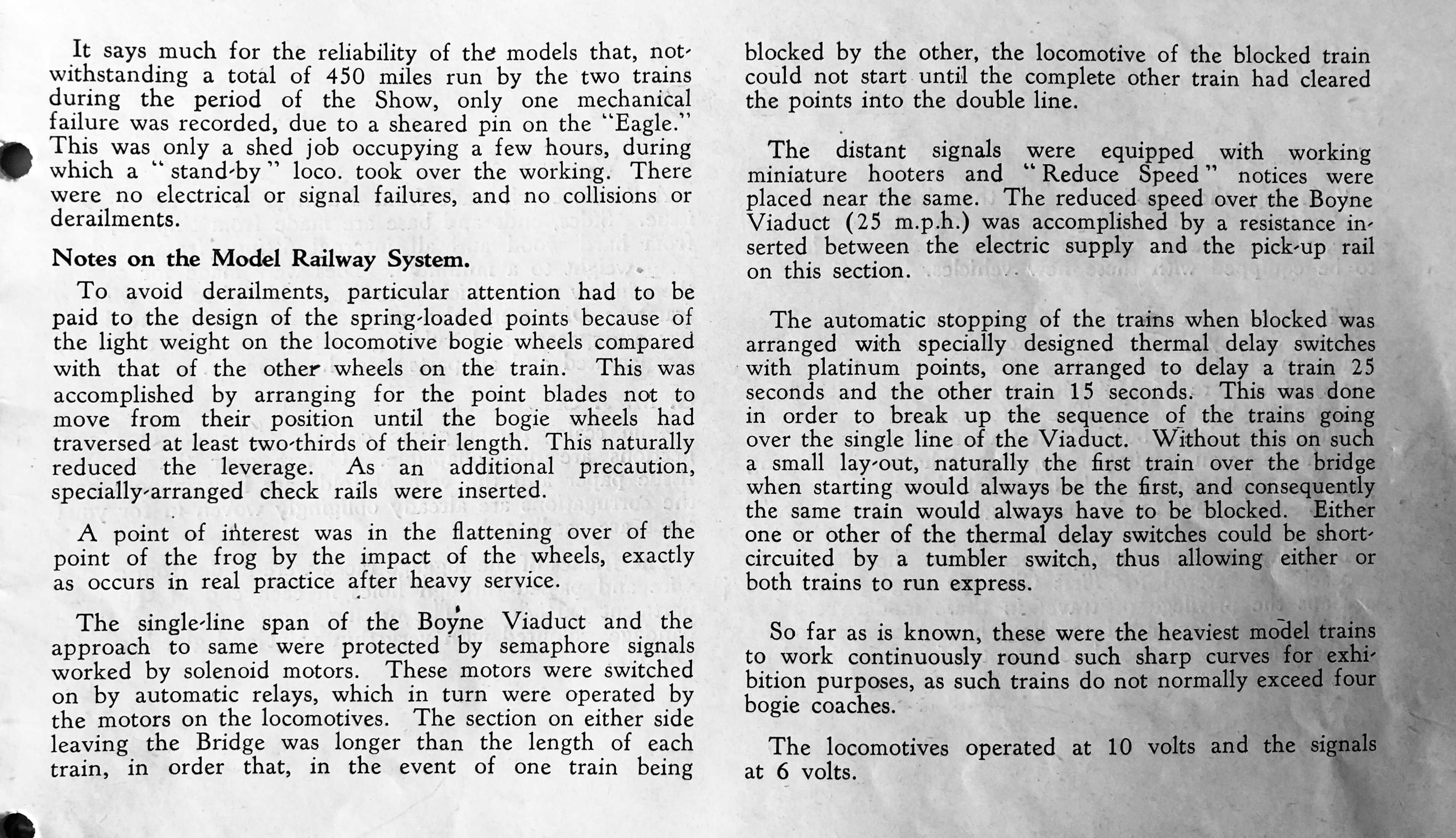
More from same article - AMAZING stuff - this is 74 years ago!
-
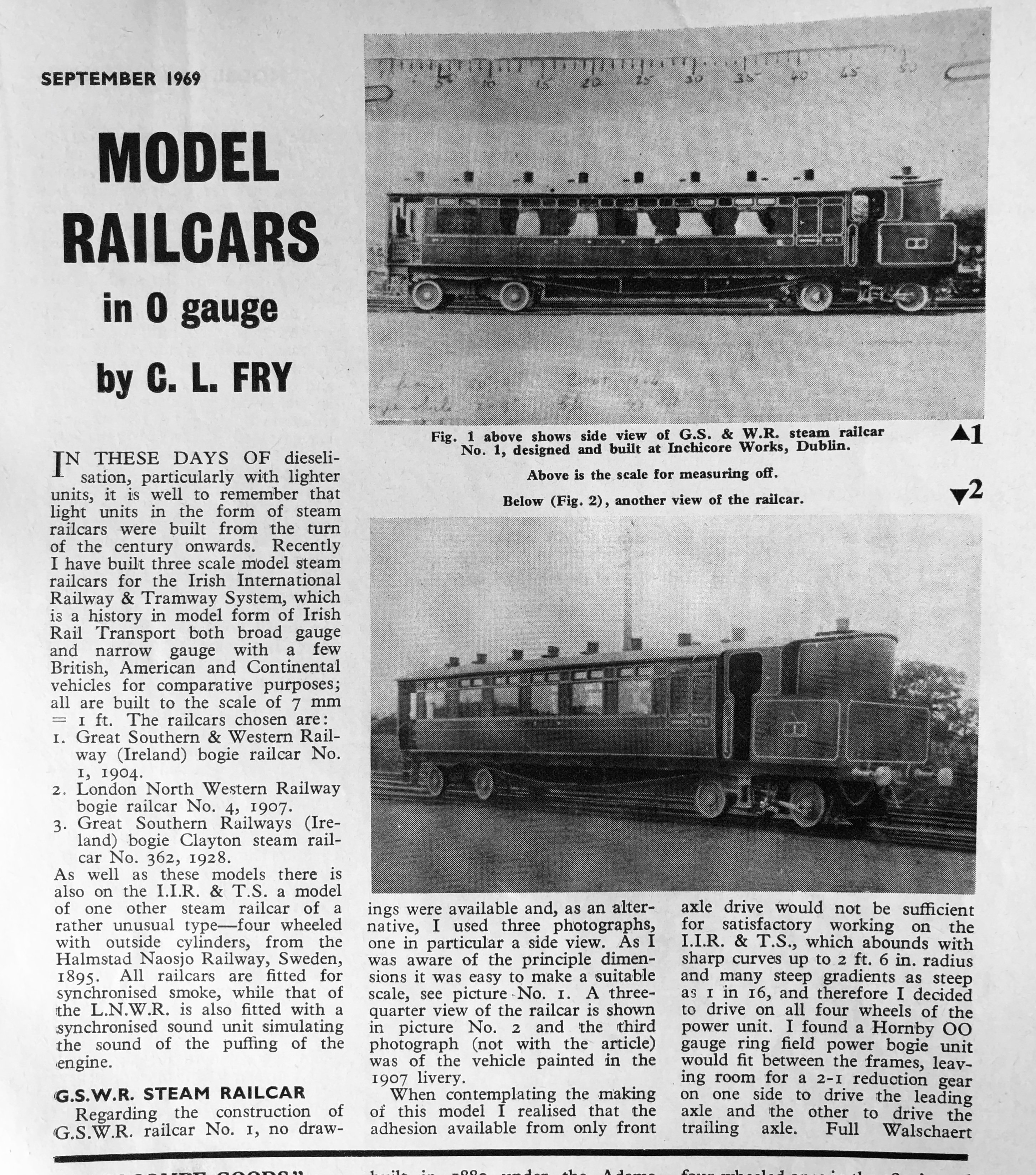
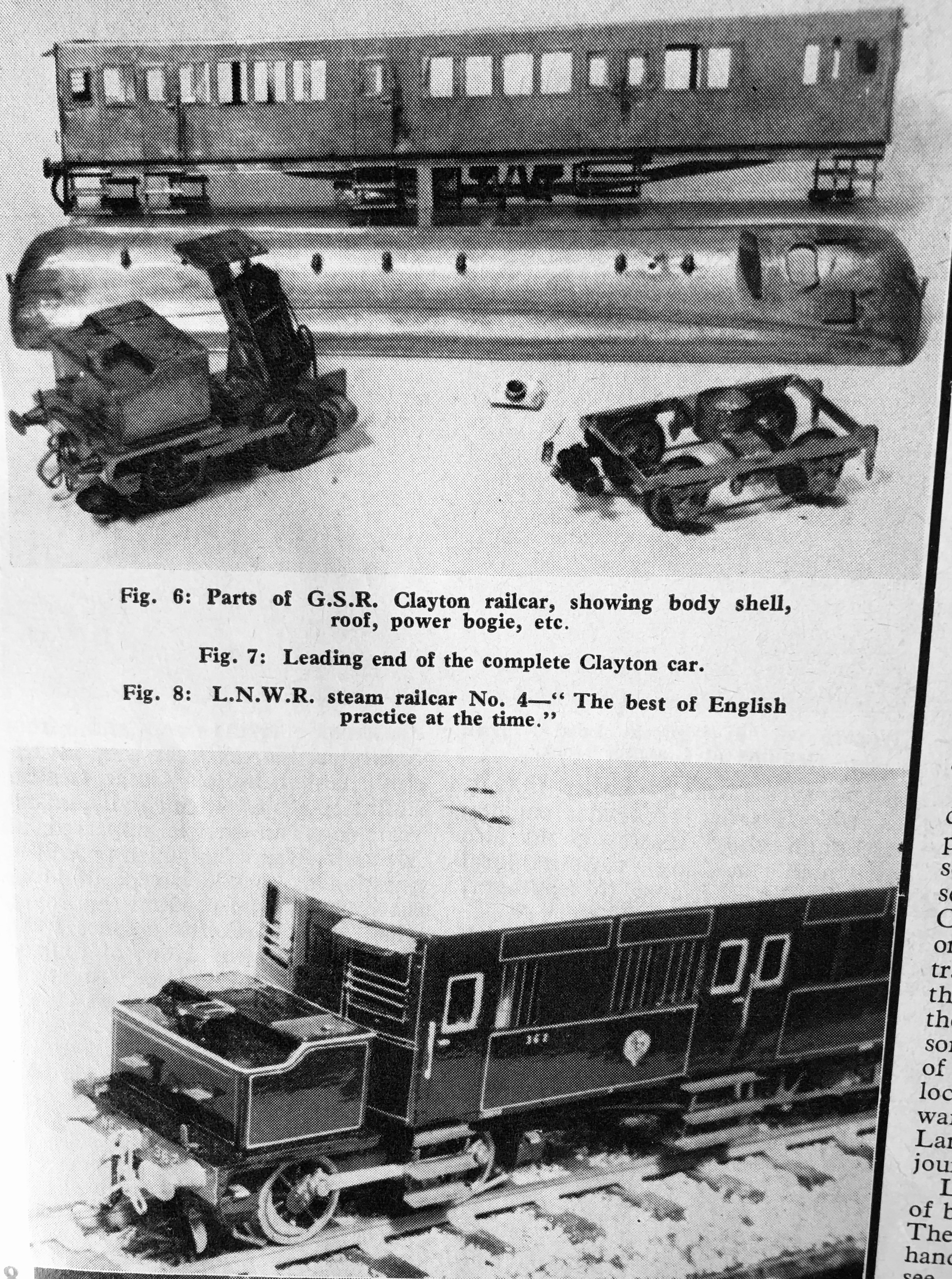
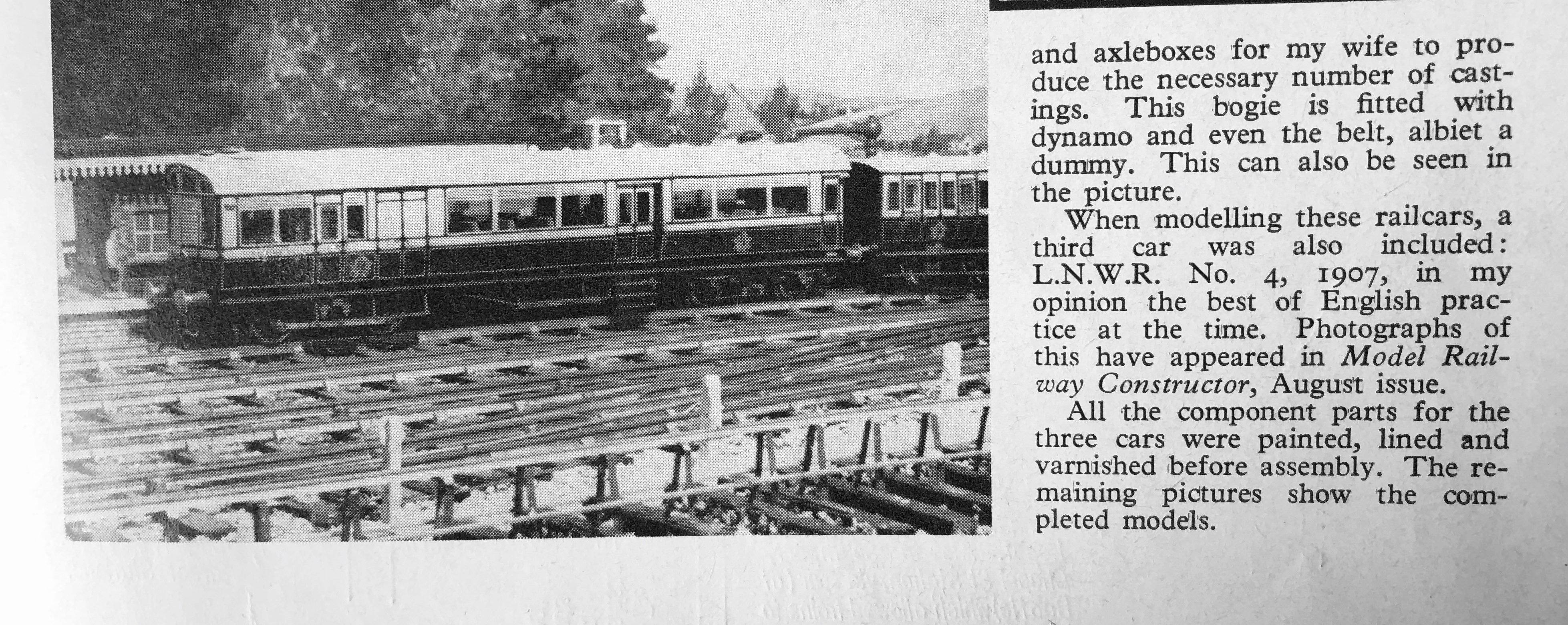
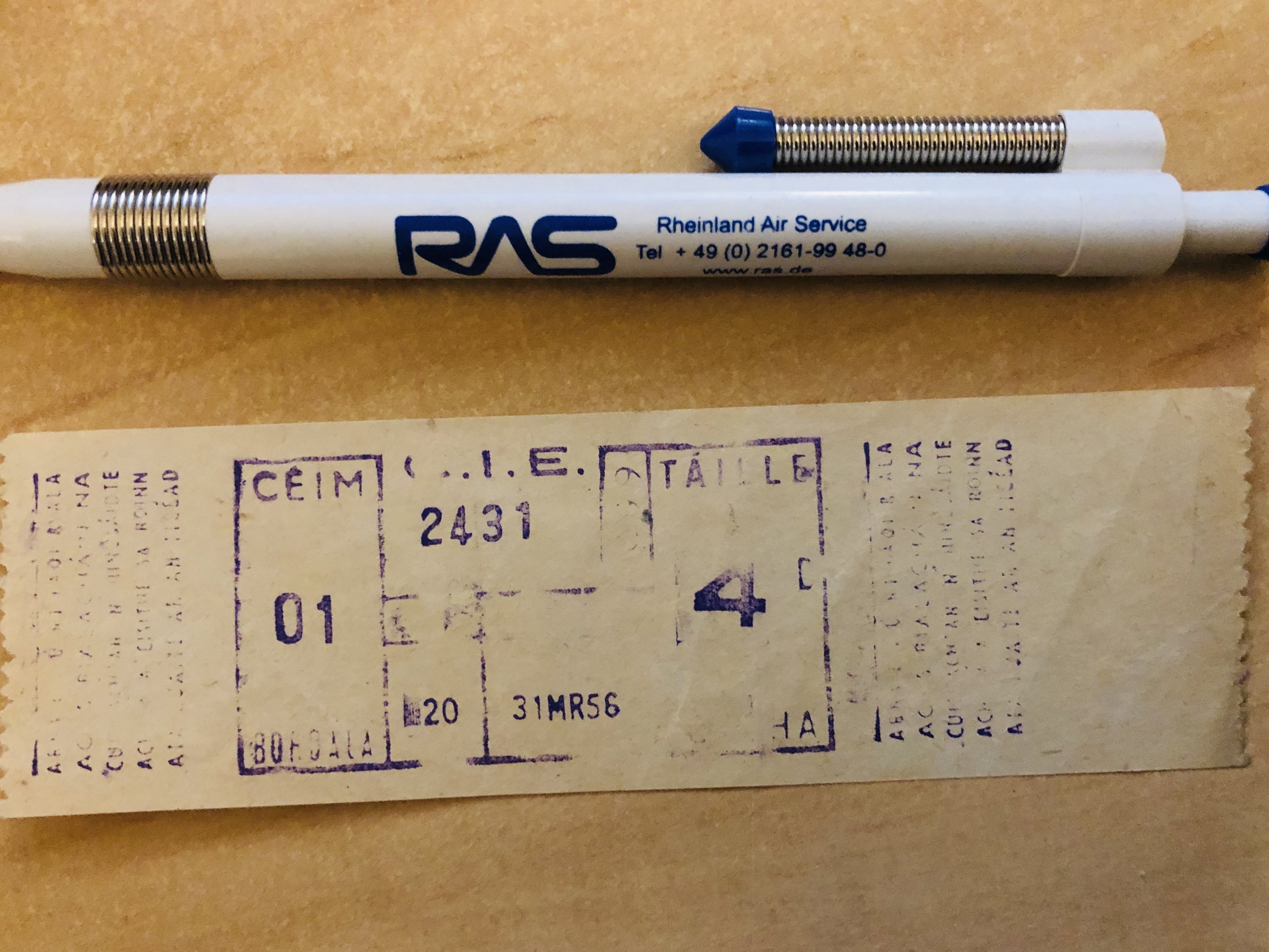
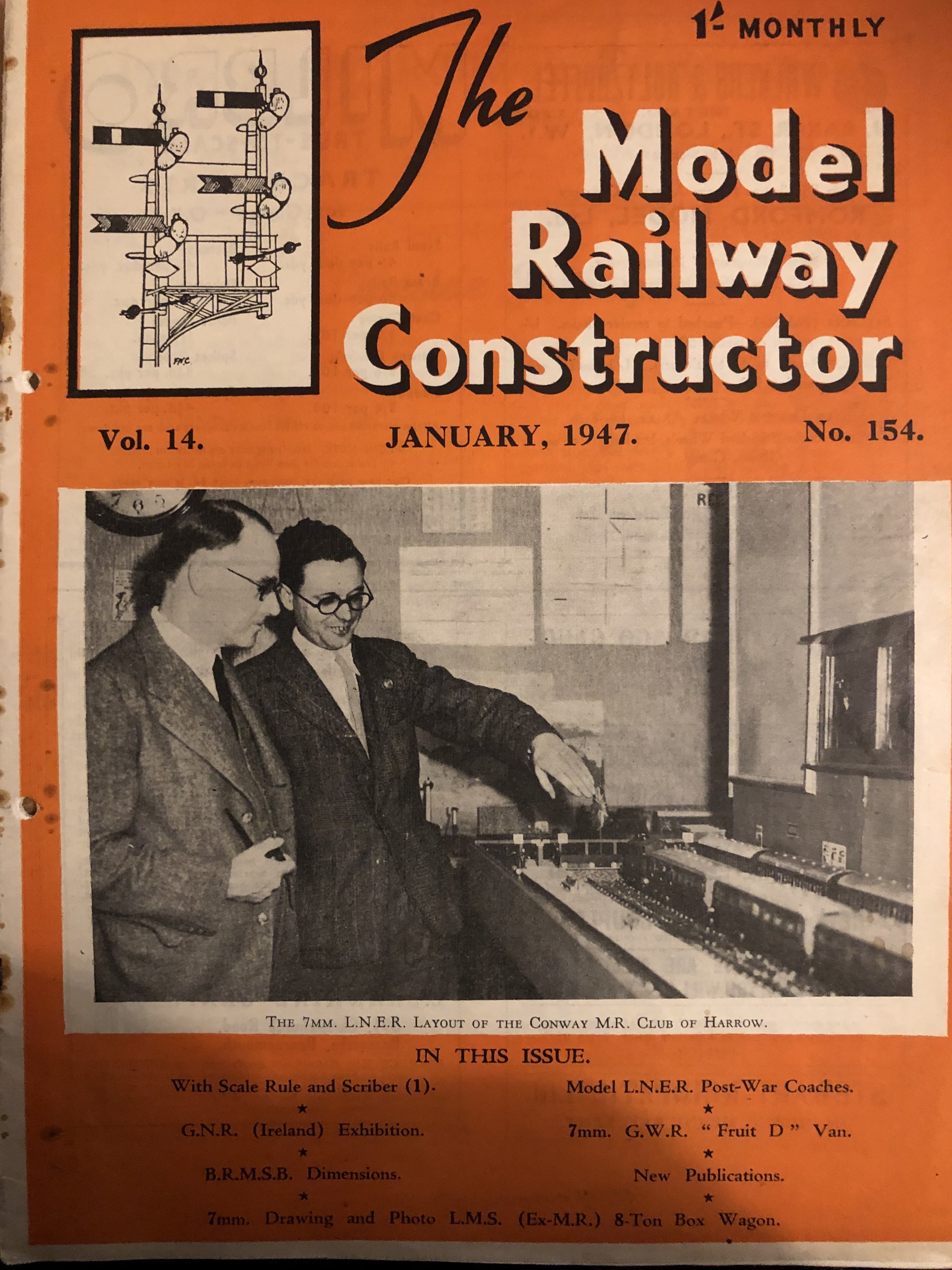
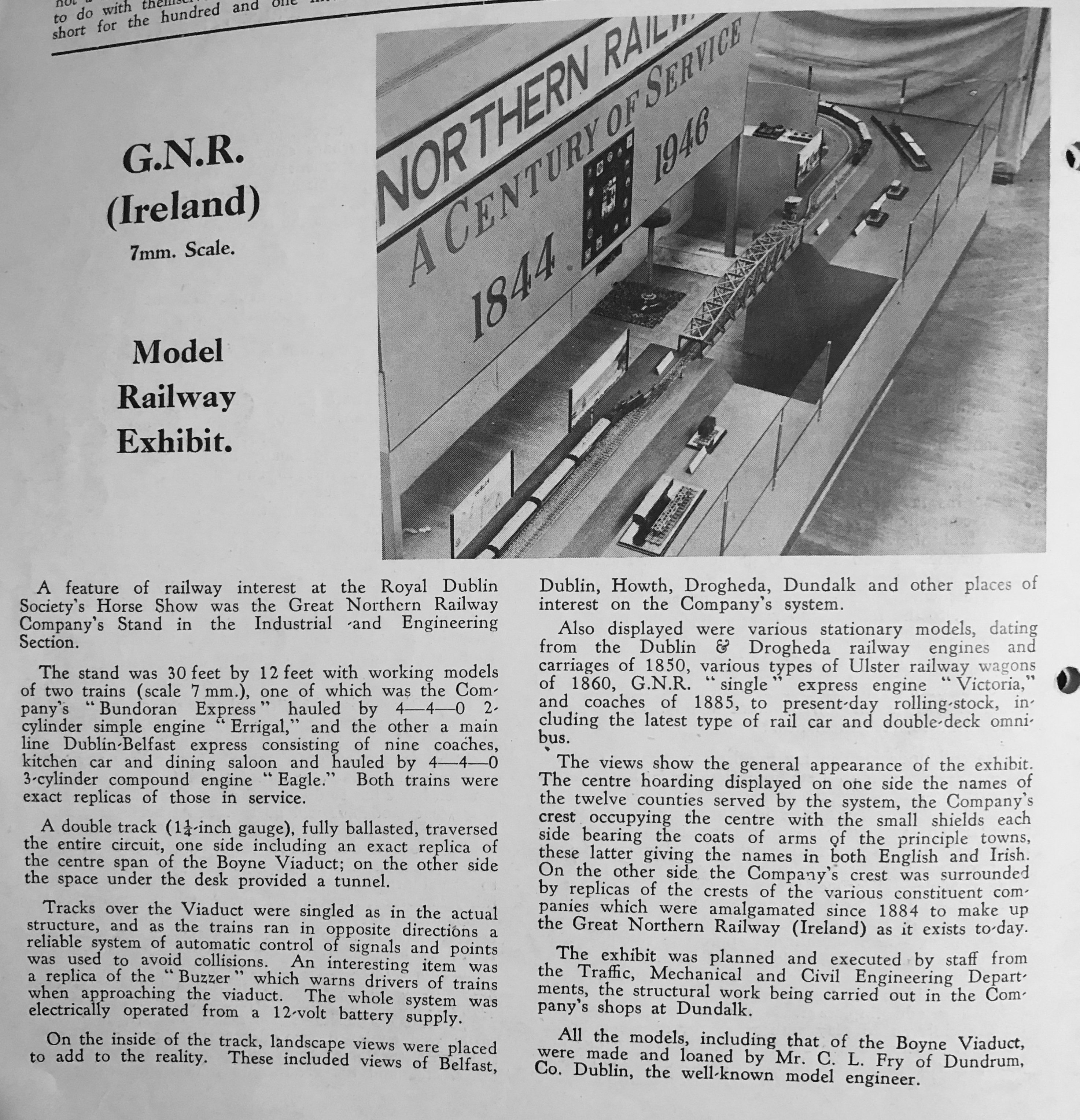
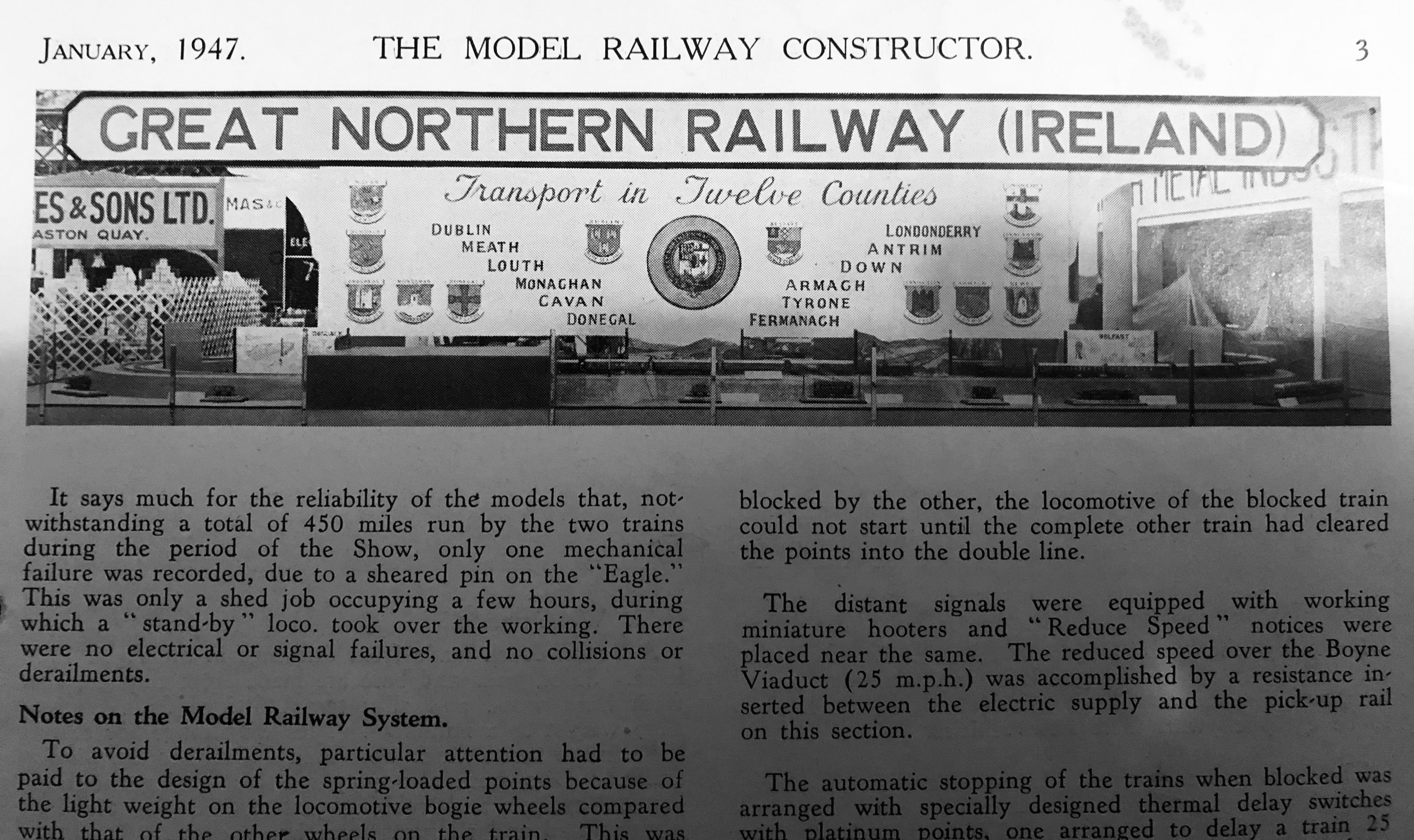
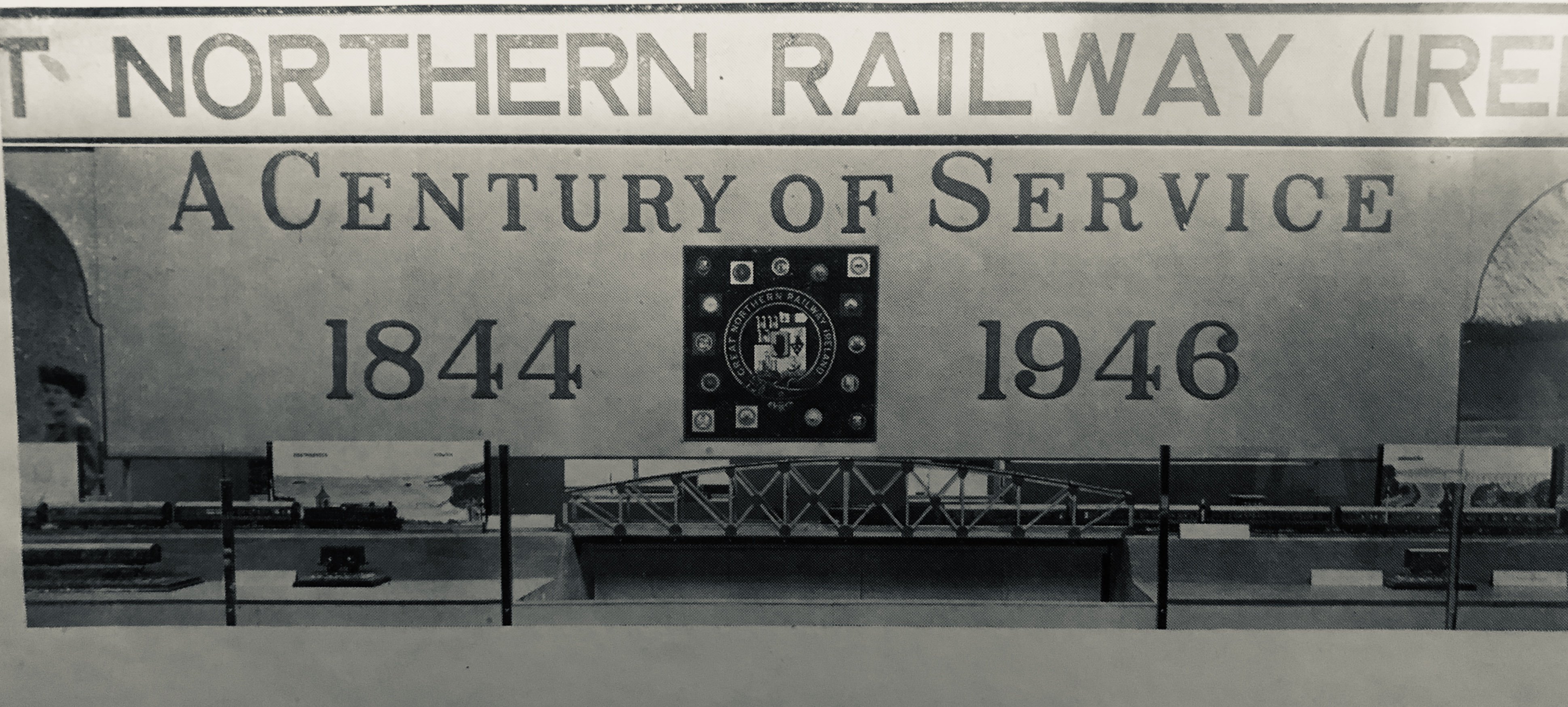
I have got several old magazines with articles by or about Cyril Fry’s models. Growing evidence is emerging over collaborations between himself and the equally well-known Drew Donaldson. It is very likely that two in the Fry collection were made by Fry FOR Donaldson, but for some reason remained with their maker, and that at least one in Malahide was made by Donaldson, with an equivalent in one in Cultra being made by Fry. As of now, the jury’s out. If clear evidence arises, I will post it. Meantime, the GNR had an exhibition in 1947, at which some of Fry’s models were displayed. Here are the details. I will post more here in the coming days. Plus a 1956 Dublin bus ticket, of course.
-
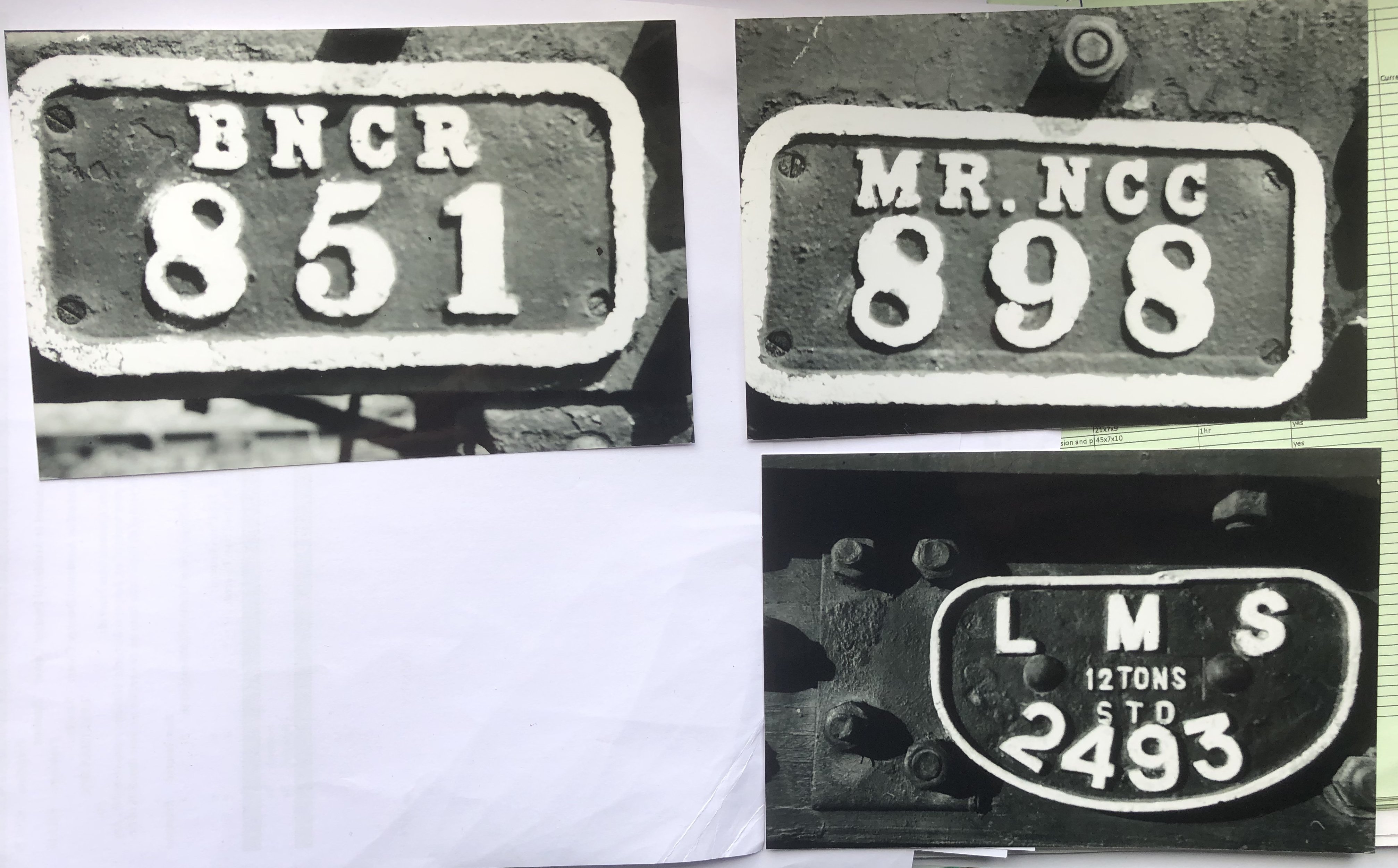
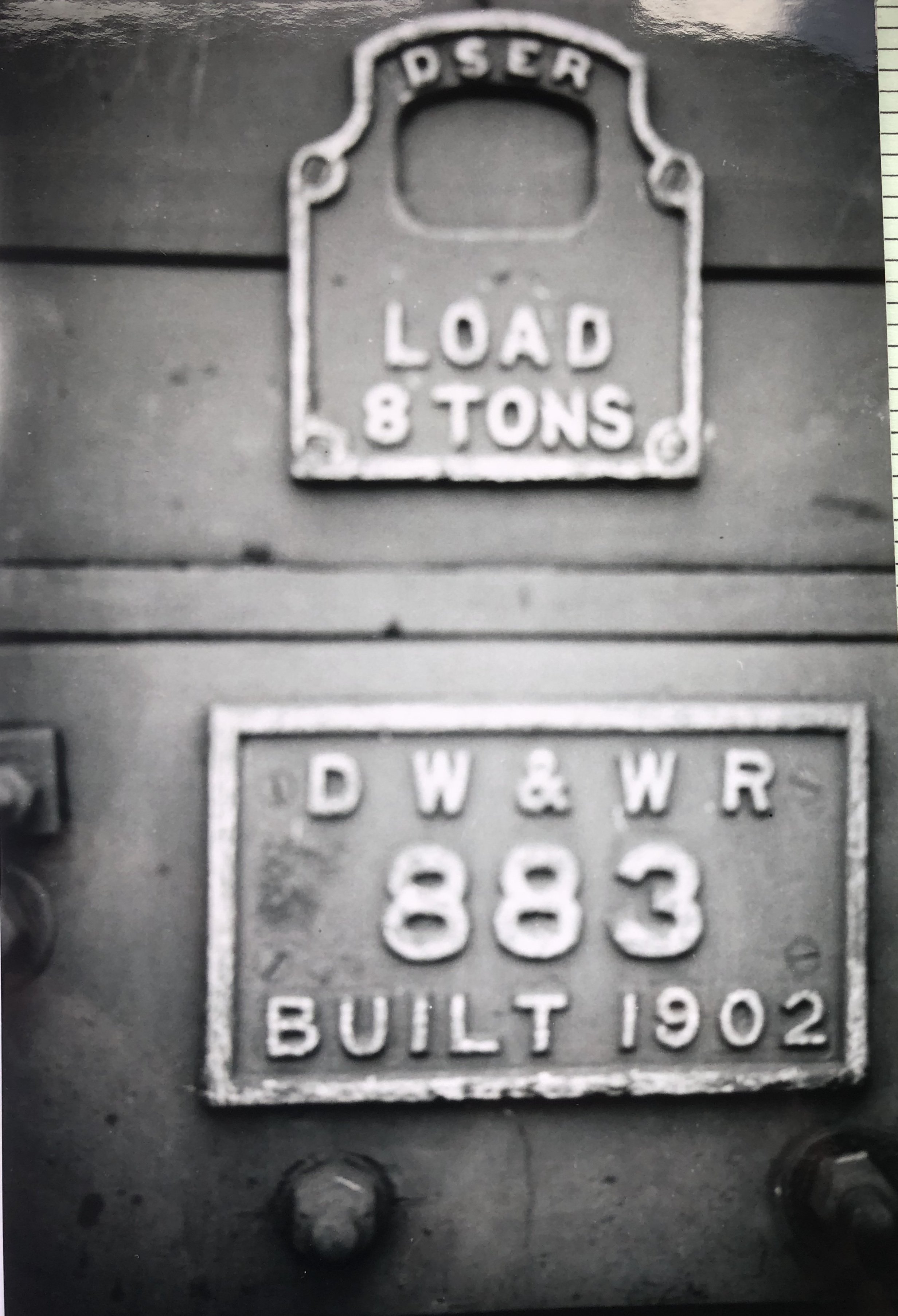
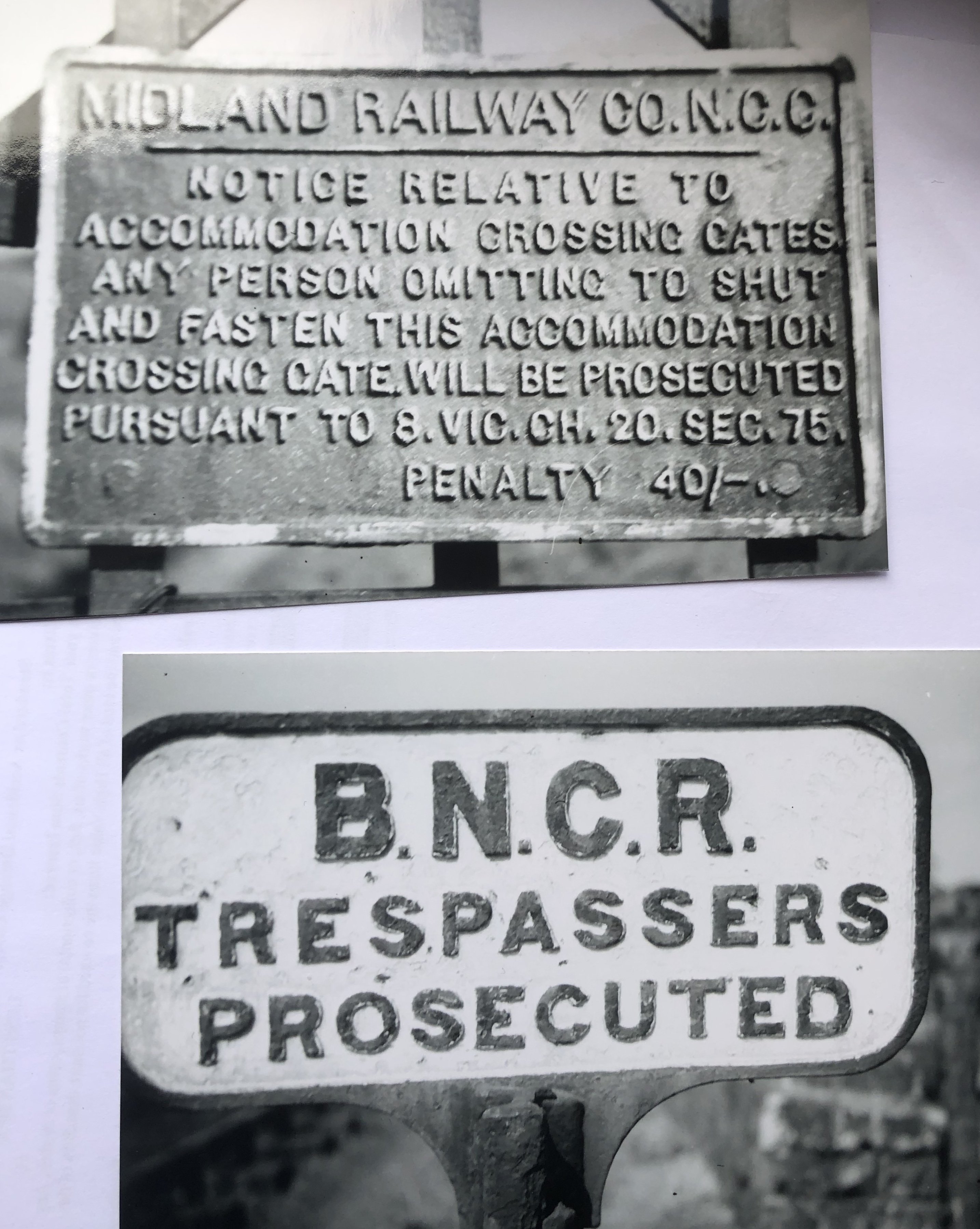
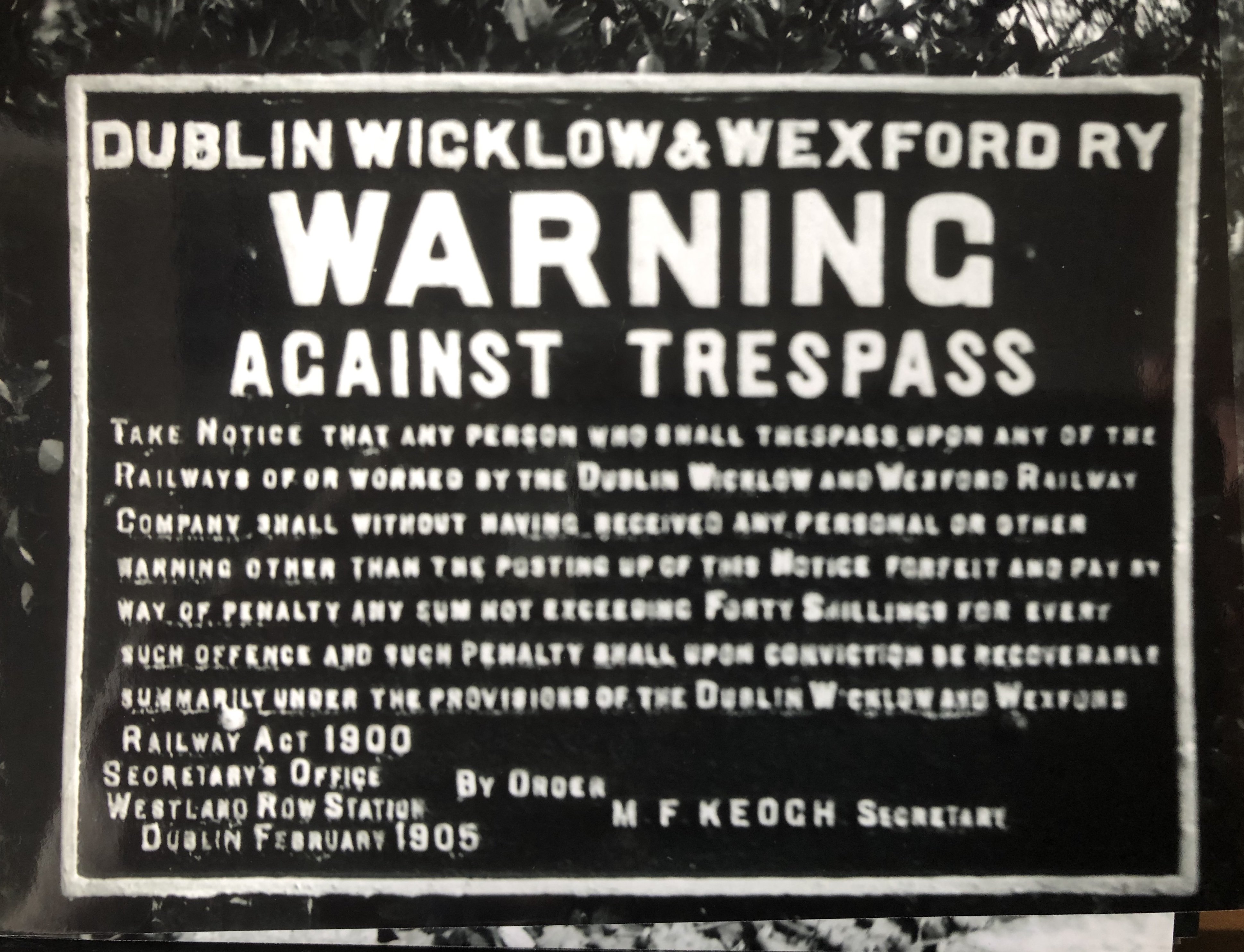
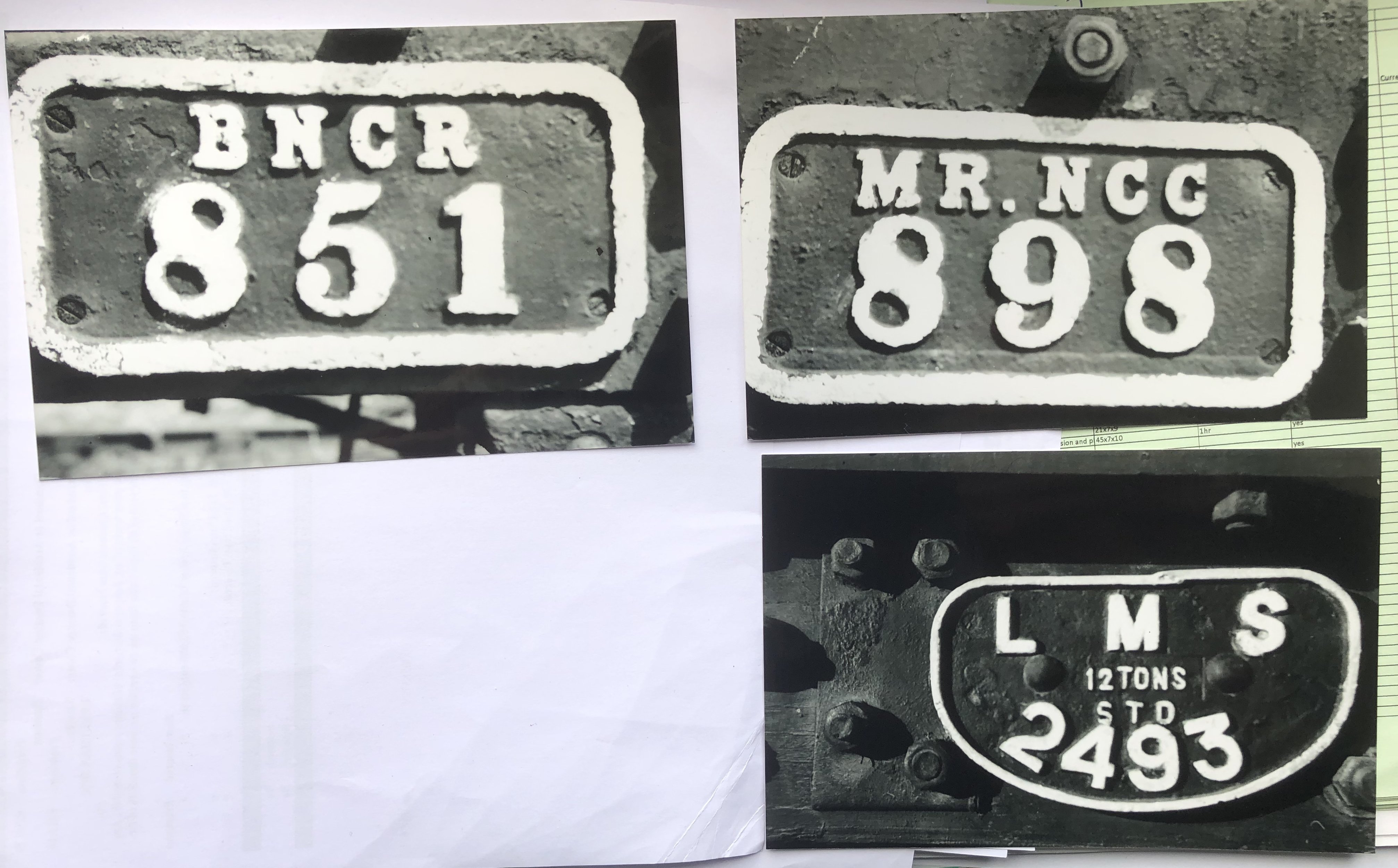
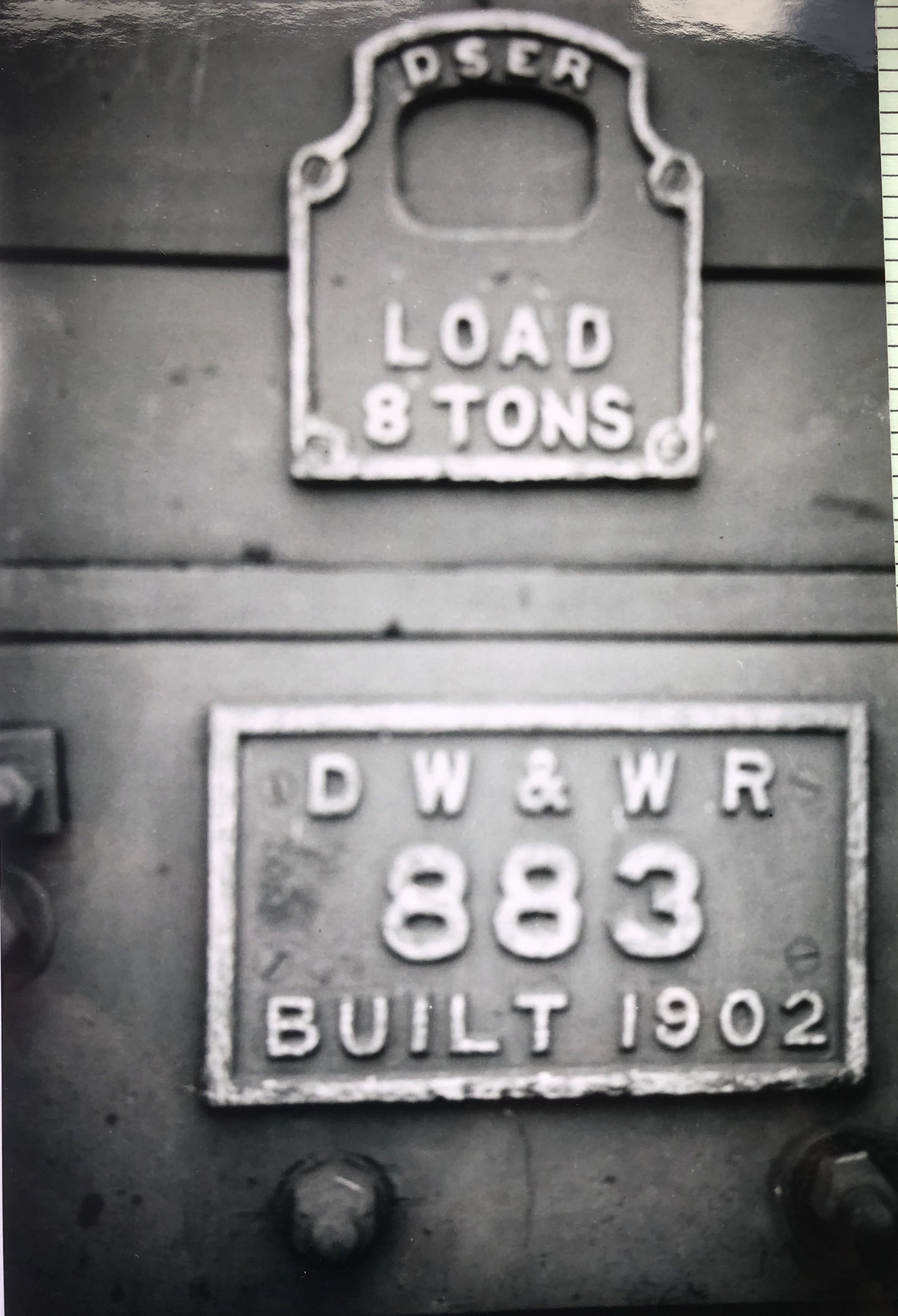
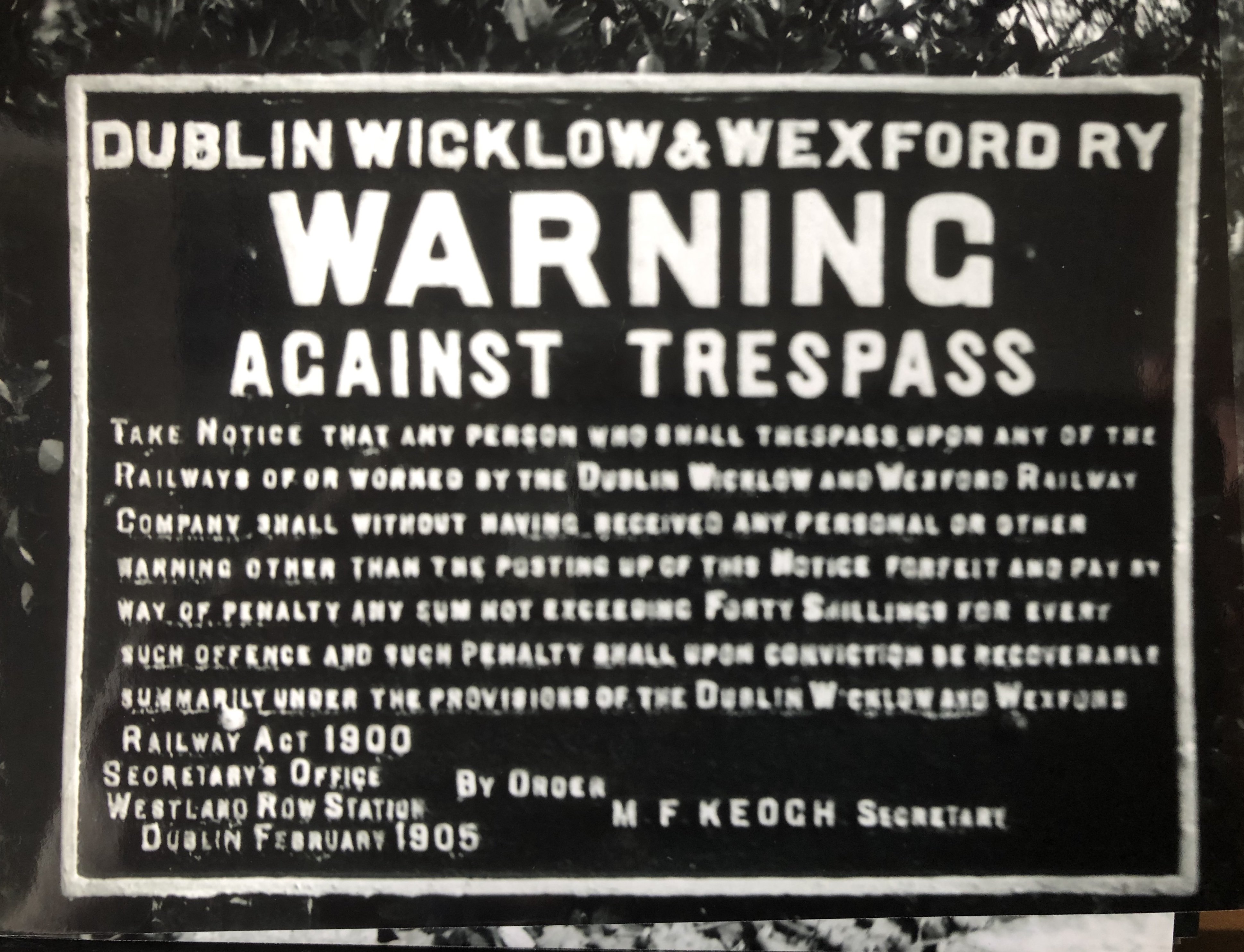
Going back to the earlier days of the Belfast & Northern Counties Railway, a standard format of wagon numberplate was used. The GSWR has theirs too. The BNCR one would end up being copied by the MRNCC, then the LMSNCC, these being retained in many cases by the UTA. As late as the early 1980s, NIR retained the old York Road steam crane, and a match truck for this still had one. The following will be of use to modellers of anything NCC. The GSWR design would also be maintained by the GSR, CIE and IE. Examples may still be seen today. A few lineside trespass signs too: a few of these would liven many a platform end. The GSWR often had them at the end of platform ramps. The DWWR style of wagon plate with square corners was perpetuated by the DSER.
-
- 1
-

-
Then it must be 1949..... I had thought the cabin was what can be seen in the rivers edge in the distance.... is this structure in the pic something else?
-
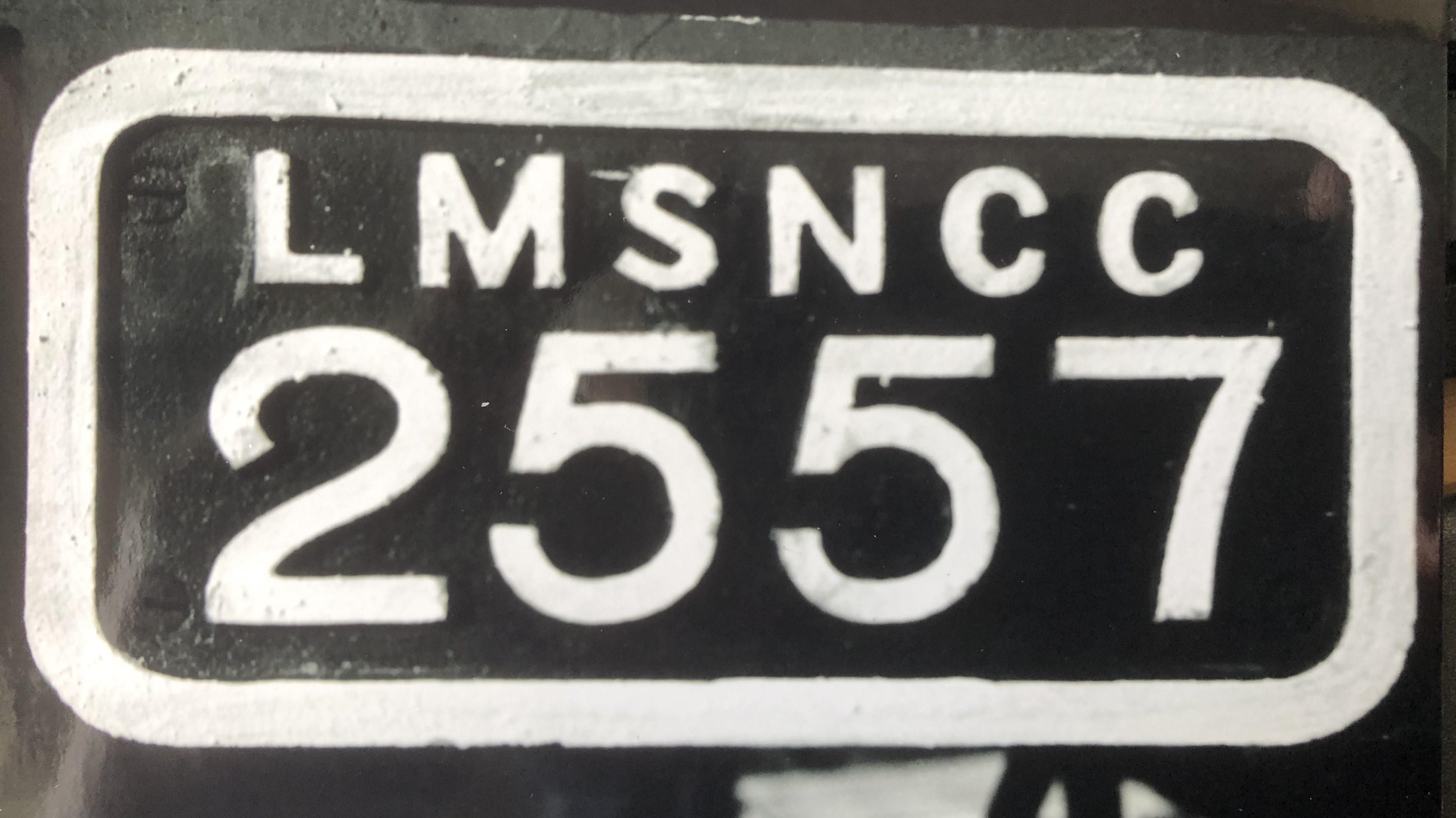
I was about to say that I was unaware what that was on. Senior did not note what it was on. As a matter of curiosity, Dhu Varren, where did you get the info from? It was rare for them to put just “LMS” let alone that type of standard LMS plate on anything, bar the “Jeeps”! Normally the rectangular LMSNCC was used.
-
Going back to the earlier days of the Belfast & Northern Counties Railway, a standard format of wagon numberplate was used. The GSWR has theirs too. The BNCR one would end up being copied by the MRNCC, then the LMSNCC, these being retained in many cases by the UTA. As late as the early 1980s, NIR retained the old York Road steam crane, and a match truck for this still had one. The following will be of use to modellers of anything NCC. The GSWR design would also be maintained by the GSR, CIE and IE. Examples may still be seen today. A few lineside trespass signs too: a few of these would liven many a platform end. The GSWR often had them at the end of platform ramps. The DWWR style of wagon plate with square corners was perpetuated by the DSER.
-
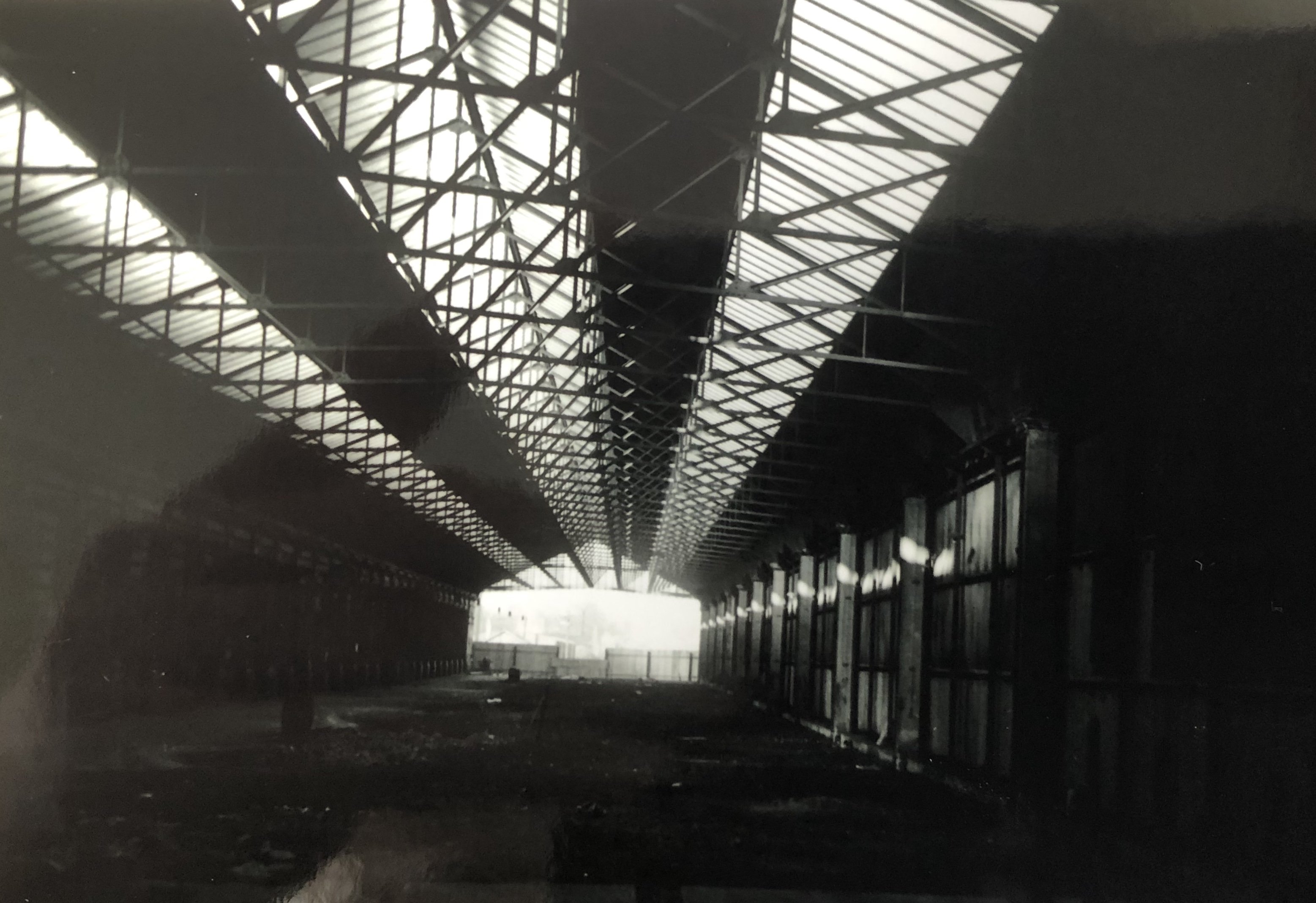
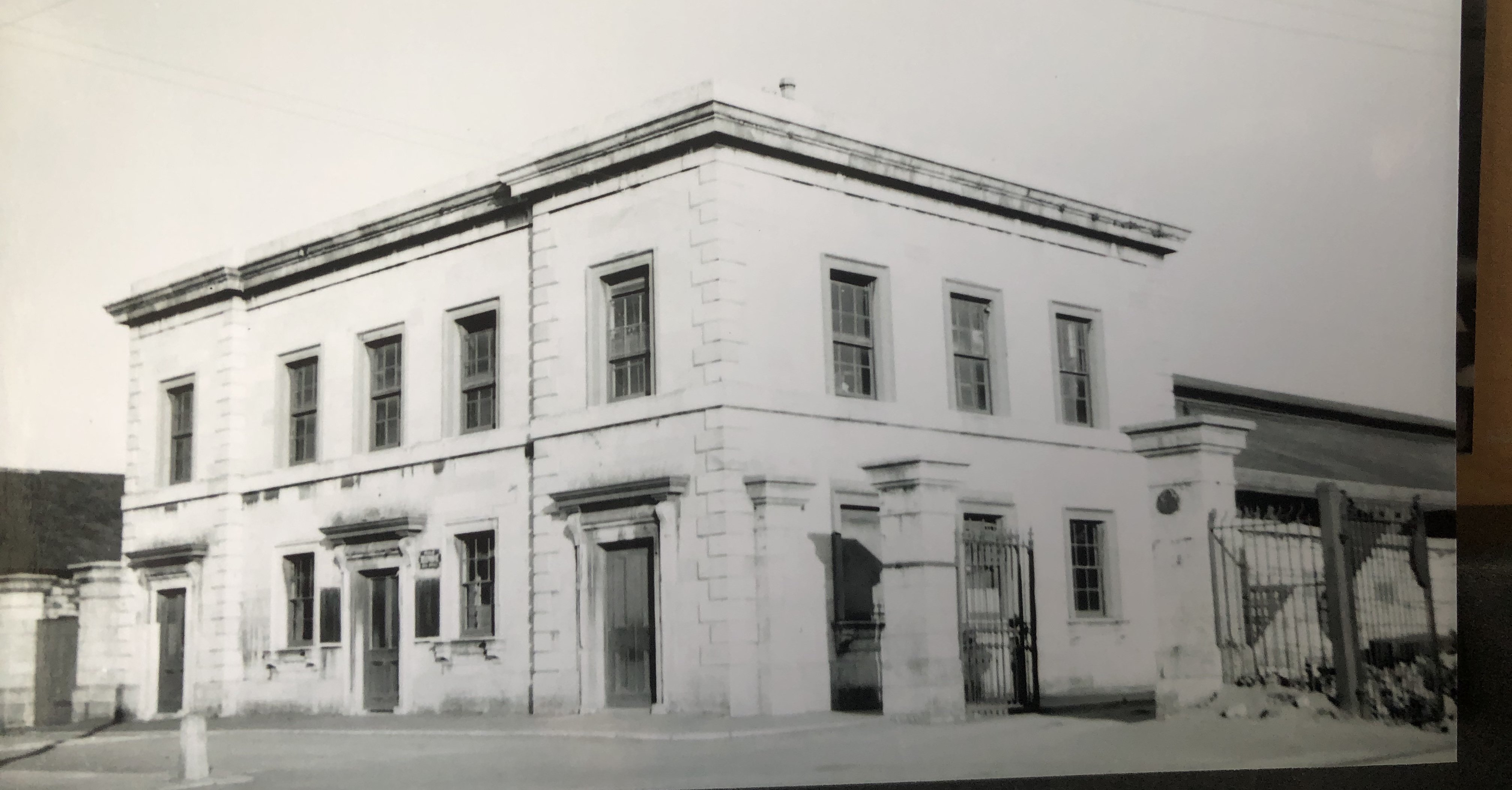
Broadstone it is, just after closure.
-
Yes, airfixfan, I would say so. I do have an exact date somewhere, but I’m just posting these pics as I find them! He took a few CDR shots about 1937/9 when he went to Burtonport on the Lough Swilly but I haven’t come across them yet.
-
Yes, I’m aware of that, Airfixfan - I was particularly referring to operational preserved railways. You are absolutely right, however, in terms of railway (and other) museums as well. It is going to be an exceptionally, indeed uniquely challenging time for these bodies too. Whitehead Railway Museum, the largest, will be very seriously financially compromised - and that at a time when it’s deeply “in hock” to the rest of the society anyway. For smaller bodies, or operational lines forced to operate only as museums, they deserve and need all the help and support we can give them.
-
WHERE am I?
-
Another of the move of the Fintona Tram. Here, it has reached Omagh. The loco left it there and another one hitched up and took it onwards. Albert Quay terminus in Cork too. Perfect modelling subject for a small city-type terminus.
-
He carted this thing about everywhere - inside, a flask of tea, an apple, and his paperwork! Once a month, the “Railway Magazine” came home in it. Several times a year, the IRRS “Journal” would be seen in it - he had been a founding member in 1947, written to, along with various other CIE, GNR, BCDR, SLNCR, CDRJC and NCC staff, by Kevin Murray......
-
Nothing among these, unfortunately.
-
Again, 100% on the money, if you pardon the pun. It's the way it is. As said by many elsewhere, we are lucky to have the few narrow gauge organisations- Dromod, Stradbally, Moyasta, Finntown.... and the sole 5'3 one at Downpatrick plus of course the RPSI.
-
Yes, and it looks as if he got up onto the roof of the coach to take the picture! Goods traffic was very heavy in those days into Letterkenny, and that's only the stuff for the town. Any laden wagons and vans to go further on, up the Lough Swilly, will have been siphoned off and shunted way out to the far left of this picture, into the Lough Swilly yard.