.png.c363cdf5c3fb7955cd92a55eb6dbbae0.png)


Mol_PMB
-
Posts
3,869 -
Joined
-
Last visited
-
Days Won
239
Content Type
Profiles
Forums
Events
Gallery
Blogs
Everything posted by Mol_PMB
-
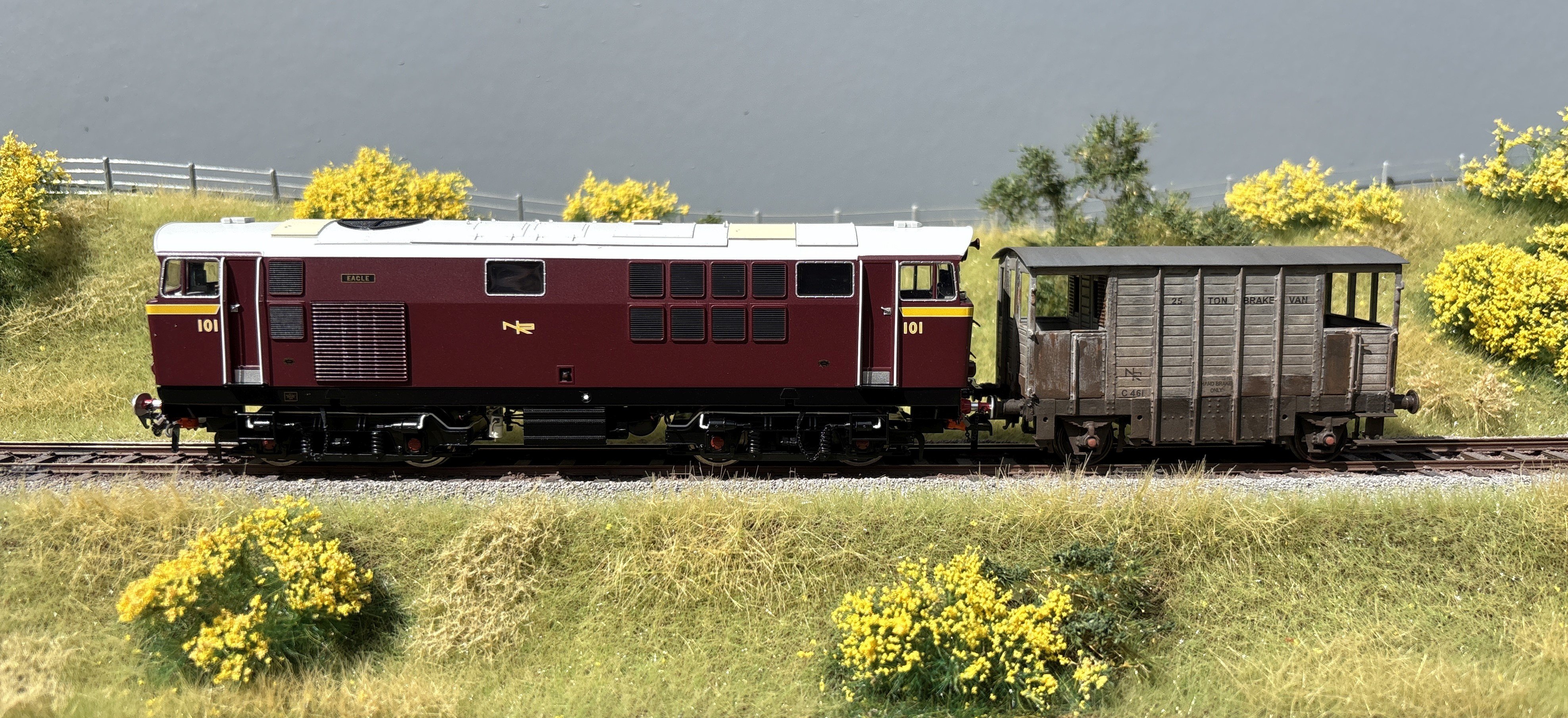
So far I've only built the brake van, inspired by another of your photos: https://flic.kr/p/2ipSGWh I had hoped to buy some of Leslie's last batch of spoil wagon kits to add to the train, but for reasons outside his control that batch was never made.

-
Canarian Container Anorak
Mol_PMB replied to DJ Dangerous's topic in Photos & Videos of the Prototype
Haha! And I did indeed take some photos to illustrate different types of weathering and damage on the boxes. They get some rough treatment! -
Canarian Container Anorak
Mol_PMB replied to DJ Dangerous's topic in Photos & Videos of the Prototype
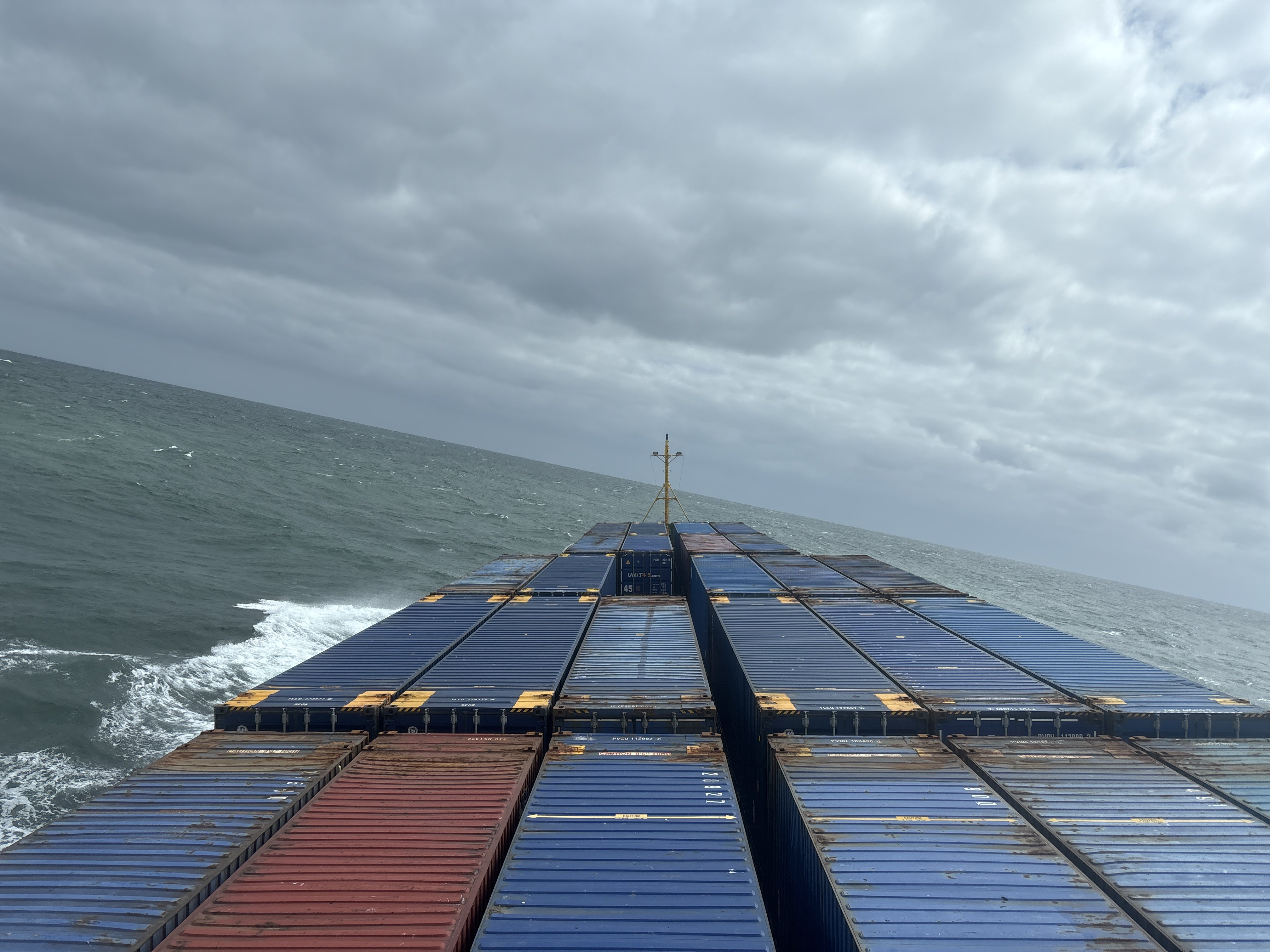
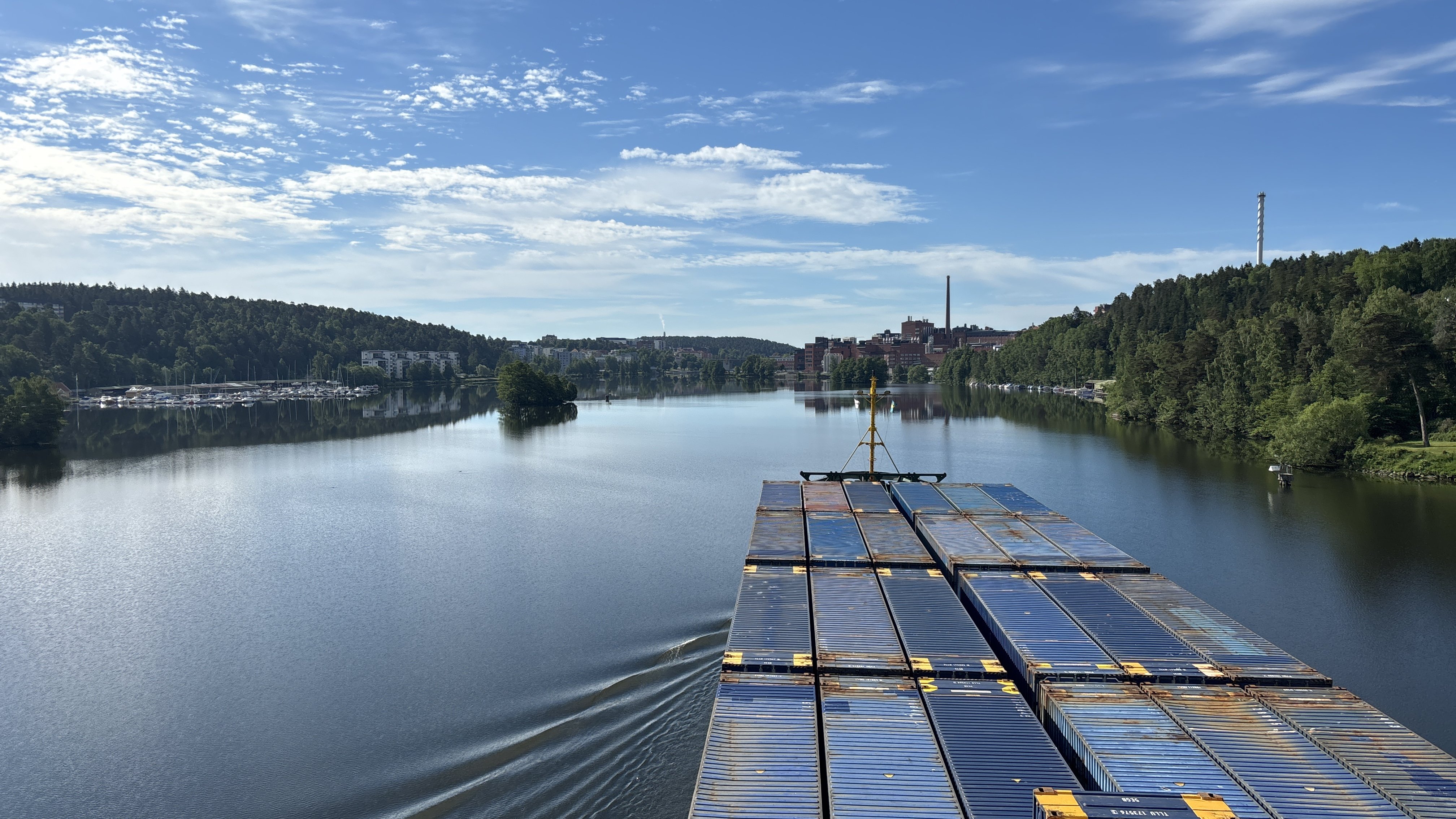
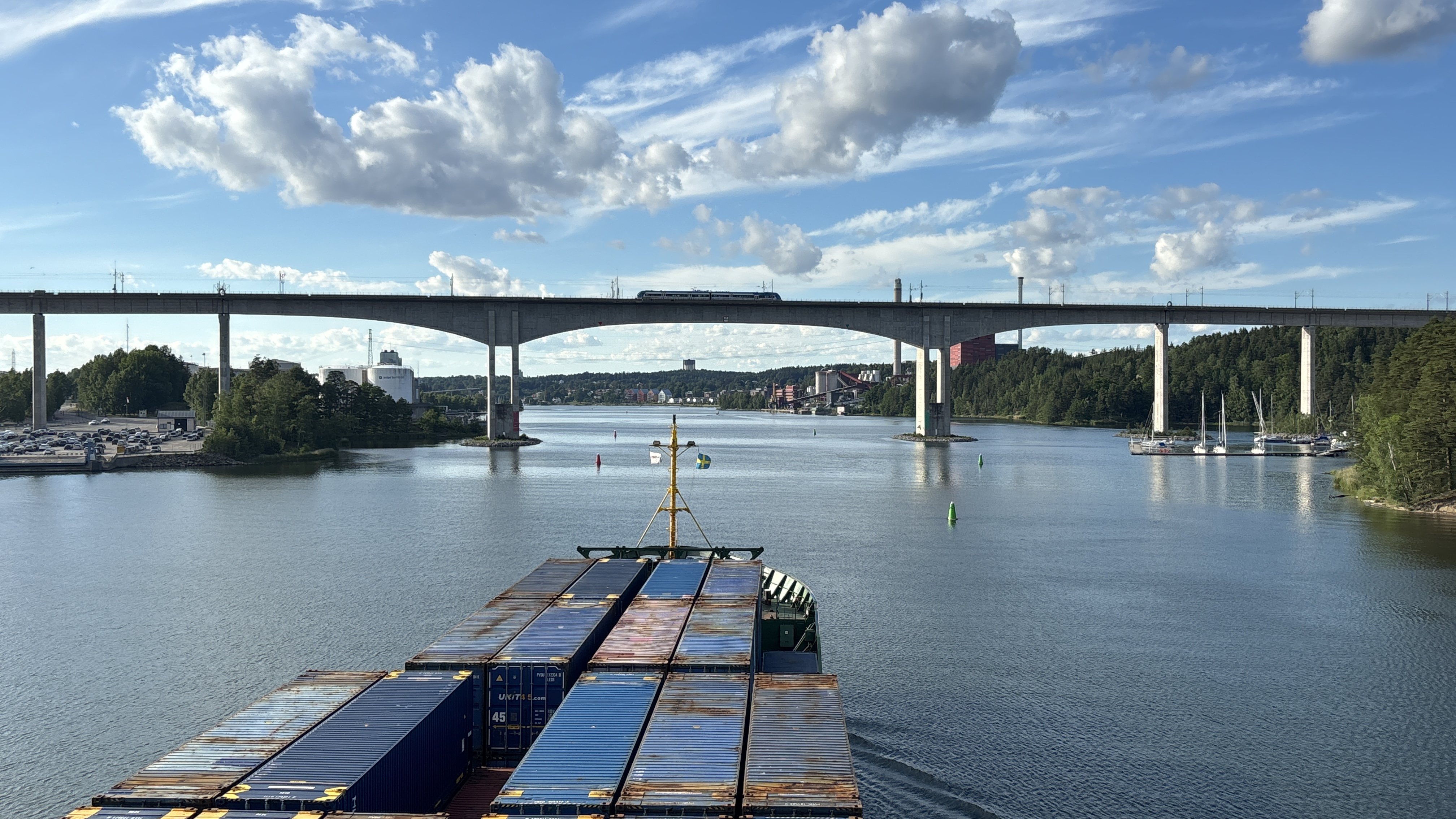
We’re just on the final stage of my voyage approaching the Humber estuary, and the North Sea weather has been much kinder on the return trip. At least 80% of the cargo in each direction has been booze! Wine, pus some beer and spirits on the way to Sweden, and cider on the return. 2000 tonnes of Rekorderlig on board and I can’t drink any of it!
-
Rather different, unfortunately. The GWR ones had several different bogie types but they were all much shorter wheelbase and different in construction to the Irish ones. The Irish carbodies are also longer than the GWR ones. I looked into this when the Heljan GWR models were going cheap and decided it would be easier to start from scratch than convert.
-
Very nice indeed! You seem to have twice as many as there were in reality
-
Absolutely agree, a priority for me too. I’m doing a lot of research into them at present for my IRRS talk in November, and will happily share that material with IRM.
-
7th Sept 1963 G617 to both Castleisland and Fenit, several pics in IRRS Flickr including this one: https://flic.kr/p/2qEvmLM 2 coaches and a tin van, including a green Park Royal. 3rd Sept 1967 G611 to Castleisland, again several pics in the IRRS Flickr including this one: https://flic.kr/p/2pBSLXY 1 coach and a tin van.
-
G class hauled railtours to Fenit and Castleisland which included Park Royals IIRC. Will check my library next week. 2 separate occasions and different locos / rakes I think.
-
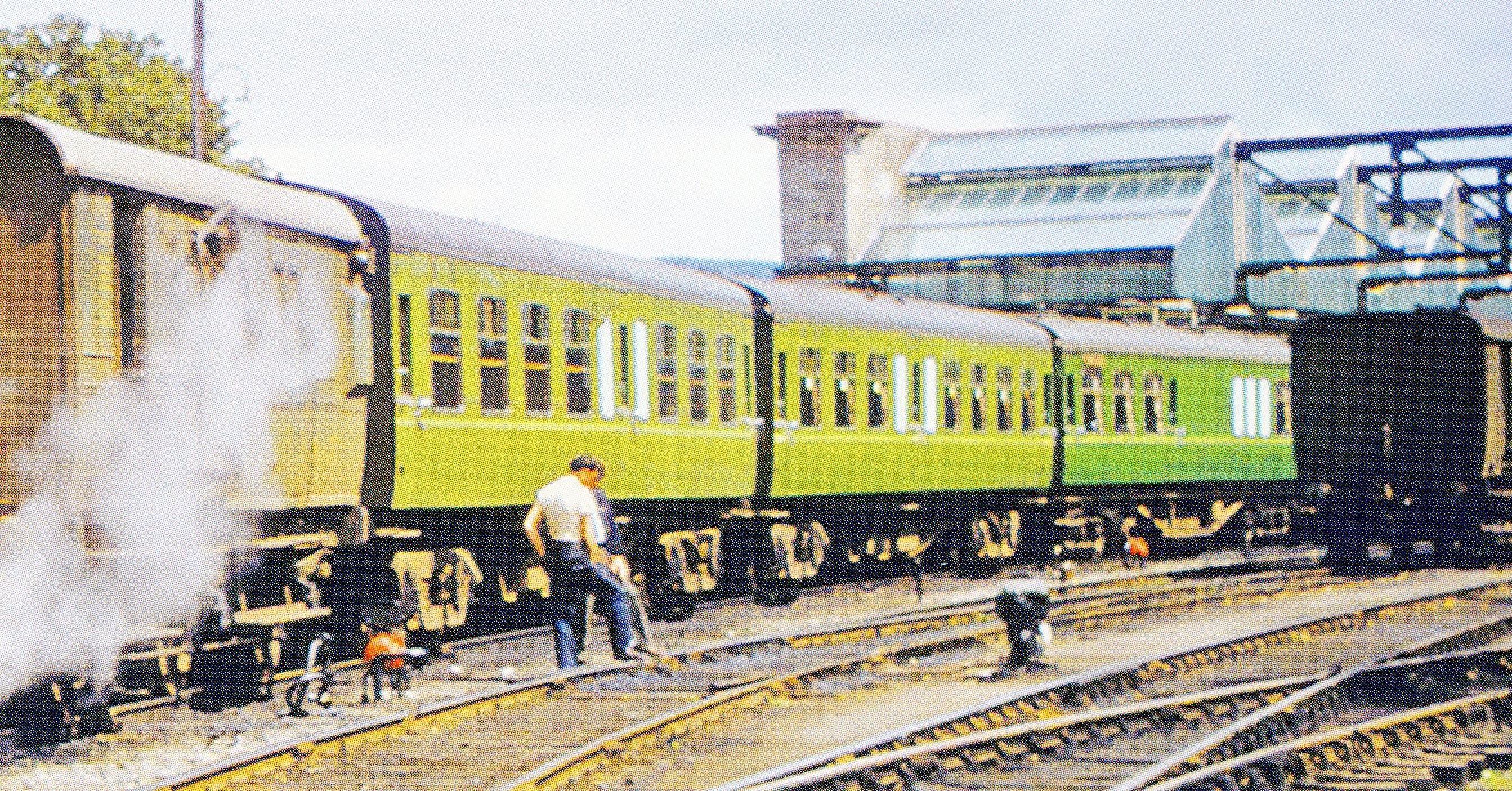
Yes, I agree, those were the compos I was thinking of. (Sorry, away from my references at present). They were the most numerous type of composites and would be ideal to add first class to a train. There are also some drawings of them in existence. Some IRRS links: https://www.flickr.com/photos/irishrailwayarchive/53508672646 https://www.flickr.com/photos/irishrailwayarchive/53508990164 https://www.flickr.com/photos/irishrailwayarchive/53509198220 The contemporary standards also good, but there were fewer of that type and we already have Park Royal (and Cravens) standards. Here’s a couple of those standards when fairly new: Although on the triangulated underframe and commonwealth bogies, these had the traditional body construction and the bodyshells were near-identical to the 1951/52 built coaches on conventional underframes and bogies.
-
Should you be searching for inspiration, this is how you put orange and black on a steam loco… Other options also available here: https://www.steamlocomotive.com/types/streamlined/
-
Good question, Fran! For the green era, there are many coaches that could re-use the Park Royal underframe and bogies. There have also been calls for coaches that could be hauled by an 800. One type ticks both those boxes and that’s the 1953-built corridor composites (with traditional body construction). They would also be useful to add some first class seating to a train of Park Royals. For a long-lived and very necessary vehicle suitable for the 1970s to the present day, the priority ought to be a BR BGSV. You have the broad gauge B5 bogies and a lot of Mk1 CAD and detail parts already. I’ll leave those modelling the modern scene to clamour for Mk4s or DeDietrichs!
-
Canarian Container Anorak
Mol_PMB replied to DJ Dangerous's topic in Photos & Videos of the Prototype
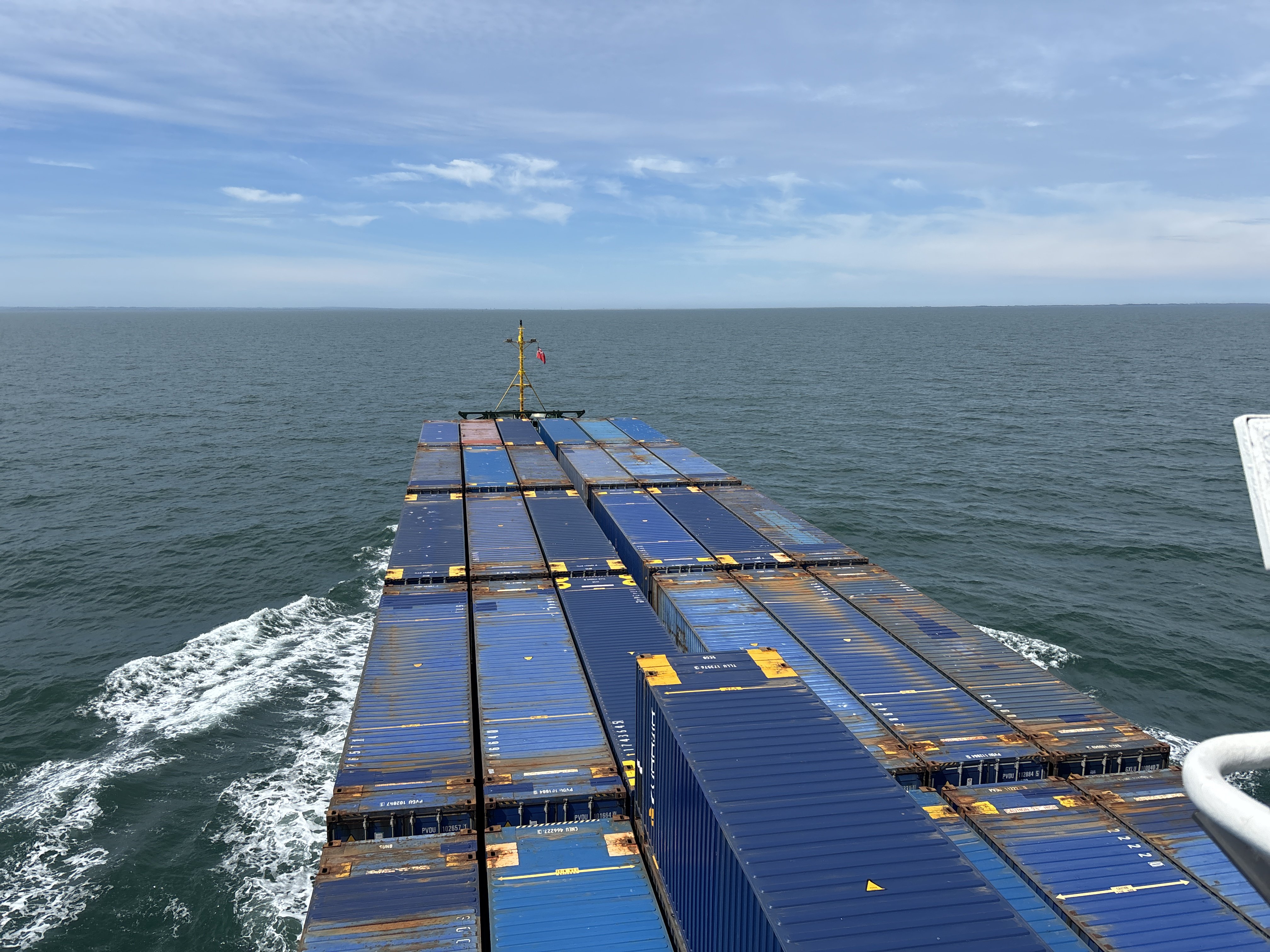
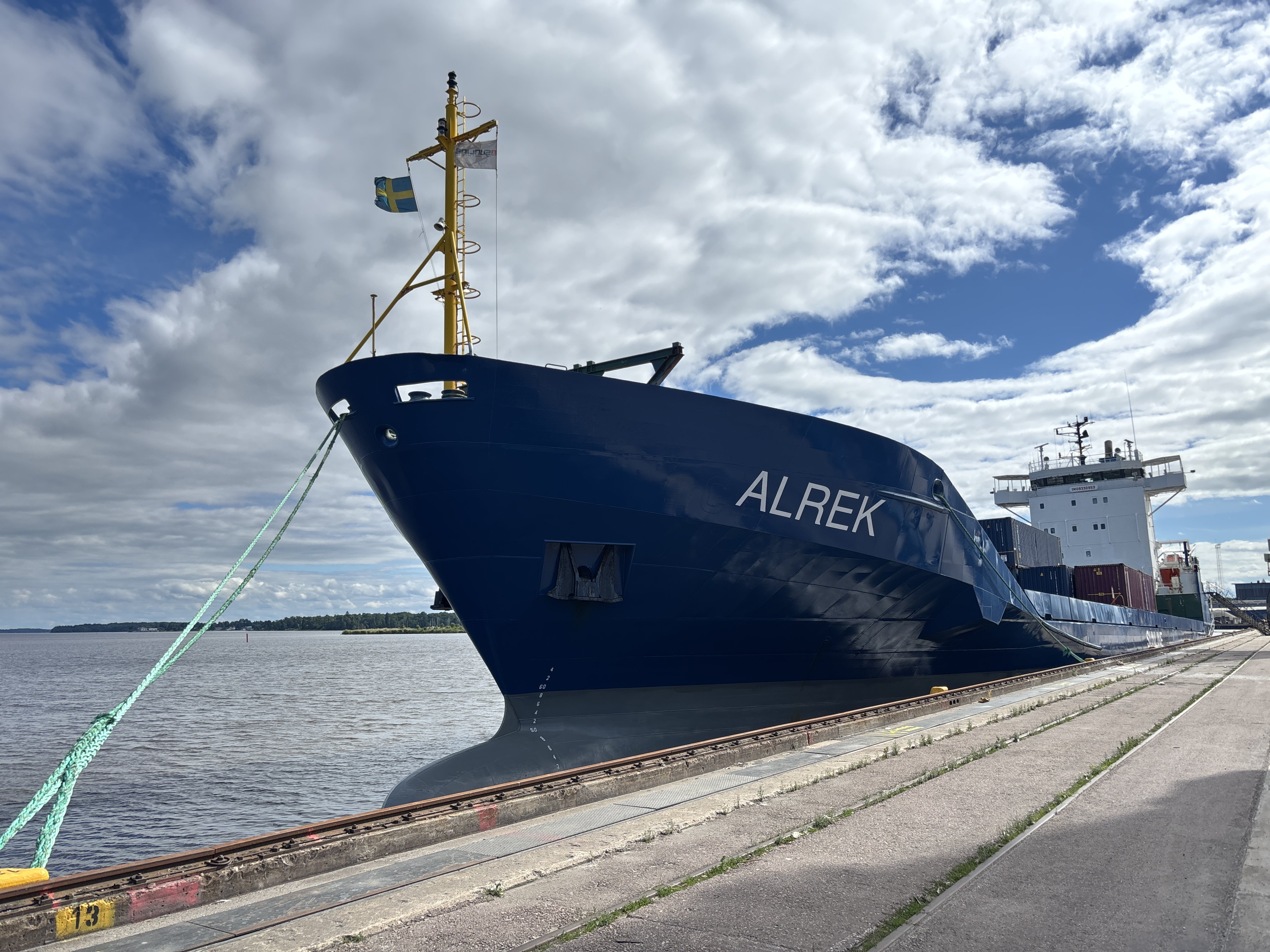
Definitely a ship: We have had some weather en route too! But mostly it has been fine, sunny and calm seas.
-
Canarian Container Anorak
Mol_PMB replied to DJ Dangerous's topic in Photos & Videos of the Prototype
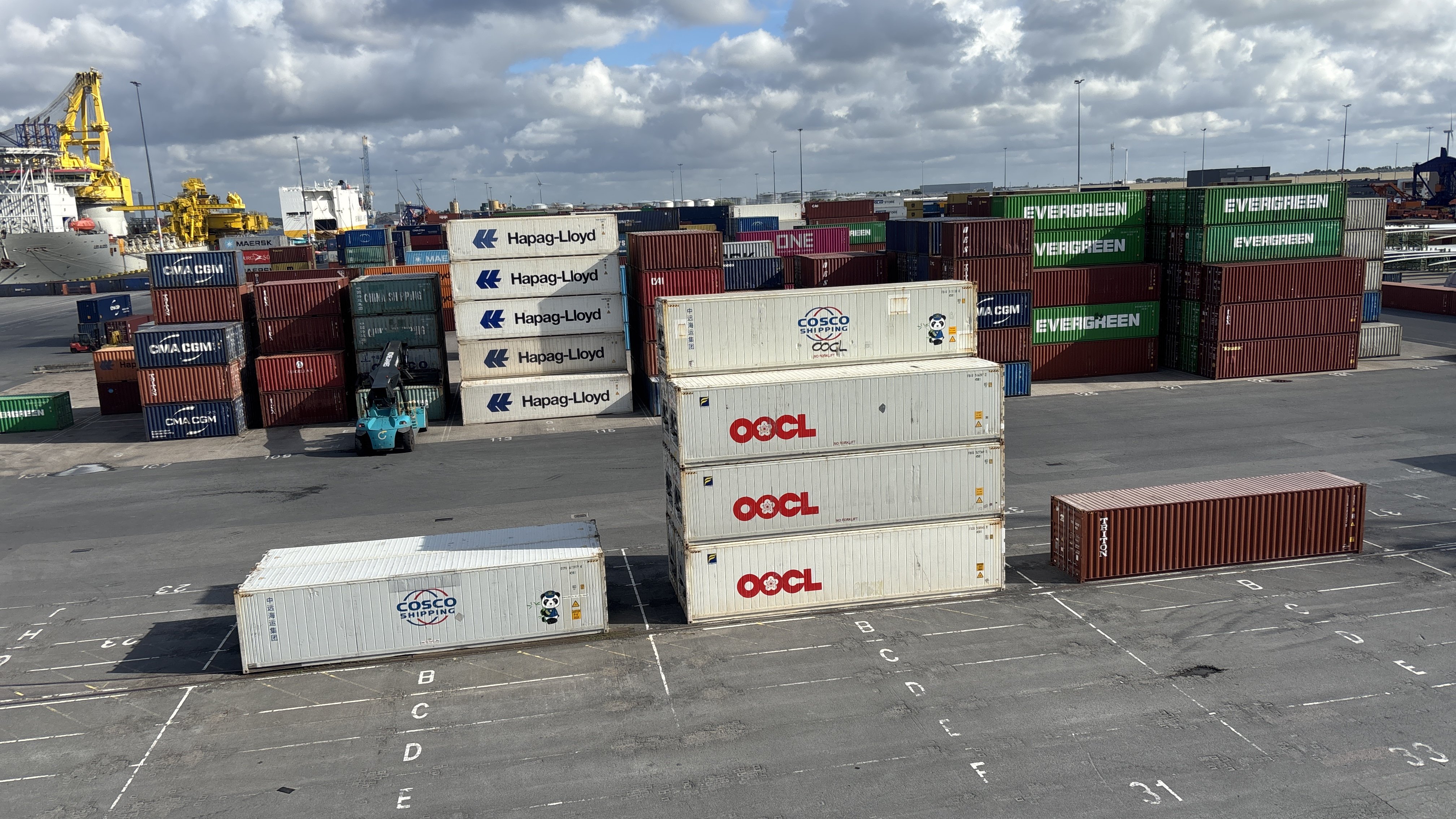
I get to spend 10 days staring at containers!
-
A couple of months ago I was staying at the Phoenix Park Hotel and walked past a bus garage nearby. I recognised it immediately from your model! So convincing in every detail.
-
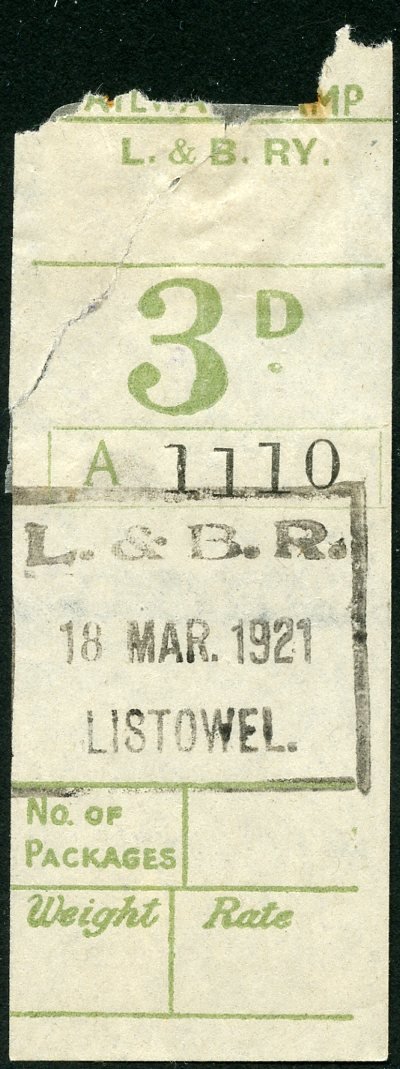
Indeed. I do hope you realise that my attempts to regauge, modify and weather IRM models are: (a) making everyone else’s models just that little bit rarer and more valuable (b) reducing IRM’s lifetime warranty liability by a fraction too. So every model I buy and destroy makes you all a bit better off… Meanwhile I am pouring money down the drain, but enjoying myself, I think Off-topic PS I also have some rare (railway) postage stamps, this may be in poor condition but I bet there aren’t many of these in existence!
-
Despite the challenges on the way, I hope the good sales will encourage a follow-up of the main line versions (anyone else fancy a silver one?) and perhaps a version with guards/brake compartment.
-
I imagine they can be fitted on the lamp irons if you want to represent a weedspray train or a railtour? Nice touch to include them in the pack.
-
I’m trying to resist a second one! I’m a long way from home with very patchy phone signal, which helps me to save my money for a fleet of C class that I have more use for.
-
Yes, I do have more photos, but I’m away from home at the moment. Remind me in a week or so! cheers, Mol
-
DPD. After I had specified a delivery date when I would be at home, and they had acknowledged it, they ignored that entirely and threw it over the gate 2 days early. Didn’t even tell me they had done so. It was raining a lot too. Anyway, the loco survived thanks to its large and well cushioned box.
-
My Hunslet was thrown over a 2m high gate by the courier, landing on hard paving, and survived intact and working. That’s a seriously good box. Well done IRM / AS. PS These are big boxes…
-
Canarian Container Anorak
Mol_PMB replied to DJ Dangerous's topic in Photos & Videos of the Prototype
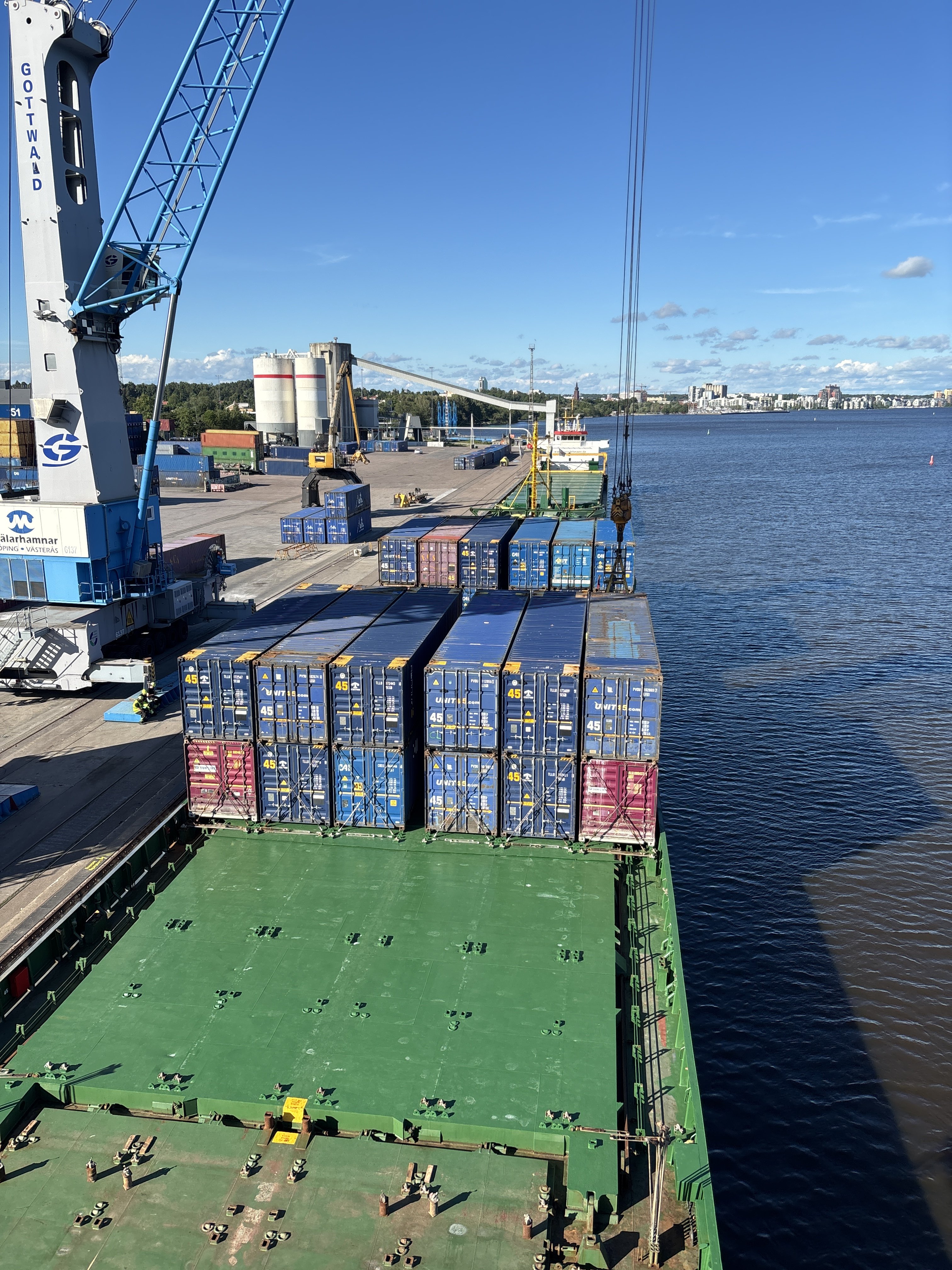
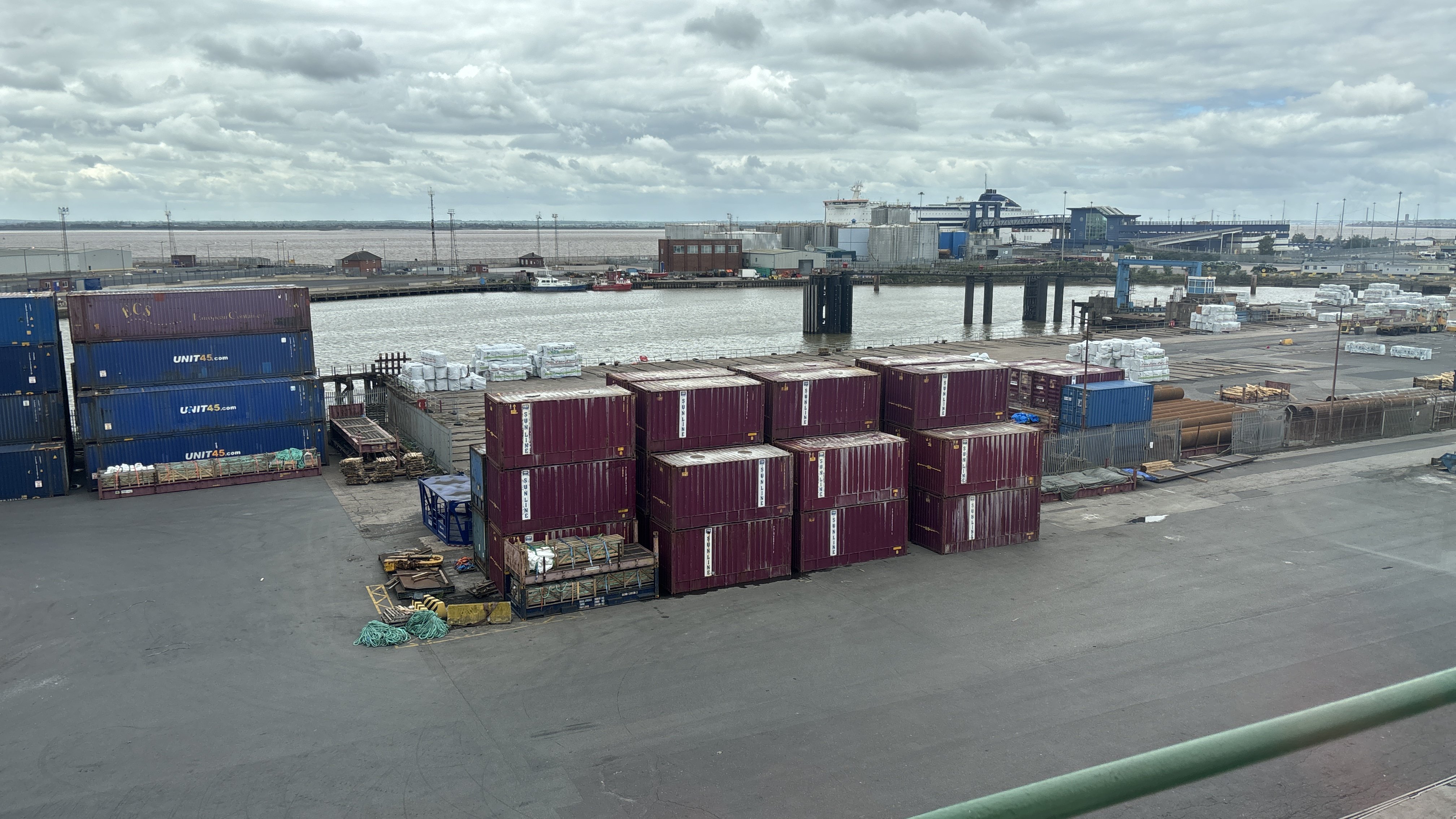
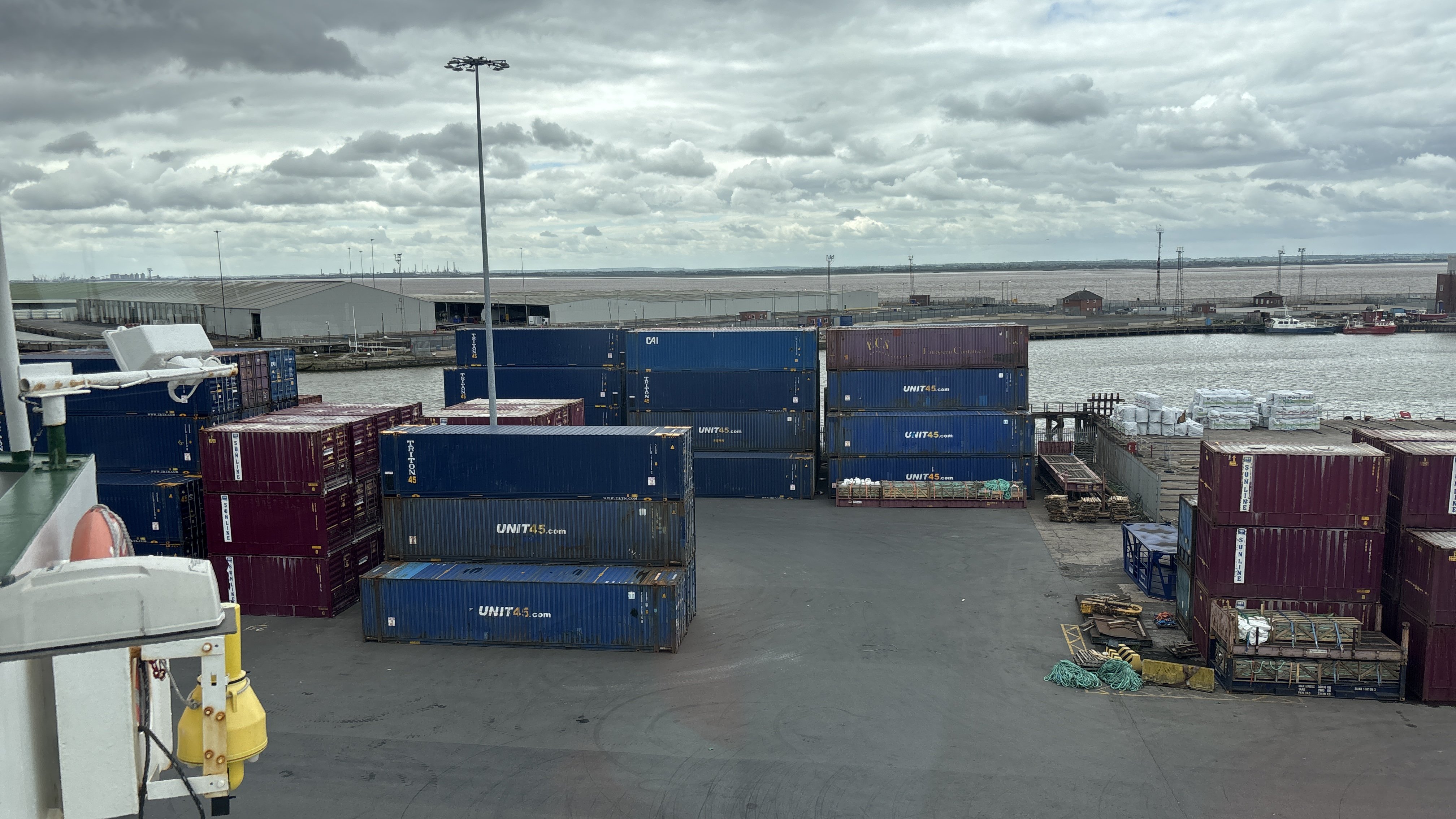
Some unusual containers for you - I think these are 20’ x 9’6” bulkers loaded with a mineral of some sort. They looked heavy when being craned on board my home for the next 10 days, and went low down in the hold. Not Canarian though, I’m in Hull.
-
Good source of power bogies for an 80 Class…
-
"Voiding the Warranty" - Mol's experiments in 21mm gauge
Mol_PMB replied to Mol_PMB's topic in Irish Models
Yes, etches. -
"Voiding the Warranty" - Mol's experiments in 21mm gauge
Mol_PMB replied to Mol_PMB's topic in Irish Models
Ah, I realise my memory was wrong. The silver coach on the West Cork in July 1957 was a standard, not a compo. https://flic.kr/p/2qE5gYJ I may well draw up the sides for one of those as well, they have the same interior as a Park Royal.