.png.c363cdf5c3fb7955cd92a55eb6dbbae0.png)


Mol_PMB
-
Posts
3,869 -
Joined
-
Last visited
-
Days Won
239
Content Type
Profiles
Forums
Events
Gallery
Blogs
Everything posted by Mol_PMB
-
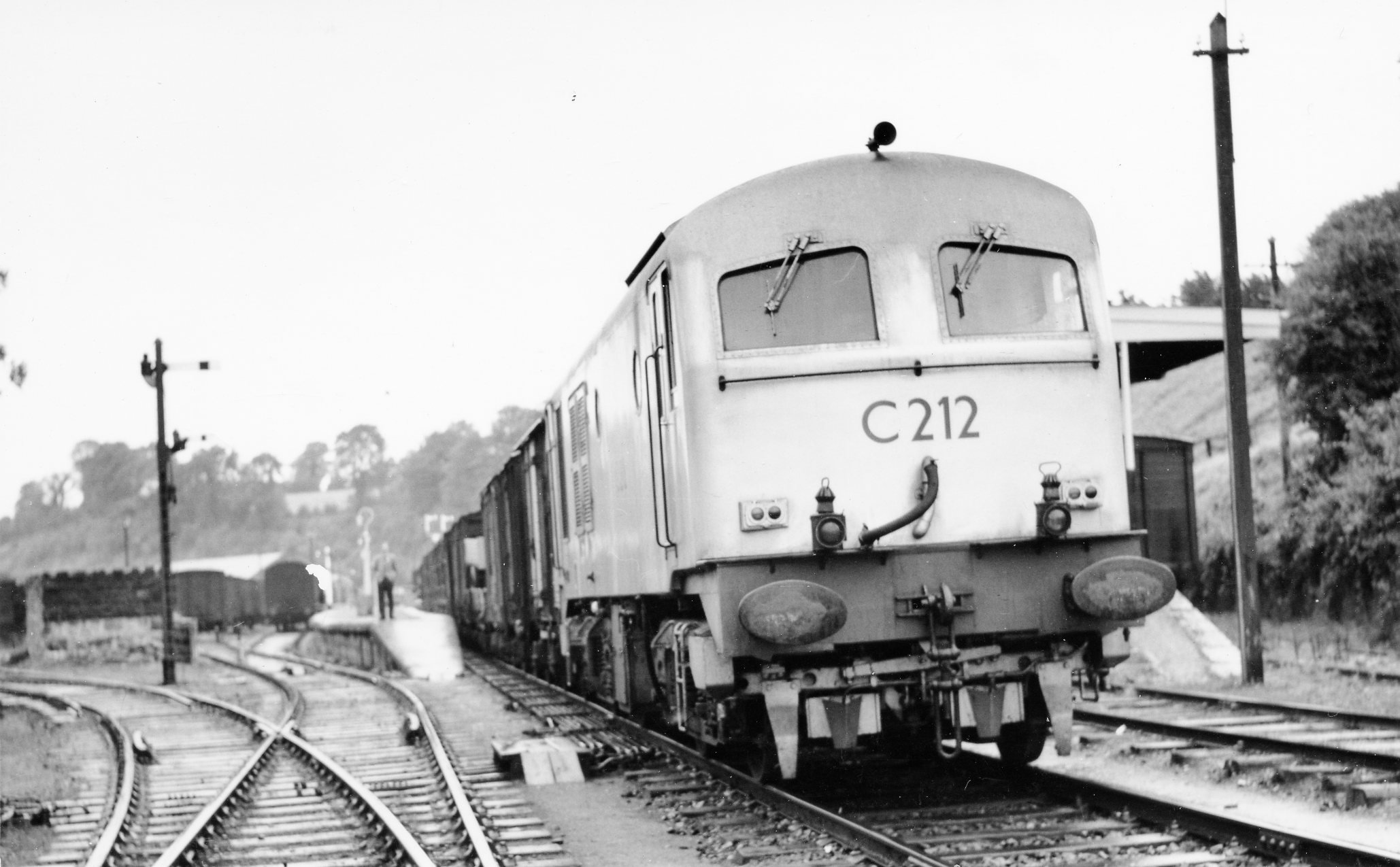
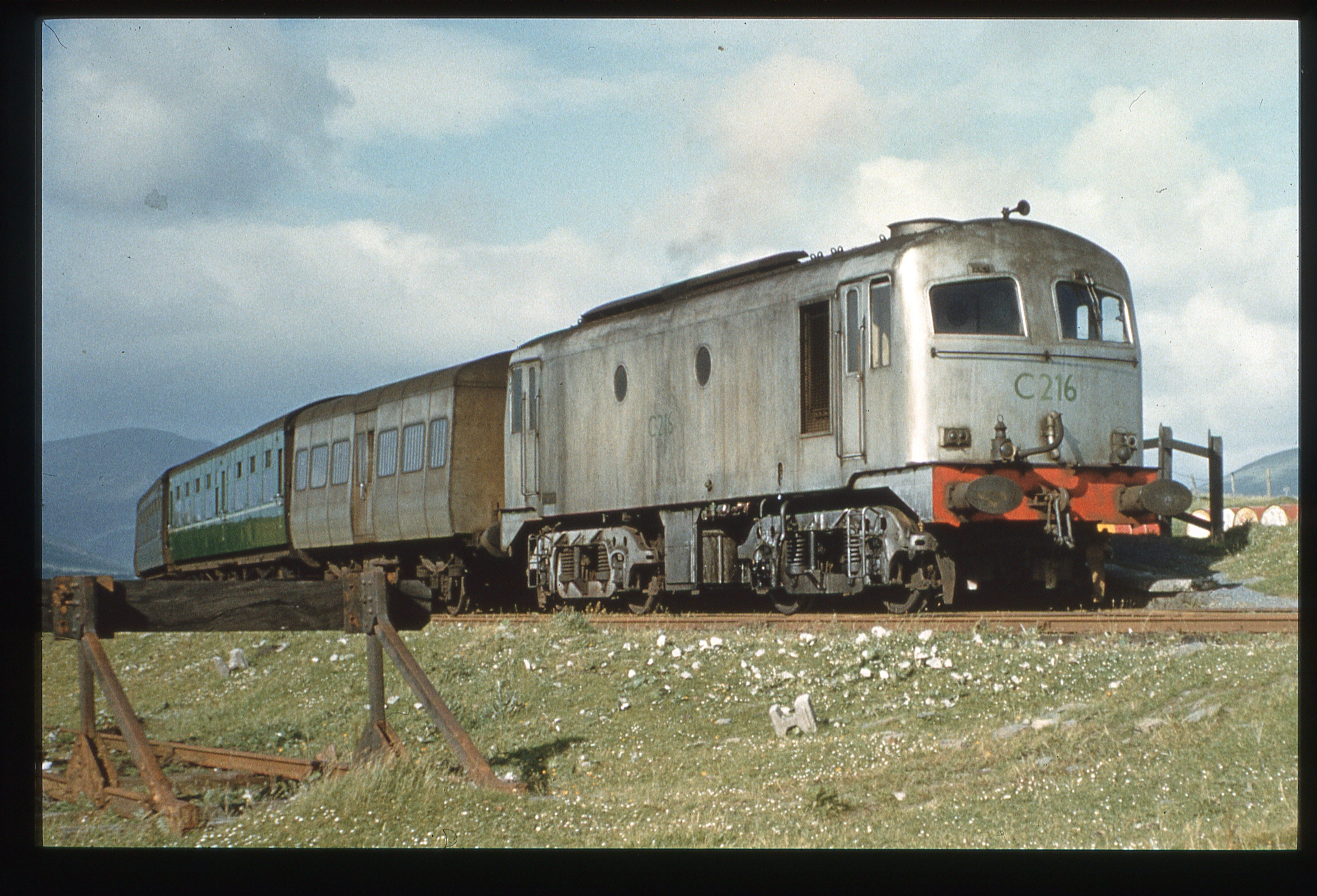
I think that in the late 1950s and early 1960s, Tralee had two 'small' pilots, which included a J26 (usually 560) and G602. Between them they worked the goods yards and carriage shunts, as well as the Castleisland and Fenit branches. There are several photos of G602, 560 and 559 at Fenit and at Tralee. There were also some C class shedded at Tralee, mainly for the trains to Cork (and Valentia prior to closure), which could also take a turn on either freight branch if the traffic justified it. The Dublin and North Kerry passenger services were normally railcars at this time. However, I have never seen a photo of a G601 class at Mallow in that time period. G601 was allocated to Banteer-Kanturk-Newmarket at the time, and there are plenty of photos of it on the branch but not elsewhere. Maybe it was stabled on the branch. If anyone does have photos of G class in service at Mallow (not GSRPS era) then I would be very interested to see them!
-
Excellent, I'm sure many people would welcome IRM models of those! Please would you start an AEC railcar next?
-
Two superb models! Very nice work. All the best for the move, and I look forward to the next modelling project.
-
For your own sanity, may I recommend that you don’t start counting the roof vents or seams on the Park Royals.
-
21mm gauge wheel sets for IRM Park Royals and Mark IIs
Mol_PMB replied to lucas's topic in Irish Models
I haven’t done anything with the muffs, not tried to take them apart or put any force on them. I imagine there’s an insulating spacer in the middle, which would keep the axle halves apart. -
21mm gauge wheel sets for IRM Park Royals and Mark IIs
Mol_PMB replied to lucas's topic in Irish Models
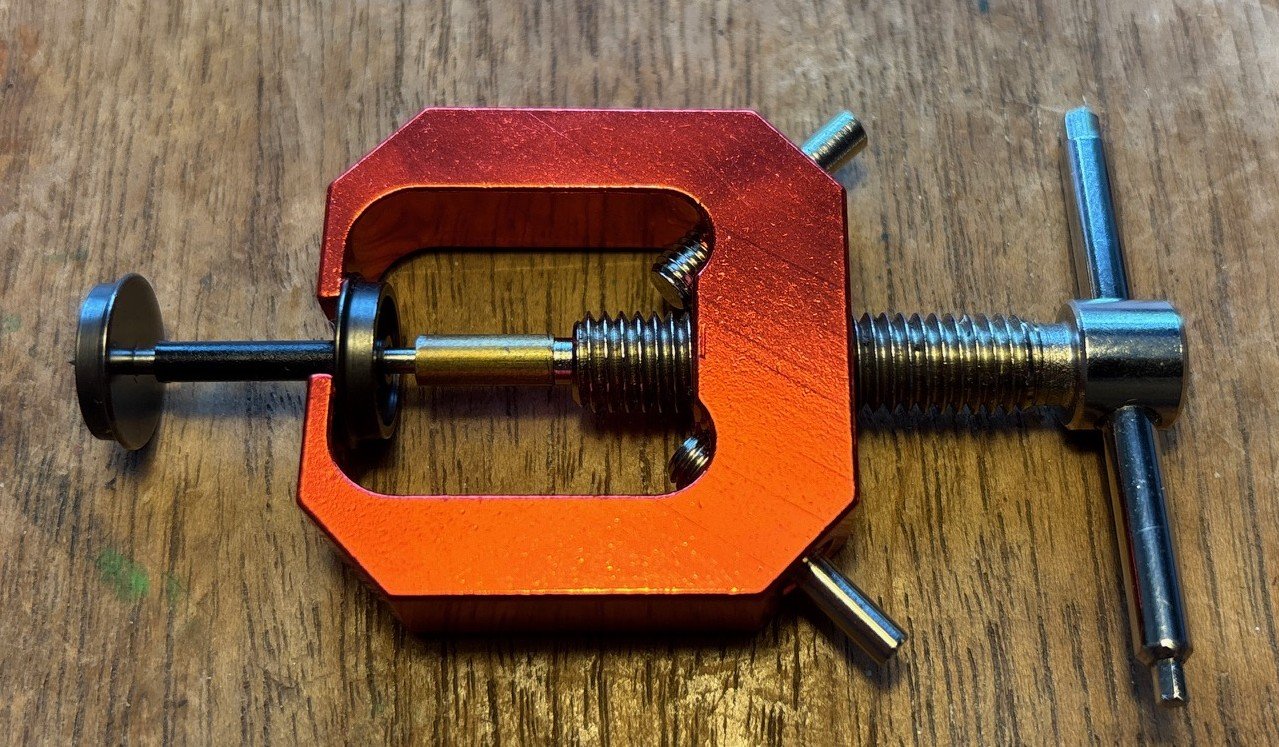
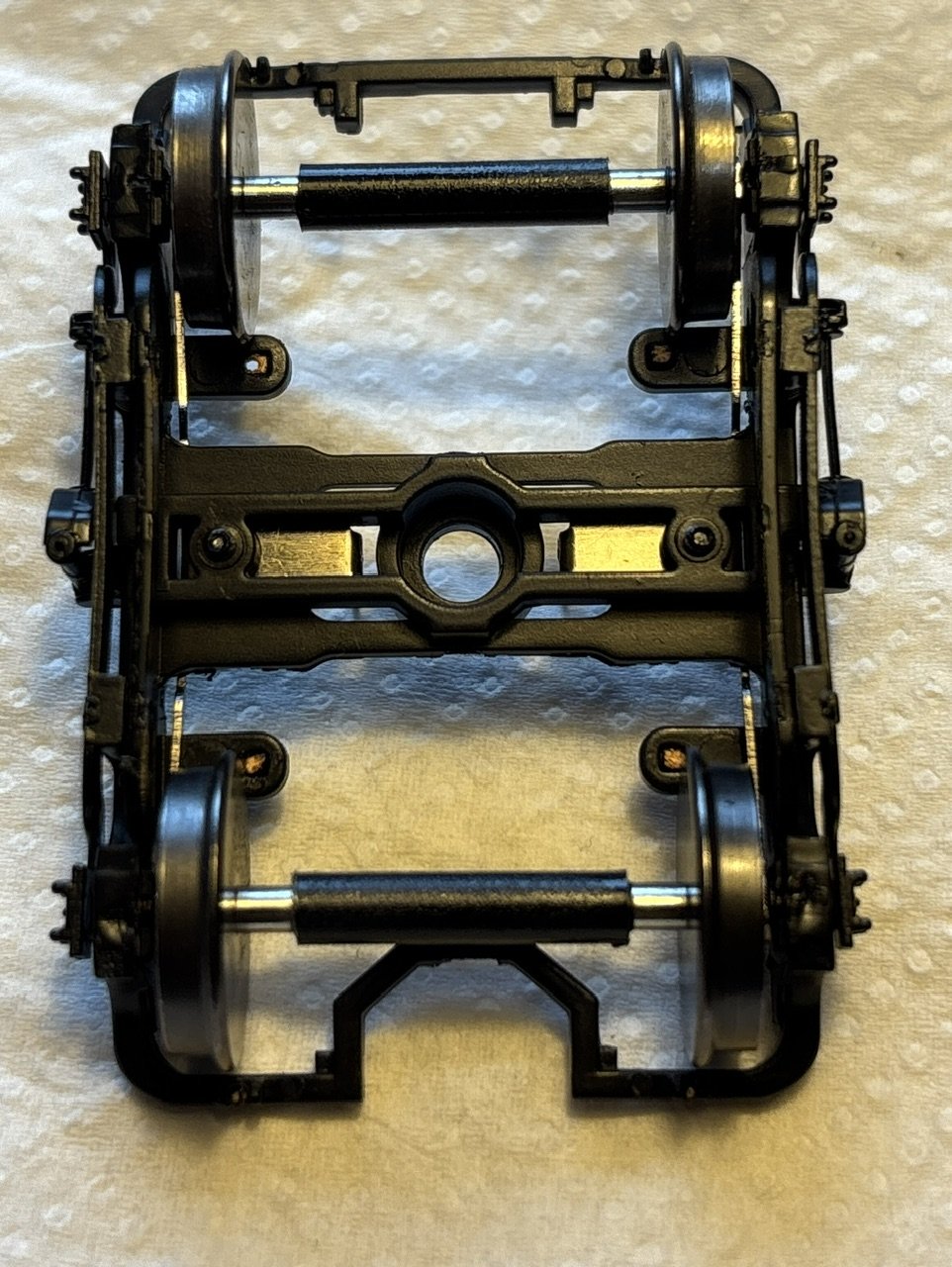
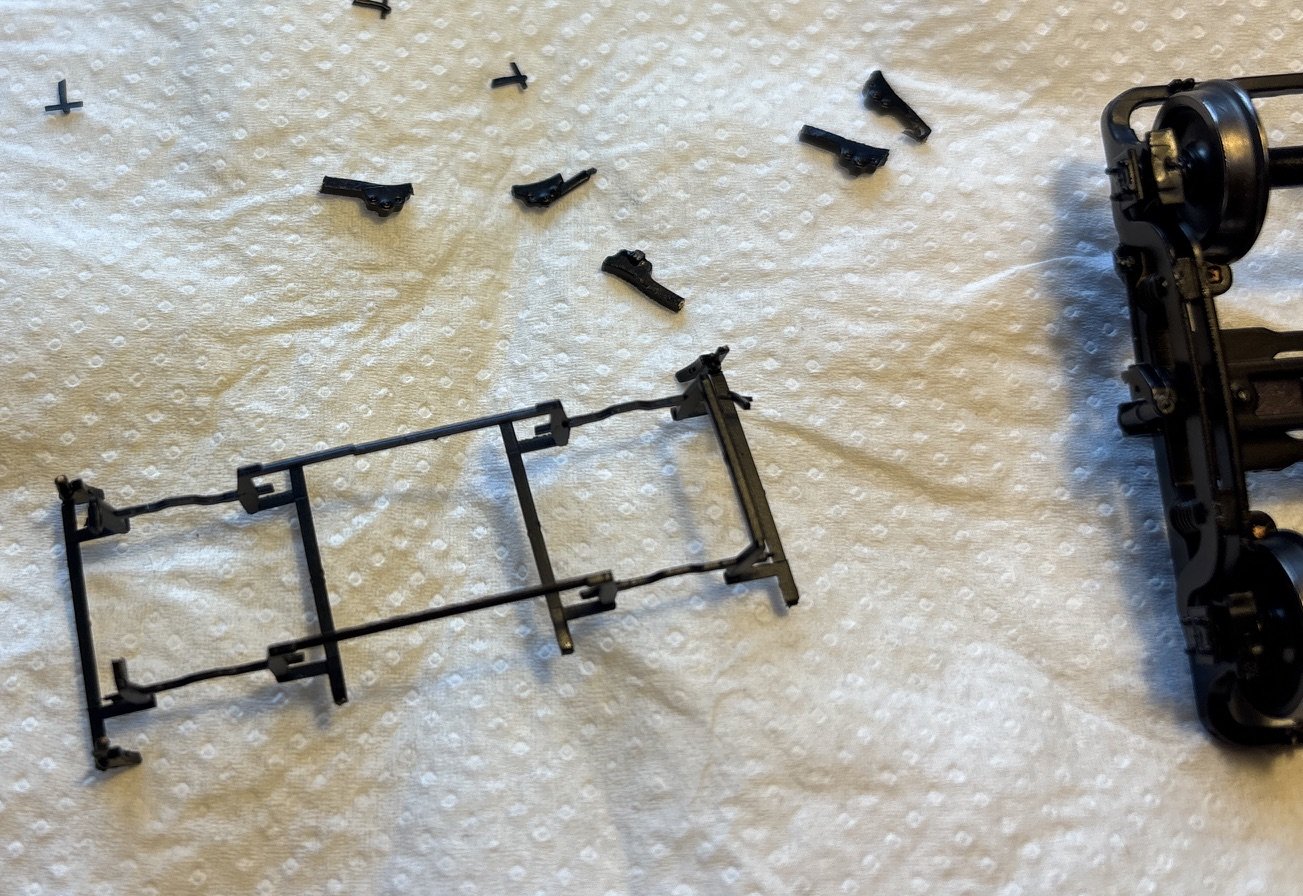
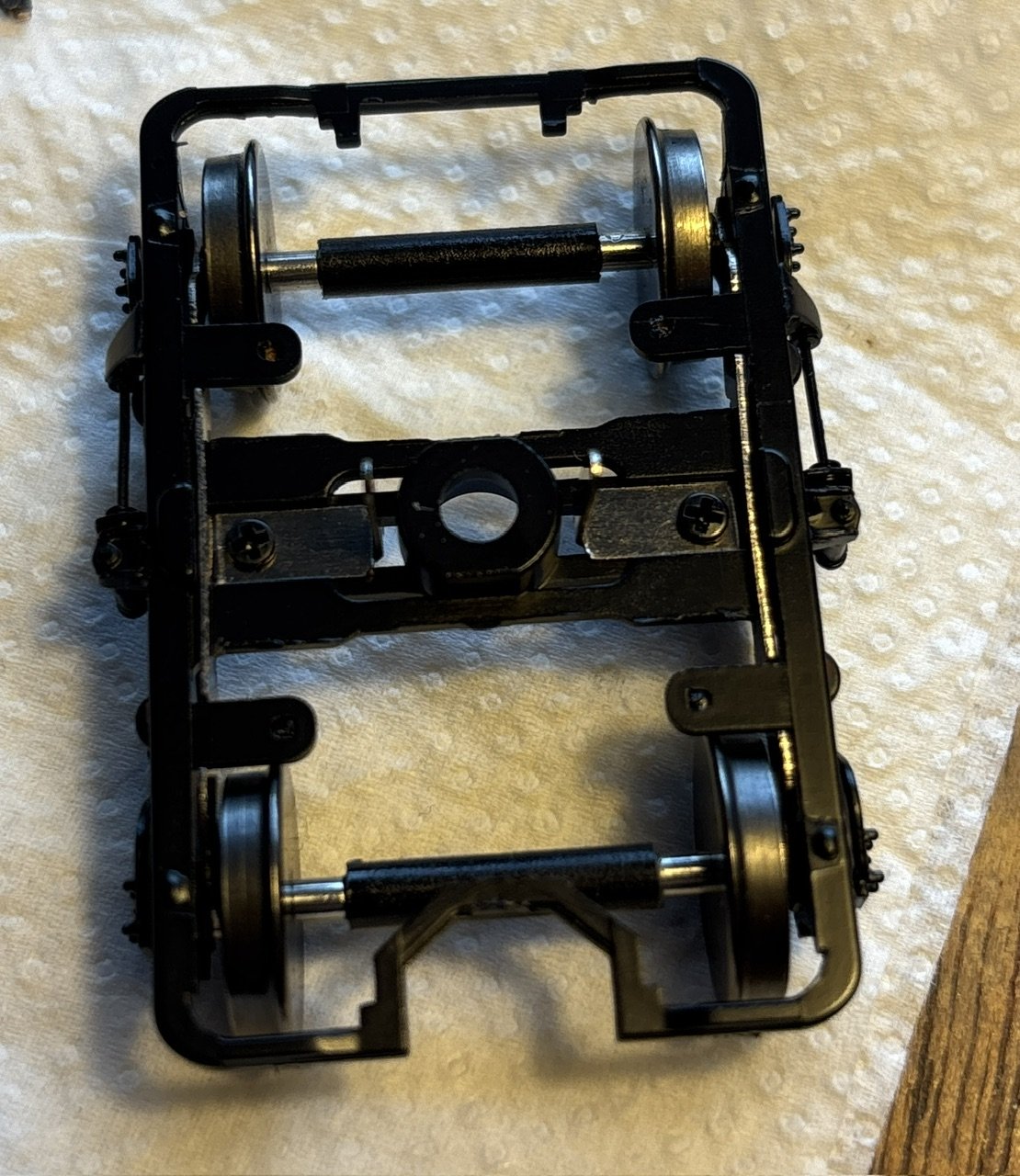
I have some information to report, as I void the warranty on the first of my Park Royals. The wheelsets can be removed from the bogies fairly easily. The brake gear has some impossibly fragile bits near the ends of the bogies, and even casual handling of the bogie will leave your workbench littered with small black bits of plastic that were once part of the brake gear. The main brake gear mouldings aren't so fragile, but they're firmly attached to several parts of the bogie frame and I haven't yet succeeded in removing them without damage. They have to come out because the brake blocks foul the wheels set to 21mm gauge. Now to the wheelsets. The wheels move moderately easily on the stub axles (much more easily than the IRM Bulleid wagon wheels). I used my press tool as shown: Note that the brass bit in the middle is several bits of tube soldered inside each other, to provide a conical recess that goes on the end of the axle, and a flat-bottomed recess that slides over the press tool tip. So this enables me to push pinpoint axles without blunting them - it doesn't push on the tip itself. I was able to achieve 19.2mm back to back with the wheels pulled right out to the end of the parallel part of the axle. Note that none of this moves the axle halves in the muff, or indeed puts any force on that joint. The axle halves are 2mm OD, so the wheels could be replaced with other standard wheels to a finer profile if required. But if you want to keep the lighting, you would need to reinstate an electrical connection between tyre and hub of a normal plastic-centred wheel. Because I use EM track standards with 21mm gauge, I think I can get away with the IRM wheels pulled out to the right BTB. Now, taking out the brake gear is frustrating because there's going to be a lot of work to put the broken bits back in (or replace them). This is the remnants of what I had left: Having got that out, the wheels can then be put back in - a bit fiddly but not too bad: But the flanges rub on the spigots which used to mount the inner brake hangers, so they need relieving. Once that's done, you have a free-running 21mm gauge bogie with no brake gear. I'm going to try putting some of the brake gear back together tomorrow, probably replacing some parts with wire. I'd be interested to see how anyone else gets on!
-
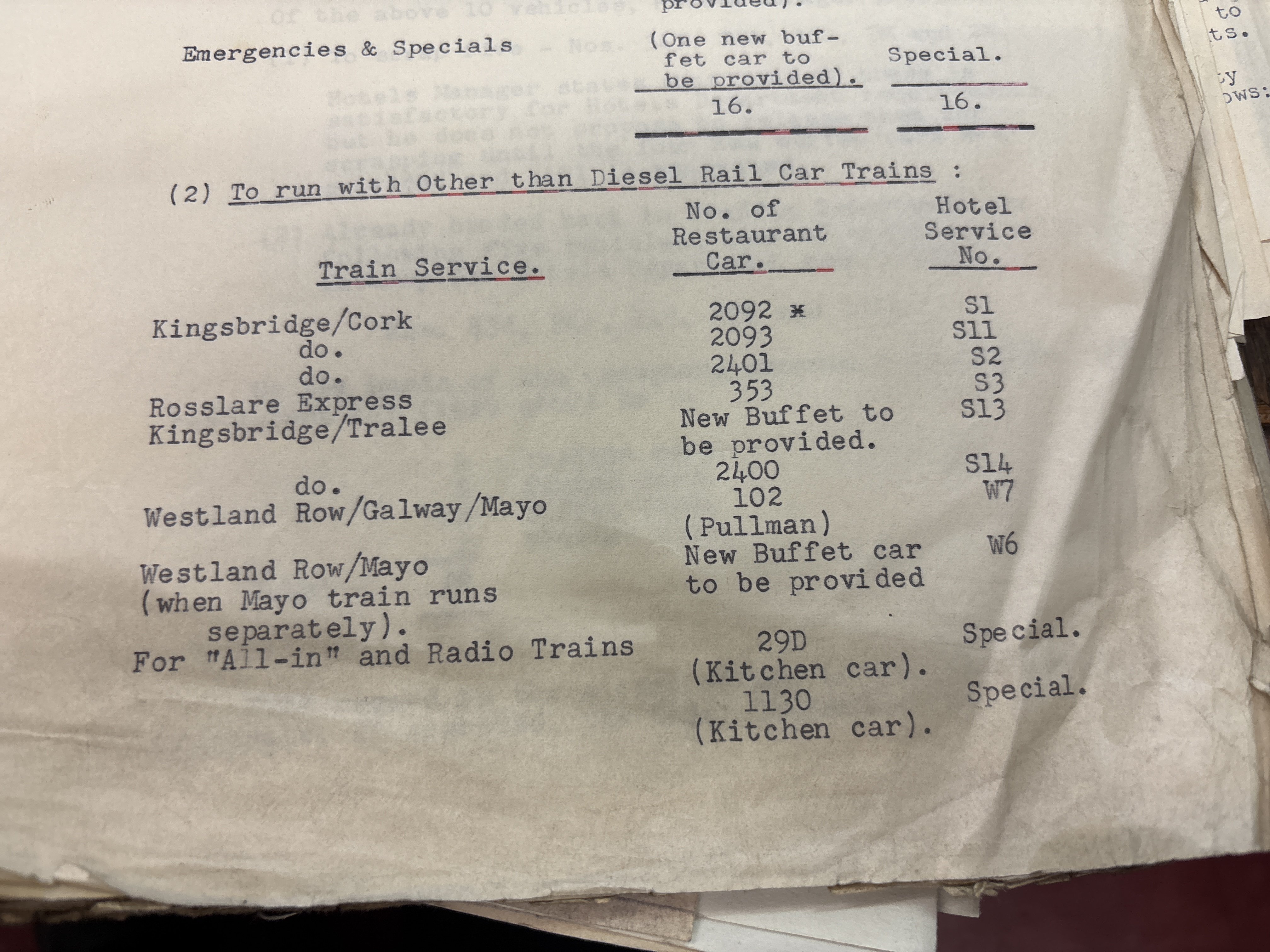
The old kitchen cars were allocated to the Radio Trains and other all-in tours, until replaced by 2403 and 2407 in the mid 1960s. They could serve meals to over 400 covers (i.e. the whole train). There had originally been a plan to build 1 kitchen car and 2 dining cars in the 1950/1 carriage build programme, but the programme was delayed and they were cancelled - hence the gap in numbering between 2401 and 2405, which was partly filled in the 1960s by 2402 and 2403, but 2404 remained a blank forever. Instead of the planned new kitchen car, 1130 was converted from a GSWR third to a kitchen car in 1952. There's a lot of correspondence about this in the IRRS archives.
-
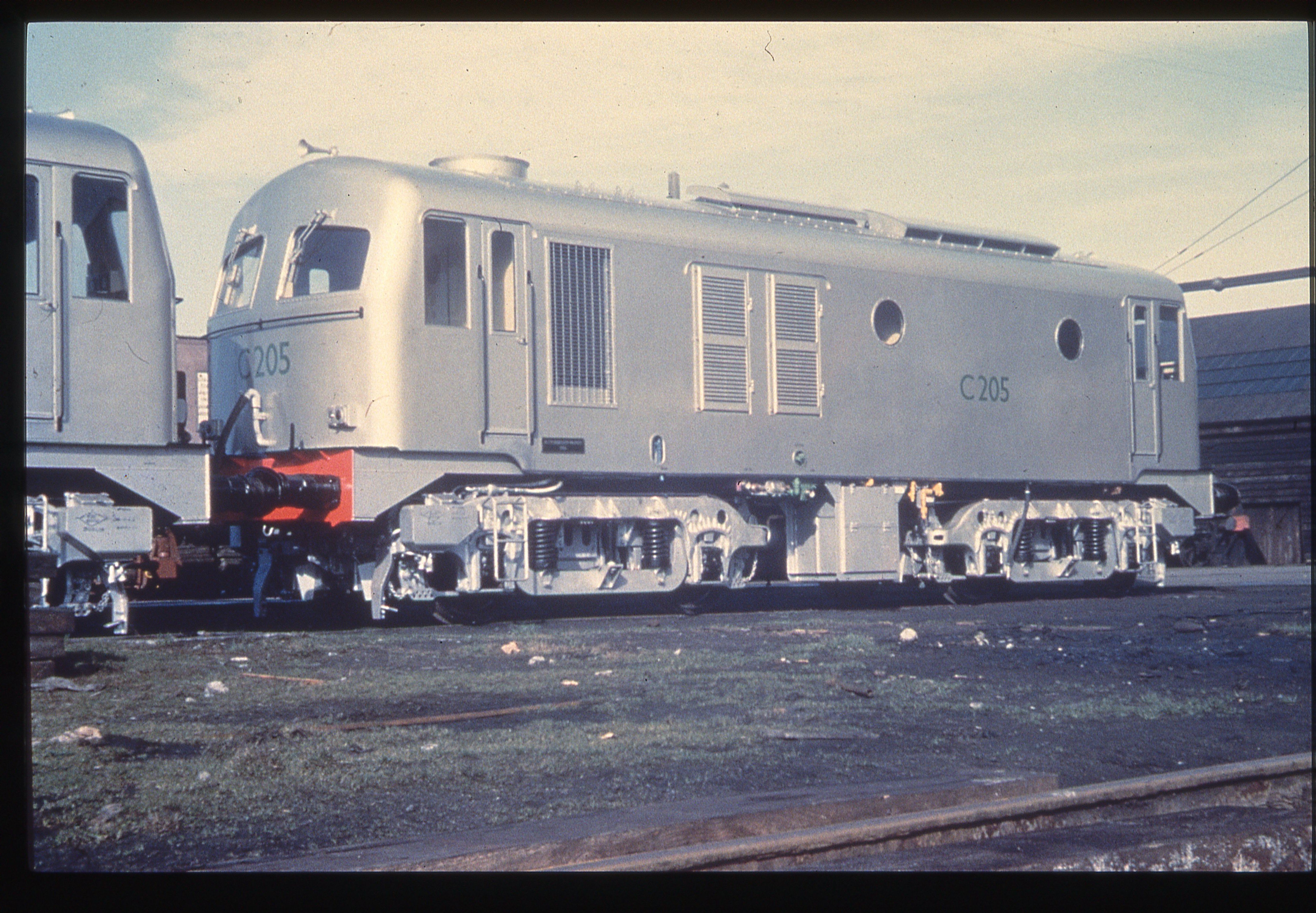
Indeed. As with the A class, originally fitted with sandboxes. When they were silver and still fairly clean, the details are easier to see.
-
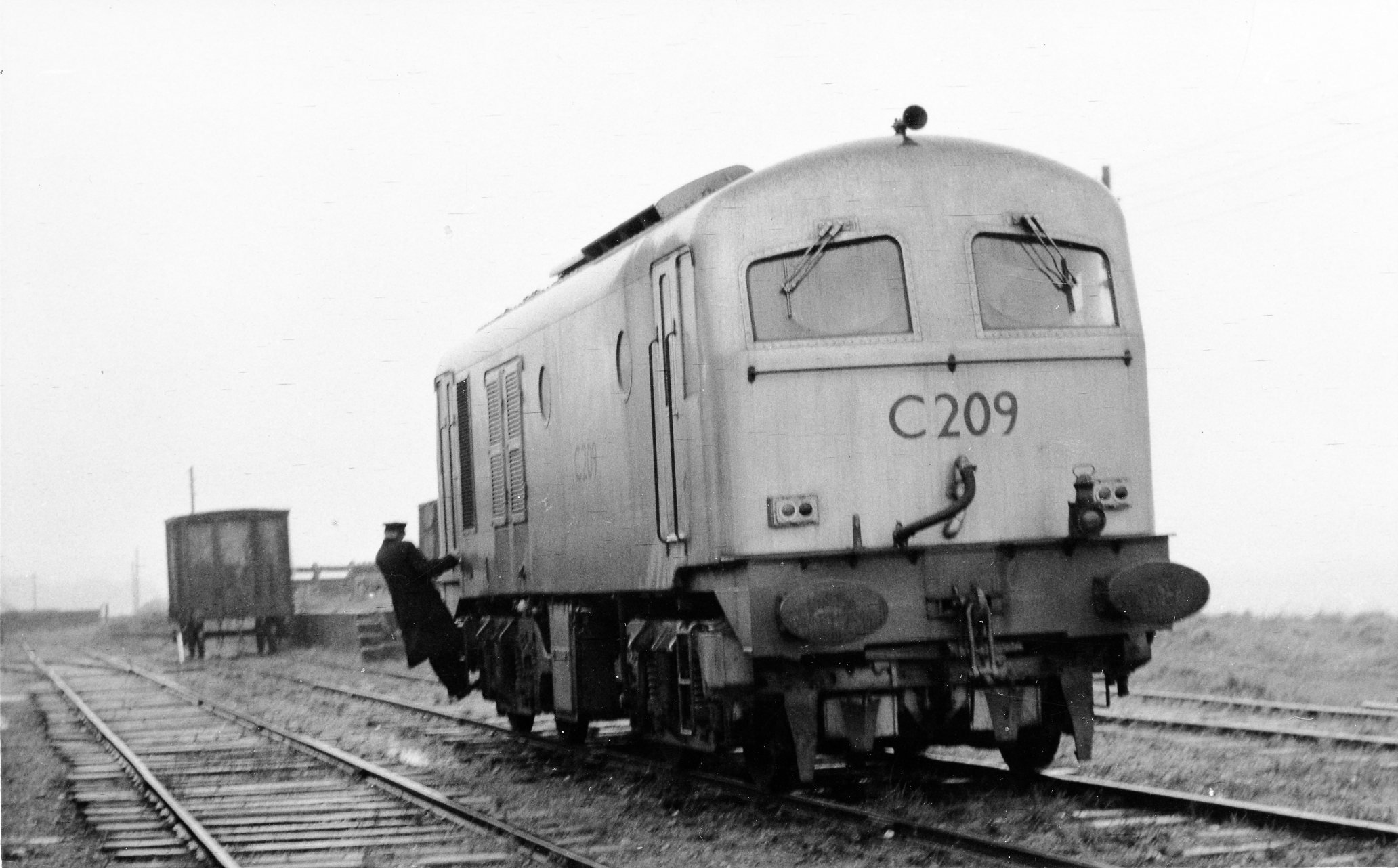
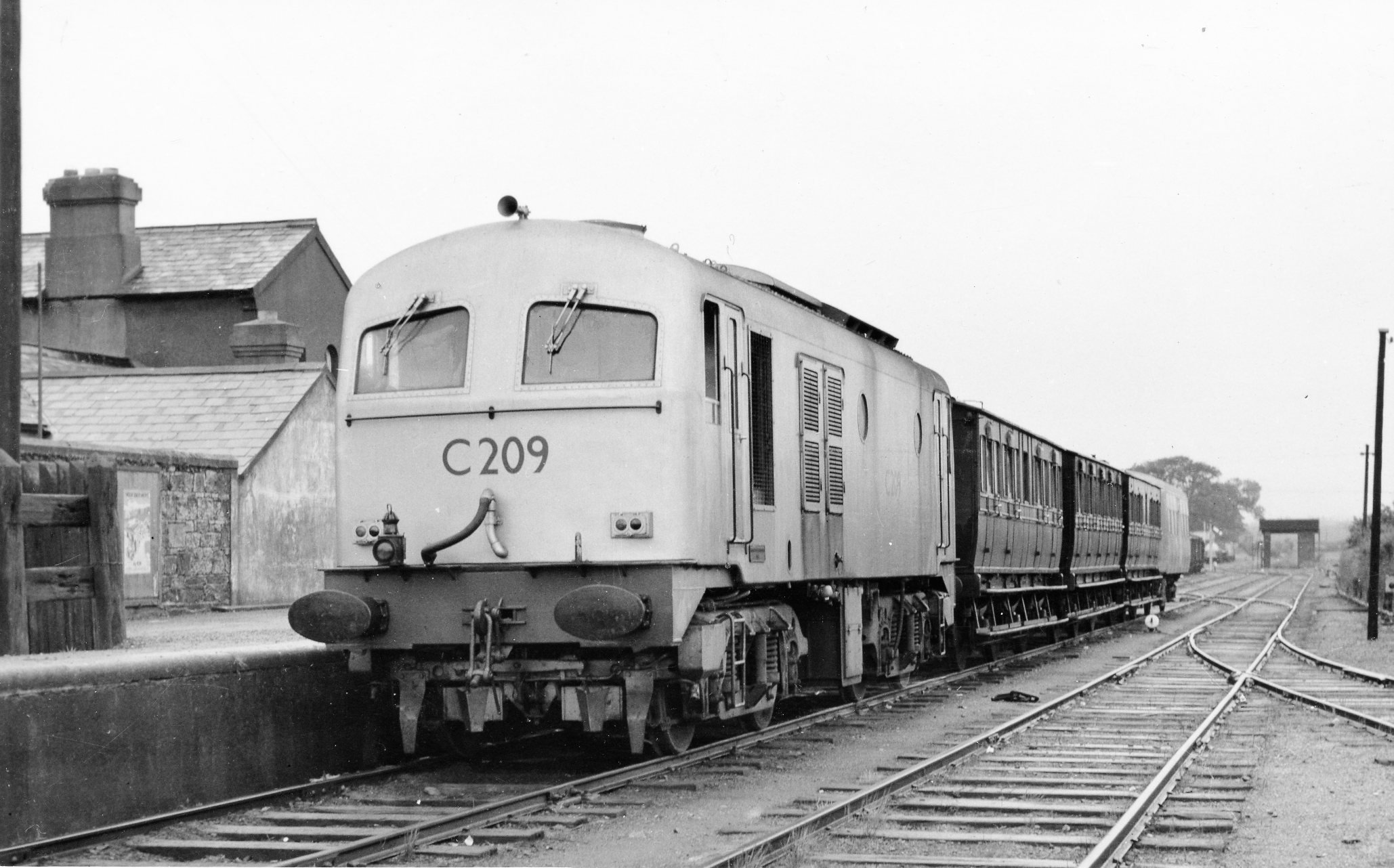
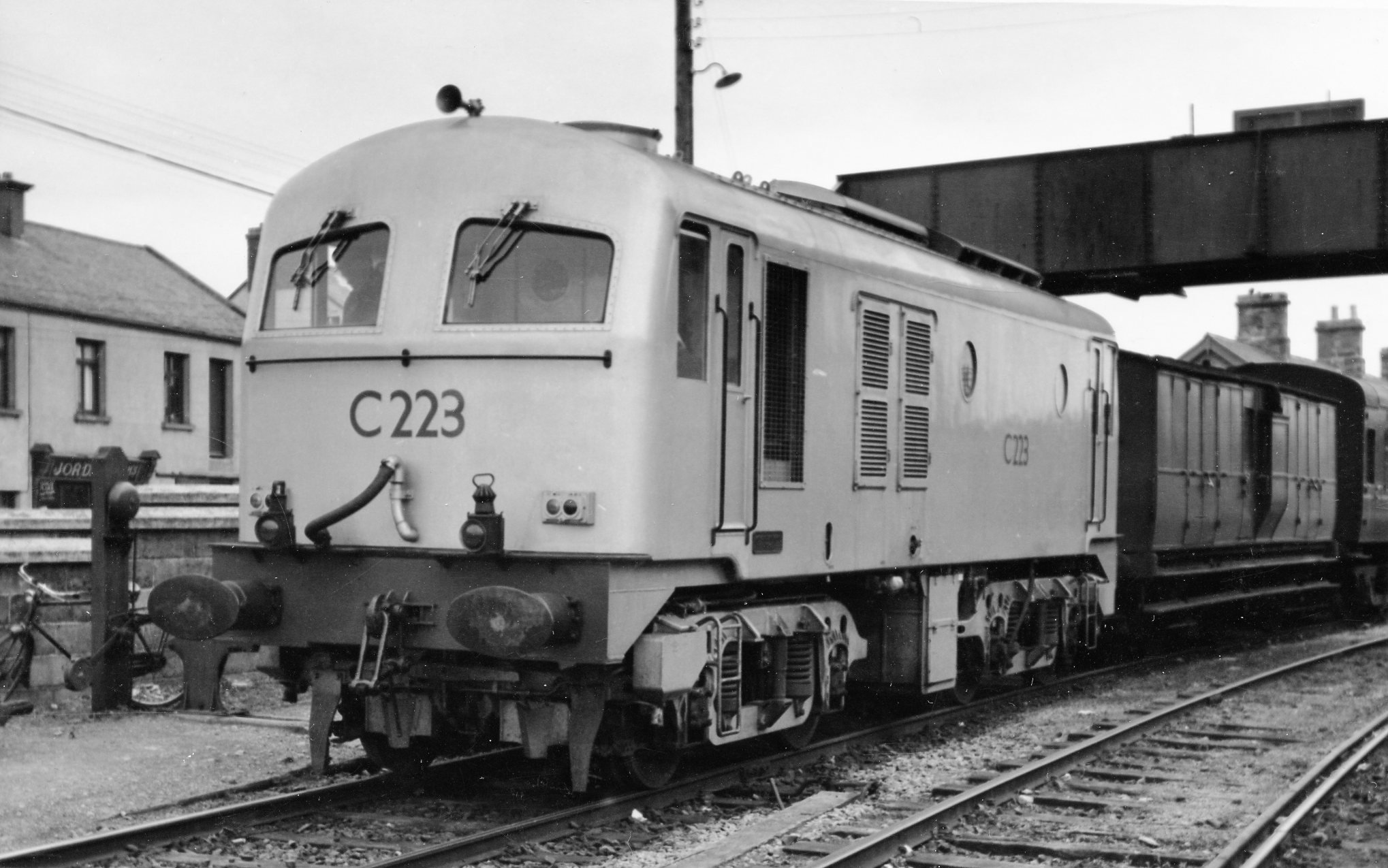
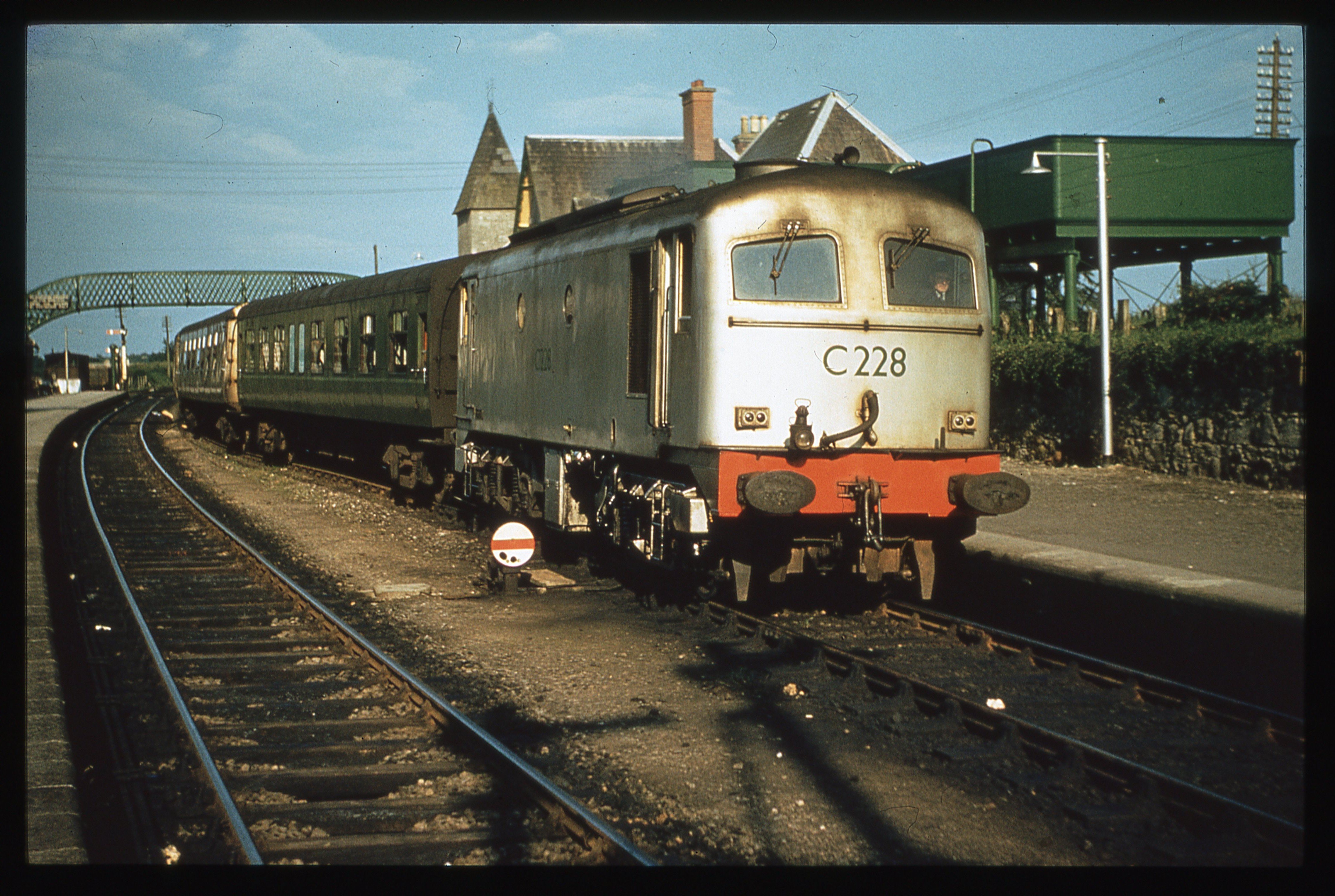
Now that @lucas is putting all the effort in, I’d be willing to place a small bet on an IRM C class being announced within the coming year! The sort of daft thing I’d do is a Maybach conversion.
-
Yes, that's the one. I was going to look out the reference once I'd got some transfers onto one of my new Park Royals, but you beat me to it!
-
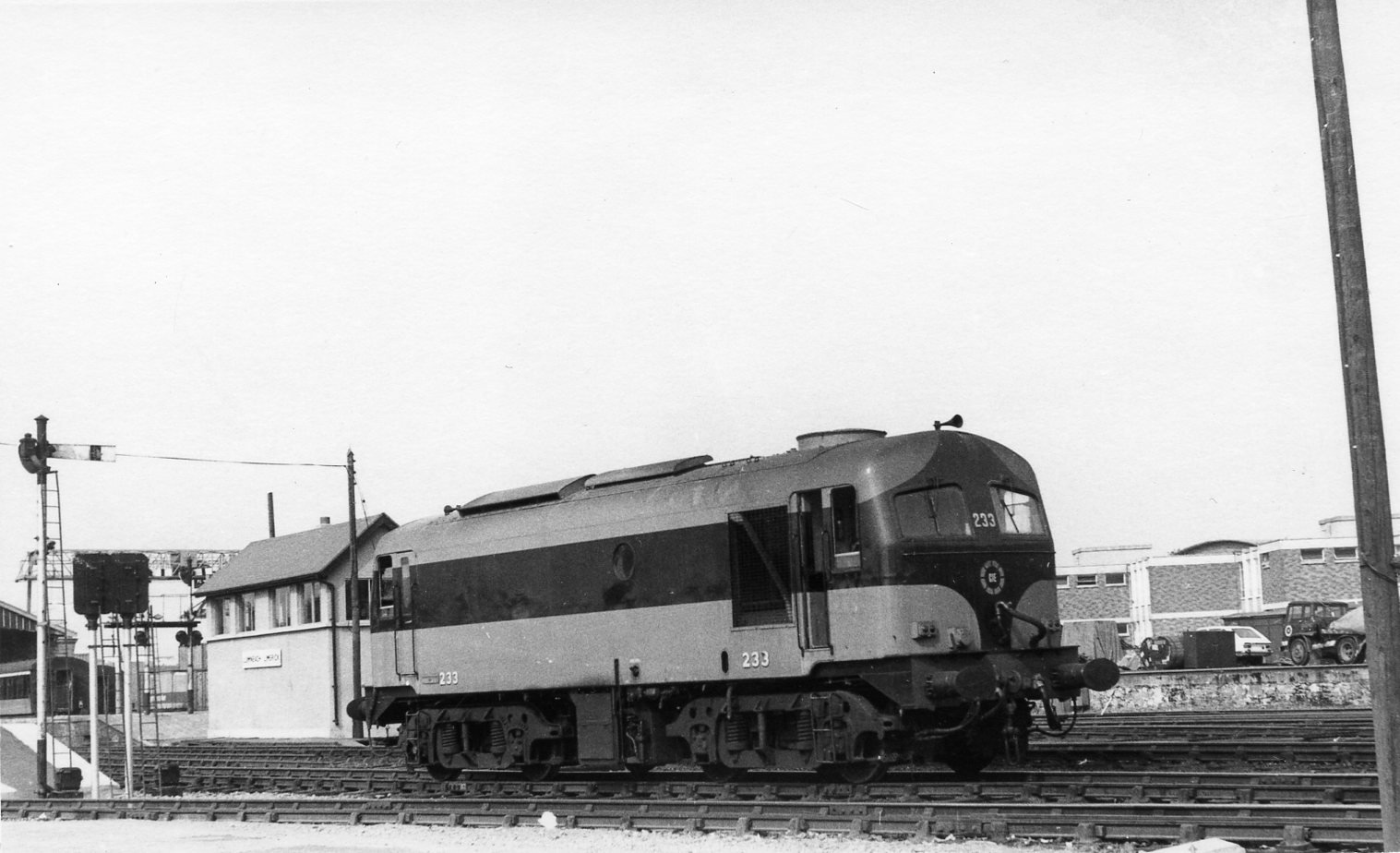
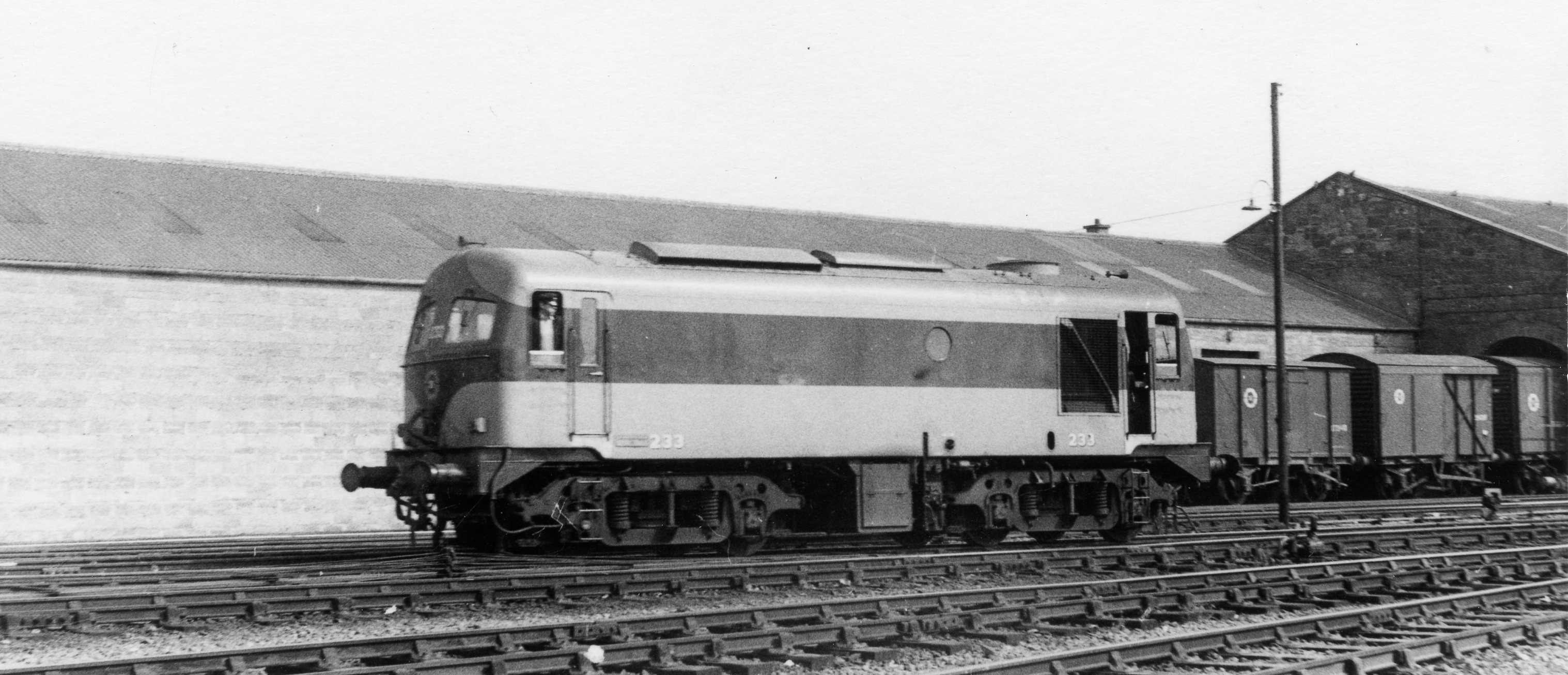
Excellent detective work - many thanks for sharing this! The MU sockets on the two Maybachs allowed them to work in multiple with the B141 and B181 classes. I’ve seen at least one photo of a ‘mixed pair’. They worked a Dublin-Limerick link for much of their life as Maybachs. So no need for tablet catchers. Couple of pics of 233 in Supertrain livery while still Maybach-engined:
-
Here you go:
-
Their appearance has something in common with a J26, but not sure if the dimensions match?
-
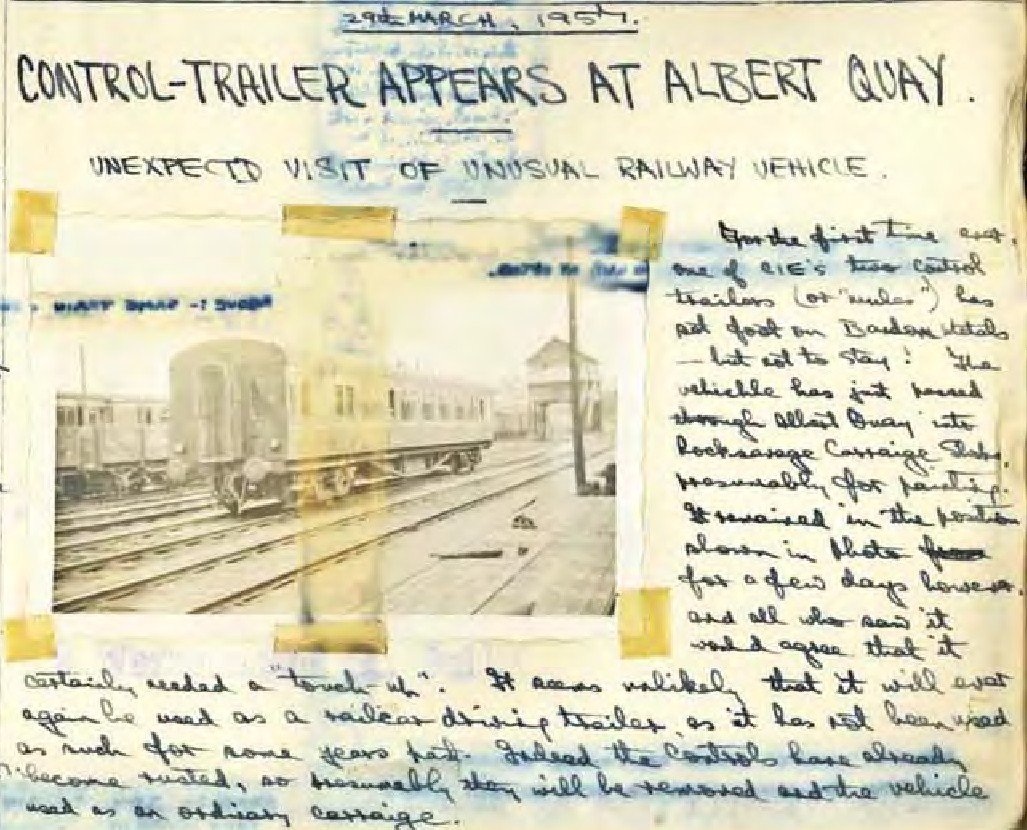
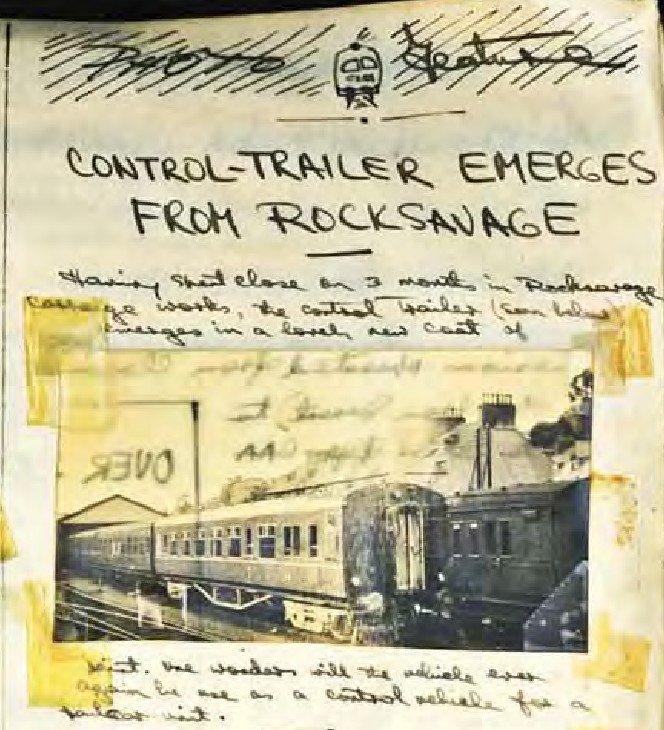
Yes, that would have been 1906 or 1907, or possibly 1408 if it was a Park Royal. They were CIE's three AEC driving trailers. 1907 hung around with preserved 184 for a while at Inchicore in the early 1970s, but was later completely destroyed in a crash. 1906 lasted longer. Some more info here: And here: The elderly kitchen cars were GSWR 1130, DSER 29D, and GNR 272N. All survived into the 1960s. Here's 1130 (Ernie photo): Earlier seen in green here: 272N (IRRS photo): https://www.flickr.com/photos/irishrailwayarchive/53508810174 29D (IRRS photo): https://www.flickr.com/photos/irishrailwayarchive/53506782108
-
Hmm. Steam locos and hammers. There's got to be a Mallet pun to be had somewhere?
-
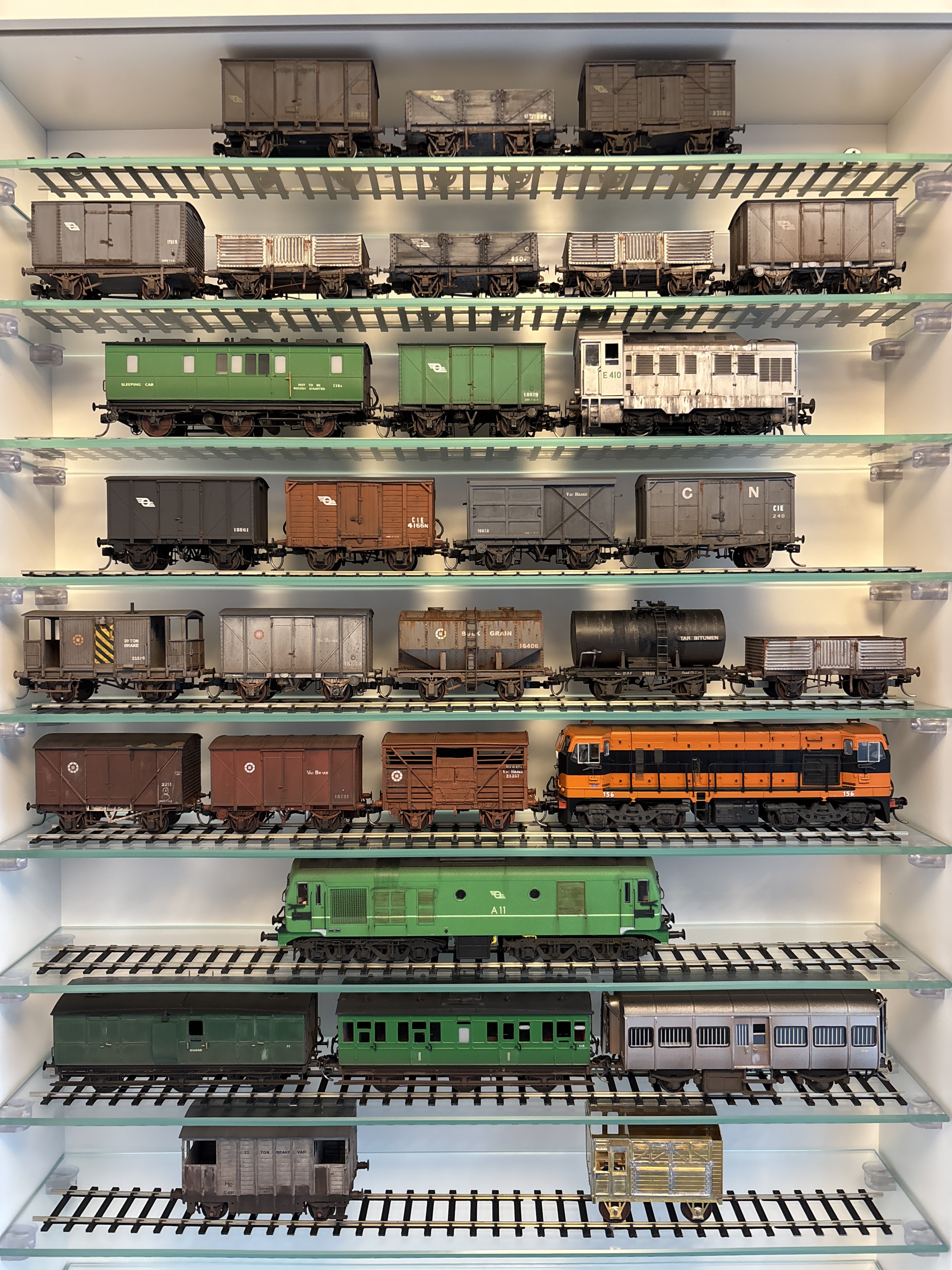
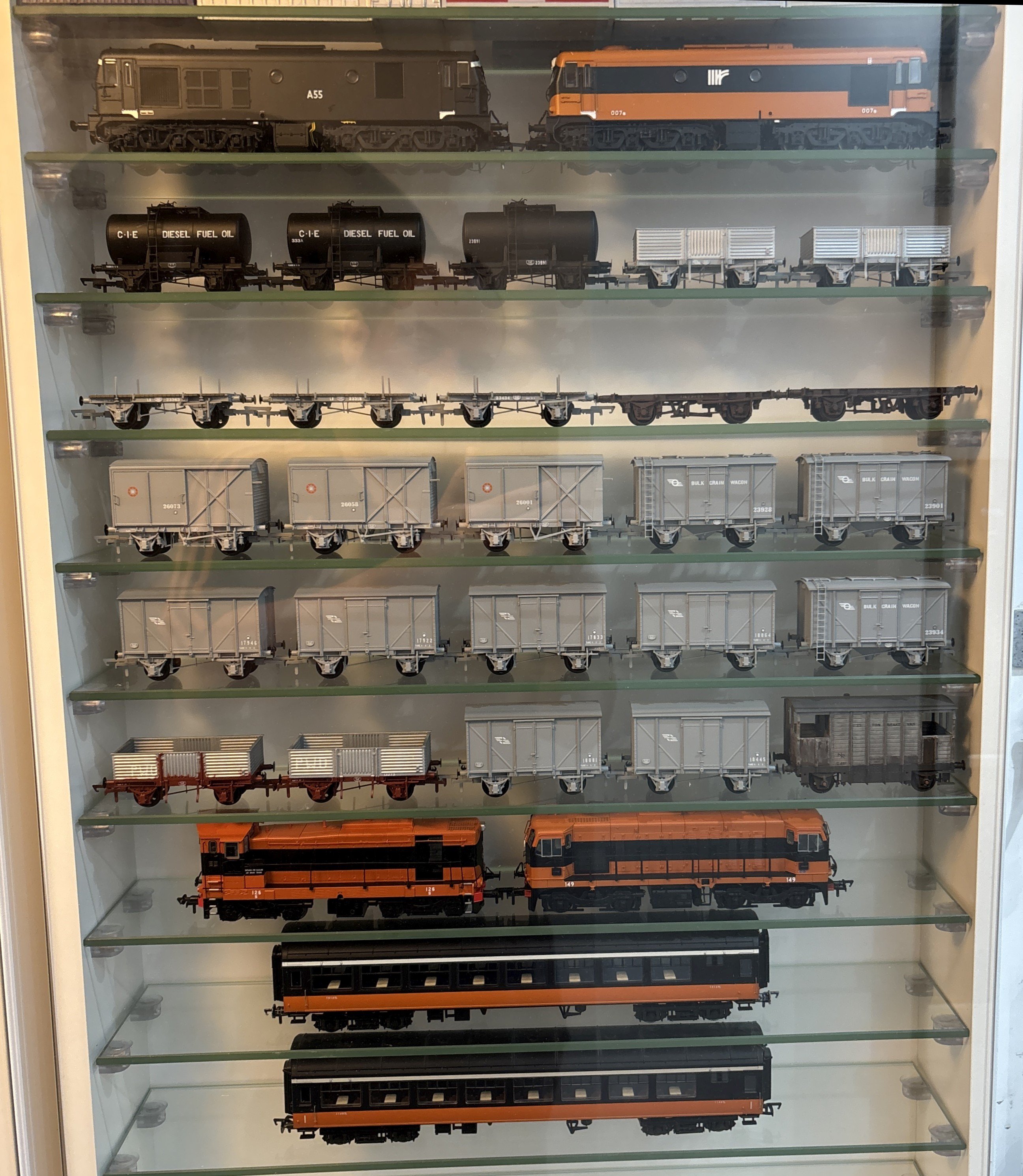
Whether you call it Saffron, Golden Brown, Tan, or Orange, here is a comparison of shades on models: The 071, 121 and 141 are Murphy Models, note that 086 is in the 1980s livery not the as-delivered 1976 livery. The two Cravens are also Murphy. The two A class 007 and 018 are IRM, as is the Park Royal. All the above are in out-of-the-box condition though many were acquired secondhand. The two containers were painted by me using an old jar of Railmatch CIE golden brown. The shades aren't all identical, but certainly within the range seen in reality during the 1980s. And back to your original question, 007 and 018 are the same colour. I believe the prototype paint colour was actually changed to a lighter shade in the 1990s, but that's after my period of interest. Here's the other side of the cabinet, stock that's regauged, modified, repainted, kit-built etc., warranty thoroughly voided on all of these:
- 28 replies
-
- 12
-

-
https://www.steamtrainsireland.com/rpsi-collection/82/462-dutch-van For some years this provided power for the RPSI Mk2 rake. A model is available from Silver Fox. But more recently it has been superseded by the Mk2 brakes, which may be a better-looking option for you.
-
1906 or 1907, one of the AEC ‘mules’. See also Ernie’s thread.
-
"Rails Through Wexford" Book Launch in Wexford Library
Mol_PMB replied to Irishrailwayman's topic in What's On?
I'm definitely looking forward to your future projects, @jhb171achill! Looking at the map of railways in Ireland, there are still a few branches you haven't covered... I only hope my IRRS talk on the AEC railcars this autumn doesn't look too amateurish next to your excellent output.- 50 replies
-
- 3
-
-
- book launch
- rails through wexford
- (and 4 more)
-
That's the boring 'out of the box' side of the display! When I've thoroughly ruined things they end up in the other half. I'll be back home tomorrow and will update the pics.
-
Sadly, I wore it so much it ended up as more holes than wool! That was 40 years ago! I'm not at home at the moment, but I've since rearranged these with 007 closer to some other orange things. There's a bit of variation between the manufacturers and batches, but there was on the prototype too as the paint faded, so it doesn't bother me. You can see there's a small difference even between the Murphy locos. I realise that I have an 018 as well (so that's five A class bought secondhand - oops!). Not sure I'm quite ready to part with it though. I'm pretty sure I've seen every model for sale at least once over the last couple of years.
-
There was a Mk2 coach on the back! Designed by me, knitted by my Mum.
-
My 007 (with IR logo) is a slightly lighter shade of orange, but it's not dramatically different, just looks realistically faded. It's not as light as the later IE shade of orange, I think. However, I don't have any IR/IE liveried locos to compare with. My plan was to replace the IR logo with a roundel to replicate this (yes, that's me!). Then I got distracted by the 1960s...
-
From Colm Creedon's notebooks: Strangely very similar to your photo, but different J15, and looking at the driving cab window detail, the other mule: https://www.flickr.com/photos/irishrailwayarchive/54253223013
-
I am now mentally deleting the idea of a 21mm gauge D class shunter from the projects list! Those cranks look like nothing but trouble.