.png.c363cdf5c3fb7955cd92a55eb6dbbae0.png)

jhb171achill
-
Posts
16,656 -
Joined
-
Last visited
-
Days Won
413
Content Type
Profiles
Forums
Events
Gallery
Blogs
Everything posted by jhb171achill
-

Carriages of the Schull & Skibbereen Railway
jhb171achill replied to Wexford70's topic in General Chat
Those little yokes were probably the ones in better condition. Passenger numbers were few - it was largely reopened for goods & cattle traffic which remained busy, possibly just as a temporary measure while roads were improved. Just over a year after reopening it was closed for good. -
Carriages of the Schull & Skibbereen Railway
jhb171achill replied to Wexford70's topic in General Chat
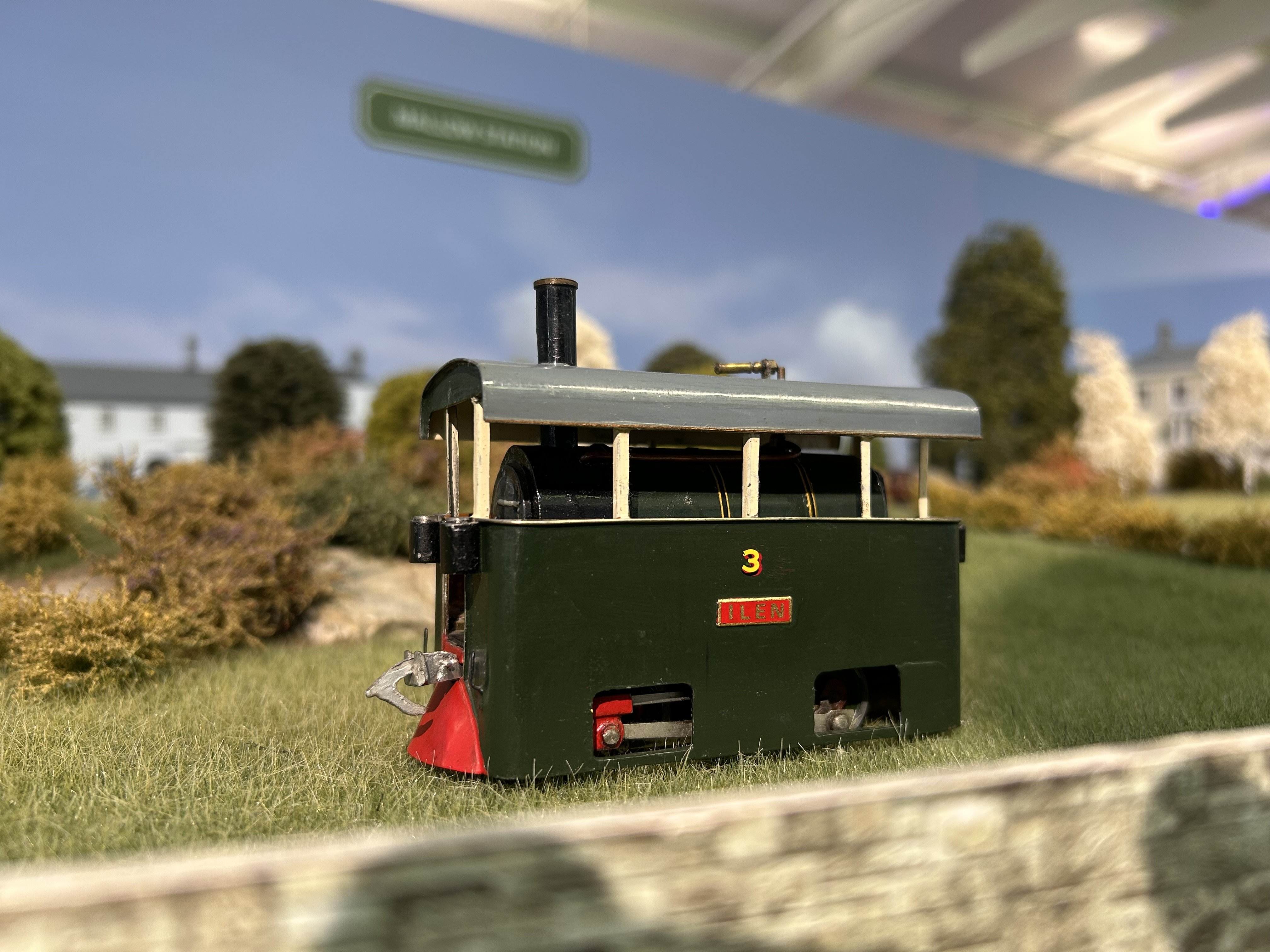
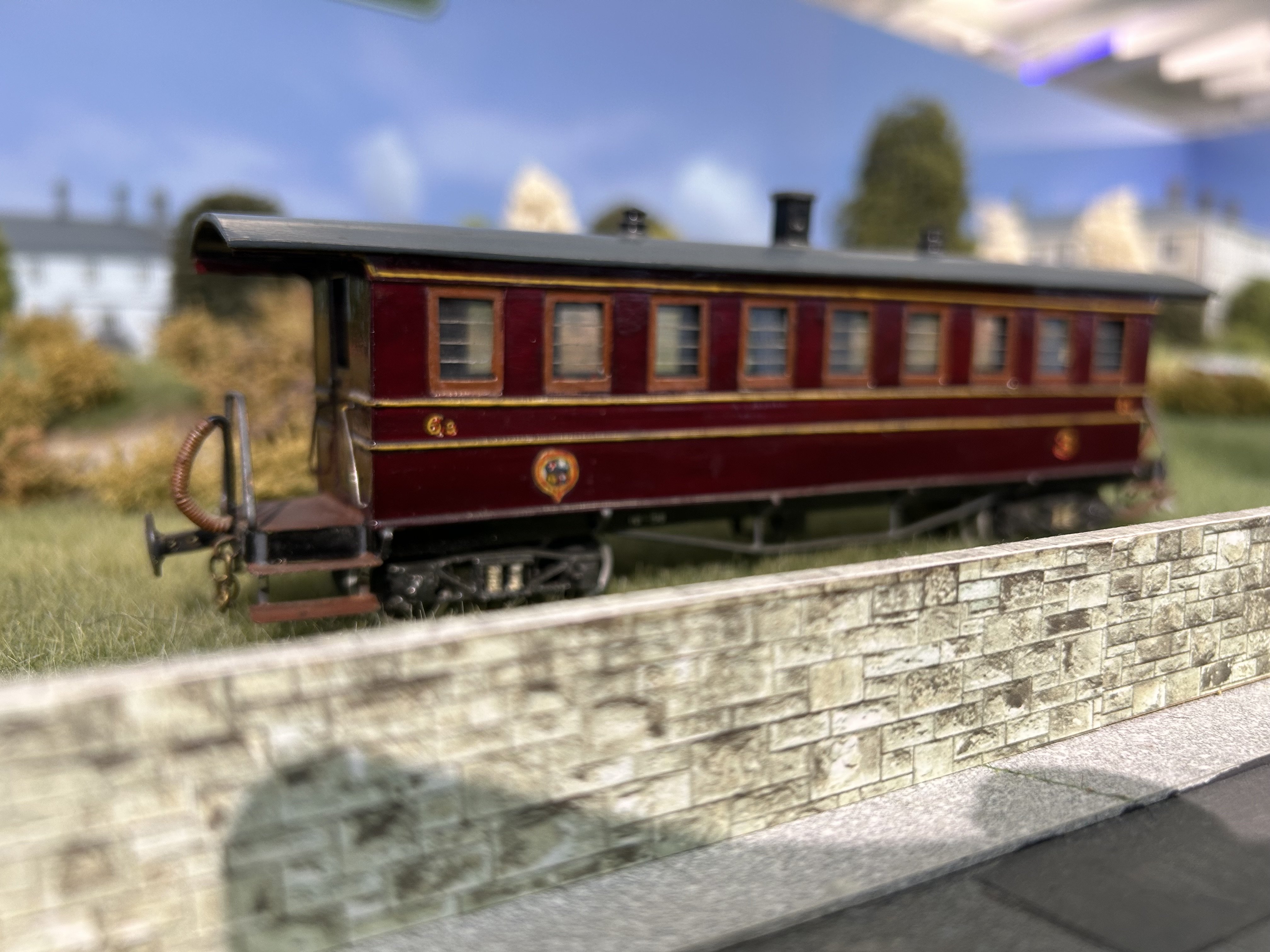
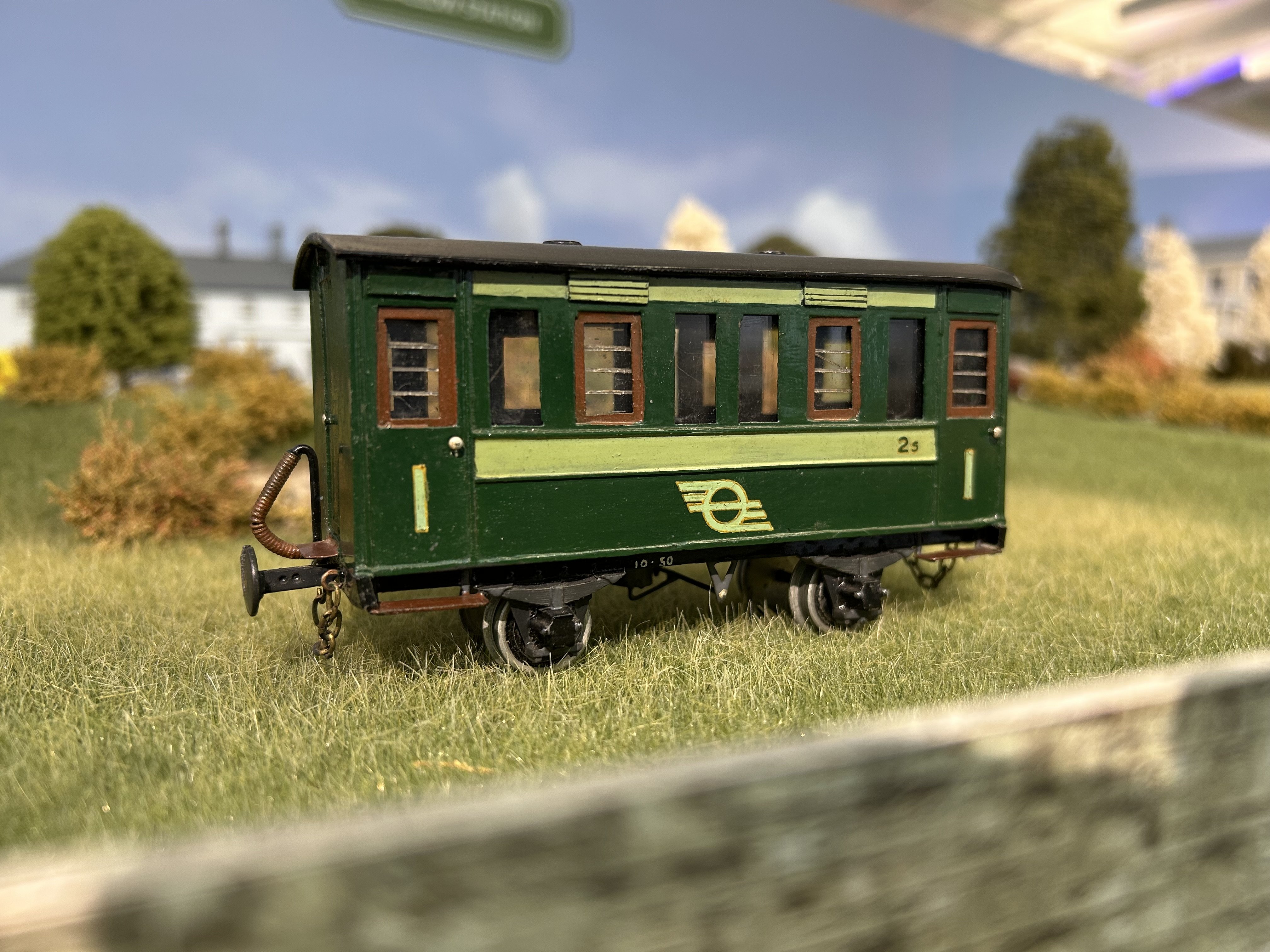
Here are Fry’s models:
-
Carriages of the Schull & Skibbereen Railway
jhb171achill replied to Wexford70's topic in General Chat
Only two were ever CIE green.
-
Carriages of the Schull & Skibbereen Railway
jhb171achill replied to Wexford70's topic in General Chat
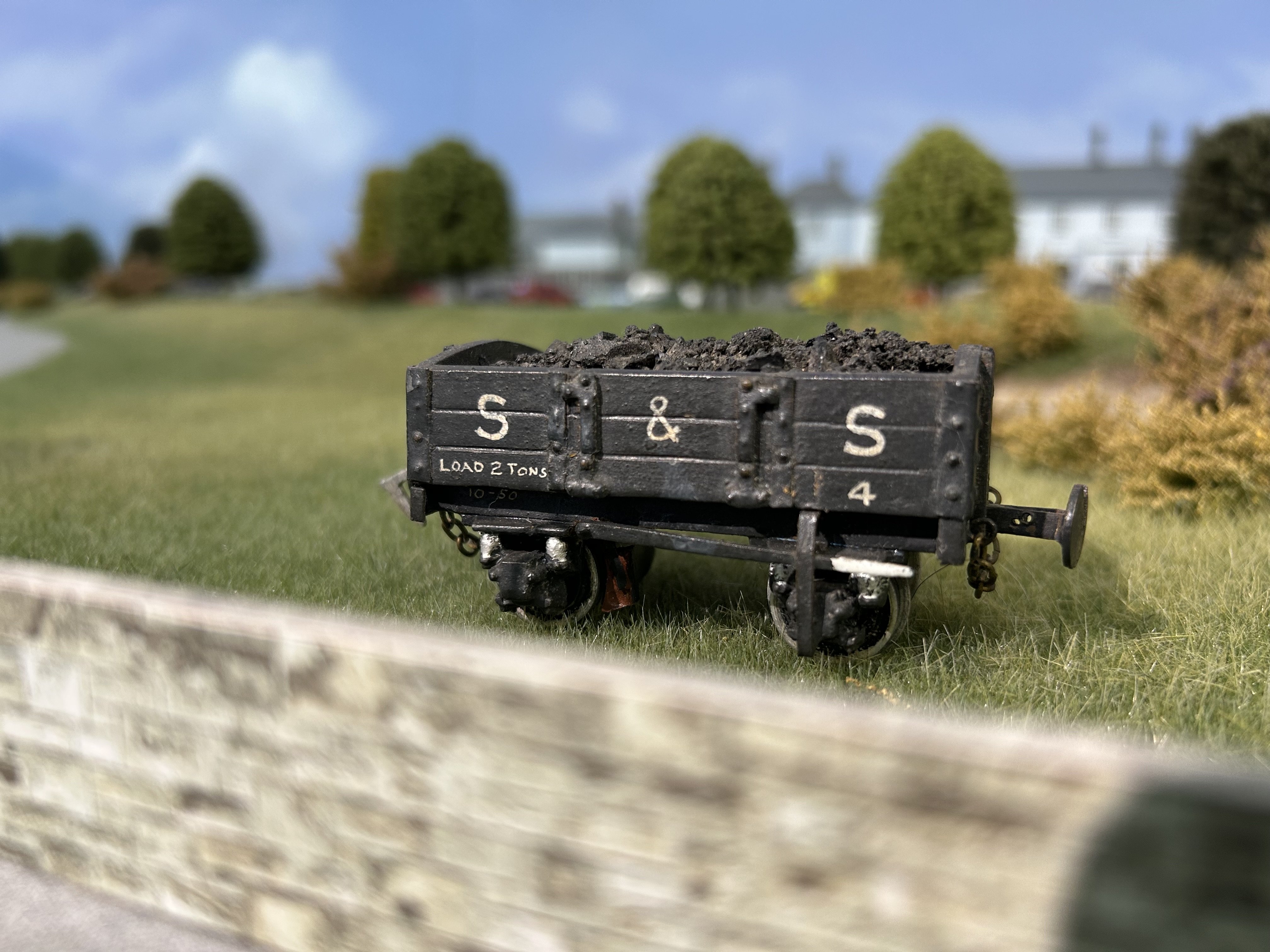
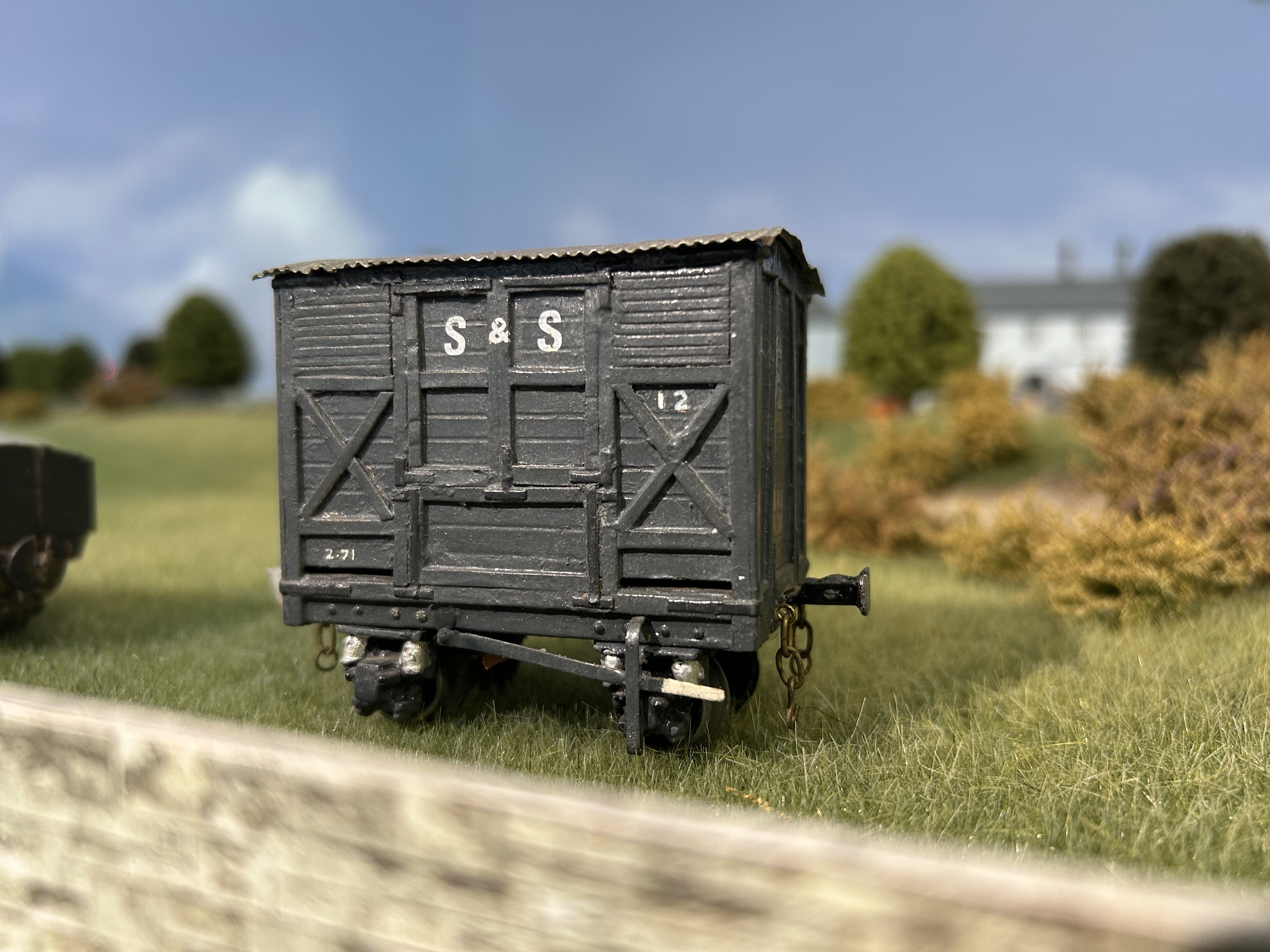
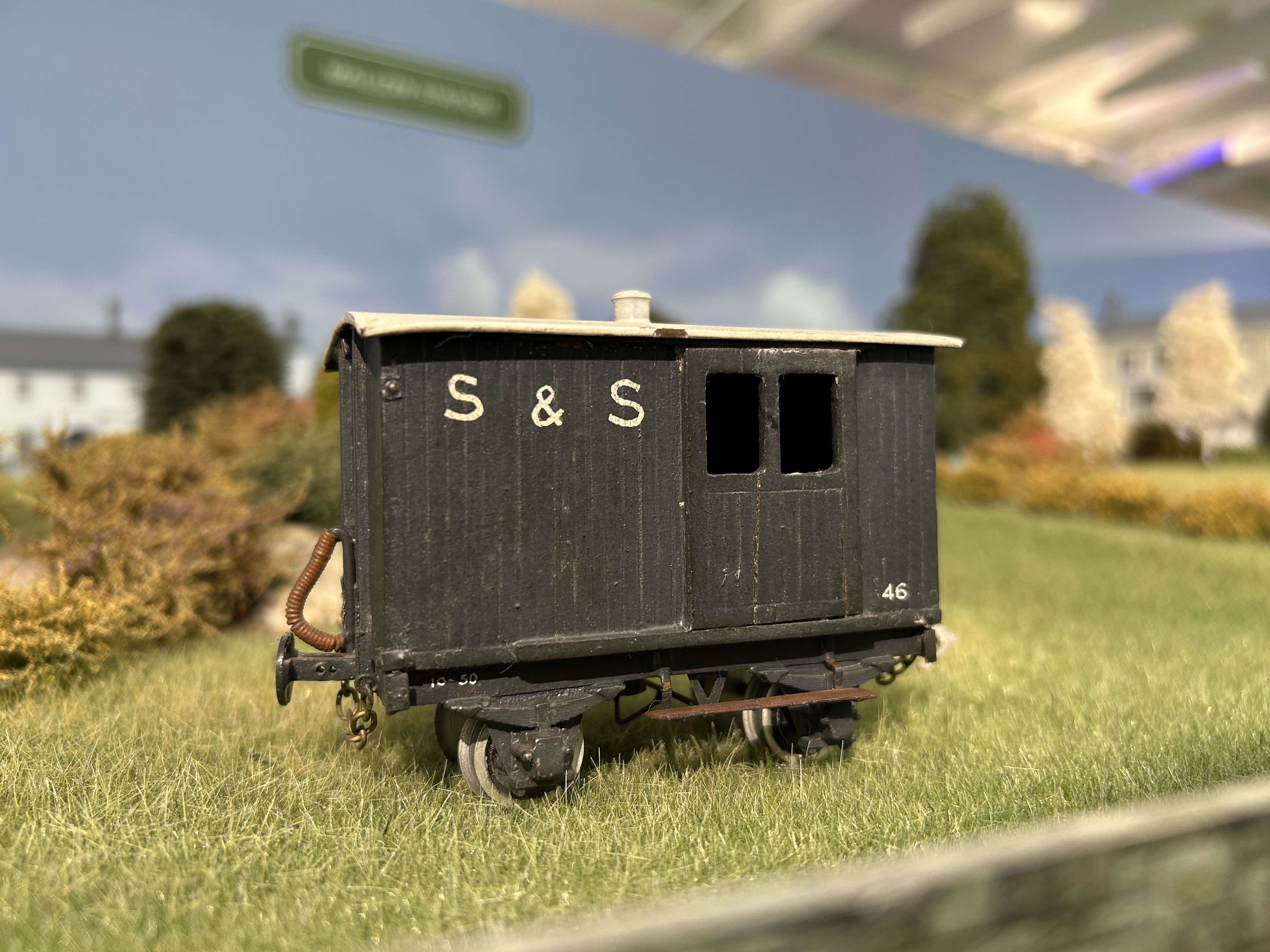
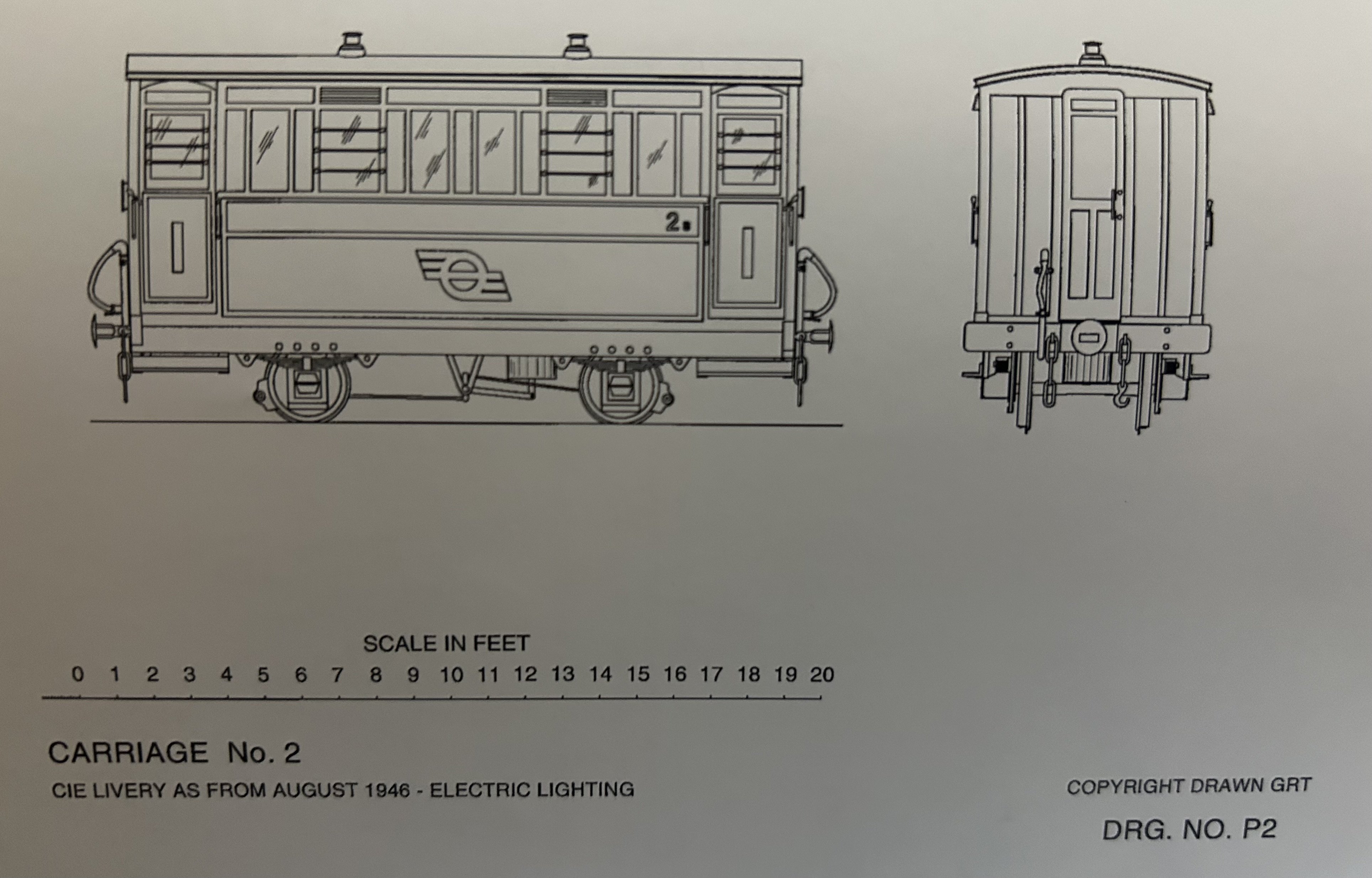
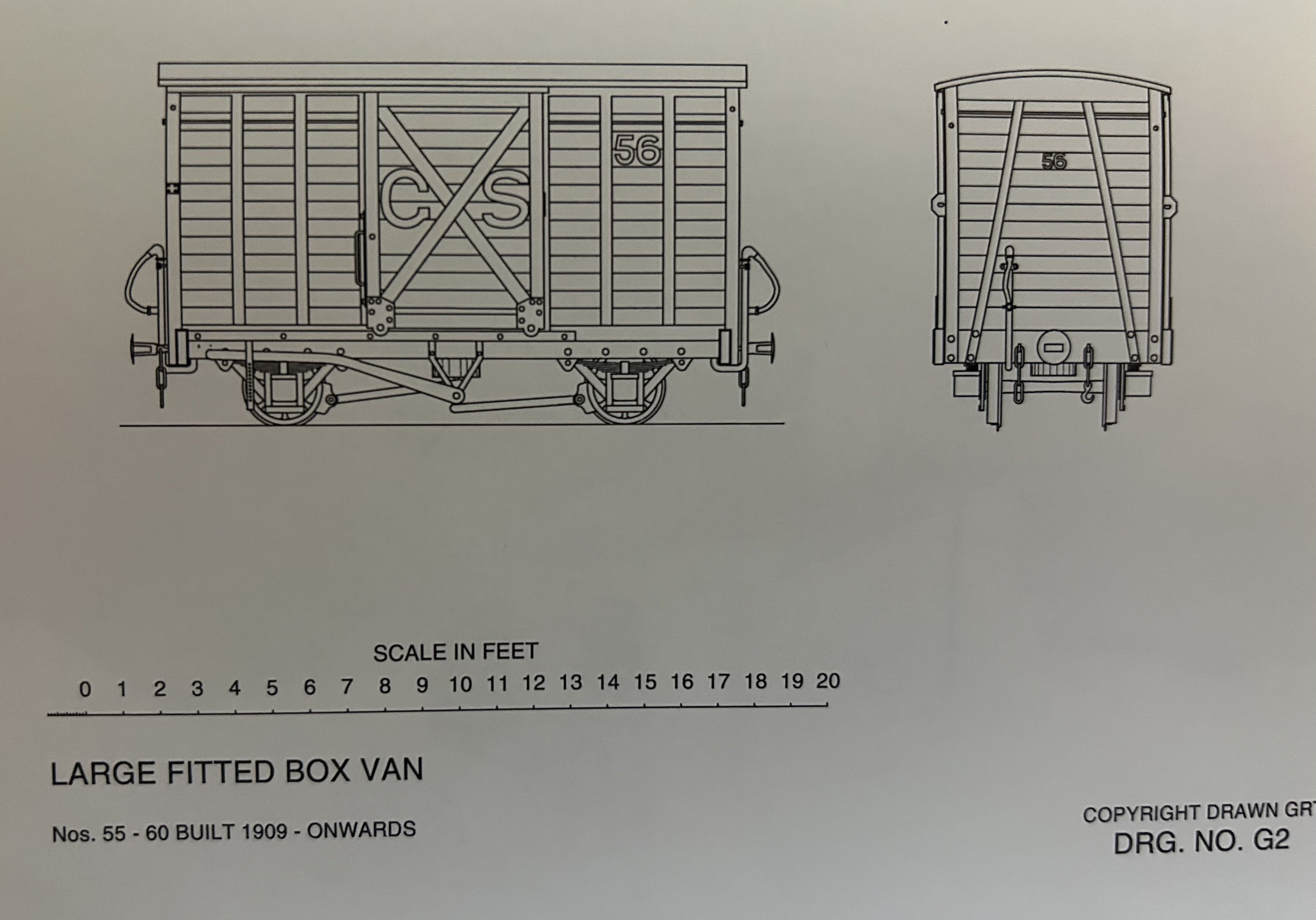
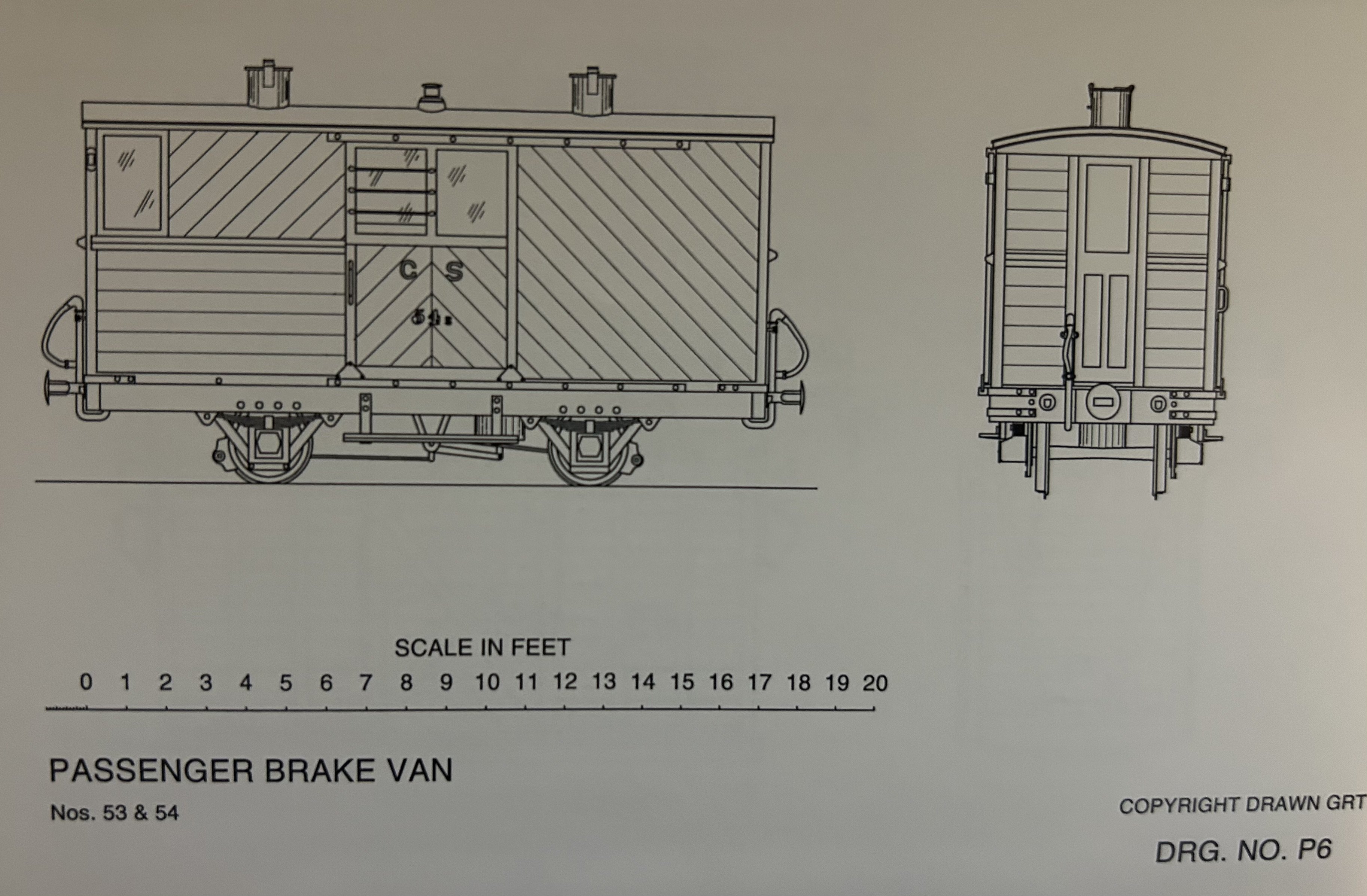
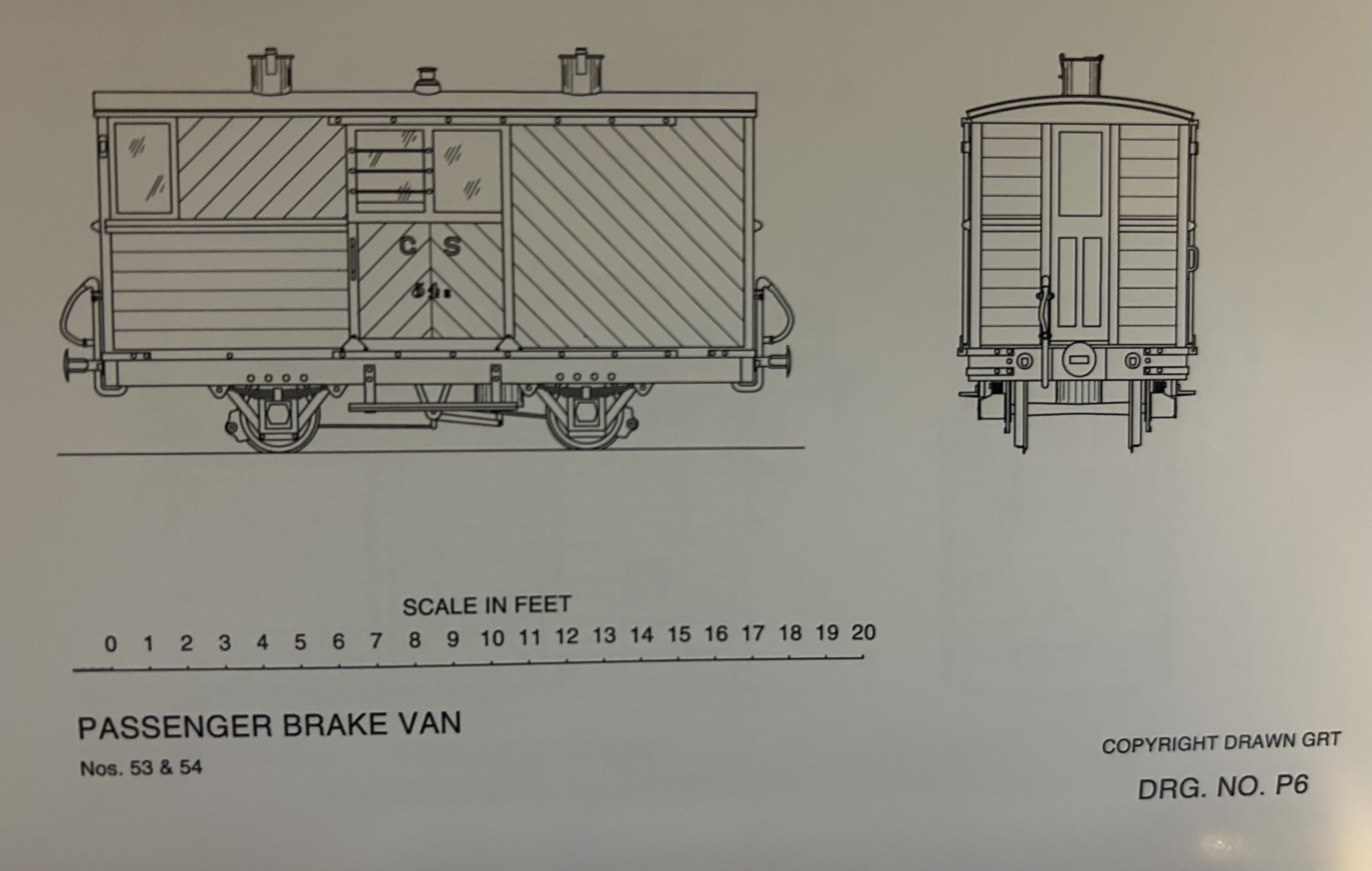
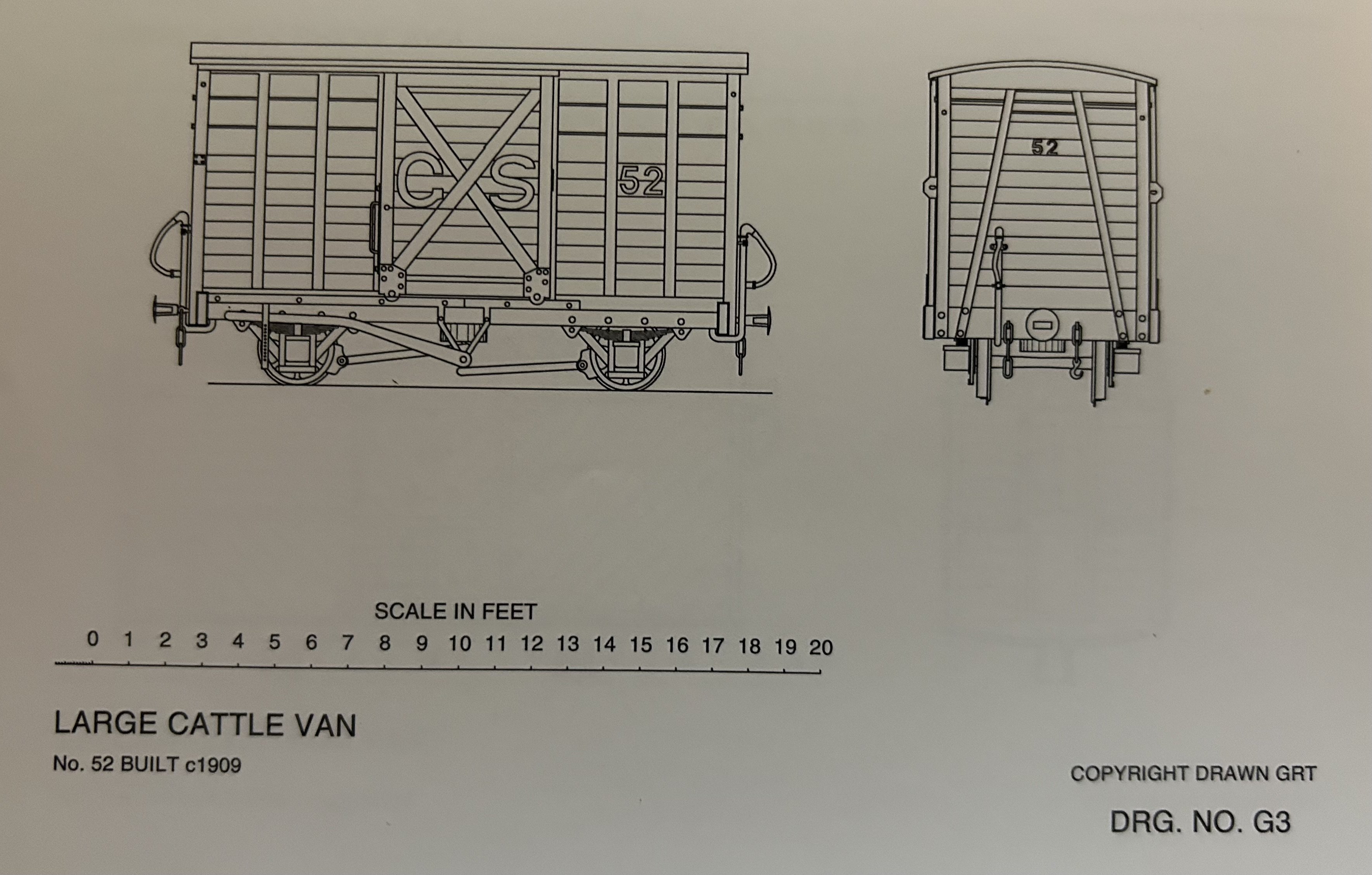
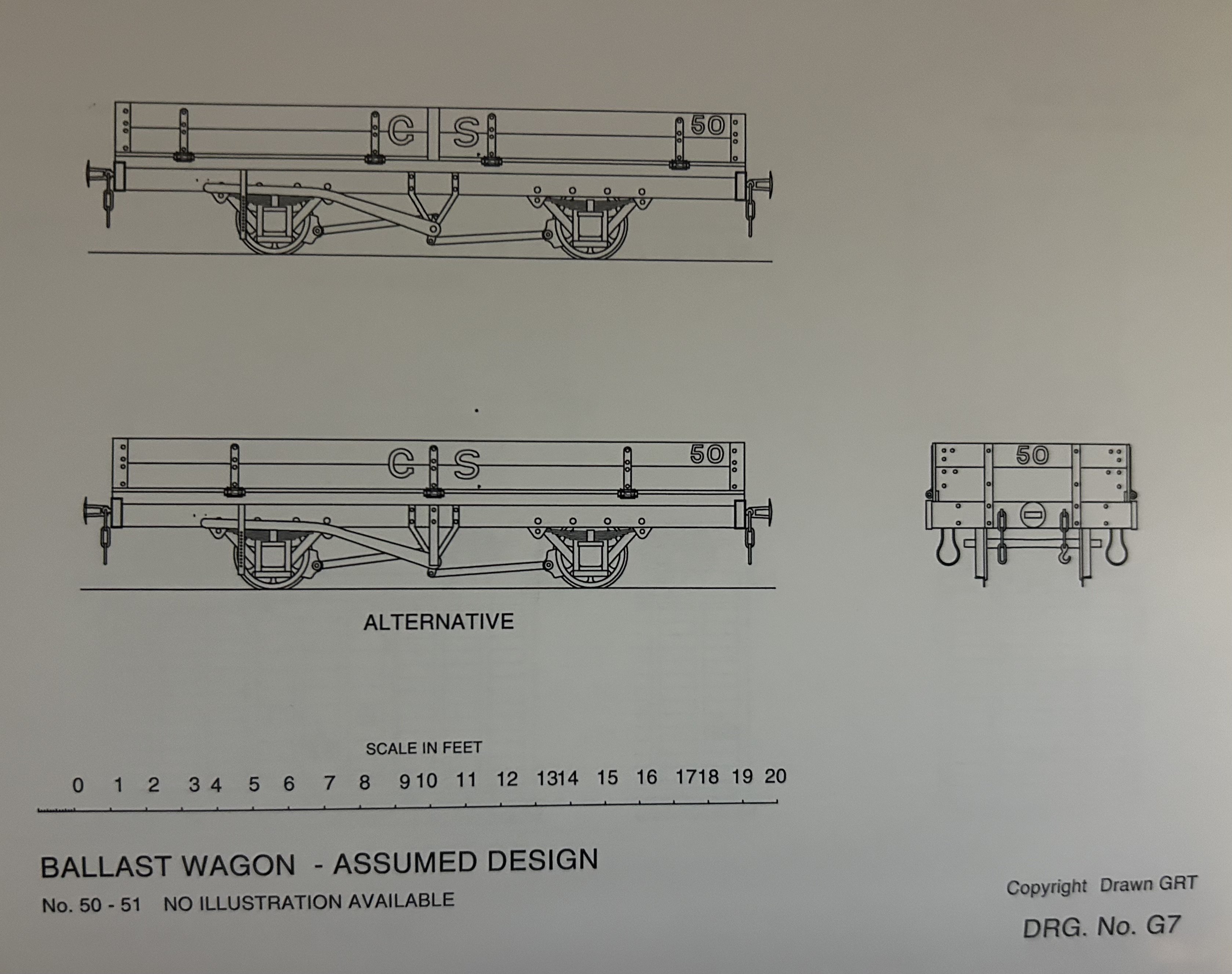
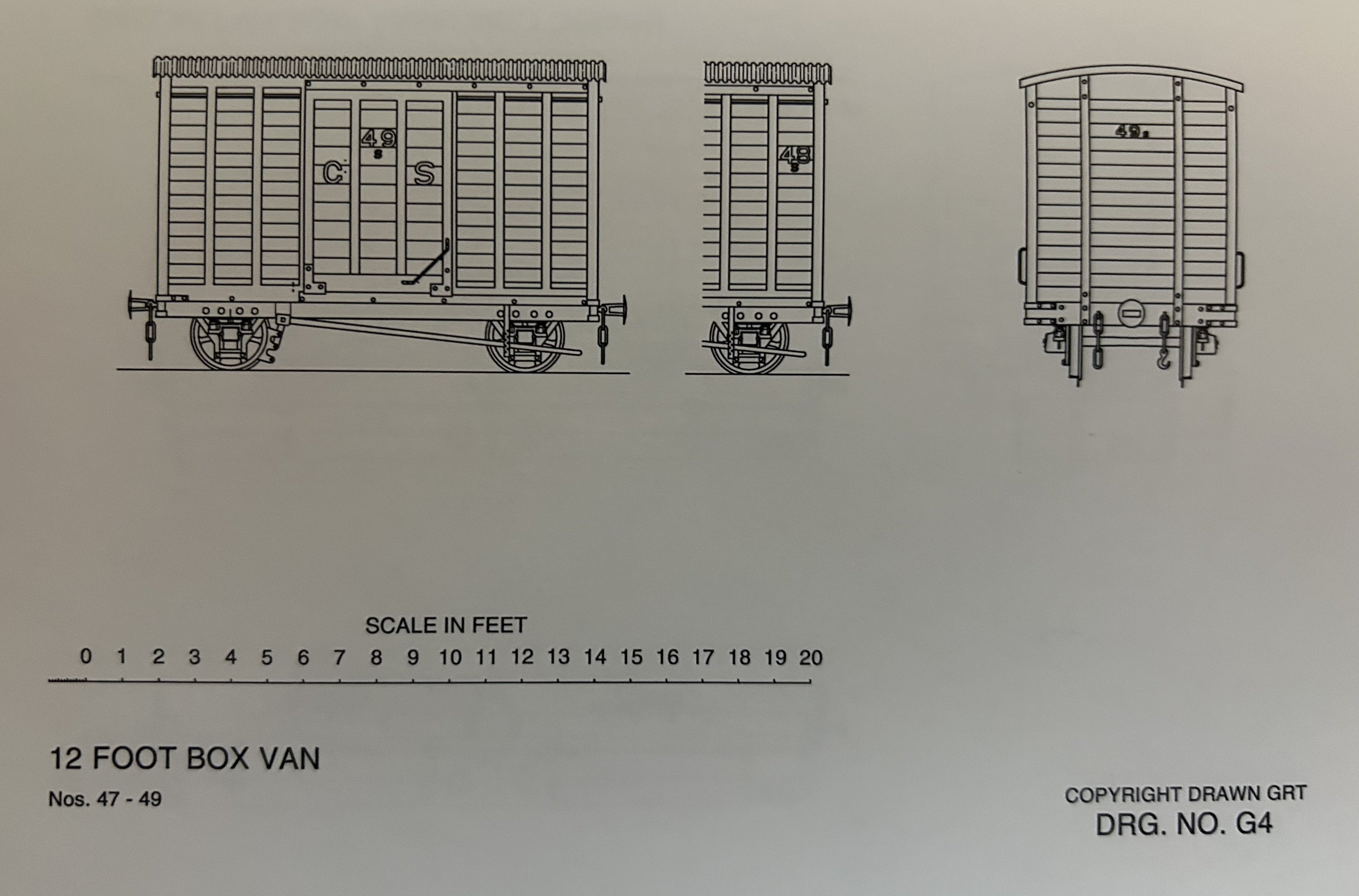
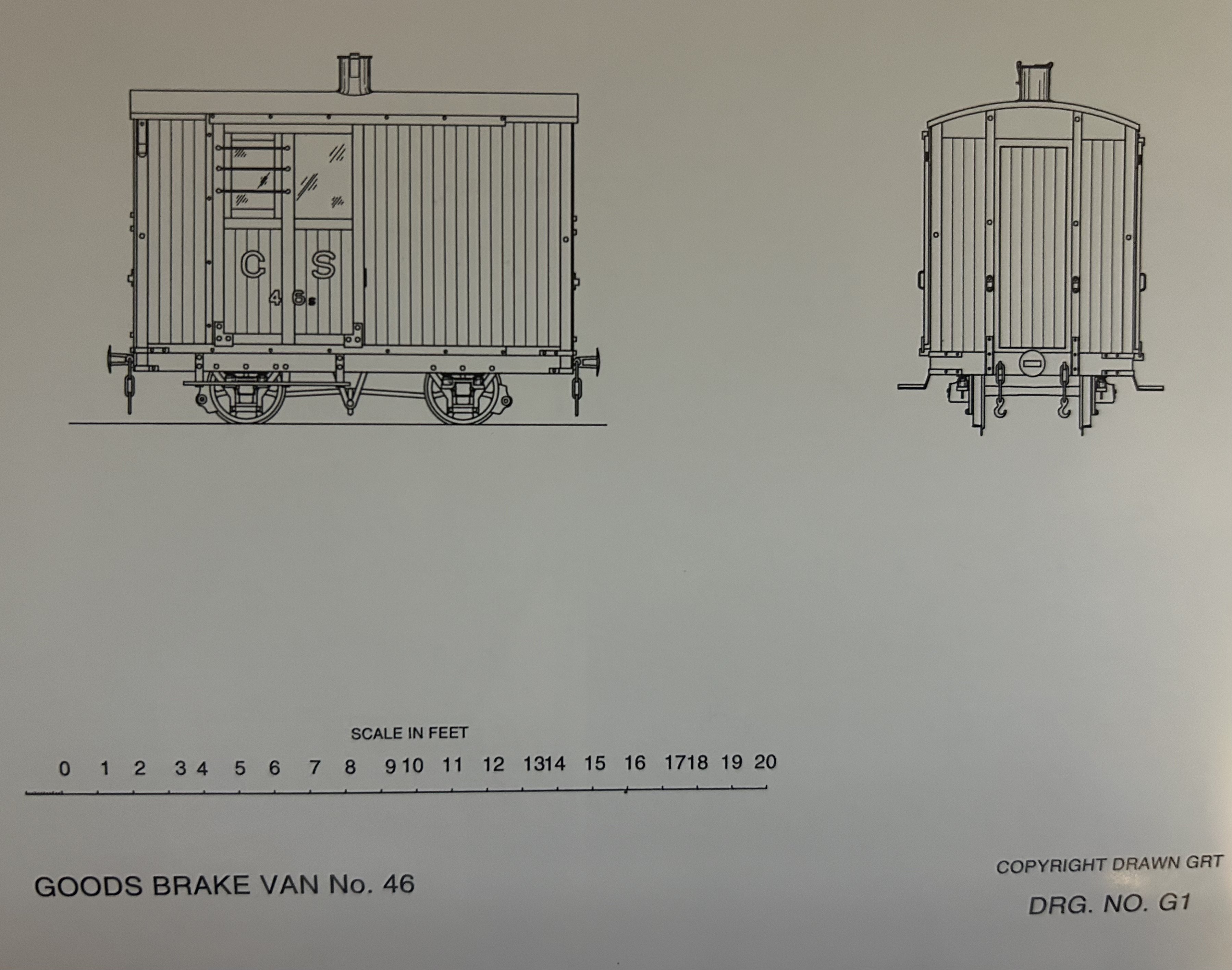
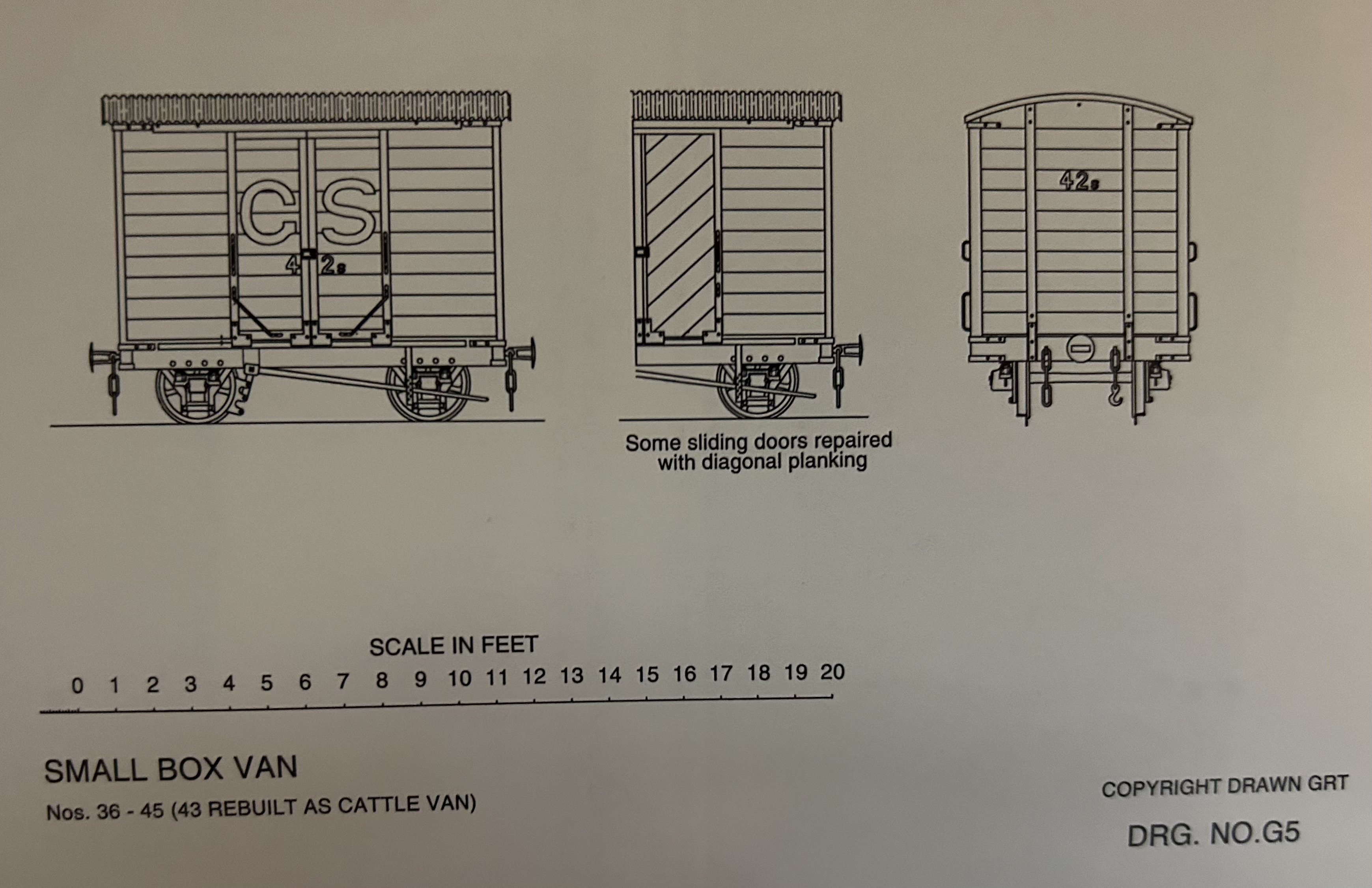
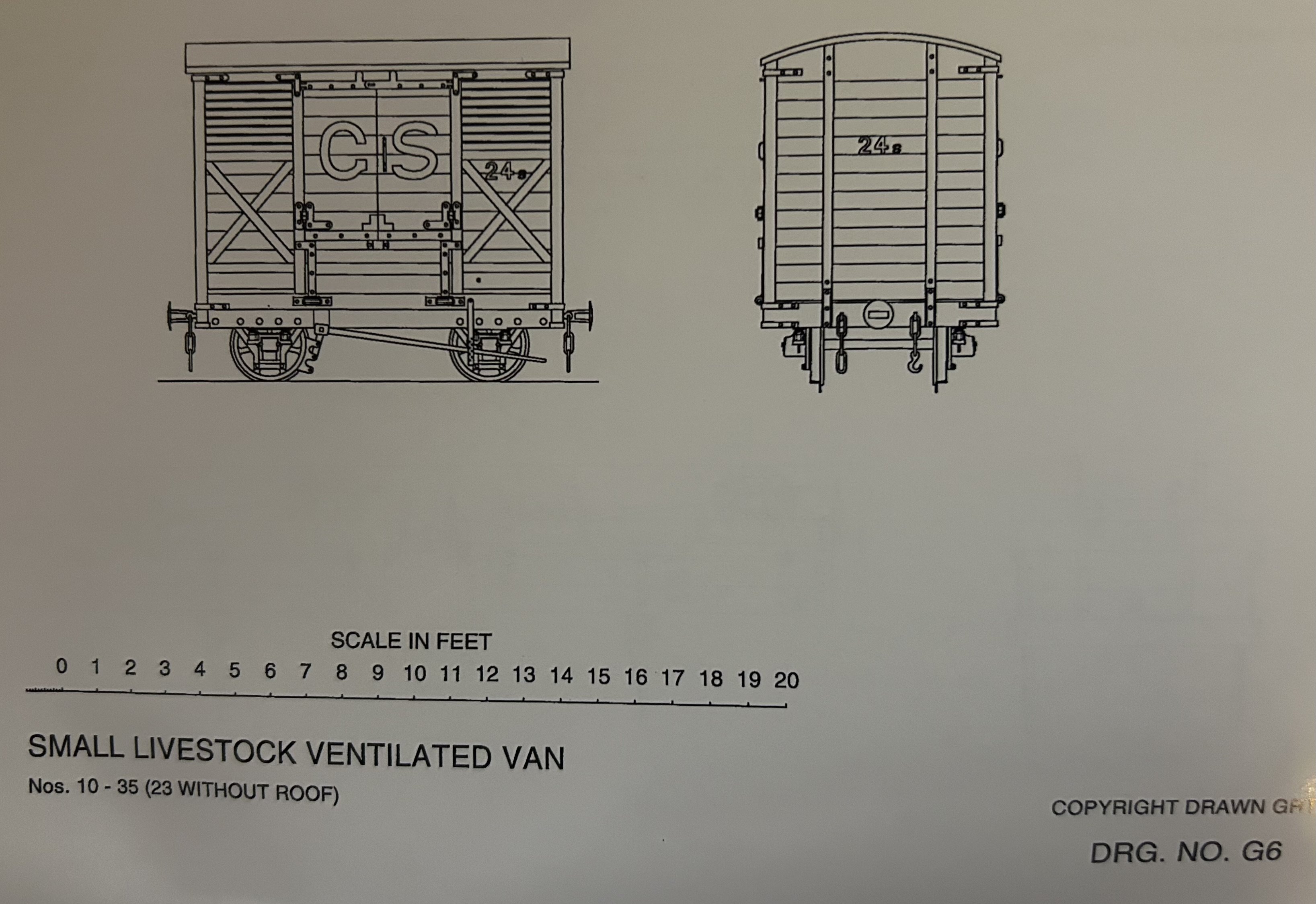
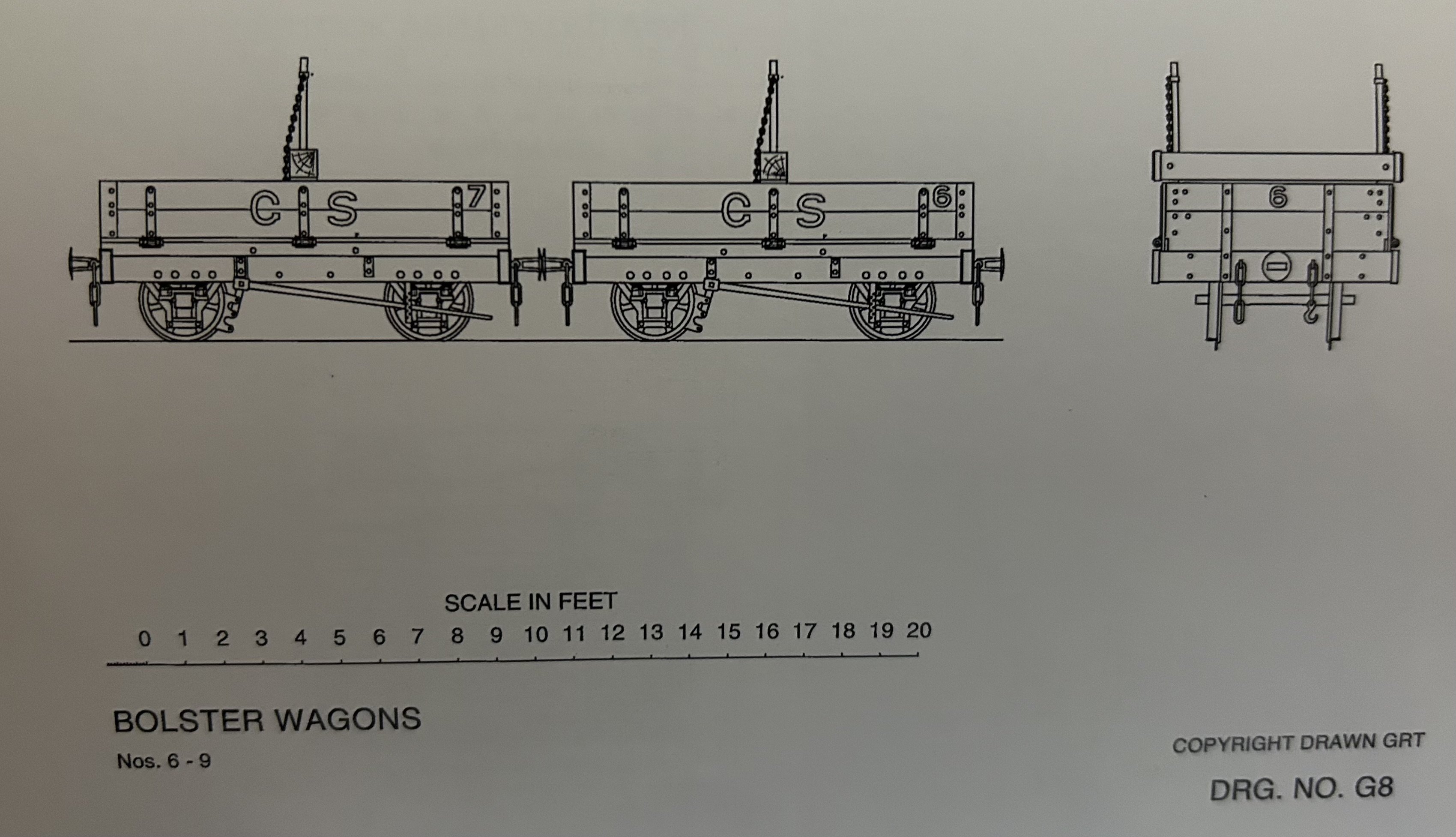
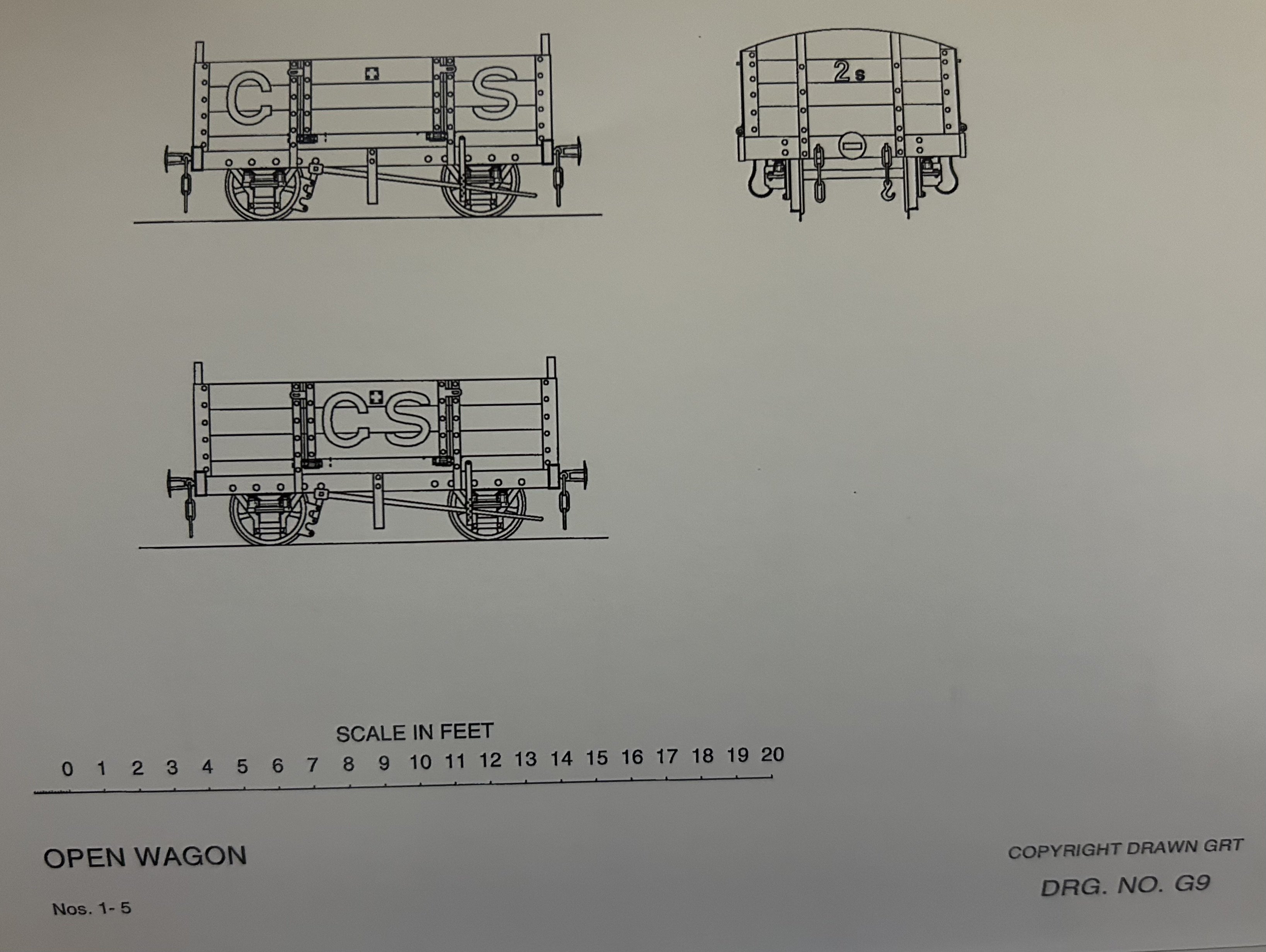
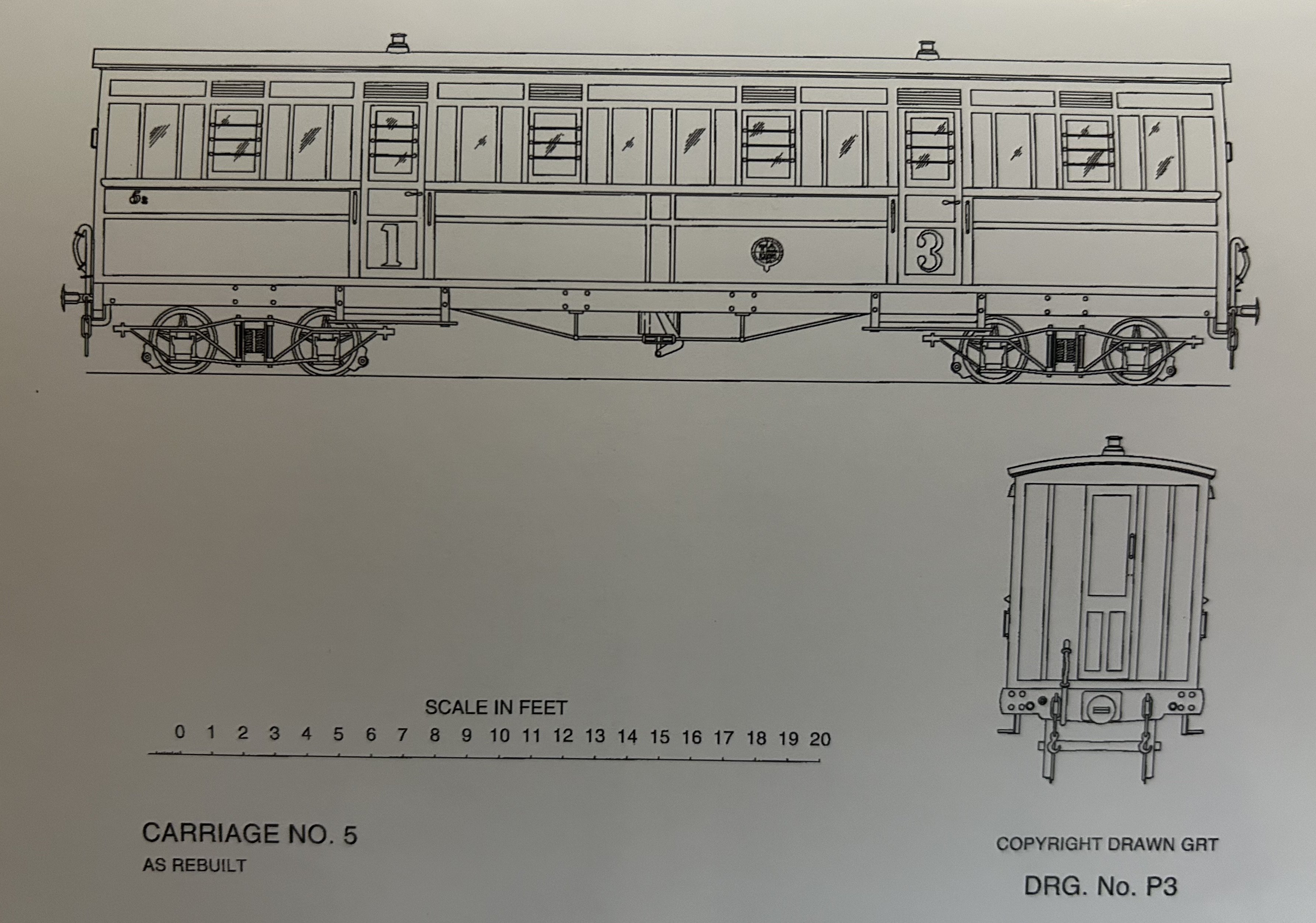
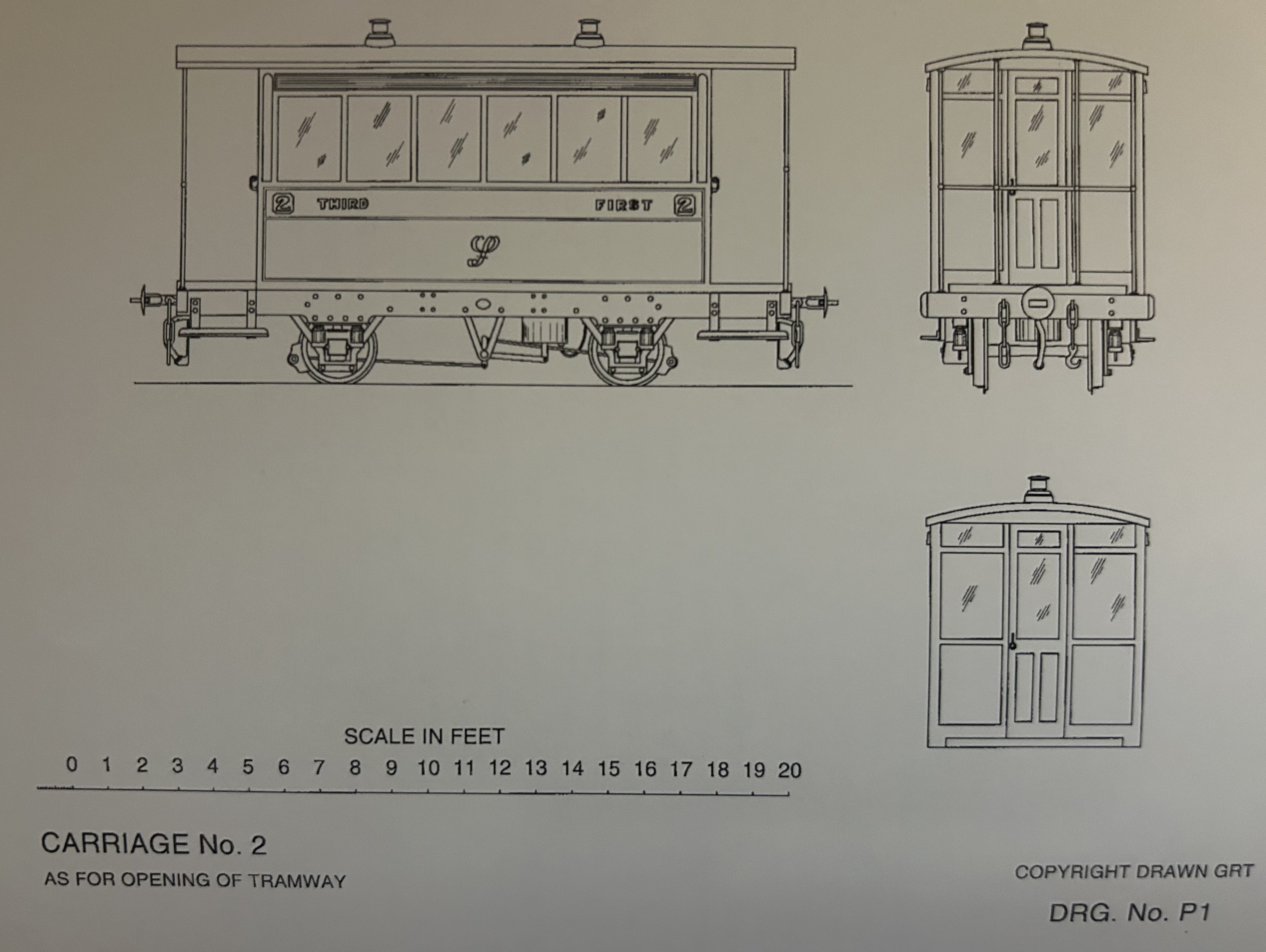
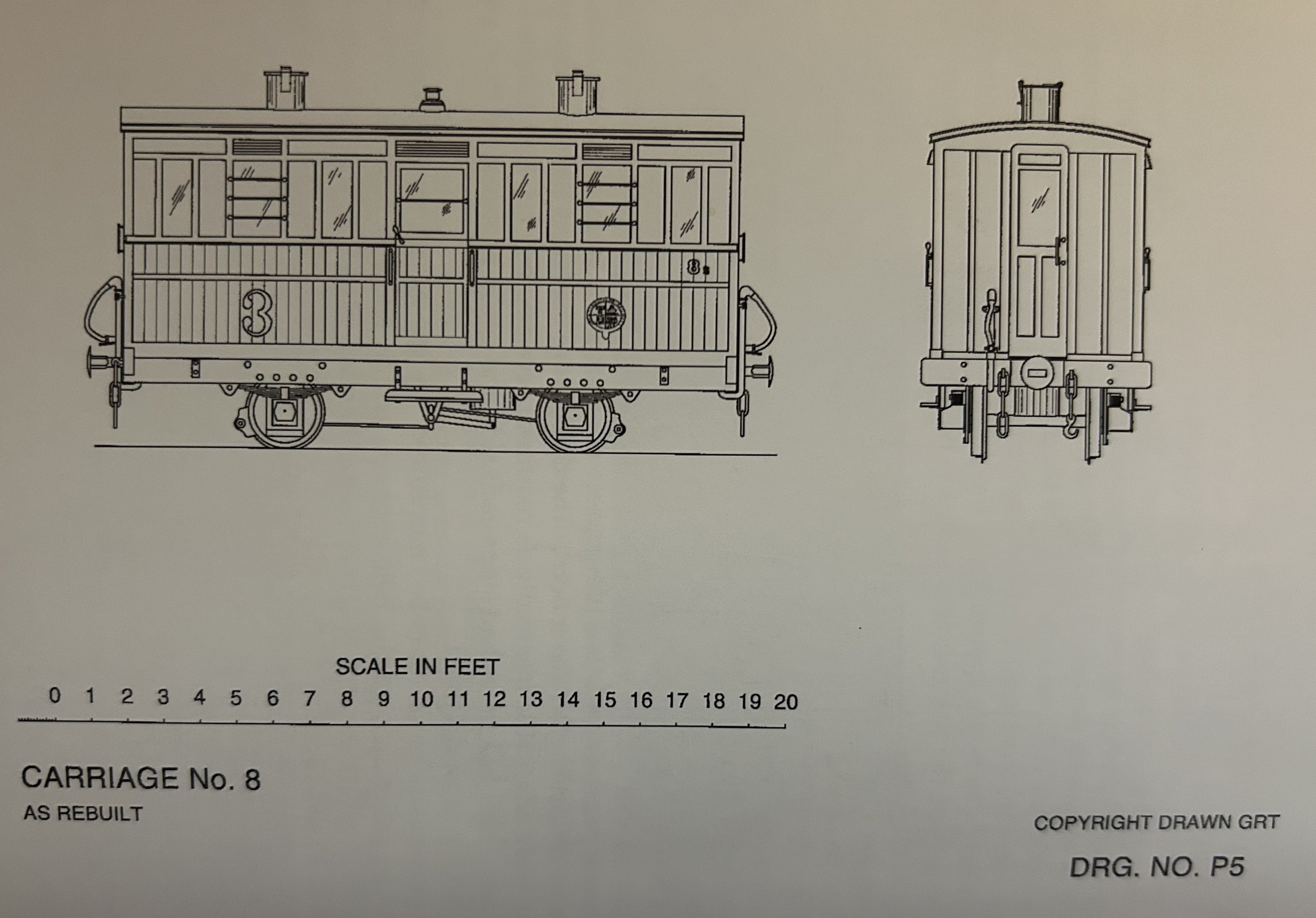
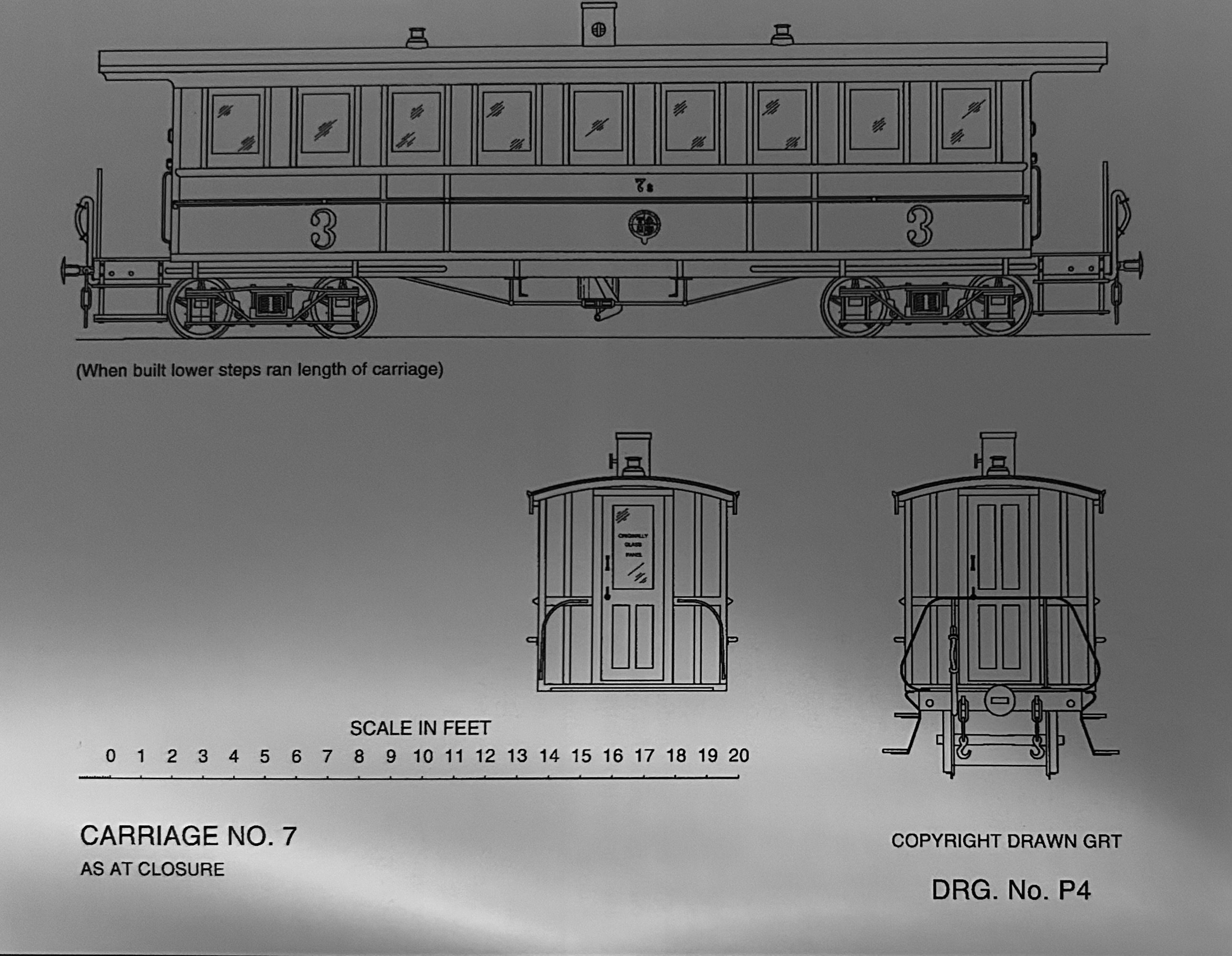
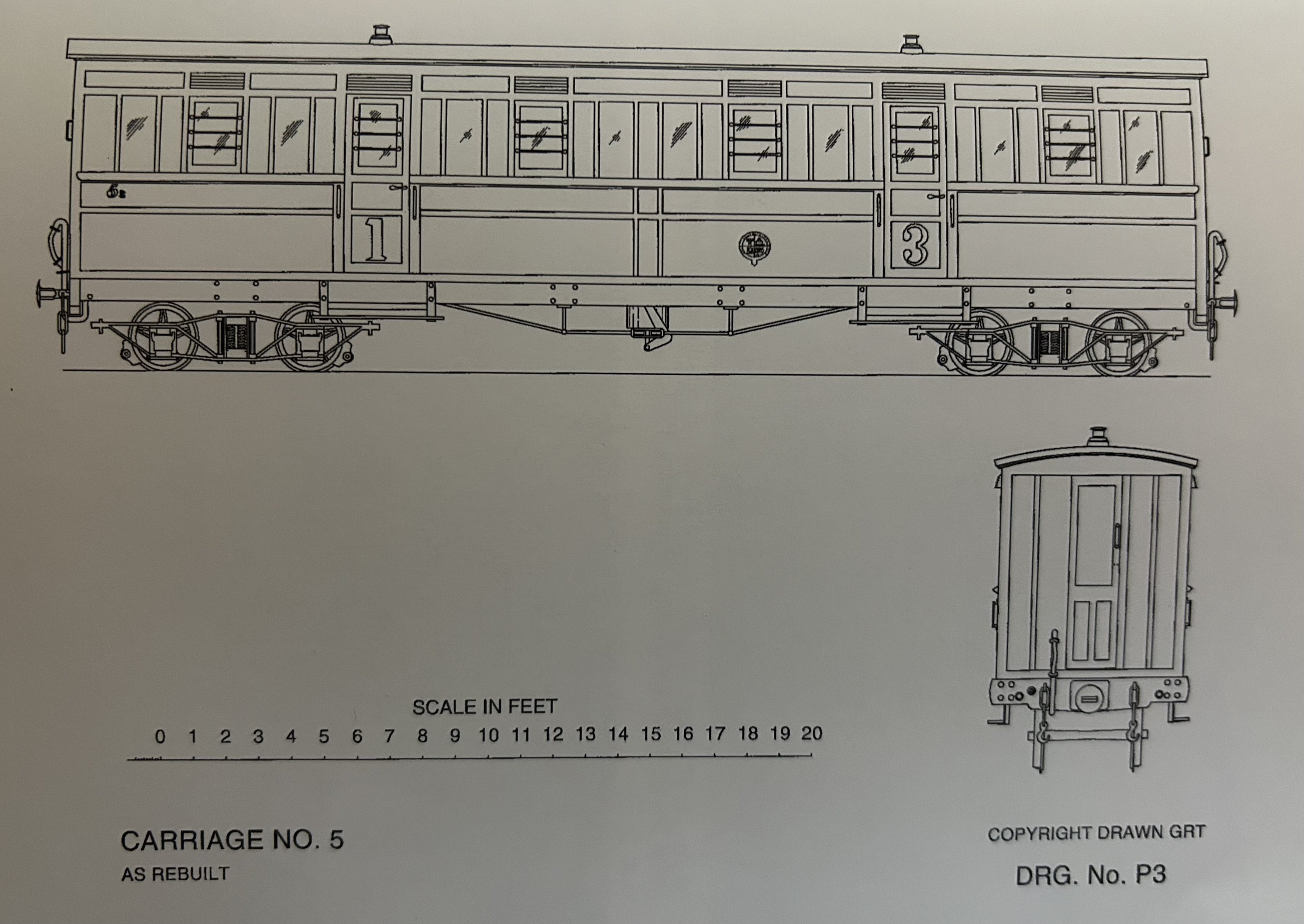
Probably better posted under “models”? Anyway, I can do better; herewith the entire rolling stock of the line. Can post livery details and loco drawings too if you want. James Boyd prepared these years ago, and I know would be delighted to hear they were being used. I’ll get you photos of the Fry models in the museum tomorrow.
-
Clogherhead - A GNR(I) Seaside Terminus
jhb171achill replied to Patrick Davey's topic in Irish Model Layouts
You have caused drooling in these premises..................!! -
Clogherhead - A GNR(I) Seaside Terminus
jhb171achill replied to Patrick Davey's topic in Irish Model Layouts
A thing of ABSOLUTE beauty! Pity one wasn’t preserved. -
National Library of Ireland publication permissions
jhb171achill replied to Mol_PMB's topic in General Chat
In one case I got petrol money, in another €100 in an envelope!! -
Carriages of the Schull & Skibbereen Railway
jhb171achill replied to Wexford70's topic in General Chat
I have drawings somewhere - will fish them out. -
From where?
-
National Library of Ireland publication permissions
jhb171achill replied to Mol_PMB's topic in General Chat
I ACCIDENTALLY included an NLI shot in a public talk I was doing, though not of a railway subject. I did that talk twice. I thought the image (of a stately home) belonged to another archive which I’ve full permission to do what I like with. …..I'm writing this from prison…….!!! -
Plus the oddball torpedo-shaped one at Ballycastle…. One or two in West Cork, I think.
-
National Library of Ireland publication permissions
jhb171achill replied to Mol_PMB's topic in General Chat
This very day I paid €20 for copies of two images, for a book. They didn’t ask for a copy. It’s quite a few years since I last ordered anything from them, but the only stipulation I recall was to acknowledge the source when publishing. -
Yes, almost entirely J15s for most of its life.
-
Not so much, no. The GNR had a few, though, but on both sides if the border (as it didn't exist when these things were put up). Lisburn still has one.
-
NIR Hunslet prototypical behaviour
jhb171achill replied to murphaph's question in Questions & Answers
I remember the "C" class being left idling for hours too - B209 at Loughrea when I went there. -
Swillyish pic of Senior's - no idea where, 1940.
- 78 replies
-
- 11
-

-

-
Looks very top-class so far!
-
Eagerly looking forward to seeing this beast in the flesh!
-
There’s virtually nothing correct about that van beyond the number of wheels! I'm afraid AI is absolute light years away from even the most basic accuracy in model design. Verdict: avoid, unfortunately!
-
I like many of your late cousin’s ideas, but that whole oul shtick about “the Brits built de railways to control us” - yes, I’ve heard it many a time! That particular one wouldn’t be a notion of mine!!!!
-
Indeed - you mentioned another important thing I had forgotten to mention - the absence of wealthy donors. Folks like this have been a HUGE factor in British preservation. Other than Lord Dunleath who provided massive support to the RPSI, nothing. A current start-up in the west has a wealthy owner, but neither money if its own or the slightest hope of ever being financially self-supporting. My prediction is that therefore it will ultimately fail when the owner gets too old. Thats happened before; West Clare. Tralee had local authority backing but still failed. Fenit, Cahir and Attymon never got off the ground. Westrail unfortunately went under too. Dromod survives because its overheads are a fraction of the others due to several unique factors - and an excellent outfit it is too. Let’s hope the T & D loco somehow ends up there. Small “pleasure lines” like Suir Valley can survive again because of low cost base, though calling it a “preserved railway” applies only to the trackbed. Long term, it might end up battery powered.
- 89 replies
-
- 2
-

-
-
- west clare
- narrow gauge
- (and 2 more)
-
I had no idea that one of those had survived!
-
It certainly is, but sound practicalities as mentioned must come into play from the outset for any such thing to succeed...
-
Exactly. Different culture. True. Without the May Tour in pre-Santa days in the 1980s and 90s, and the Santas since, it’s a bald statement of fact to say the RPSI would be long gone.
- 89 replies
-
- 4
-
-
-
- west clare
- narrow gauge
- (and 2 more)
-
Good points made above. The other thing - a huge "elephant in the room" is that compared to Britain, be it Festiniog, Strathspey or Romney; Dart or Severn Valleys, or North York Moors, there is NOTHING like the PERCENTAGE of the general population across the 7 million people on this island who have the slightest interest in anything railway-related. Comparisons with Britain are therefore always as irrelevant as they are misguided, if the idea is to propose a narrative that what succeeds there has a good chance of succeeding here. If I had a euro for every enthusiast opinion I had ever heard to the effect that some perceived preservation scheme would have even some chance of transferring from an enthusiast's idea to the cold light of day in terms on manpower, sustainability, skills, and market, I'd be very rich. I might declare a hand here; when on the RPSI management committee some years ago (1980-82 and 1988-2000) any time an enquiry came the way of the society in terms of available stock for a proposed scheme, or financial advice for such; and later doing consultancy work for a heritage company based in Glasgow, and also a few other things I managed to get involved with, I have been involved with feasibility studies for some 8 or 10 projects, stretching from Co. Carlow to Fermanagh; Co. Down to Wexford; Carlow to Clare. The financial aspect was my main focus - nothing survives without adequate finance on an ongoing basis; this is the primary stepping stone. Sometimes idealists will tell me "it's not all about money"; but it is. Try telling that to a low loader firm who wants to be paid for bringing an old carriage to the site, or the town printing firm who did your brochures. Money first, skilled manpower and market second. If those matters are not secure, anyone wanting to set up any sort of preservation scheme is wasting their time, and (at worst) deluding their audience. My financial background came from 37 years working in a bank, a fair portion of that dealing with business start-up loans, re-structuring of businesses in financial trouble and so on, plus a combined 20-odd years as treasurer of both the RPSI and DCDR, successively, including numerous grant applications. In both cases, their finances were in an absolutely dire situation when I got involved. In each preservation proposal case I dealt with, well-meaning folks saw what they saw as an opportunity for something to happen. I am in the process of making notes about the various schemes with a view to making this available to do a talk somewhere, but I am not sure if anyone would want to listen; it's dry, dusty stuff which to an enthusiast can often sound overly, and depressingly negative; but cold, hard realities are realities nonetheless. One involved two businessmen who had been on holiday in England and had seen the crowds on the Severn Valley in high summer. They came back believing that they could set up an operation like that in Co Carlow and make an absolute fortune out of it. After but one long phone call, exit stage left. That was possibly the least feasible; they actually had the cash to set it up, which is unusual, but zero knowledge of operations and an utterly unrealistic idea of potential market. They were not at all, by their own admission, railway enthusiasts. Even their proposed access to their site would not have got planning permission and would have been too small to get locos in anyway. The most likely to succeed would have been a 1.5 mile long section of the SLNCR at Belcoo, which Selwyn Johnston of Headhunters in Enniskillen had tipped me off about. I think I have described this here before. In the end, what shot that one down was an outright refusal of one landowner (in the middle!) to allow it to cross his land, as a result of a deep local dispute with another of the 4 other landowners............ So; to go back to my initial comment; with 7 million people on this island, we have one 5'3" line at Downpatrick, and even that received local authority funding for years due to an arrangement no longer possible to replicate. Britain has ten times that number of people, therefore, if the level of interest in Britain was at the same level as here, they would have 10. But, across Britain, there are some SIXTY standard gauge lines, as well as some FORTY narrow gauge railways. That's TEN TIMES the level of interest, per person, per railway, per mile, per locomotive. In OPERATIONAL terms, we have some three or four preserved steam engines. Britain has over 300. We have some dozen or so preserved diesels. Britain has OVER 1000. British heritage railways have annual turnover of some £250 MILLION. That's near enough €300 million. I doubt if that of the RPSI, DCDR, ITG and the smaller narrow gauge operators come to even one million. So what drives this? Well, that's obvious - a population ten times ours, with more money, and the most important thin g of all - a CULTURE, based on an industrial past which we do not, did not, and will not have. This brings me to my final point. That we do not have such a past is hardly surprising, as we were an agricultural economy largely. Harland and Wolff doesn't count, as all the raw materials were imported for that, and the finished products floated away. We have no oil wells, massive iron ore mines nor huge coalfields. The coalfields in Arigna and the Kilkenny / Kildare border area were coal cabbage patches, not fields, and short-lived at that. Thus, we have no deep-rooted culture pertaining to such things, as they might in Yorkshire, Tyneside, the Clyde Valley or South Wales. This translates to people's leisure interests. All told, what we have we are lucky to have. Any fledgling scheme now, especially in a remote rural area, has the dice very heavily loaded against it indeed, and as enthusiasts we might consider carefully the issue of supporting an established operation rather than something in a field, near nothing and nobody, and founded more through hope blinded by enthusiasm, than any root in practicality and sustainability. Lecture concluded 22:59....!!
- 89 replies
-
- 12
-
-
-

-
- west clare
- narrow gauge
- (and 2 more)


.jpg.e8c9da8b4b3385a14c65158a7b60aa07.jpg)