.png.c363cdf5c3fb7955cd92a55eb6dbbae0.png)
Galteemore
-
Posts
4,621 -
Joined
-
Last visited
-
Days Won
59
Content Type
Profiles
Forums
Events
Gallery
Blogs
Store
Community Map
Everything posted by Galteemore
-
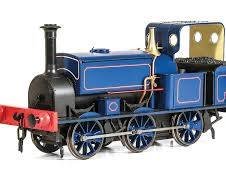
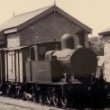 There’s been an upsurge in small O gauge layouts driven by the availability of small RTR locos such as the Minerva Manning Wardle - pic below. Indeed, I actually had one of these on pre-order before I threw away all my GB outline ideas and went 5’3”. A lot of people in GB have have ‘light railway’ style layouts to allow a variety of stock. Such a small tank would probably sell well to this market.
-
Hi Fran. That’s very fine work! Depends what the item is. If you are making, for instance, working level crossing gates to be motorised, then making them able to move is important, and may involve some compromise of scale to make it robust. Generally though, the emphasis in a railway model is scale fidelity. This is where physics comes in and some materials such as plastic have limitations - they are simply too fragile when very thin. The sunburst gate you have so beautifully drawn would work best as an etching on brass, which would be thin enough to get the right definition but also strong enough to stand up by itself.
-
Ernies Massive Irish 1930's to 2005 Photo Archive
Galteemore replied to Glenderg's topic in Photos & Videos of the Prototype
Lovely to see a sequence and know the story of what was happening ! Big Ds normally had very few passenger turns. -
Great plan and fair enough! Prob lots of top tips on RMWeb on the chassis. It’s not implausible to suggest that 101, which never actually left Swindon in reality, was regauged and transferred to Rosslare as part of the GW’s pre WW1 commitment to cross channel traffic. Come the GSR, the loco gets an Inchicore makeover….
-
First thing to think about is - what is the very nearest Irish loco it looks like? Or look at a company eg MGWR or GSWR and identify the ‘house style’. Key thing here is probably the cab, which would be a nice little plasticard exercise. Add a bunker while you’re at it. Chimney off a Dean Goods or similar will give a GSR look. NE or GC locos in UK had a door wheel, just like Irish locos, so you may find a 3d printer who can knock some of that stuff up for you. Many Irish locos had heavily riveted smoke boxes, so do look at sorting that. In terms of chassis, an ideal opportunity to make your own, with some simple suspension. Not that hard to do and will give you immense satisfaction
-
The Eagle Has Landed - NIR Hunslets Next For Accurascale IRM
Galteemore replied to Warbonnet's topic in News
Lots! Depends on what you’re interested in. Most recent books are effectively albums of photographs, with some commentary atttached- the era of text-heavy historical books really peaked in the 1970s. If you tell us what interests you most we can use the ‘hive mind’ of the forum to help. Michael McMahon’s intelligent photo books are probably a definite for you. -
Wow ! What a treat. Absolutely wonderful looking loco!!
-
Only guaranteed in this case
-
The Eagle Has Landed - NIR Hunslets Next For Accurascale IRM
Galteemore replied to Warbonnet's topic in News
Pulled Mk2s in various liveries. All sold out now I believe but give it time and they will pop up occasionally. Livery changed from maroon to grey/blue c1980. Never worked on Larne line except for ballast. We probably lived in Carrick at same time: I spent the 70s living in Downshire Gardens. -
Ernies Massive Irish 1930's to 2005 Photo Archive
Galteemore replied to Glenderg's topic in Photos & Videos of the Prototype
Delightful and sad simultaneously! Interesting to see nameplates have gone. -
And We Thought Only Locos Used Turn Tables!
Galteemore replied to murrayec's topic in Letting off Steam
I believe so -
And We Thought Only Locos Used Turn Tables!
Galteemore replied to murrayec's topic in Letting off Steam
They had it but was never installed. Presumably an pre-Ailsa plan that didn’t come off. -
And We Thought Only Locos Used Turn Tables!
Galteemore replied to murrayec's topic in Letting off Steam
Unterburg in Germany. Also had them in Bournemouth and Huddersfield -
And We Thought Only Locos Used Turn Tables!
Galteemore replied to murrayec's topic in Letting off Steam
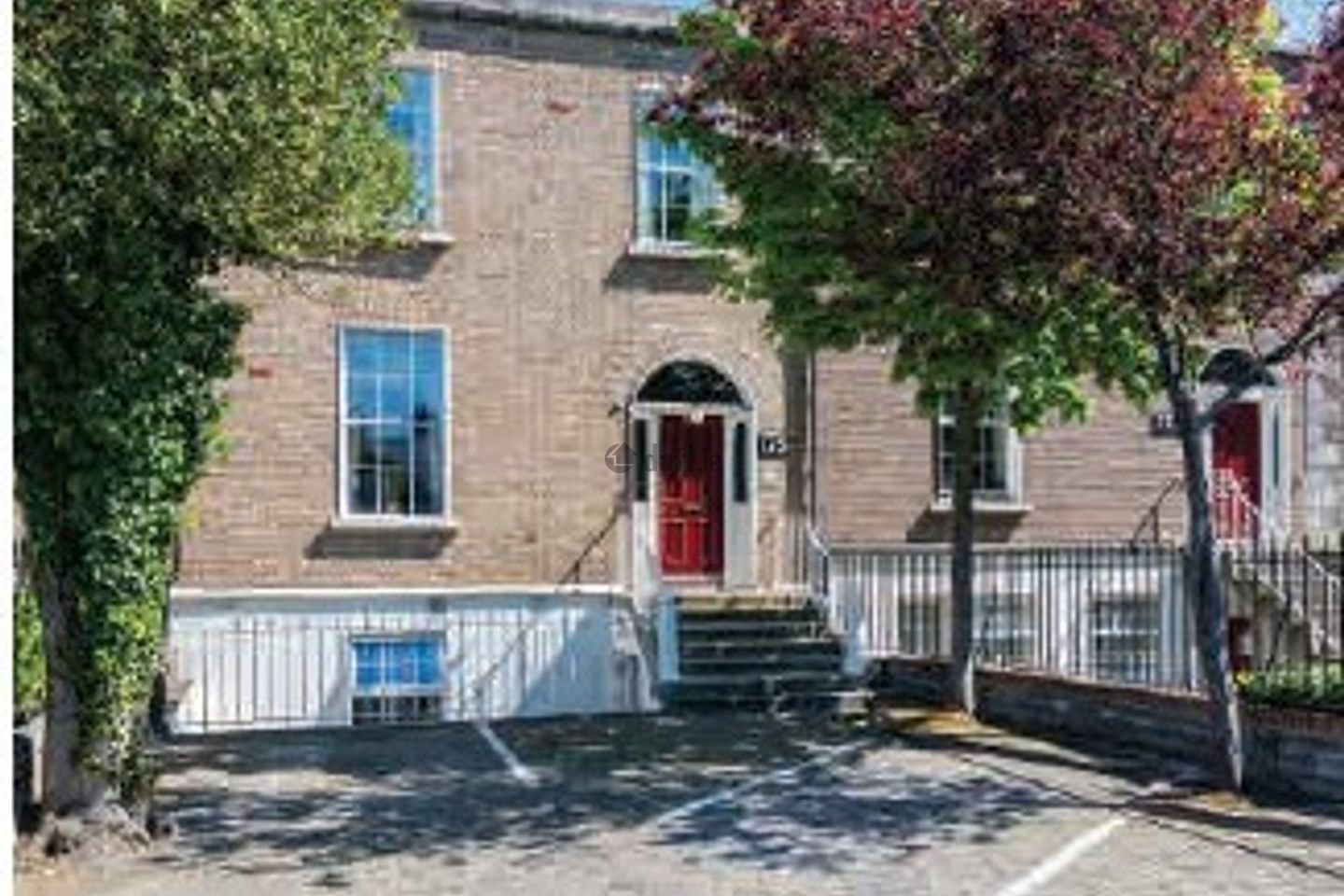
Looks like the forecourt of the place Mrs G and I rented in D6 about 25 years ago. Could have done with a yoke like that !
-
Not sure about that Noel Often pondered that a DCC module inside a spring drive loco could operate a variable governor, in addition to on/off and reverse switches. Would be one of the best ways to simulate driving a miniature steam loco, with that limited reserve of onboard power to be managed.
-
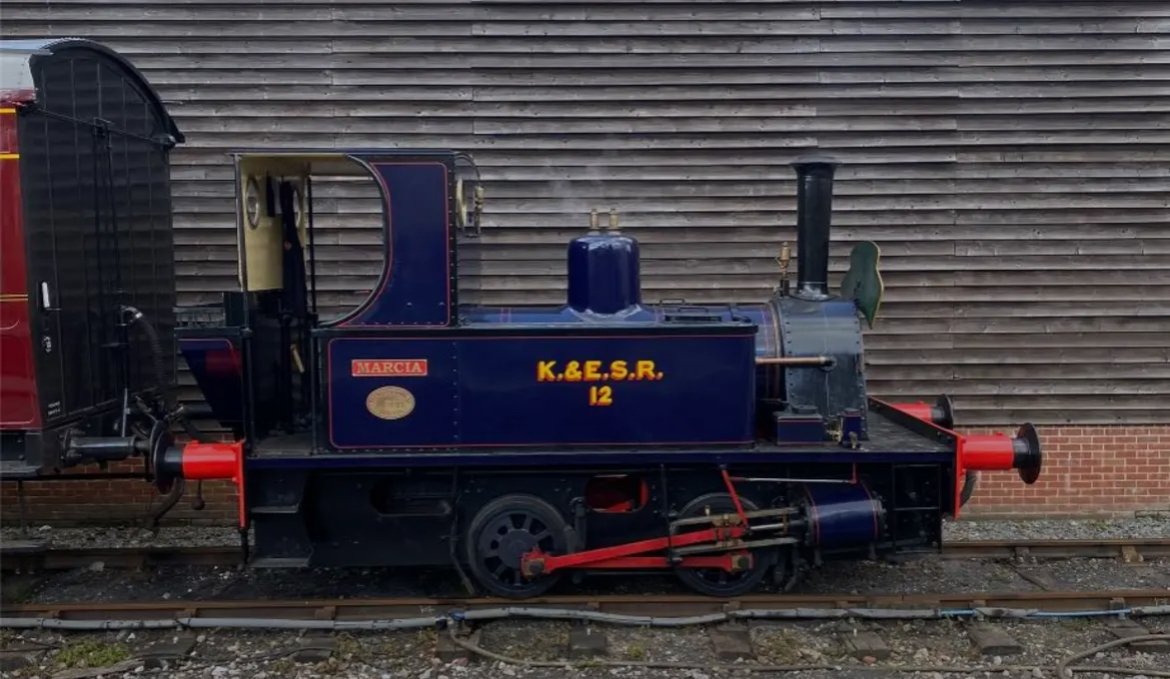
Very similar in outline to the KESR Marcia - a standard gauge likeness
-
Have a look on this forum for @Tullygrainey s excellent work building one
-
Pain to sort but worth doing. Looks great !
-
Dremel and grinding head is a key weapon in the 5’3” modeller’s arsenal. How many mm of footplate have I ground away.,..
-
That’s great. Many thanks Alan. Always trying to up my game !
-
Looking fab Alan. Sorry to go back again, but how did you cut out the footplate aperture so neatly? David
-
Yes, if you are using something like AJ couplings. When you propel a train with AJs, the buffers have to work hard.
-
Sprung buffers are of little use with tension locks, Patrick, but with more ‘sophisticated’ coupling systems they can be quite important, as they actually absorb the shocks of train movements rather than letting the delicate couplings take the brunt. Can also be of use on curves etc.
-
So sorry to hear this John. Thoughts and prayers for you and family going forwards. That was a very courageous act by your 15 year old.
-
Driving Wheel availability (4mm scale Irish steam locos)
Galteemore replied to Mol_PMB's question in Questions & Answers
You’re not wrong Alan. I have two loco projects in boxes ready to build with all the ‘rare’ bits already purchased and laid by. When I am planning a loco I buy wheels first, then distinctive, characterful things like chimneys and domes. That way I know it’s all laid by ready. Given how long it takes to build a loco, by the time you’ve gone from chassis to superstructure your favoured supplier may have stopped trading.