.png.c363cdf5c3fb7955cd92a55eb6dbbae0.png)

Flying Snail
-
Posts
866 -
Joined
-
Last visited
-
Days Won
3
Recent Profile Visitors
8,125 profile views



Flying Snail's Achievements






-
I think the Jeeps are very likely for the next steam announcement, but probably the C class is ahead of them in the queue. But will a new powered model be announced in Clontarf? I'd say its more likely to be unpowered. Maybe its not even rolling stock Aren't we due a footbridge sometime soon?
-
Willkommen Uli. Frau Snail ended up in a similar situation. Her excellent English left her stuck in Dublin with me. I agree with Mick - your layout looks very realistic!!!
-
 As the Dublin show is less than 2 weeks away, I wouldn't be expecting any news until then. Look out for the update at the end of next week.
 -
agree, I reported the post when I saw it (click the three dots on the top right of the post for the report option)
-
Thats a fine looking model!
-
Dunshaughlin Harvest Festival - Model Railway event September 2026
Flying Snail replied to MikeO's topic in What's On?
Looks like a nice event - good selection of models and layouts. Will it become an established festival event now, do you think? -
Wow! They look excellent!
-
Cork, Blackrock & Passage pre-1900 (5'3" gauge)
Flying Snail replied to Mol_PMB's topic in General Chat
There's also a faded picture of a bridge and the permanent way on the National Library's website in the Joshua H. Hargrave Collection. Not sure if its 5' 3" or 3' - I think its the former, but someone more knowledgeable can confirm: https://catalogue.nli.ie/Record/vtls000289089 -
Cork, Blackrock & Passage pre-1900 (5'3" gauge)
Flying Snail replied to Mol_PMB's topic in General Chat
The National Museum of Ireland also have a photographic reproduction of a photograph from the Locomotive Magazine, Engine number 1, C.B. and P.R. Sharp single tank engine No. 1. https://www.museum.ie/collections/collection/object-159691/?return=%2Fcollections%2Fcollection%2F%3Flimit%3D100%26page%3D3%26term%3Drailway%26media%3Dyes edit: it appears to be a reproduction of the same photo as the transportsofdelight one linked above -
Brass etches for Mol's GSWR 50ft GSWR third - ORDERING NOW!
Flying Snail replied to jhb171achill's topic in Irish Models
Here's the link to the main thread with details on pricing and ordering process https://irishrailwaymodeller.com/topic/19825-gswr-50-open-gangwayed-coaches/page/3/#findComment-284384 -
Interesting Early Irish Railway photos
Flying Snail replied to Westcorkrailway's topic in General Chat
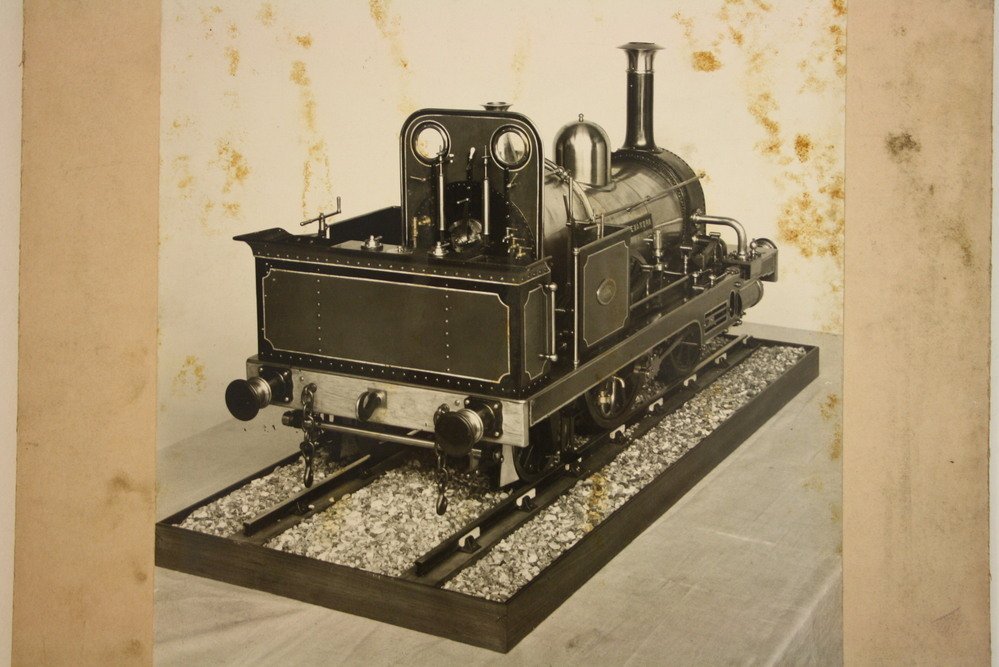
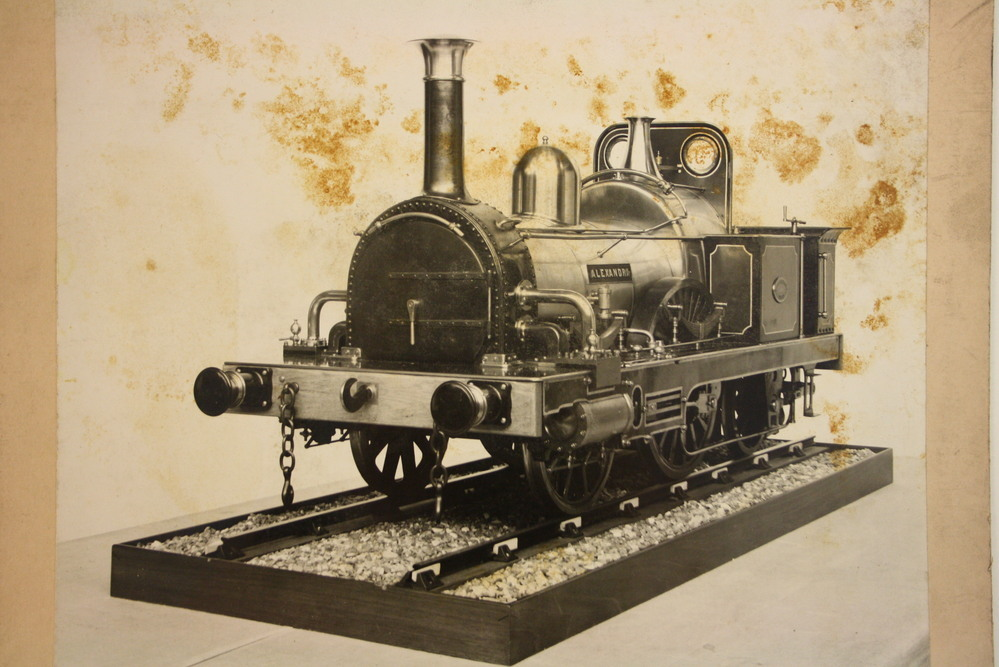
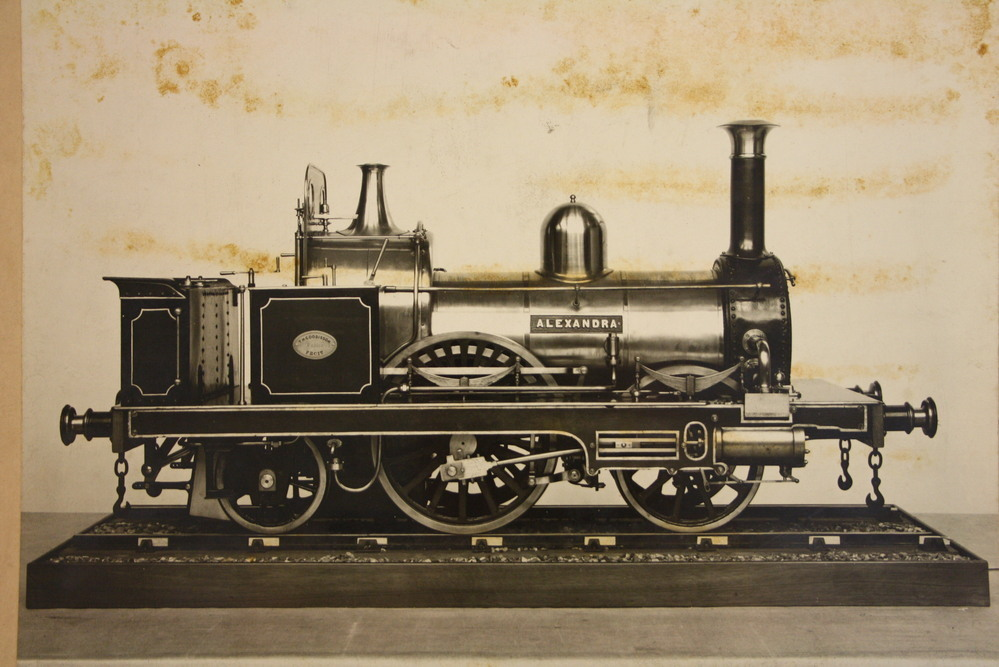
There's also some models, diagrams etc on the NMI website. This is a rear view of the Dublin and Kingstown Railway locomotive Alexandra: https://www.museum.ie/collections/collection/object-166396/?return=%2Fcollections%2Fcollection%2F%3Fterm%3Drailways%26limit%3D100 images of side and front views can be found there too. Here's a front view: https://www.museum.ie/collections/collection/object-159643/?return=%2Fcollections%2Fcollection%2F%3Fpage%3D2%26term%3Drailway%26media%3Dyes%26adv_sub%5B%5D%3DHistorical%2BCollection and here's a side view: https://www.museum.ie/collections/collection/object-166397/?return=%2Fcollections%2Fcollection%2F%3Fpage%3D3%26term%3Drailway%26media%3Dyes%26adv_sub%5B%5D%3DHistorical%2BCollection
-
Interesting Early Irish Railway photos
Flying Snail replied to Westcorkrailway's topic in General Chat
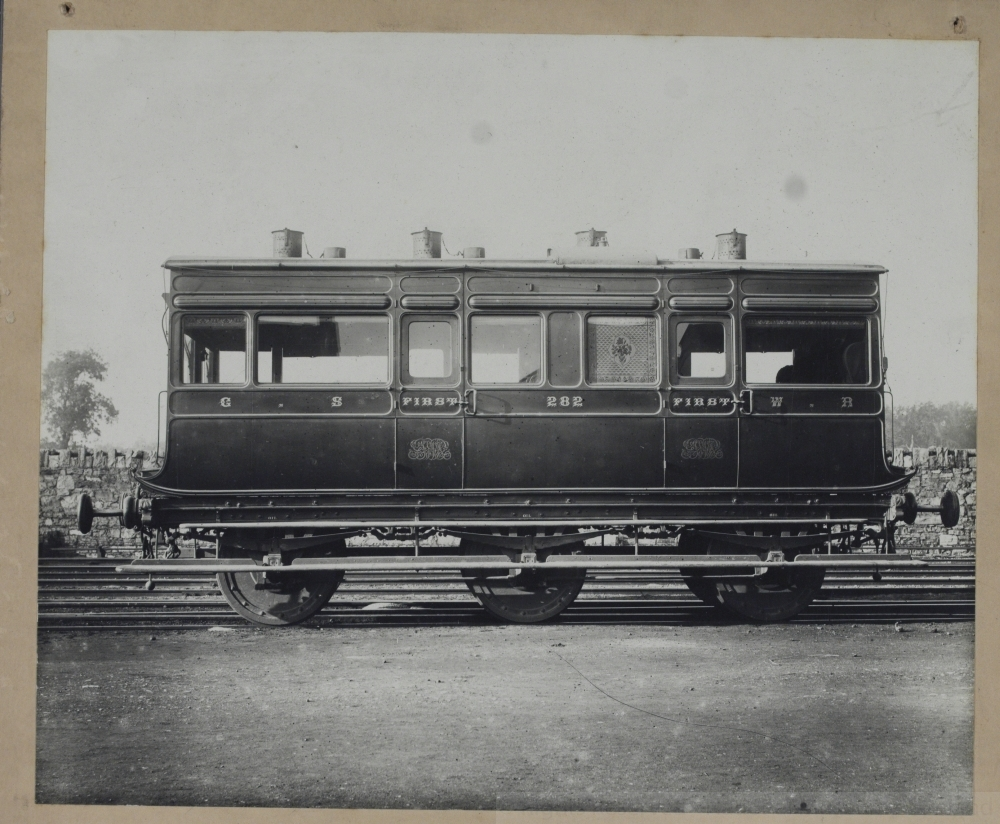
@cheesy_peas found an interesting railway collection on the National Museum of Ireland page (thread here) , and its thrown up some interesting images, like this one dated 1942 of GSWR 1st class carriage 282 https://www.museum.ie/collections/collection/object-166391/?return=%2Fcollections%2Fcollection%2F%3Fterm%3DGreat%20Southern%20and%20Western%20Railway%26media%3Dyes%26adv_sub%5B%5D%3DHistorical%20Collection
-
National Museum of Ireland, railway collection
Flying Snail replied to cheesy_peas's topic in General Chat
Looks like it .... the third image in that sequence has 'Pat' written on it too I've been having a play with this site and there's more images there than I originally thought - the original link cheesy_peas posted was for 54 items filtered for items associated with the GNR. If you knock off the filters, a search for "railway" then returns just over 250 items with a wider range of railways and subjects: https://www.museum.ie/collections/collection/?term=railway&media=yes&adv_sub[]=Historical+Collection -
They look great - crying out to be modelled indeed!
-
National Museum of Ireland, railway collection
Flying Snail replied to cheesy_peas's topic in General Chat
... and here's something for the bus aficionados: a tin plate bus repainted in yellow with 'CIE Cavan' added https://www.museum.ie/collections/collection/object-11020696/?return=%2Fcollections%2Fcollection%2F%3Fterm%3DC%C3%B3ras%20Iompair%20%C3%89ireann%26media%3Dyes crude but quaint ... it must have many given many hours of pleasure to some Cavan child fadó