.png.c363cdf5c3fb7955cd92a55eb6dbbae0.png)


Colonel
-
Posts
300 -
Joined
-
Last visited
-
Days Won
3
Content Type
Profiles
Forums
Events
Gallery
Blogs
Everything posted by Colonel
-
To me, the whole idea of a mixed media kit is what modelling is all about: choose the most appropriate materials for each part. Likewise using solder or glue to join them, as appropriate. Just because something can be 3D printed in one go, doesn't mean it has to be. And as is said above, the real things went through many changes over their lives, so far better to have the separate pieces to accommodate this.
-
Swillybegs was at the Dreamworks 1:1 at the weekend. DreamWorks is of course the Hornby factory in Margate but the 1:1 part is special as it is a a collection of full size stuff that currently opens only one day a year. It must be the closest thing to the show that Cultra used to run, because of being among the real locos. The ground floor includes a Eurostar loco, Deltic 9016, Royal Scot 46100, a Hall 4-6-0, a breakdown crane and a 4SUB EMU. Below that are working layouts in 0 and 00, alongside display cases of large scale models. The mezzanine above has the restored Gresley beavertail observation car, plus a small selection of motorbikes, cars and a tank! There are also many five inch gauge locos too. I was there with the Chatham Club, plus several other ones who brought layouts and stands from some of the local preserved railways. It really was a splendid place to be, but though I took my camera, I'd left the memory card out. Took pictures on my phone, but at the moment can't get them transferred to my laptop. Hopefully will post some later...
-
Was only wondering the other day how long he might continue - being of a certain age. A vast resource for 7mm scale. Let's hope someone will come in to take over. We really are close to a major tipping/watershed point in the hobby.
-
Indeed! When you think about it, the majority of most models can be broken down into basic flat shapes and strips. Even a steam loco boiler is just a rectangle, rolled into a tube, though streamliners are another matter and likewise some diesels. Many wagon bodies are just two sides, two ends, a floor and various amounts of strapping. Coaches can be far more complex though, with lots of repetitive marking and cutting out out, just to create a couple of sides. The real issue with scratchbuilding versus kit building is all the other bits: Buffers: so many different shapes and sizes Boiler fittings: chimney, dome, safety valves, etc Bogies, springs, axles boxes etc All such things are complex shapes and while they can be made, the amount of time needed becomes exponential compared to being able to buy a few whitemetal or brass castings. Now, while Allen's stuff gave us a start on creating a model, it still left the problem of making or sourcing all those difficult bits. And those difficult bits are getting harder to find, partly because of the boom in rtr, partly because many of those who made them are no longer with us. For me, the ideal scenario would be for those with the skills to begin creating a library of CAD files for these complex parts. With the price of 3D printers now looking quite reasonable, I'd certainly buy one of I knew there were files out there that I could buy to print my own stuff - especially if such files were to be found in a few central places. I suspect the main problem with the above, is that there are not enough people that interested a scratch building to make it viable. Or are there...?
-
Excellent info - thanks folks. Often wondered if Kenmare might make a decent model, but not in 7mm scale it seems. At least not in my house!
-
For anyone starved of space Iain Rice devised a splendid set up with three small freight yards on three fully enclosed baseboards stacked vertically on a wall, one above the other. The link was a simple cassette, lifted up or down to move the train between them. This gave the effect of a goods branch in linear space of less than 2 metres, plus the cassette. A simple idea, all on one level is to use a basic oval, with a back scene down the middle. This divides the oval into two separate scenes, but does of course require access to both sides.
-
Lovely stuff, as always. Photos of Kenmare always seem to focus on the platform area, with the attractive background of the town itself, but presumably the must have been a goods yard and loco facility? Are there any pictures of these?
-
Funny you should say that....
-
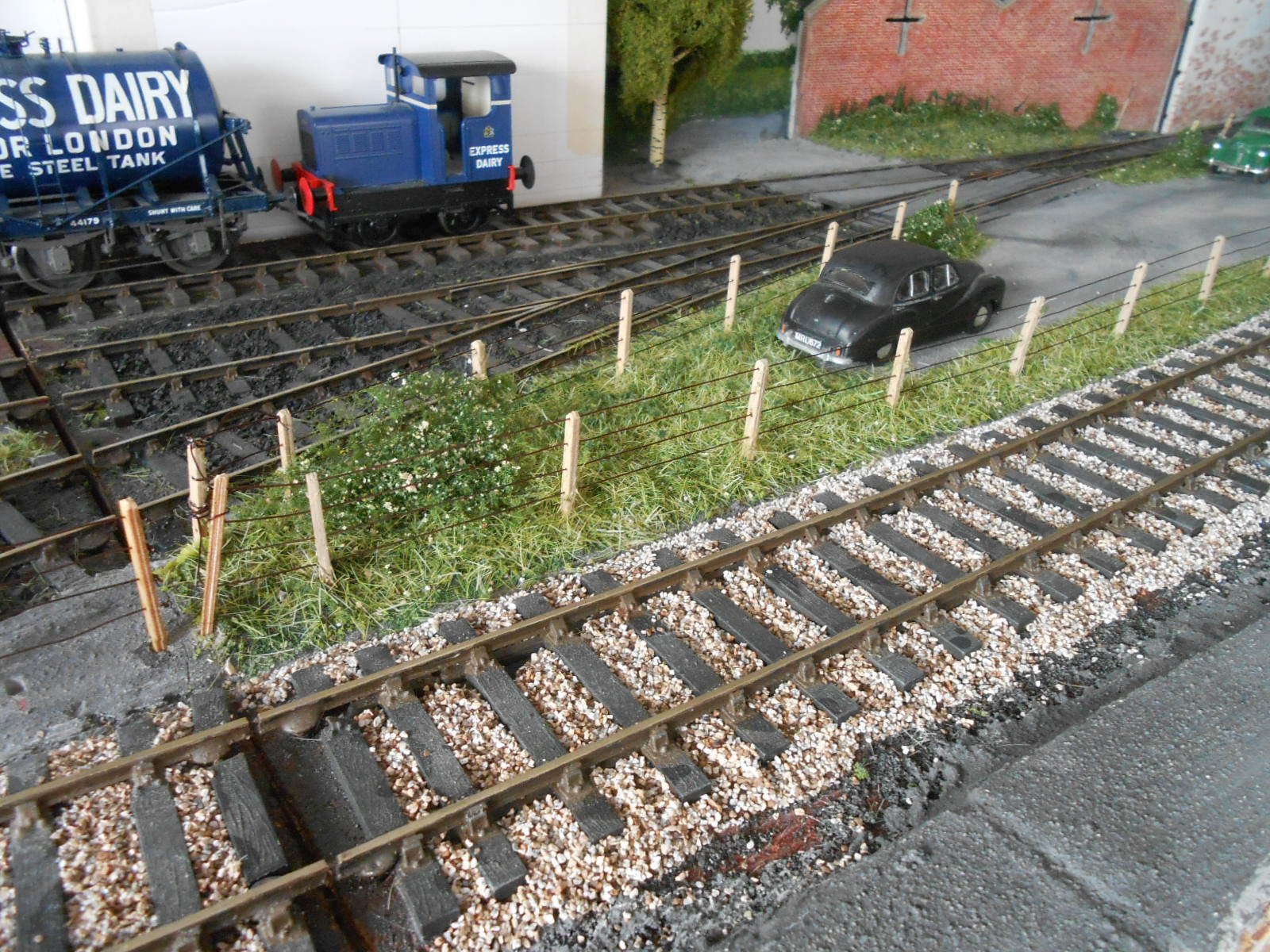
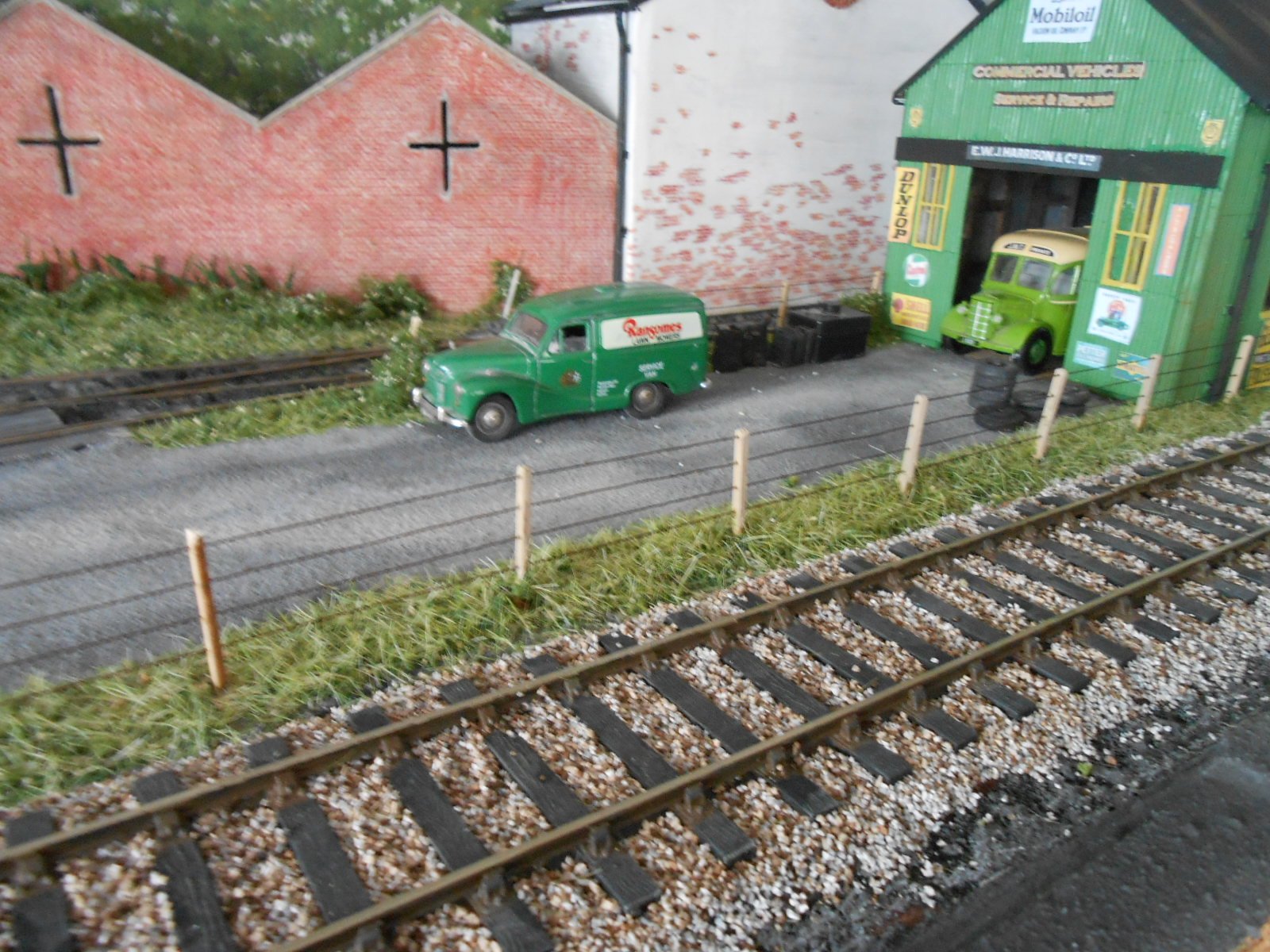
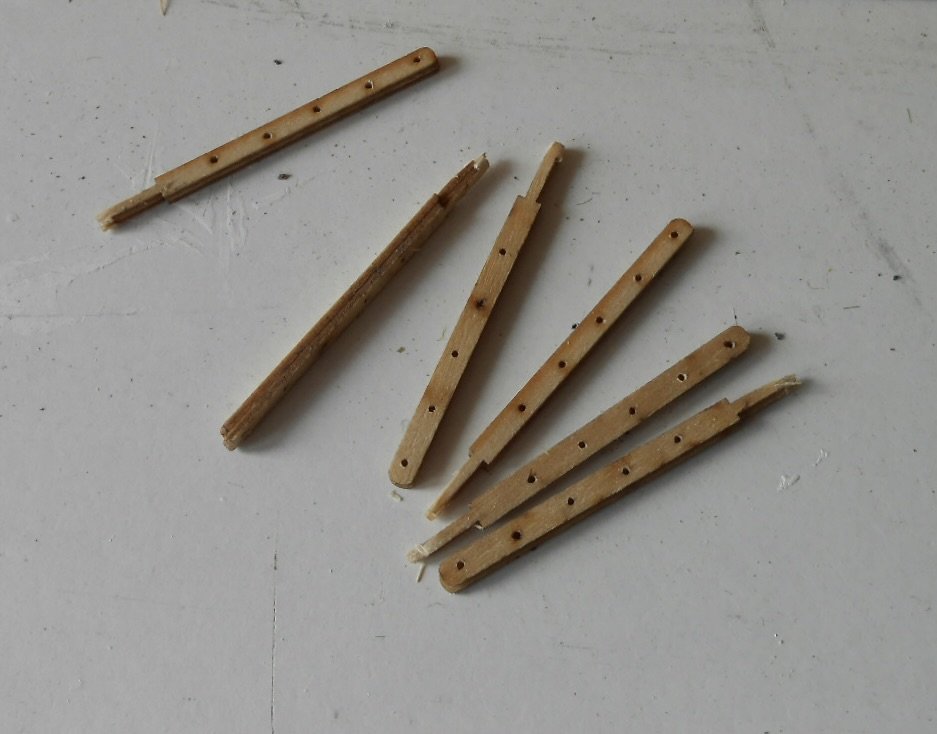
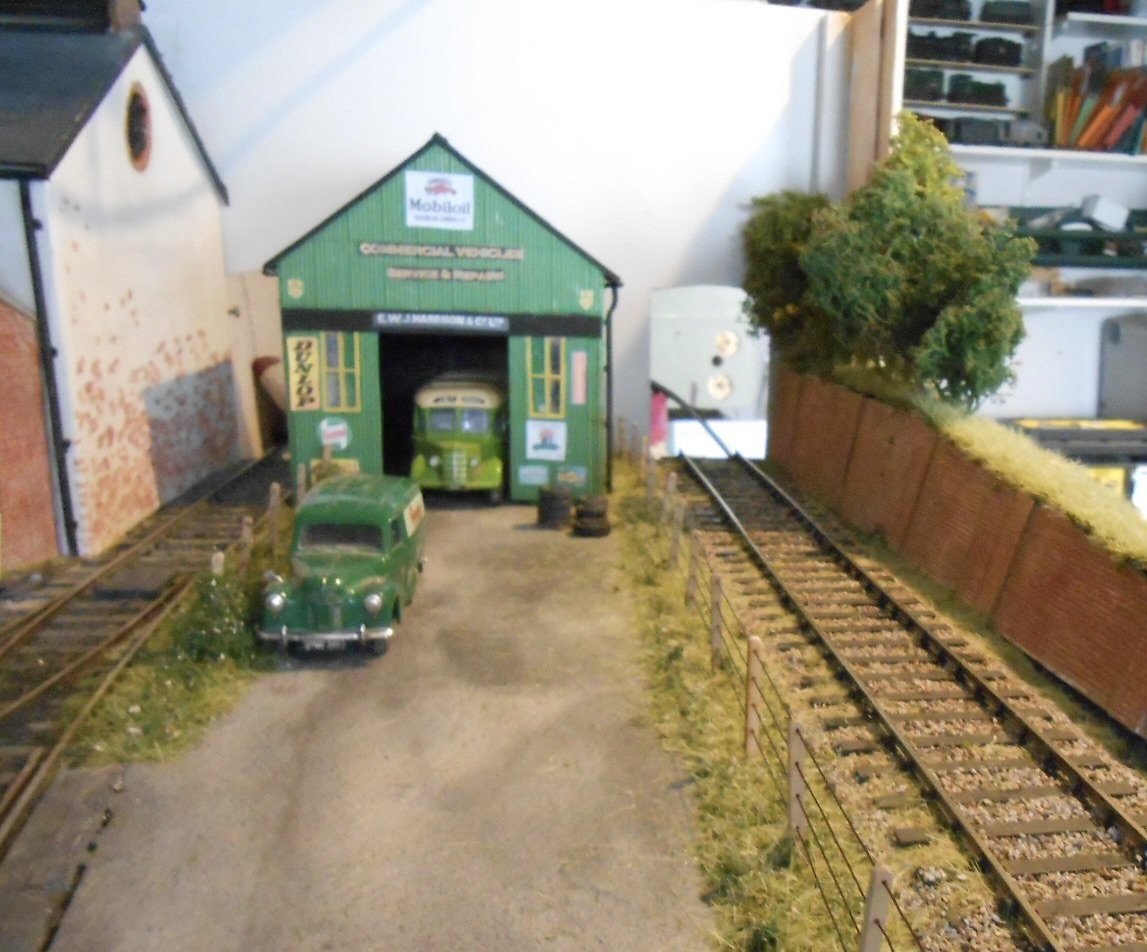
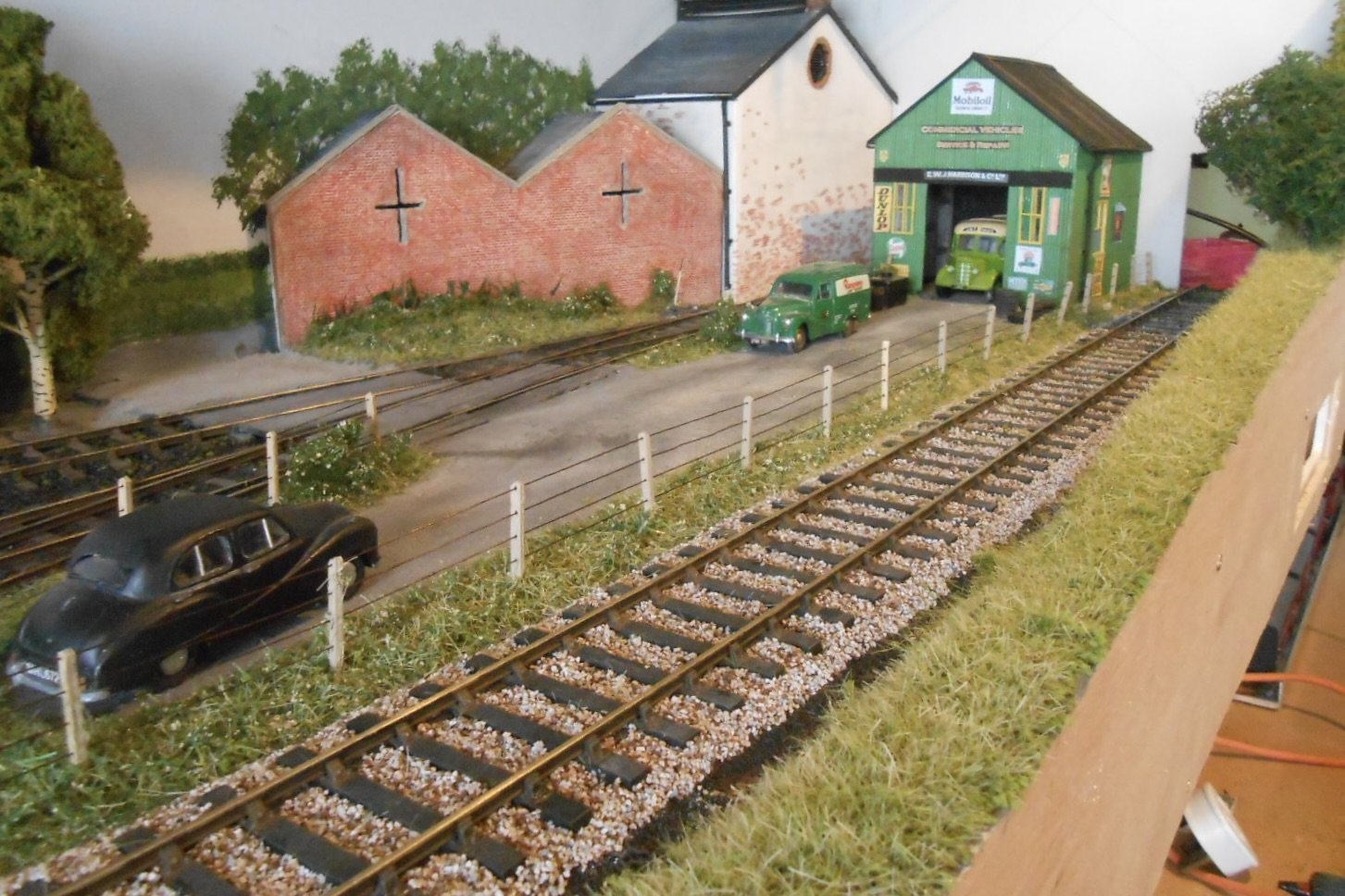
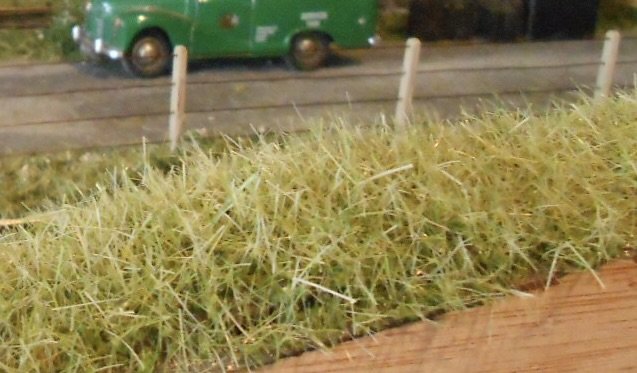
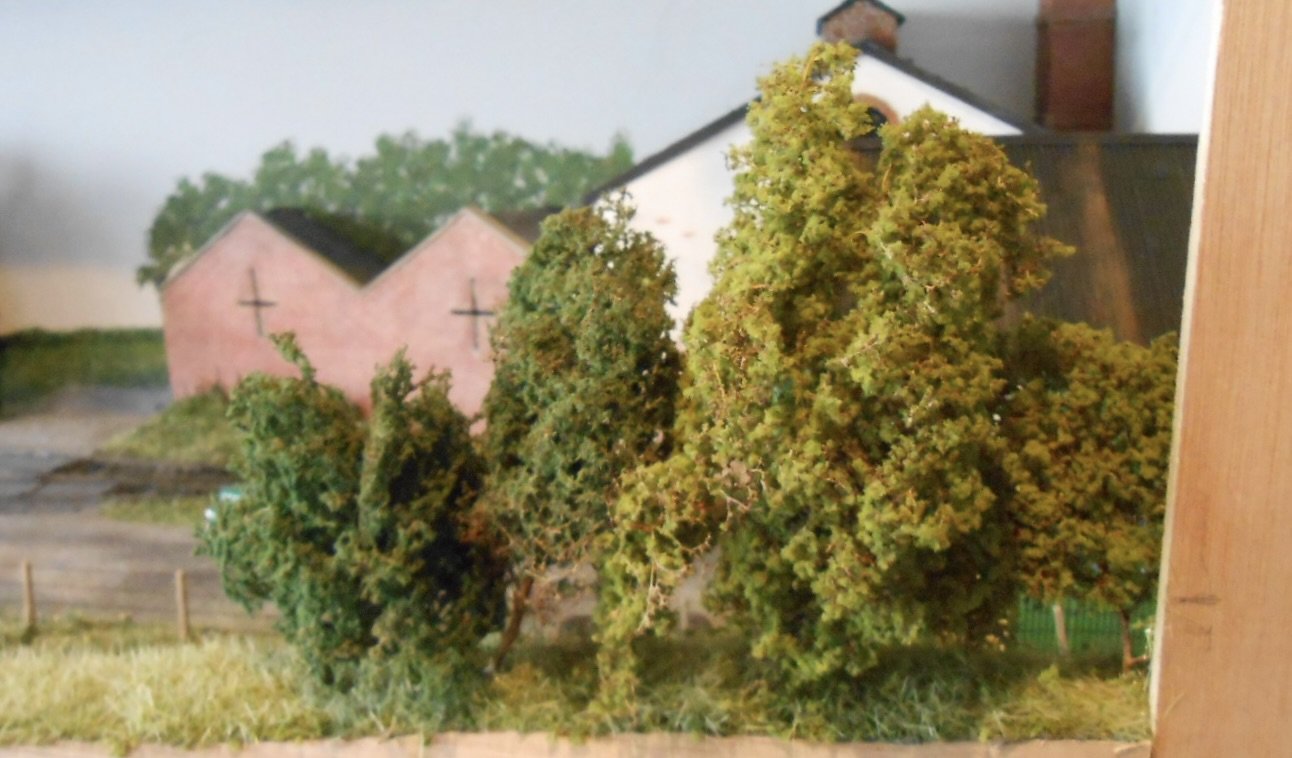
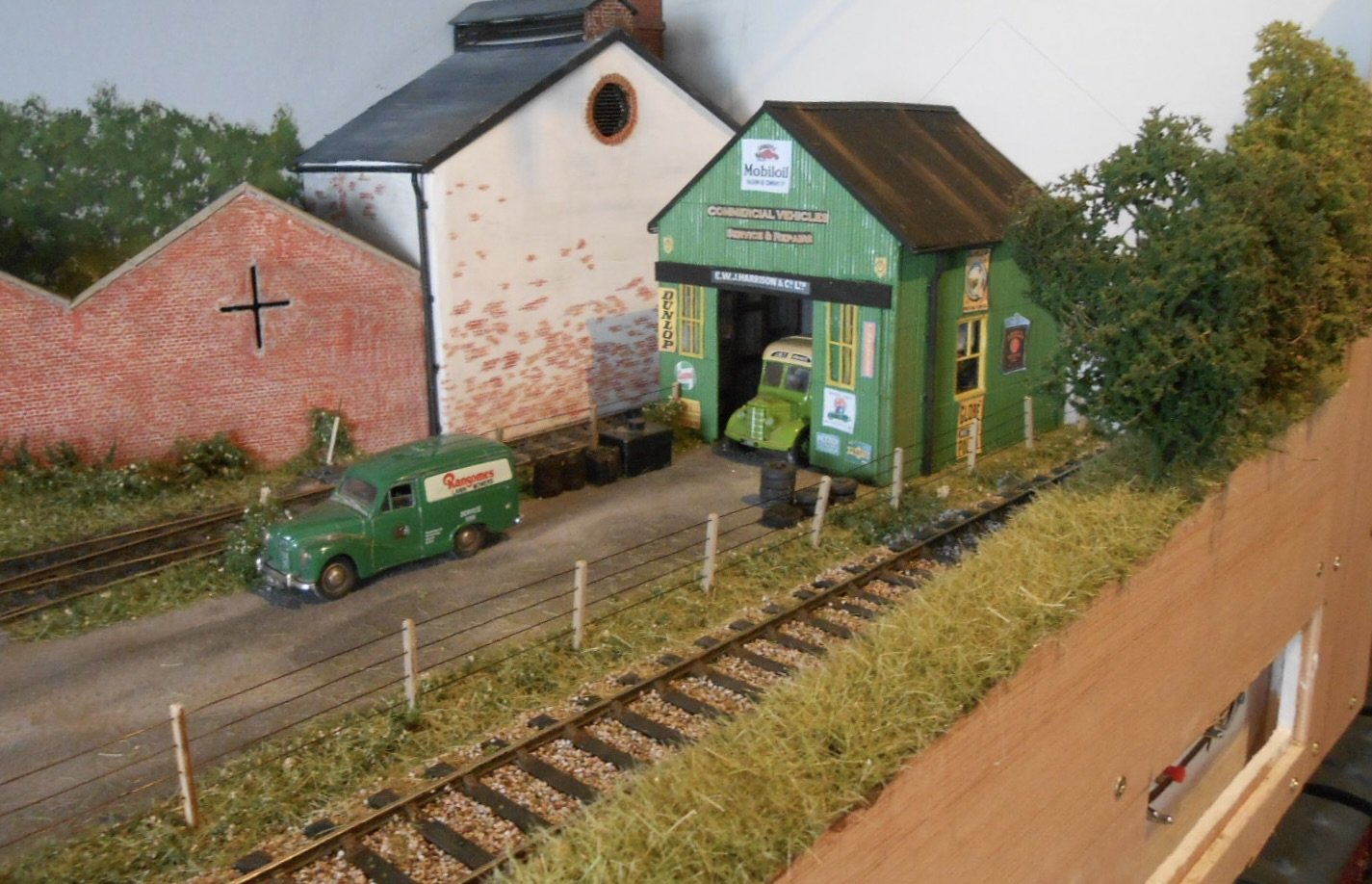
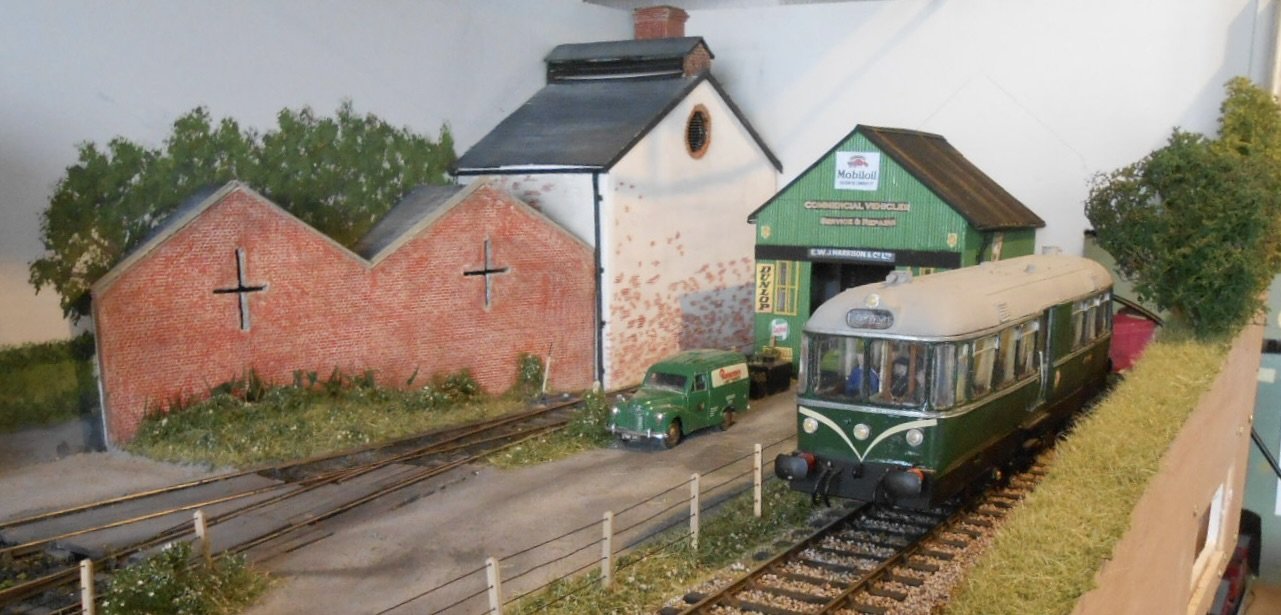
After the trials and tribulations with Swillybegs, it has been nice to do something scenic for a change. That said, ballasting not my favourite occupation, but needs must. The usual method of dilute pva via an eye dropper. The only thing I will say is that the ballast is three different colours of fine Woodlands Scenics, which for me feels just right. The gap at bottom left is the baseboard join, so will be done a little later to minimise the join. Another thing that was even more tedious was the fencing. I got it via the web: it comes as a pre-drilled fret of laser cut ply posts, with thin wire. However, I substituted fishing line for the latter. Either way, threading this through the pre-planted posts was no fun, though the effect is quite pleasing. To complete the right hand side of this cameo, I needed to think about how I was going to hide the hole in the sky where the main line exits. The space between this track and the fascia is quite narrow, so in the end decided a shallow cutting, reinforced with some brickwork should do the trick. The latter uses the same Howard Scenics card as some of the buildings, though this will be pretty much invisible from the front. Once this substructure was in place then it was the usual case of an initial covering of polyfilla mixed with paint and pva and then once this was dry, a covering of medium 'crumb' was glued on top. After that out came the static grass machine, filled with varieties of long, light coloured fibres. These need some titivation to simulate weeds and other plants, but with a further spray of hair lacquer another pass with the grass machine adds nicely to the length & depth. Have used some 'sea foam' by Forest in a Box to hide the hole in the sky with some basic trees and scrub. Once sprayed with a brownish grey colour then more hair lacquer, they are dipped in different grades and colours of Woodland Scenics crumb for a surprisingly quick finish.

-
Alan's grubby little shunters thread
Colonel replied to Tullygrainey's topic in British Outline Modelling
Very nice! Must pay more attention to other threads... -
Makes you wonder how many more of these part-works are stashed away like this, or indeed how many never collected the full set. It will be nice to learn about this one's progress though.
-
For solo operation, the American short line concept is an interesting one. Their layouts are often big, occupying the whole basement, but the idea is that a single train (essentially a pick up goods) runs the whole, multi depot line, picking up and dropping off box cars along the way. Add in dcc sound, along with a brake simulator on the controller and operation can become extremely realistic.
-
I think you need to plan for lighting on three levels: General, for the whole space, so that you can see what you are doing during construction, but also dimmable for later. Layout - much more specific, with LED strip being ideal. For example, if you are including back scenes, you don't want to see shadows of buildings on the sky or distant hills. An ideal set up is usually an overhead strip on the centre line of the baseboards, plus another one inside a pelmet (set a couple of cm in front of the layout outer edge) to cut shadows on the layout foreground. A pellet works like a picture frame and blocks out any unwanted sights that can spoil the scene you have created. This needs thinking about during layout construction, but not really needed until a section is finished as it could get in the way of track laying, scenery etc. Workbench/maintenance area, where bright lighting is always important. However, note that if/when you are painting stuff, this should always be done under the same lighting conditions as on the layout itself, otherwise you may well find that colours suddenly look different.
-
The decline of the local model shop is matched by the decline in what they can offer. With everything ever more ready to run, kits and especially scratch building materials are harder and harder to find. Plus since the demise of Maplin, a local electronics outlet is rare too, so basic stuff like layout wire, switches and connectors all have to come from on line orders.
-
An explainer for the Kirby Uncoupling system, may be useful.
Colonel replied to LNERW1's topic in General Chat
Works well enough with an electro-magnet and from a visual aspect, not a million miles from a narrow gauge 'chopper' coupling, especially in 7mm scale. For something much less visible, the Spratt and Winkle is a good compromise. It will work well on tighter curves and in goalpost (rather than bar across the buffers) mode is quite hard to see. For me, tension locks on any model, but especially fine scale ones, are just so ugly. -
On our first trip to Ireland we were driving back from Limerick towards Dublin and found ourselves following a loaded cattle lorry. It was springtime and the beasts had obviously been feasting on the fresh, new grass - so much so that a steady stream of wet, brown slurry was coming from the back of the lorry. I stayed a prudent distance behind and nobody tried to overtake me... When we got to the next town, it was clearly market day and a small traffic jam had built up. Pity therefore the two ladies, who had just finished sweeping and cleaning their front steps only to watch in horror as a sizeable small pond of slurry formed, right outside their houses...
-
Love the Gaelic spelling and unlike some words, you have to wonder why the four letter version was ever needed.
-
"Voiding the Warranty" - Mol's experiments in 21mm gauge
Colonel replied to Mol_PMB's topic in Irish Models
Half a mil out - shocking! Looks great to me and a fine range of liveries and weathering too. -
Lovely stuff - just need another 20 or so to make up a full train! Finding enough cattle to go in a train is no joke. When I did my rake of five, options were limited and as well as being heavy, Slater's whitemetal ones worked out at £3-4 each. Then you'd need a dcc chip for sound effects, not to say something smelly under the layout as well...
-
The final whistle celebrations even made it to Radio 4 this morning! The curse is broken at last.
-
Very true Alan! It can be hard to rationalise why anyone would dismantle their layout, bounce it over potholed roads to an alien environment, reassembled it and then run it in public for seven hours or more only to then reverse the process and take it home again. We do though, probably because underneath it all, there is a quiet satisfaction in creating something that others might want to admire. Talking with people at shows is always enjoyable, from how you make things to trying to explain scale/gauge combinations and all points in between. You learn a lot too. For anyone considering getting into exhibiting, I would suggest joining a club or group and then volunteering to help at a show. That way, you learn about all the preparation that goes on beforehand and well as stuff like operating in public - which is very different to doing it at home. I think many exhibitors are closet thespians at heart because you are very much putting on a performance, one where you even build your own theatre before setting a scene and telling story. And when the muse takes us luvvies, the show has to go on!
-
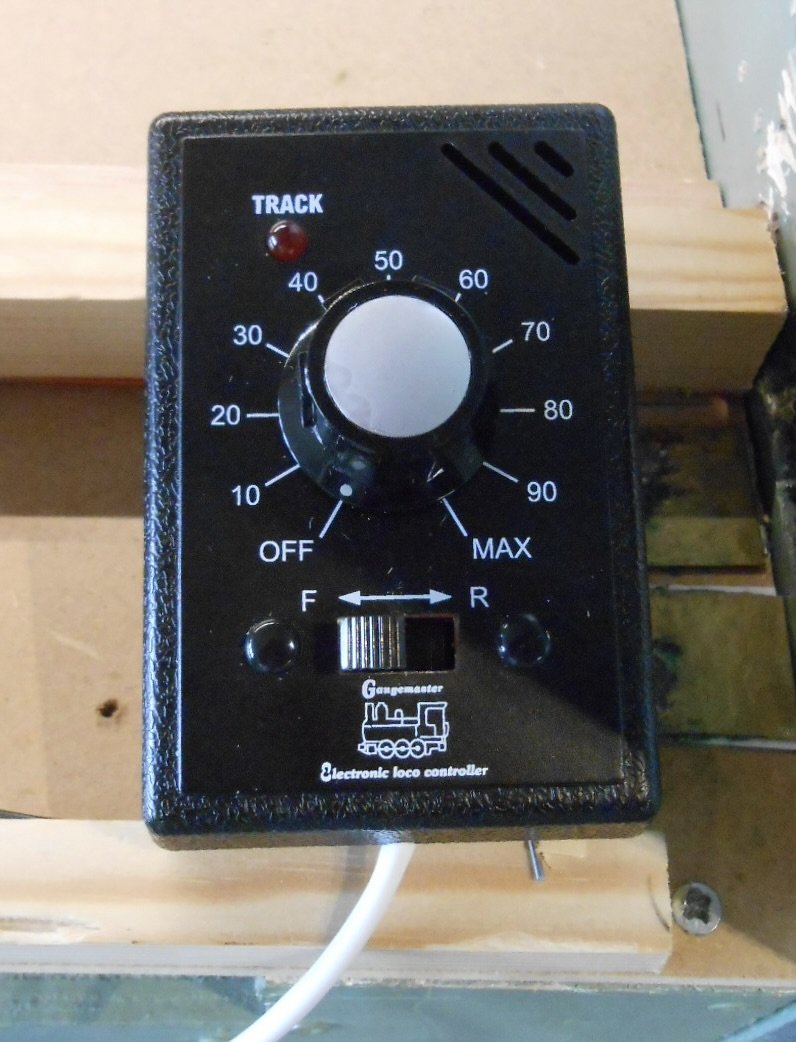
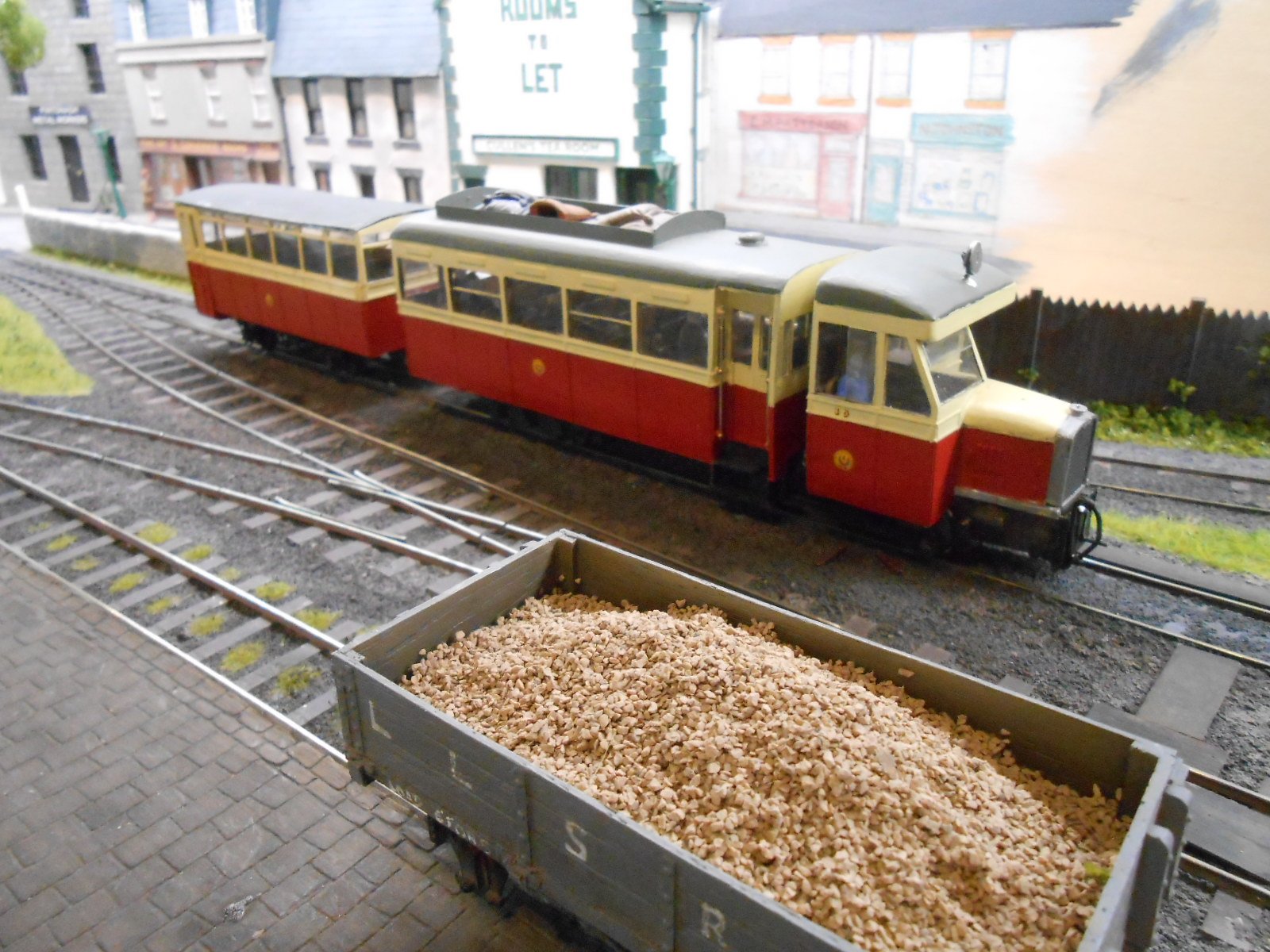
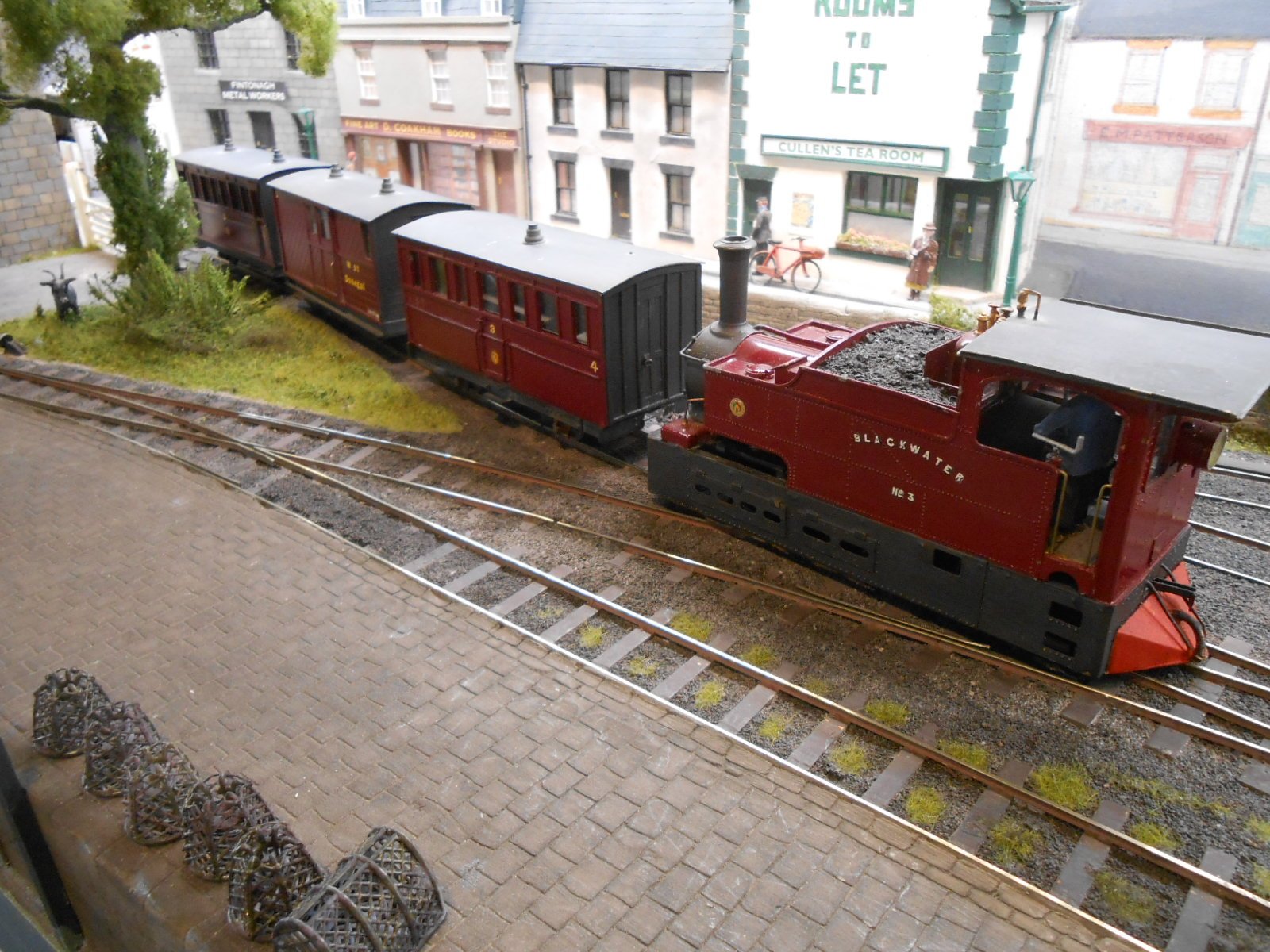
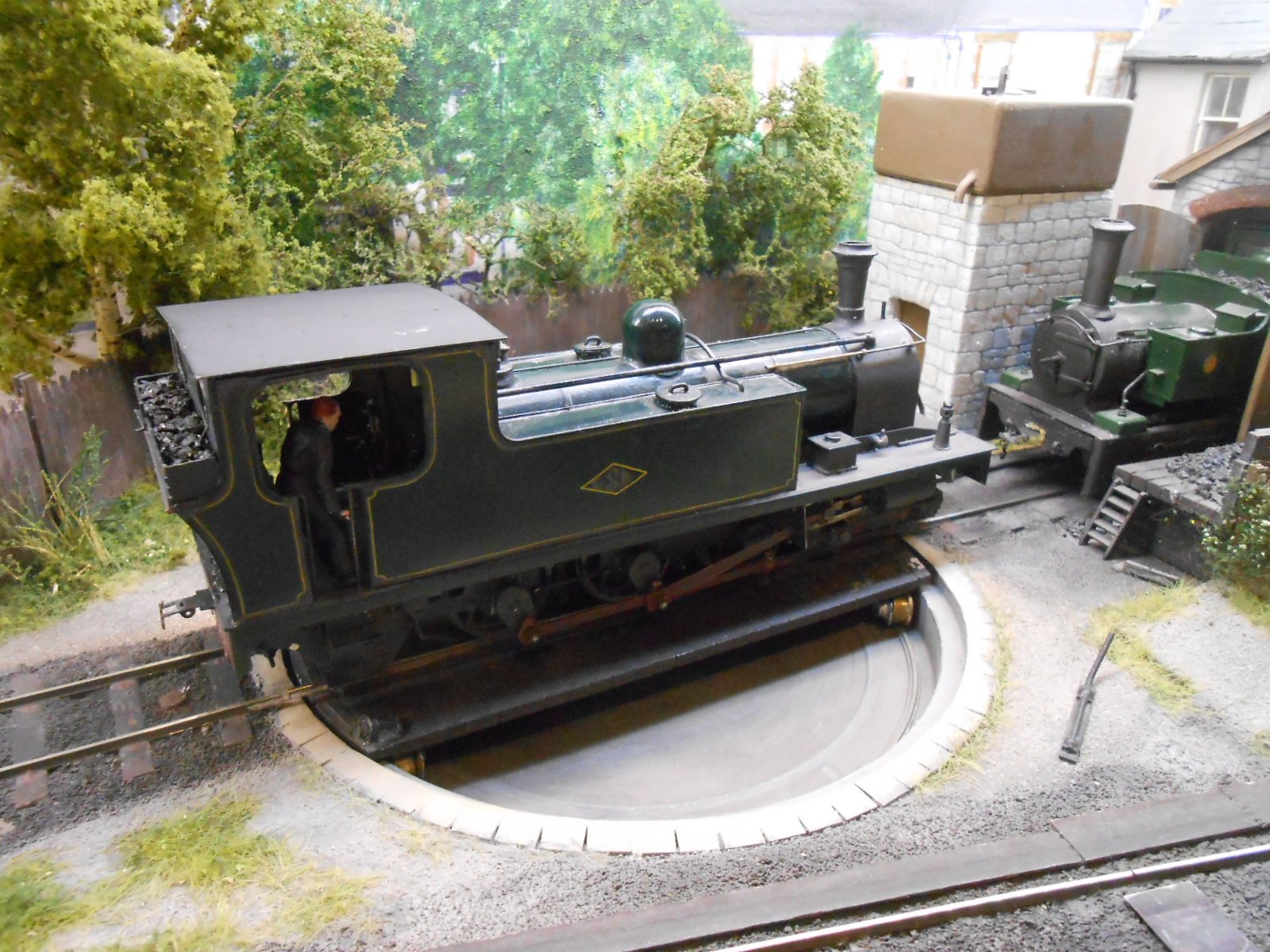
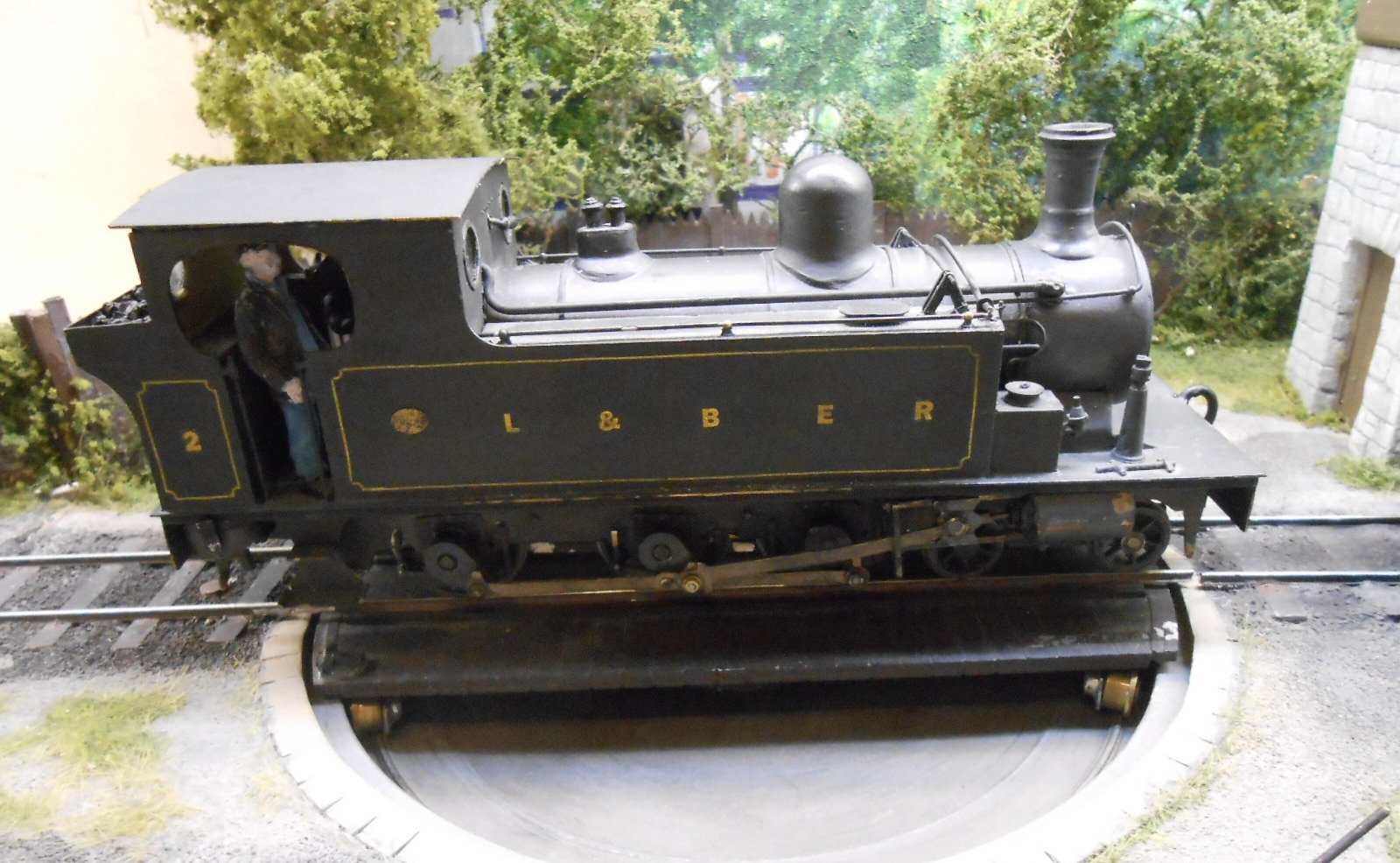
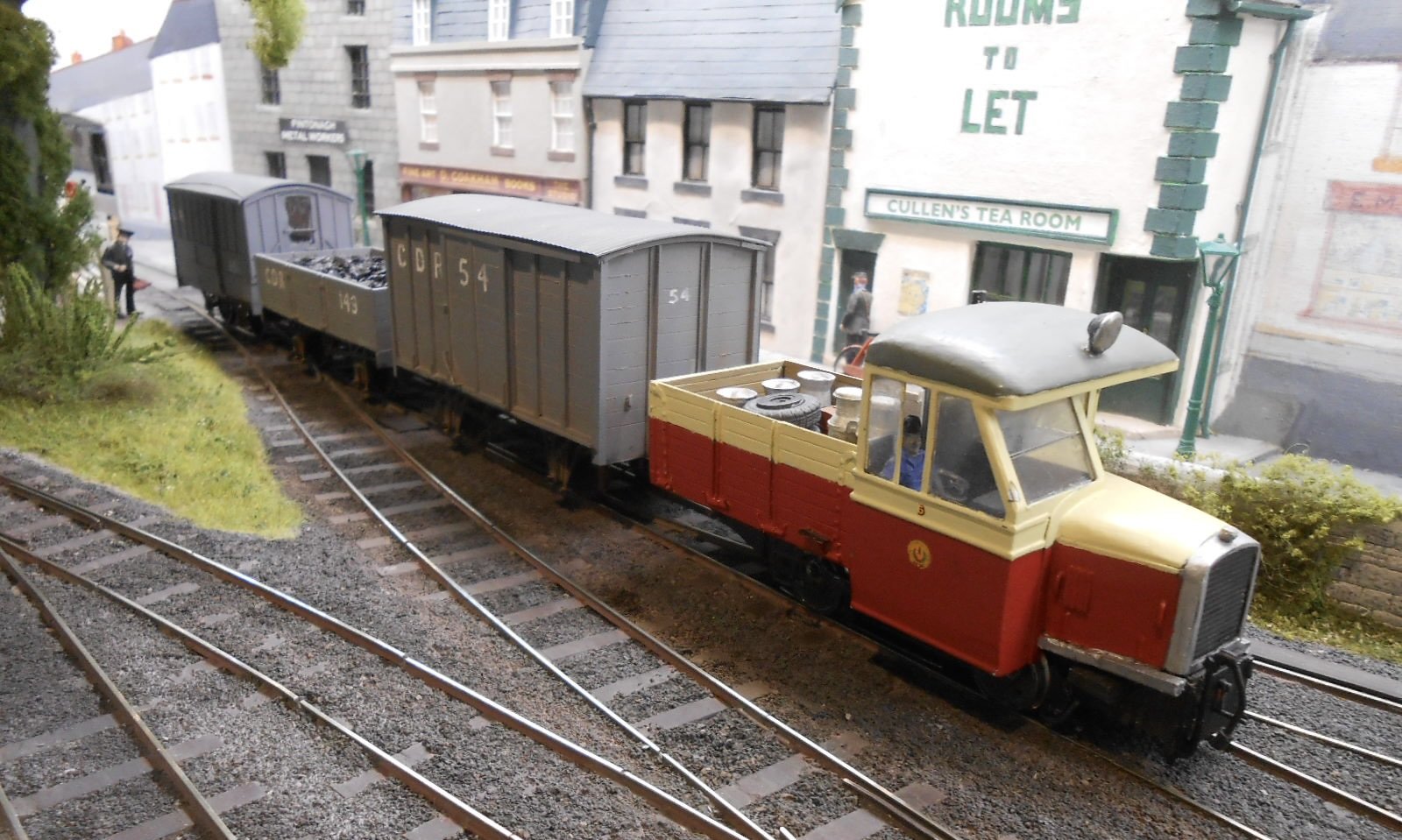
It will come as no surprise to anyone who exhibits regularly that after the horror show at Chatham, the layout is now running nicely again. However that only tells a fraction of the story, of which key components are: A new Gaugemaster HH controller: for Swillybegs, the difference is transformational. All the locos with open frame motors run sweetly again, likewise the turntable - which is quieter too, compared to with the W Railcar 10: was decidedly hesitant at times and even with the new HH all was not well. However, back on the workbench, I quickly traced to problem to not one, but two pickups not acting on their wheels. A bit of tweaking and with 8 wheel pickup, it now run beautifully again. West Donegal Tram: the red Sharp Stewart 0-4-2T was also unhappy and on the bench, this was also traced to pickup, also in this case it was TWO driving wheels had come loose on their axles. The coaches meanwhile, while still needing a bit more weight, run better after I discovered one of the tension lock couplings in the middle of the rake had become twisted - or maybe I just didn't fit it properly in the first place... Swilly 4-6-2T: this failed completely on Sunday morning. Soon traced it to a loose wire on the motor, but though I managed to re-attach it, the loco still wasn't & happy and guess what? Yes, pickups again on both rear drivers! It works so much better on six pick ups than four... Swilly 4-6-0T: actually came through the show relatively unscathed, but is certainly a lot happier with the HH. Donegal Goods: unused at the show, because shunting was pretty much impossible. With the HH, shunting is [almost!] a pleasure again because you can easily find the magnets and ease back to open the couplings. Which just leaves Phoenix. I didn't use it much, due to the shunting problem, but back home, it was derailing on the points! The cause was soon found to be a loose wheel - hence out of gauge. A Chinese curse is 'may you live in interesting times', so can only think I must have annoyed a far Eastern gentleman or lady & if so, I apologise! Overall though, you really can't make it up. One or two issues over a two day show [14 hours running in all], but not six out of seven. Add in a few broken couplings through needing to run at higher speed and it makes you wonder. However, the Chatham Show itself looks like it was a success, with over 2700 paying visitors, up 500 on last year, which is certainly good news for club finances and a tribute to all the hard work that went in by our organisers and helpers over the weekend.
- 78 replies
-
- 11
-

-
Terrific work Mike and at 4'gauge not far off correct!
-
Treated myself to the reprinted, expanded version of Iain Rice's Cameo Layouts at the weekend and well worthwhile it is too. Initially leafing through, soon found myself reading the section on controllers, which immediately reminded me of why I set up my layouts this way in the first place: The Gaugemaster HH is simple. Just a speed knob and direction switch. No keypad, no screen, no dialling up locos Slow running is excellent but will be following Iain's advice to buy a second one, as they can get warm after a while. I find a speed knob much better than arrow keys and you don't need to look at the HH to work it - important when spotting over uncoupling magnets Wireless operation isn't necessary on a layout only 2m long and the HH can be unplugged and used on my other layouts The W, meanwhile will only be used as backup and on Railcar 8. Must remember to stick to open frame motors in future - not difficult when I build all my own stuff. On a small shunting layout, I really don't need anything else - especially at shows where there is the constant distraction of trying to talk to people while operating. Other people will have different needs, but this works for me.
- 78 replies
-
- 10
-
-
Thanks folks! I have a Gaugemaster Prodigy DCC, but don't really like it for various reasons, including those outlined above. Things like the extra cost of chips, pain of fitting and tuning them and the need for careful insulation in metal bodies locos. Plus all my layouts are 'one engine in steam' and I'm not fond of sound or lighting, so really have little use for what dcc offers... All my locos, broad, narrow and standard gauge work well with the Gaugemaster HH feedback unit (including Richard Chown's Shannon, which has an RG4 motor) and slow running is noticeably better than the W unit. So, all was fine until I built Donegal Railcar 8, which has a small cordless motor which really doesn't like feedback and hence the change to a W. Shame I needed three goes before finding one that worked! Have read up all I can find on the Infinity analogue controller and, for me, can't find it does anything to justify its £360 price tag. That is not to say it is not ideal for others. Scouring the Web, there is a new version of the Pentroller, called the Pictroller, which is able to recognise cordless motors and adapt. At £85, the cost seems reasonable, but is currently out of stock... The fates seem to be pointing me back to the HH and buying a new backup is feeling like the way to go, except it is also showing out of stock at the moment! If only that wire on the HH hadn't come loose, I would have been spared a lot of grief over the weekend and looks like I need to resign myself to either swapping controllers when running Railcar 8, or find a new motorbogie for it with a non-coreless motor.