.png.c363cdf5c3fb7955cd92a55eb6dbbae0.png)

jhb171achill
-
Posts
15,870 -
Joined
-
Last visited
-
Days Won
393
Content Type
Profiles
Forums
Events
Gallery
Everything posted by jhb171achill
-
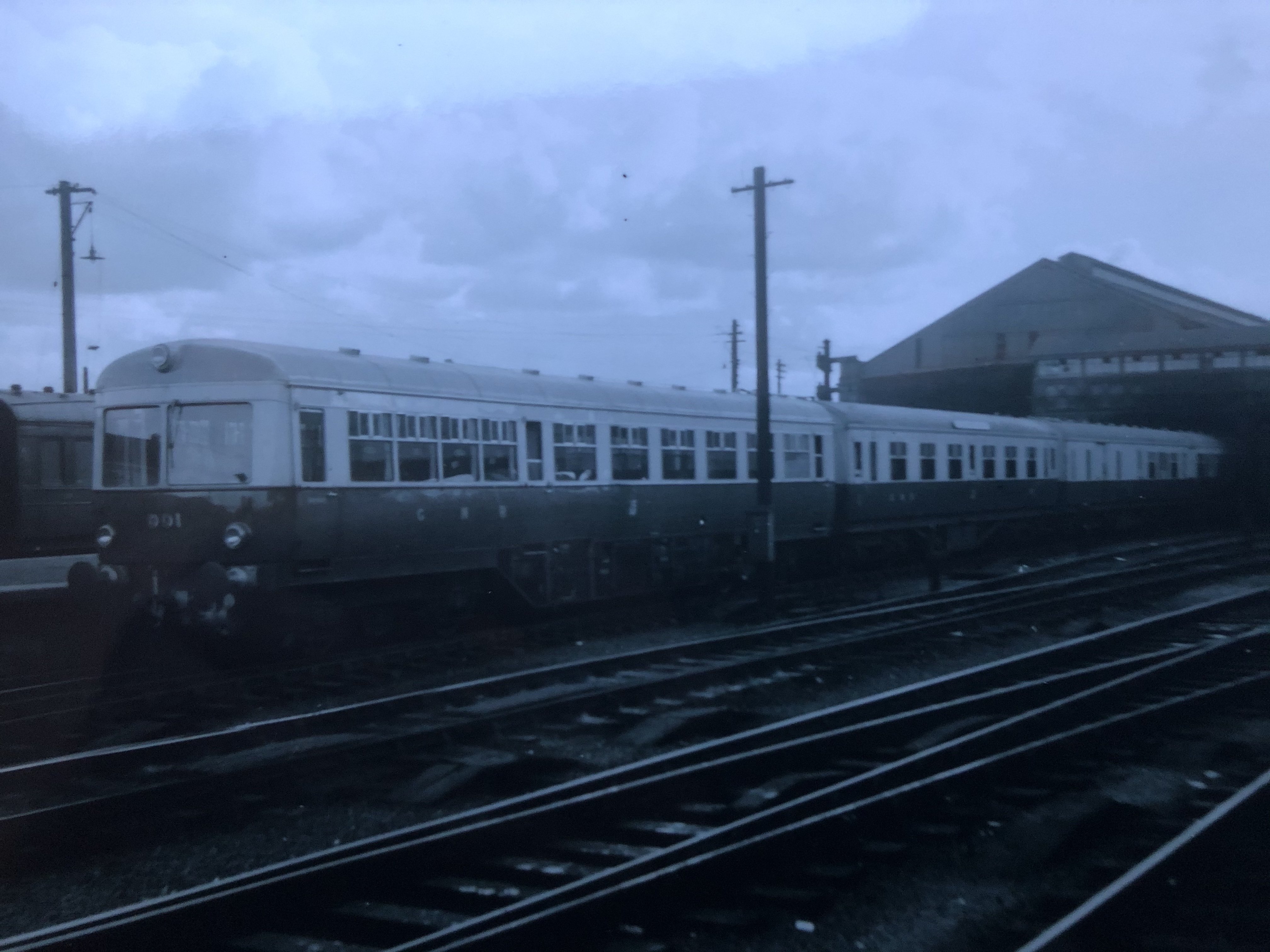
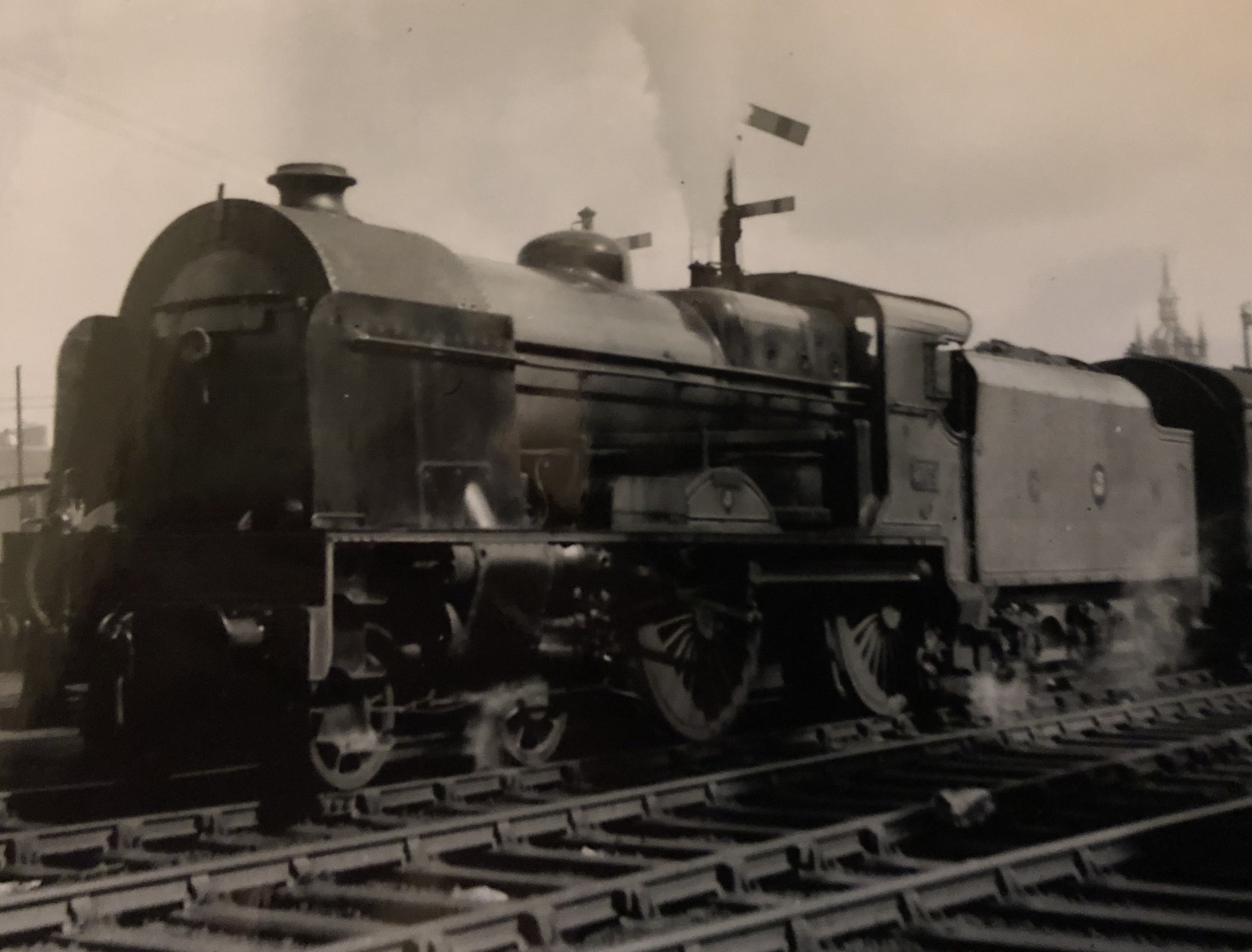
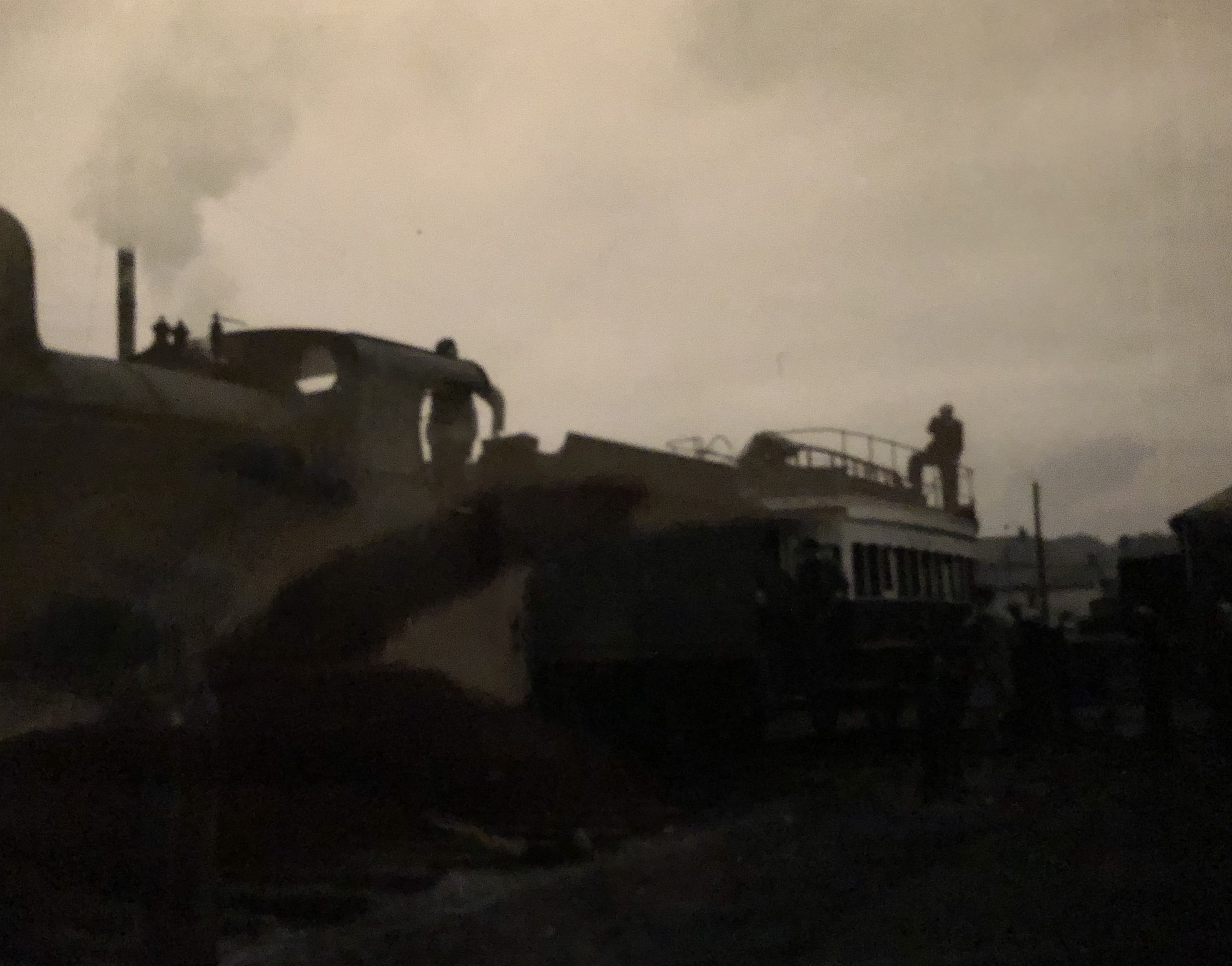
Sticking with the GNR, we have the following..... 1. “It’s just a diesel”, as Snr. Might have commented - yet it didn’t stop him taking a picture of it! An AEC set in Amiens St., ready to go to Belfast. Evidently this was within weeks, or possibly days, of their introduction (1950?). 2. Local train in Lisburn, late 1930s. 3. A big blue 4.4.0! I’ve a nite somewhere of which it was, and the date, but I don’t have it immediately to hand. 4. This is a very poor print but the negative is MUCH better, so all is not list. I’ll hopefully get it enhanced some day. This is at Fintona in October 1958, and the tram is being prepared for its last ever journey to Belfast.

-
"Lime green"!!? Jayyysus......
-
Superb stuff, Lambegman! Great Northern Heaven...
-
Will you be able to buy them with the actual Murphy DCC chips already in, I wonder?
-
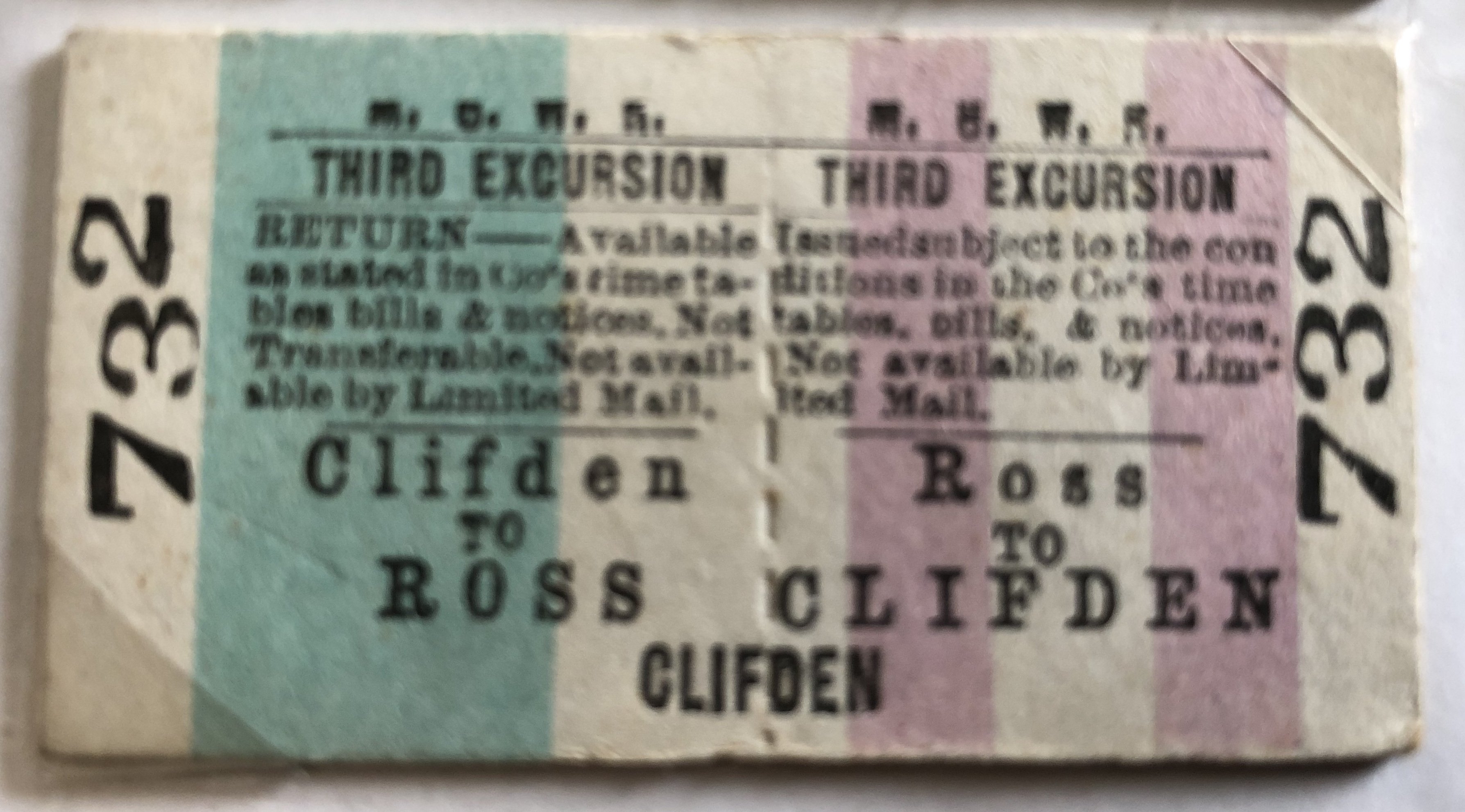
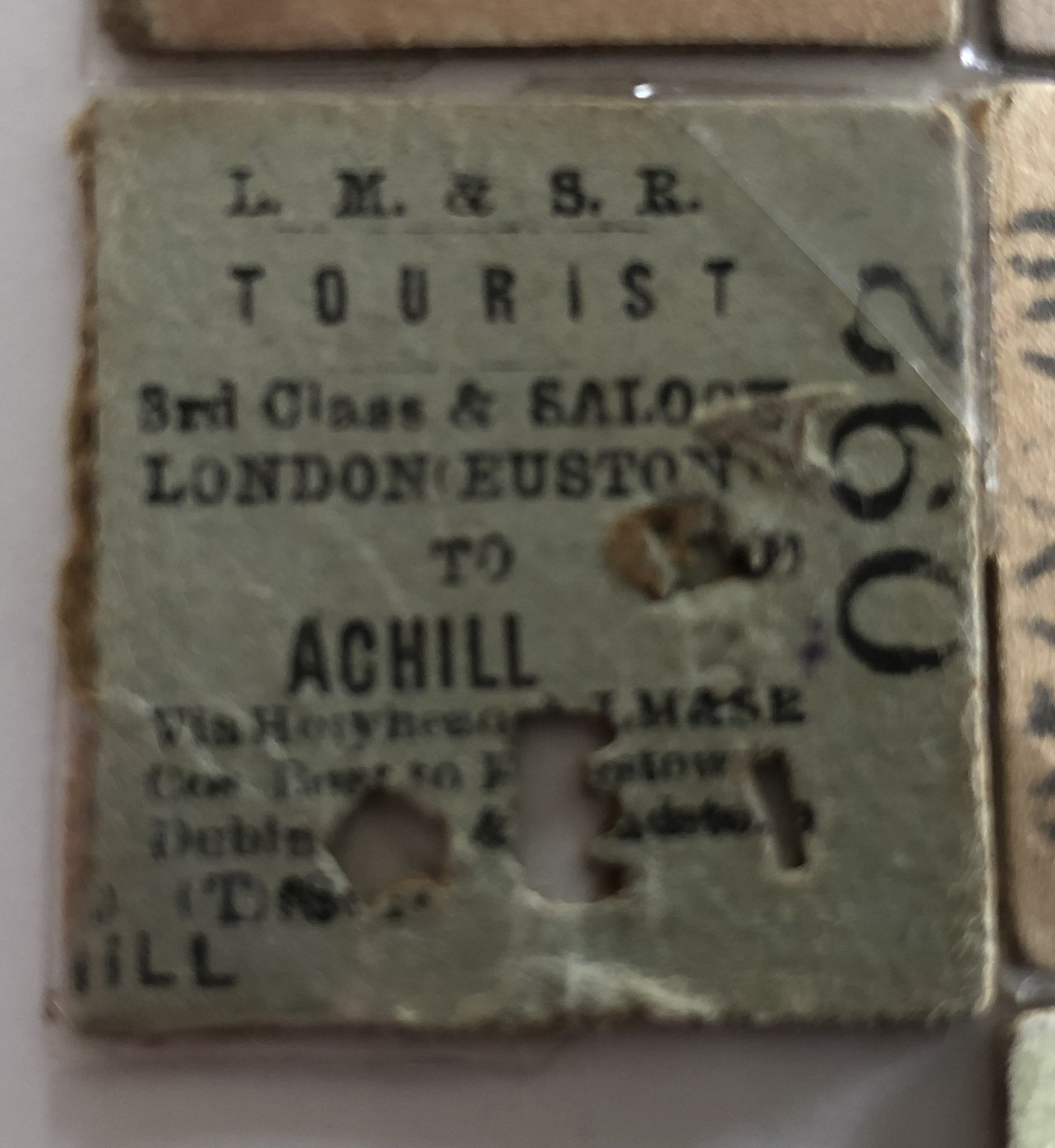
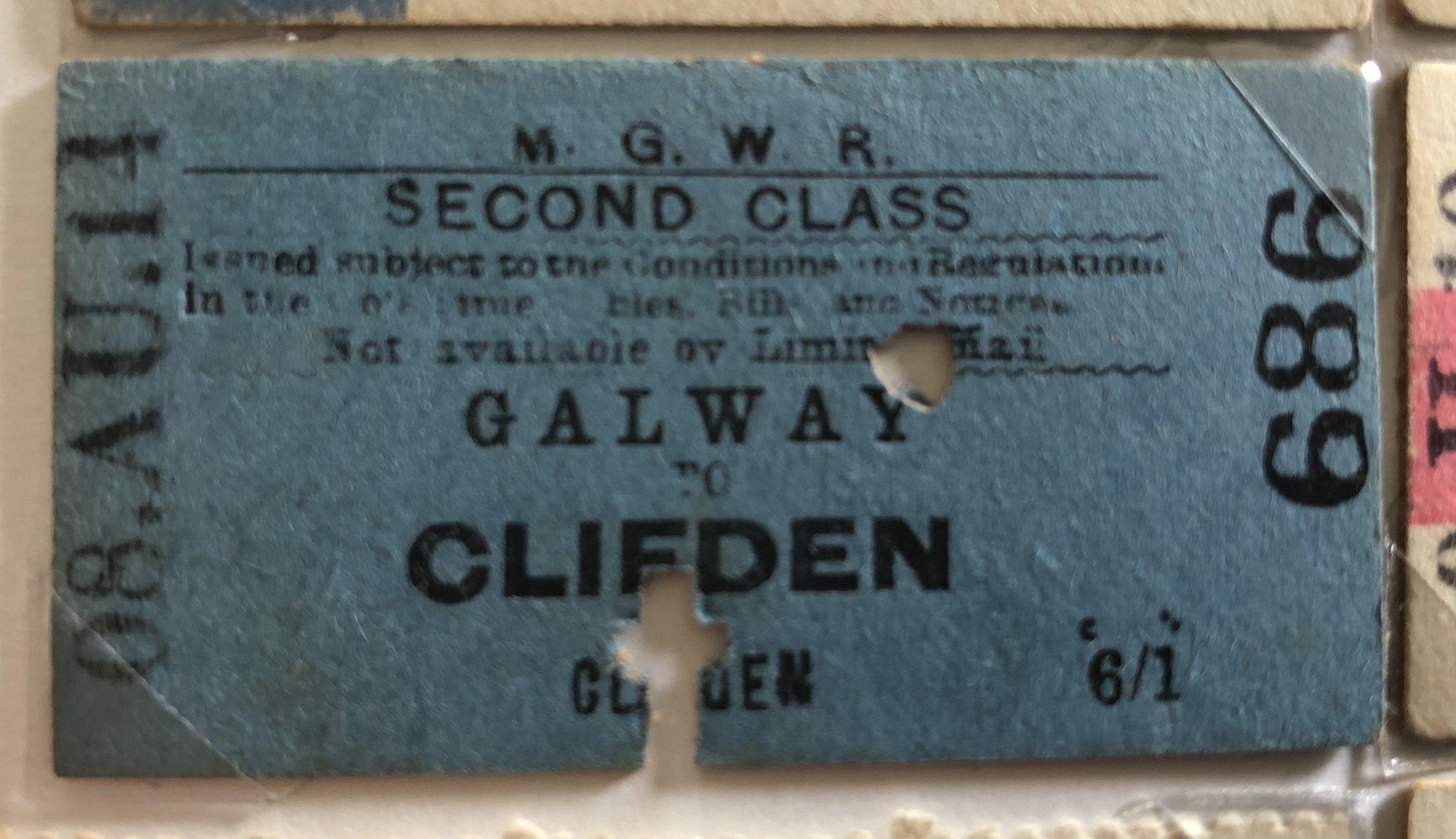
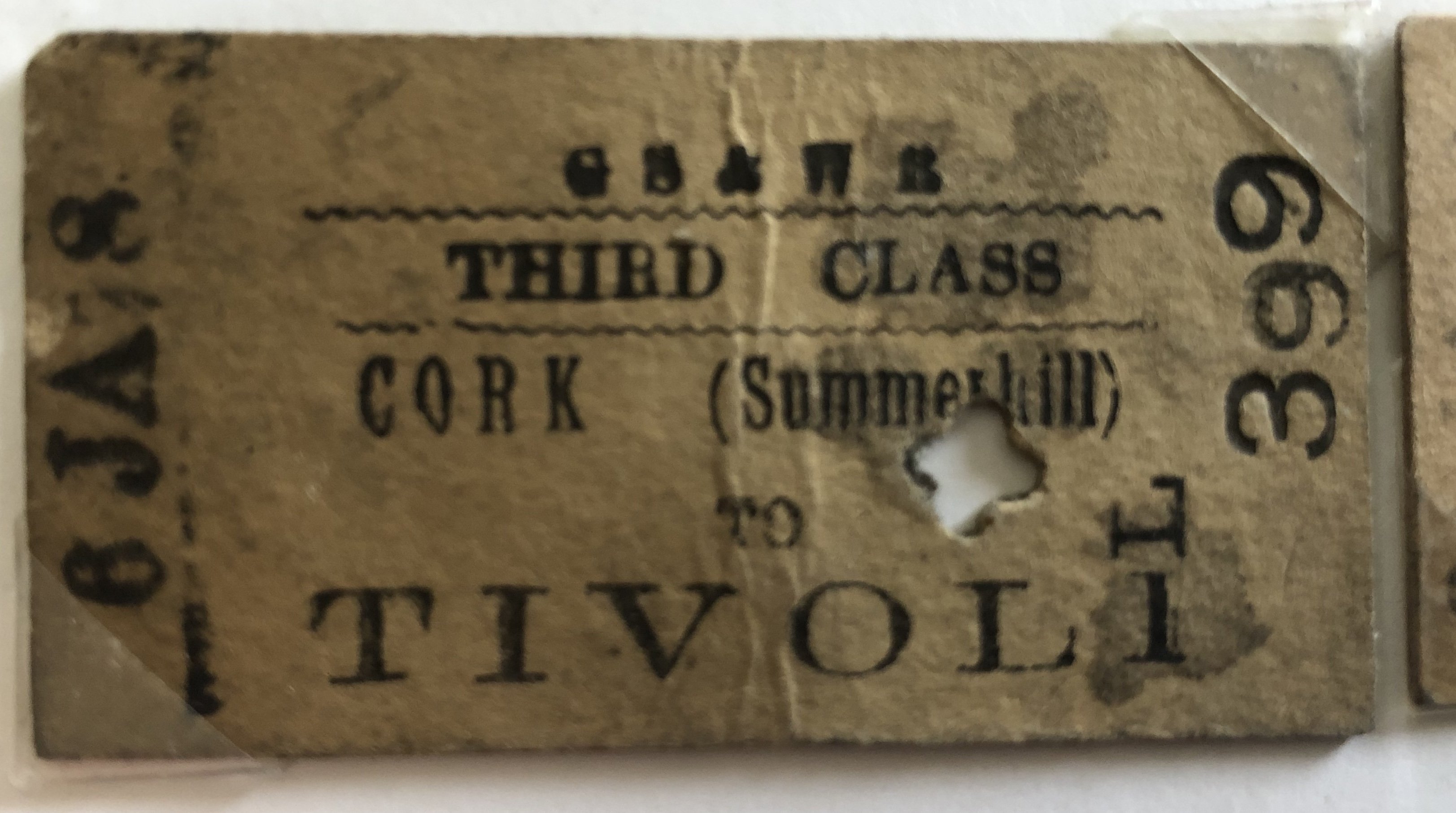
Cork (Summerhill) closed in 1893! These were lent to me by a friend, to choose some for inclusion in the Clifden book.
-
Fancy a jaunt?
-
I could WELL believe that! My grandmother had stories of these people falling out with locals in the area. She lived there from about 1900 until about 1908. HER father, my great-grandfather, was not one to mince his words on all things political, and the rest of the family tried to steer him away from such discussions.....! County Leitrim at that time was a place where you were better keeping your opinions to yourself.......
-
I'd love to buy that building and restore it! My late grandmother used to play in the loco yard as an 8-year old girl with her two friends, one of whom was the daughter of the traffic Manager, William Henry McAdoo..... and they'd no PTS or dayglow vests....... She used to relate a story about chasing the hens which belonged to one of the railwaymen, which used to potter about at the back of the loco shed.... Only in Leitrim!
-
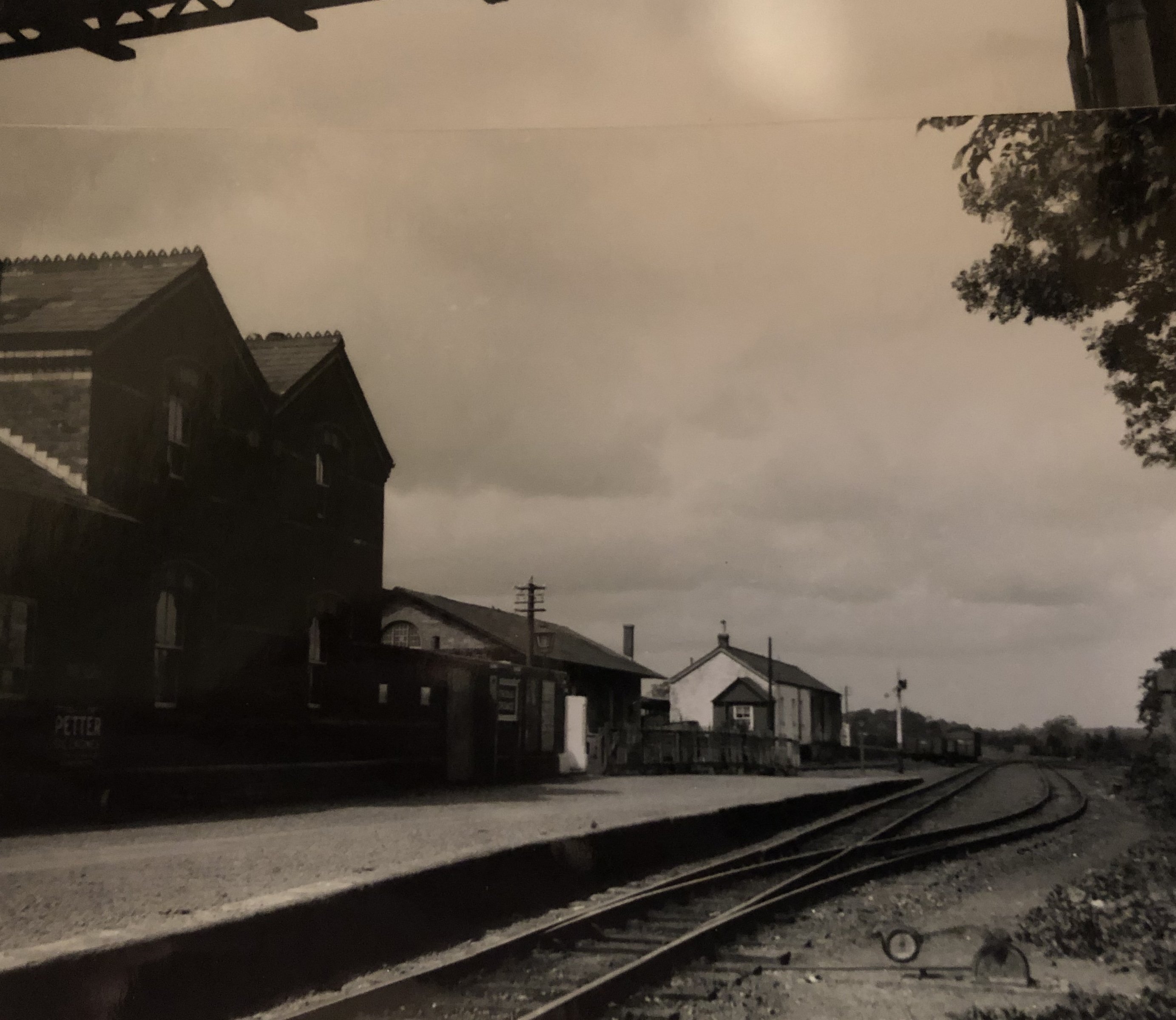
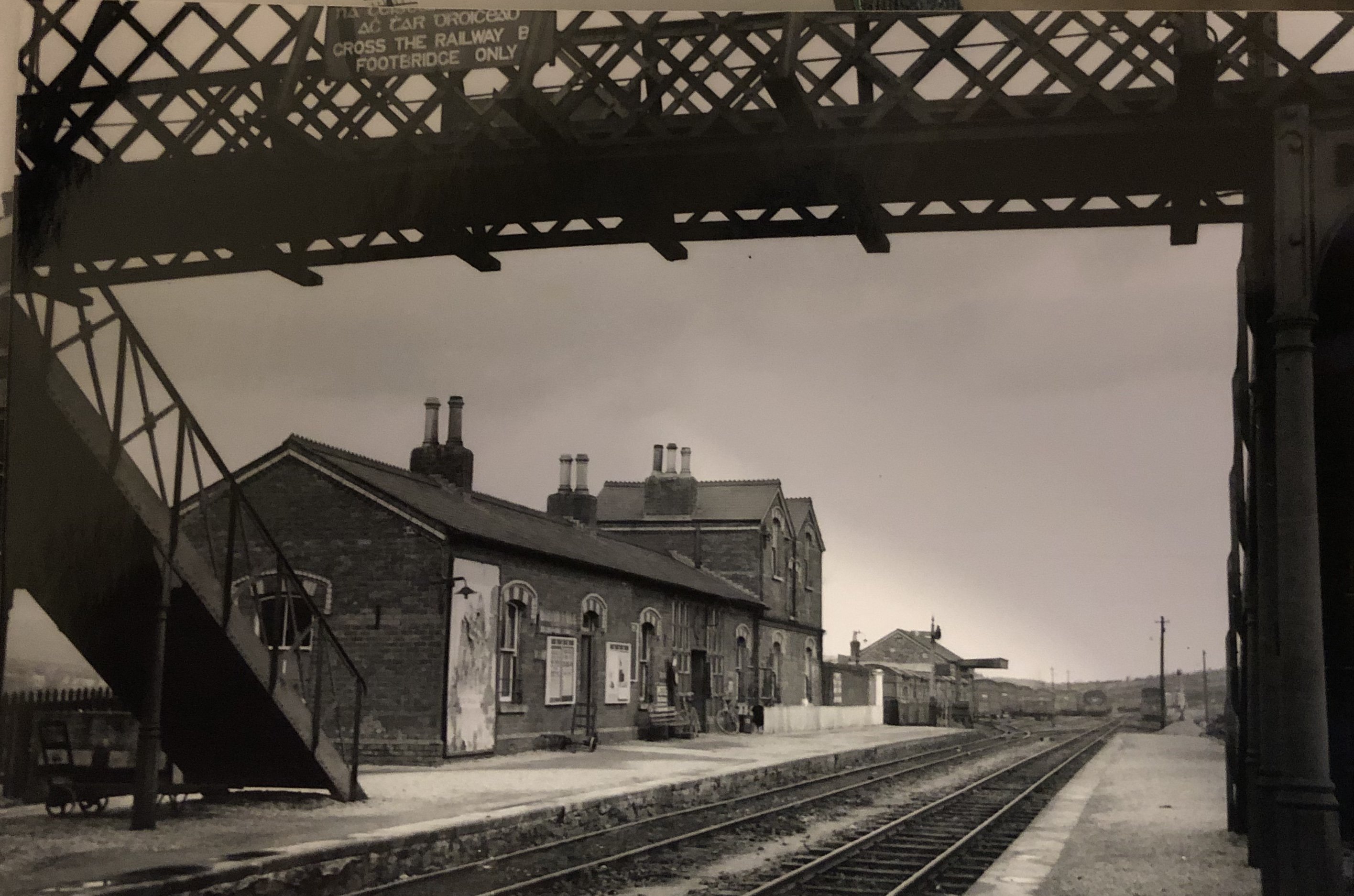
At Dromod they have two steam locomotives. One was a new-build, "Dromad", currently out of traffic and under repair. The other is a little beauty - newly restored and back in working order just over a year ago, i think - she is "Nancy", a rare 3ft gauge British industrial loco. They have a short line to operate on, though my understanding is that this is currently under repair. The actual original Cavan & Leitrim station is in use and very nicely done up. Great atmosphere there. They have, for long term restoration, the remains of two ex-Tralee & Dingle carriages plus one of the West Clare railcar trailers. As others have mentioned, there's other stuff too. I saw "Nancy" in steam last year during the RPSI's annual "May Tour", Sadly, this tour can't operate this year due to the coronavirus. As an aside, folks, all of our preservation groups will need every red cent of help they can get this year as the finances of even the biggest are never exactly overflowing with spare cash, and grants are becoming harder to get. The middle one of my pictures above is of Dromod station about 1931. It has barely changed today.
-
Is that 3ft gauge? Looks more like 2'6"....?
-
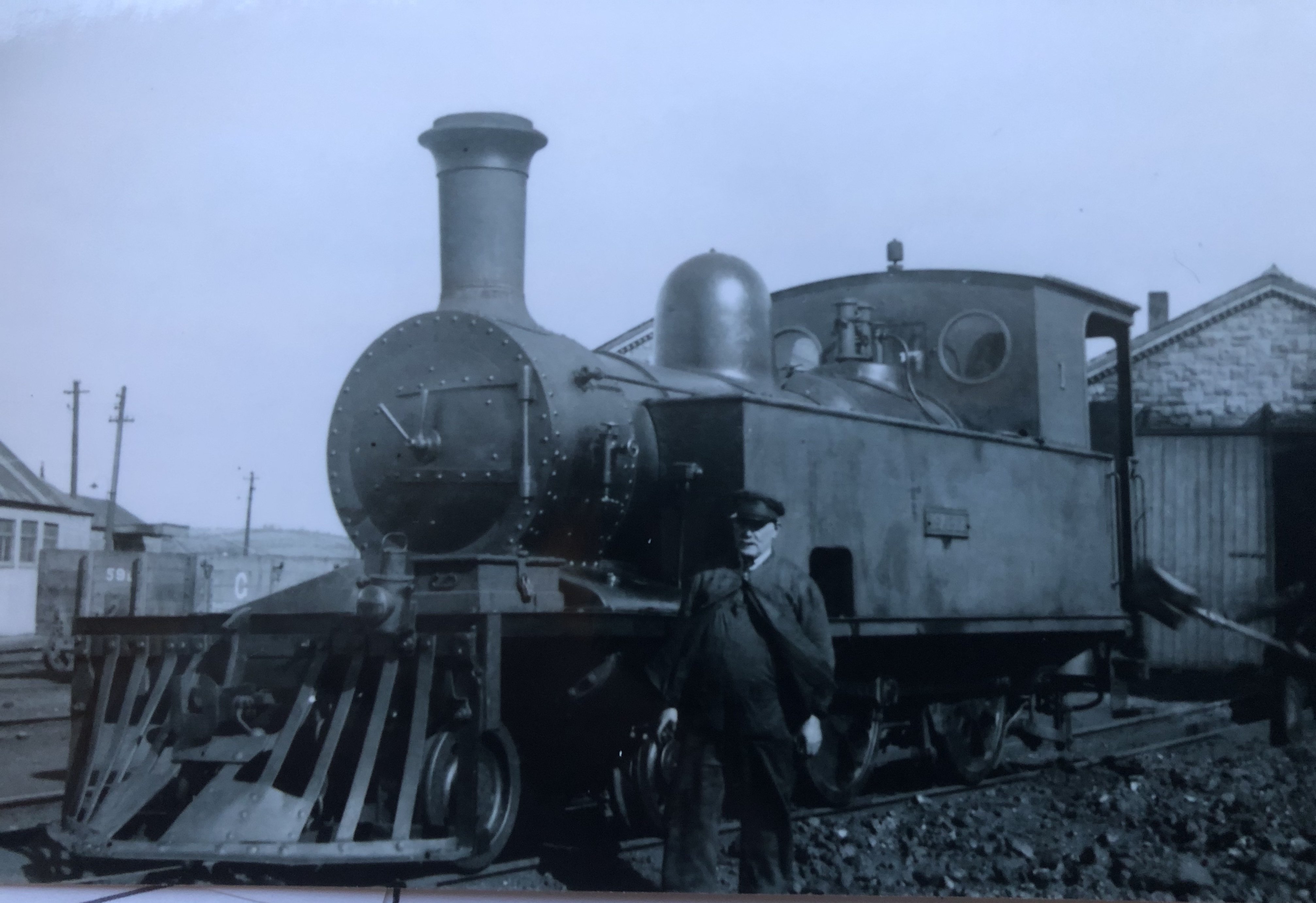
We’re off to Dromod and Ballinamore. I haven’t an exact date but these are about 1931/2, taken by my grandfather this time. Locomotive No. 1 “Isabel” was the last C & L engine to remain in pre-GSR leaf green livery. Here this may be discerned, in its typical C & L cosmetic shabbiness once the GSR & later CIE were in charge.
-
A friend of mine had planned years ago to build a live steam 3 1/2in. gauge Swilly tender loco. Never got round to it, but THAT would have been a sight for sore eyes!
-
Correct. It was the only CIE loco ever painted any way other than the normal liveries. It had red lining similar to what at one stage the GSWR had used, and it was done to that one loco specifically for the Cork - Rosslare service. It didn't last long, as the B101s took over in 1955/6.
-
I was on that IRRS trip too. And, I travelled round the place in 1977/8. Now, I believe I know who you are! If I'm correct, you actually sat beside me on the IRRS trip, and I noticed you out and about on runabout tickets!!!!!!! Ye can't go nowhere.......!!
-
Track plans are hard enough to get....but yes, there's info about the various stations to such extent as I could get it. Thank you very much for your comments - very much appreciated.
-
I could assist you with a copy of "Rails to Achill" but you've got it! "Rails Through Connemara" should be on the shelves before Christmas.
-
Yes, it's probably a 6-wheel 1st / 3rd compo, a brake 3rd and several vans. And, as you say, a G2. An easy load for that engine.
-
Yes, I would just "weather" over the lining, after all, that's what happened the real thing. I was shown a picture of a UTA loco once - probably a Jeep - and I was told that it proved that SOME UTA jeeps had no lining. I insisted that all had, always; there wasn't a solitary exception, to no avail. Later, I found another pic of the same loco, the same year, with lining discernible, albeit on an absolutely FILTHY loco! Occasionally, lining just isn't visible on a dirty locomotive - but it's there! Yes, the 08 you mention was indeed the one - I think there was an article about it in one of the "comics" - excellent job.
-
I've two "Woolwiches".... one, I think. I will repaint grey and weather it. The other, I'll leave green and very heavily weather, which raises a question: I saw a model one time of a British class "08" shunter. It was meant to be weathered really heavily, over paintwork which even if clean was already badly worn. The model was based on photos of a prototype. Looking at the real thing in photos, the BR blue paint was very badly faded (I think it had been sold into industrial use) and on top of that the thing was absolutely filthy - really badly neglected. But the modeller had got a PRISTINE Hornby or Bachmann straight-outta-the-box blue 08. He had applied some colouring technique before he started weathering it to make the paintwork look badly faded, a weak, insipid, greyish pale-ish blue. THEN he had started weathering it. The result was quite simply one of the most realistic weathering jobs I've ever seen. Does anyone know how this is achieved? The "Woolwiches" which remained in green into the late 50s, show this degree of neglected fading, barely visible under perhaps five undisturbed years of gunge. The patches of green visible look really worn and faded themselves.
-
I'm going to post one or two a day for a while. I'm thinking of putting together a talk for the IRRS based on them...... he got to some interesting places, like Burtonport, Rathkenny, Macroom, Killaloe (I think, as a small child), Castlecomer, Keady, Killeshandra, Edenderry, Banagher, Castlegregory, Courtmacsherry... but he didn't always have his camera and when young he only had a little cheap one, like the Cavan train above. The day he took that he was out cycling with his friends. It's a wonder he had a camera at all. On a two-day trip Kingsbridge - Mallow (on the footplate of a 400), to Tralee, to Castlegregory and back, overnight in "Benner's Hotel, Tralee" (B & B & dinner 5 shillings), next day to Dingle and back, and then back to Dublin - he took but four photos. Three at Castlegregory and one at Castlegregory Junction! He went another day to Galway and back (via Loughrea). He took one pic, at Loughrea, but watched the Clifden train leaving within its last weeks, so that was 1934, which means he was 16....... He went another day from Amiens St. - Goraghwood - Warrenpoint - Newcastle (WP - NC by cycle!!), and then on the footplate to Belfast on the BCDR. No photographs. He went to Macroom and back twice; once in the van of a cattle special and once on the footplate of an engineer's special just before it closed. No photos.......... He lived 5 mins walk from the Harcourt St line and travelled to school on it from 1923 to 1930 - not one photo! But I do have a good lot of stuff he DID take.
-
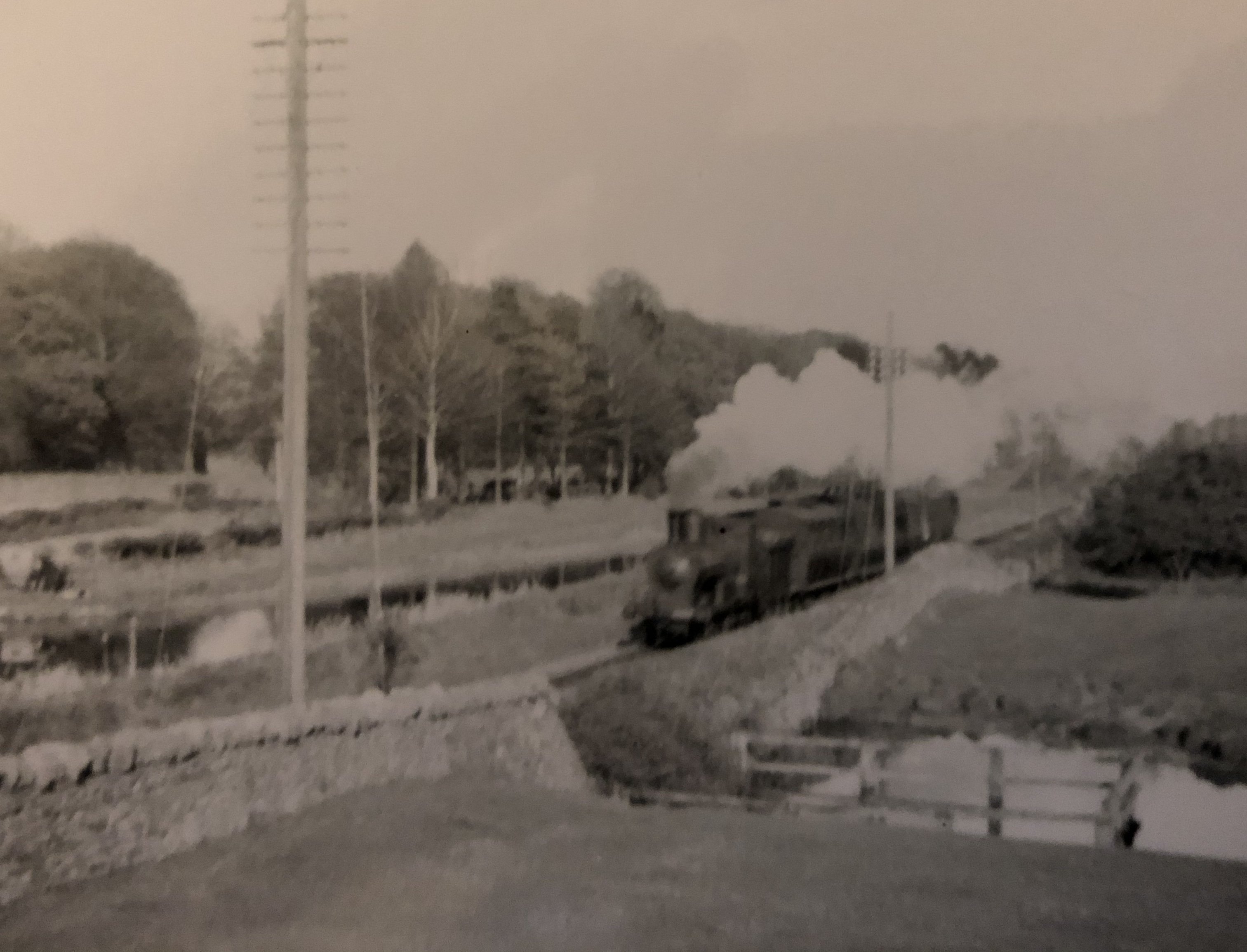
We’re back to about 1936 for the next one, the morning Broadstone - Cavan train. It’s waaay out in rural wild remote culchie-land in a far off place like Blanchardstown or somewhere else “out there.....” This seems to be the only pic taken by Snr. of a Cavan train. And the day he went to Broadstone to witness the last trains leaving and coming in, he didn’t have his camera.....!
-
Very well done, Dempsey, very realistic. What sort of paint?
-
There are a number of books. next time there's a model railway show, the IRRS (Clifton Flewitt) will probably have a bookstall. Ask him - Clifton is extremely knowledgeable about books and he should have something at least. Ernie Shepherd did a good history of the MGWR some years ago. Ebay or amazon might be able to help with this.
-
jhb171Senior was out with a PW gang one foggy night between Dundalk and Goraghwood, at the Wellington Cutting. Minor track maintenance was in progress. This is about 1951 or 2. As he approached the gang they were running towards him, scared stiff, after two of them claimed to have seen a man on a white horse riding along the railway track in the gloom. This story has actually been reported way in the past by engine crews; I wonder if any modern NIR or IE drivers have ever seen or heard of it! Senior wondered if they just wanted the night off, as it was a really heavy freezing fog, and that neck of the woods is not exactly known up there for tropical heat and sunbeds. But if they walked off the job they wouldn't be paid, and money was tight back then. There were about 6 or 7 of the men, and Senior recalled that he could tell that they genuinely WERE terrified, whatever they had seen. The work was postponed until daylight, when another possession was obtained. As our good American friends might say, "Go figure"!
-
Wasn't aware of Alan Gee's! Superb. There was indeed a ghost on the Carndonagh branch; the same identical one to be found at a crossing somewhere between Donegal and Killybegs. In each case, just after the line closed and the track was lifted, the gatekeeper heard a whistle for the gates. He went out without thinking to open the gates, then realised there was no track and no train. And, of course, his wife heard the engine whistle too.... In the Donegal version, he sees the train pass, closes the gates and ambles back into his cottage, then tells the wife "that's the 6:35 through...." She says "what are you talking about? The railway's gone!".